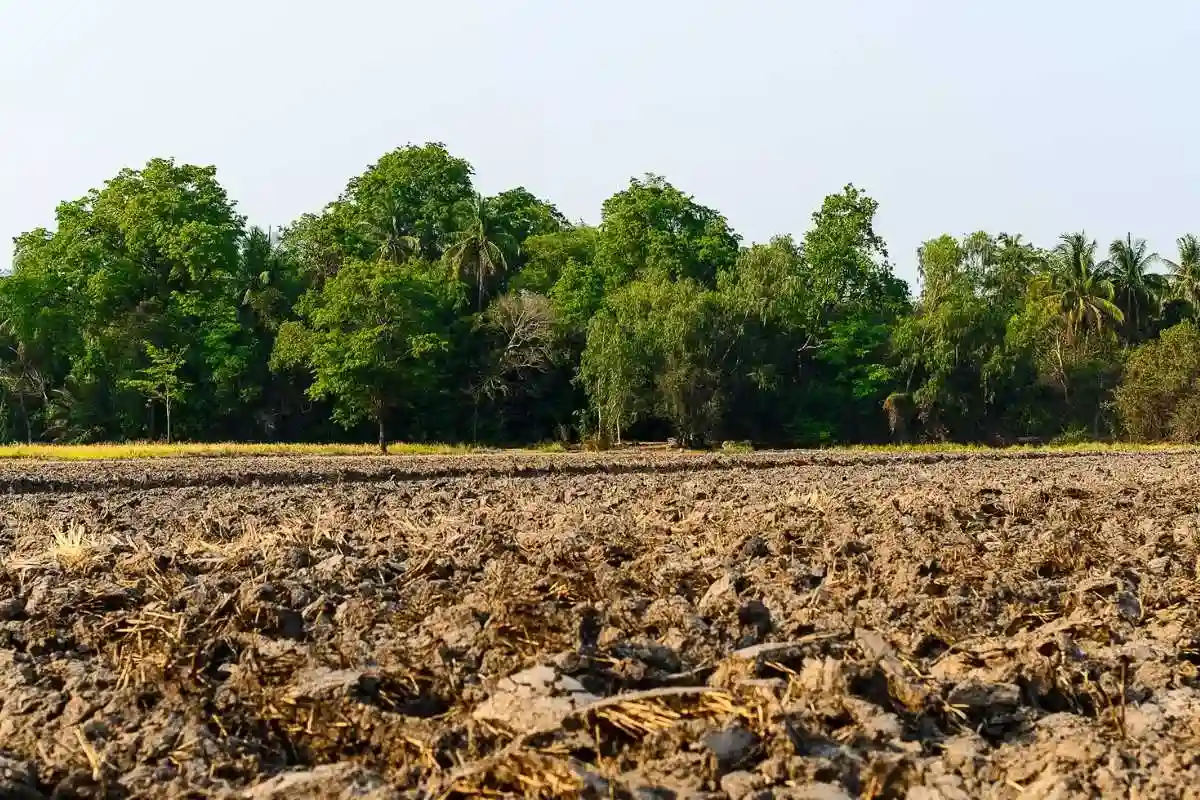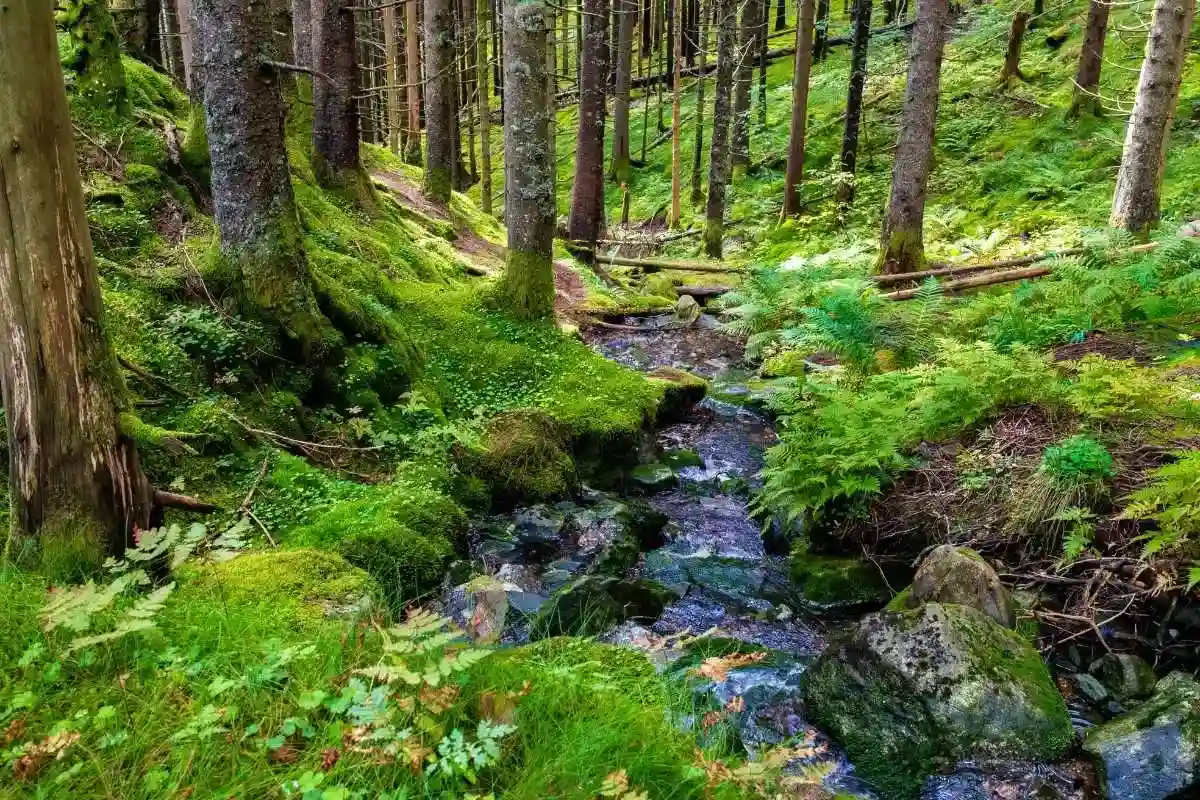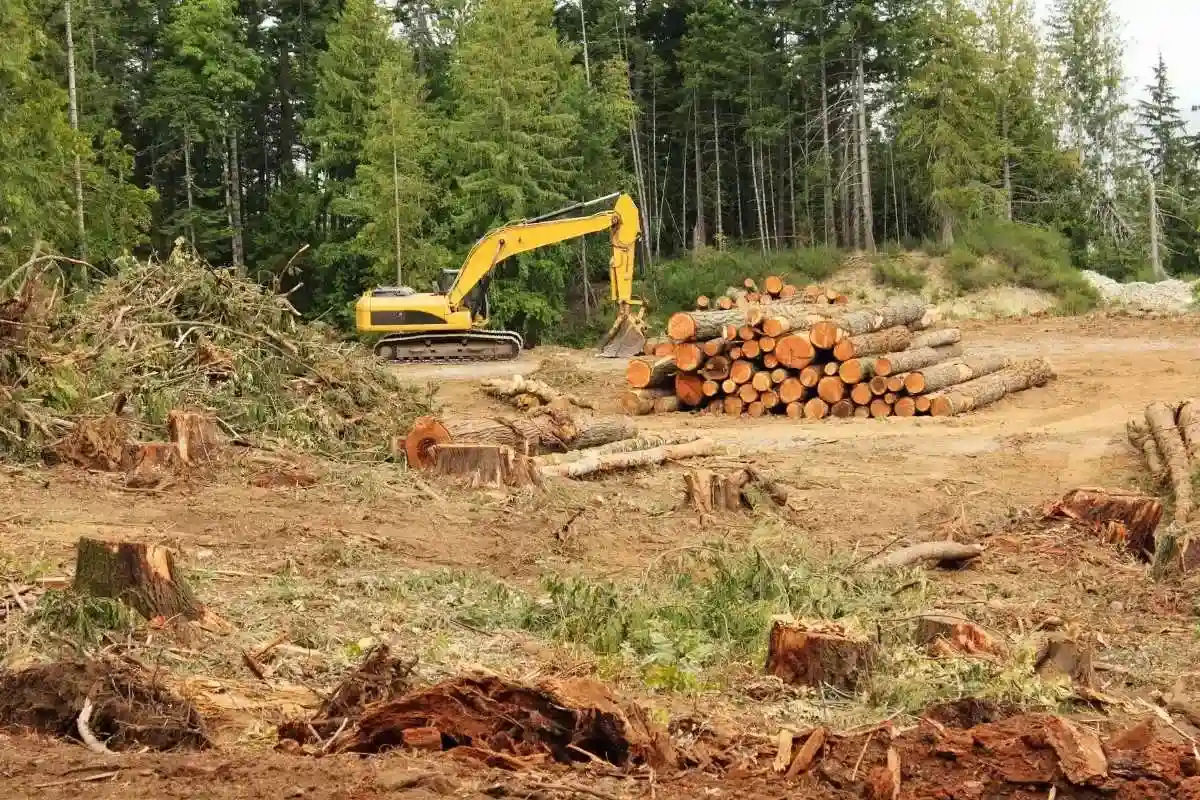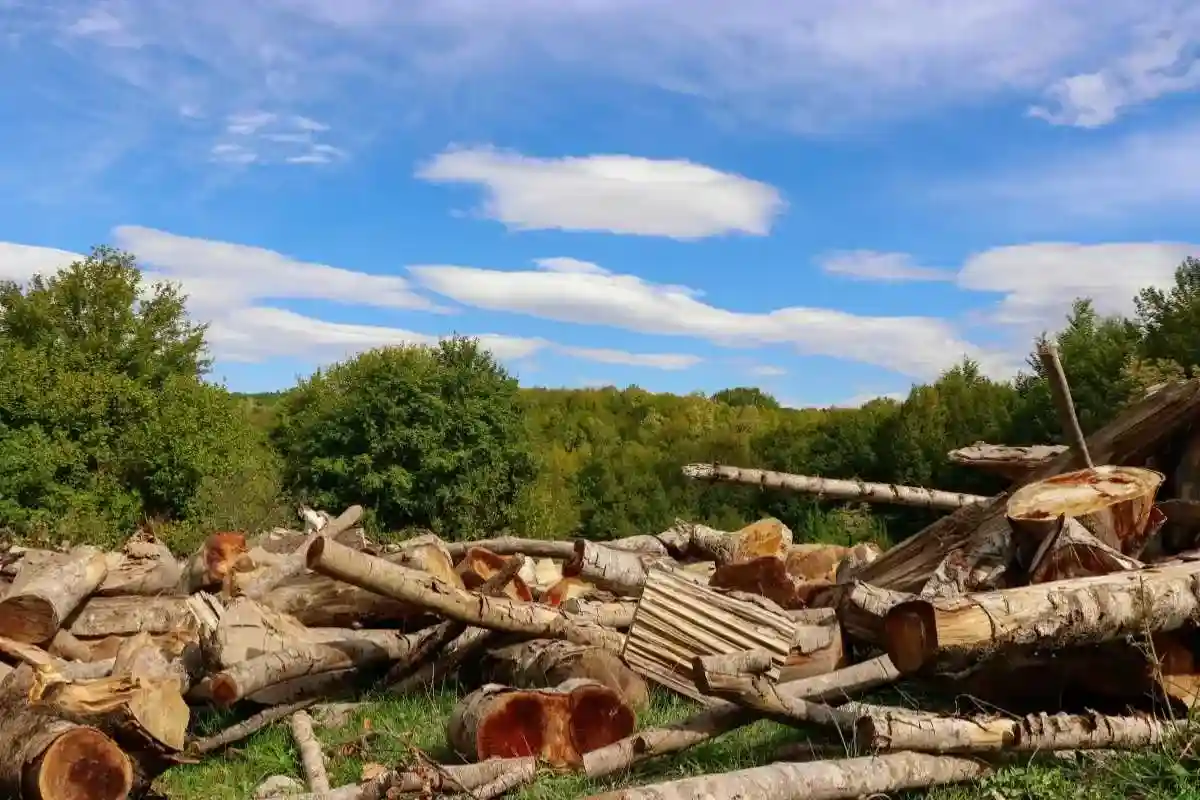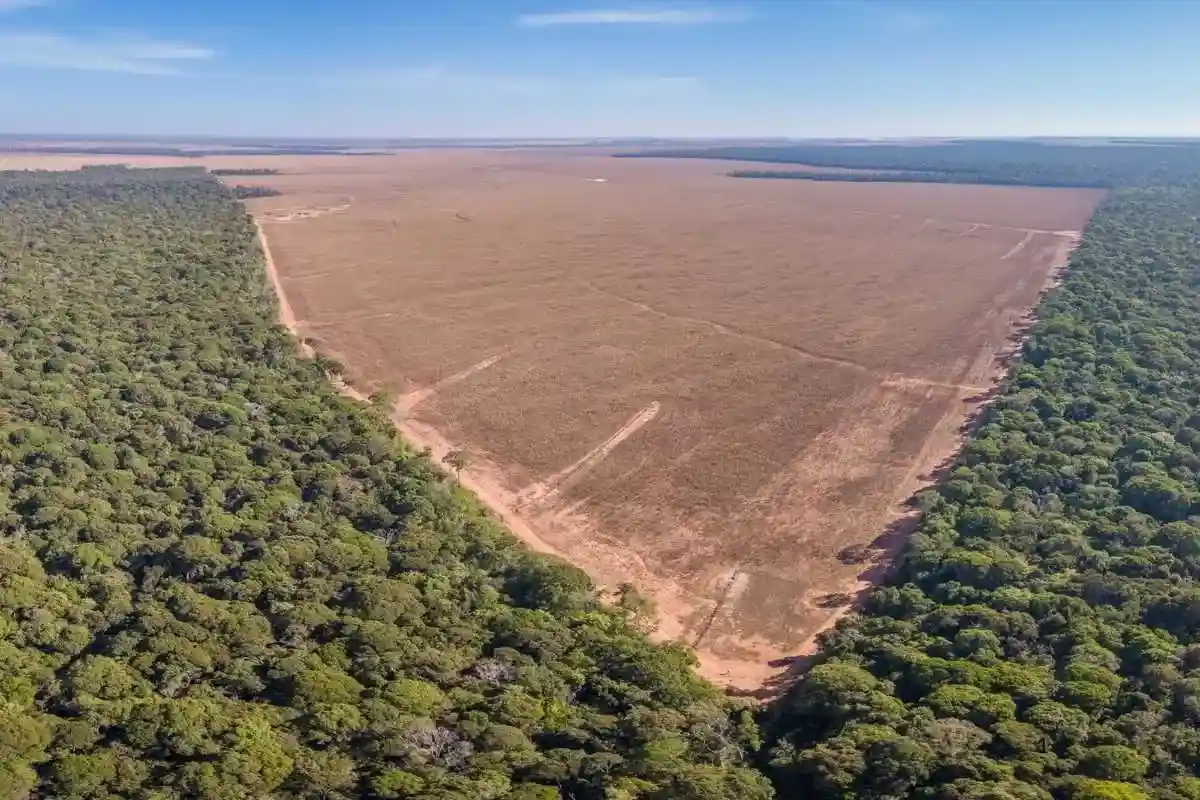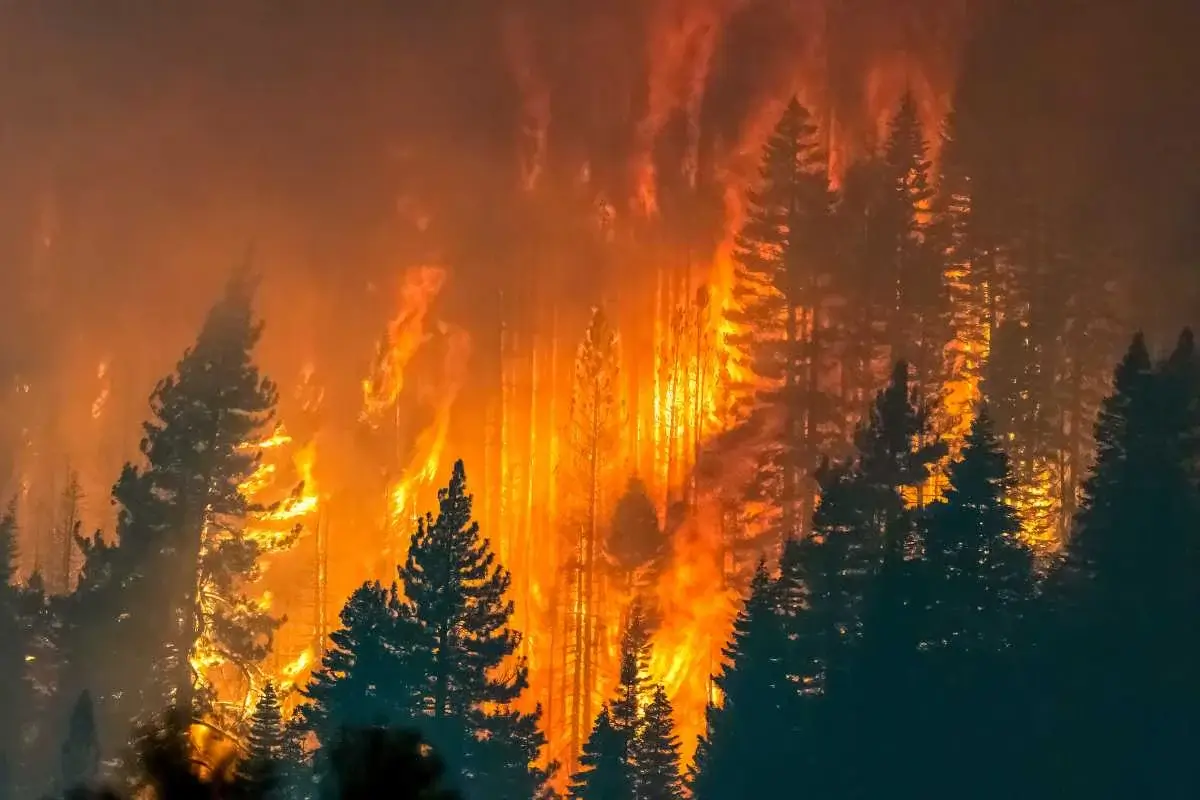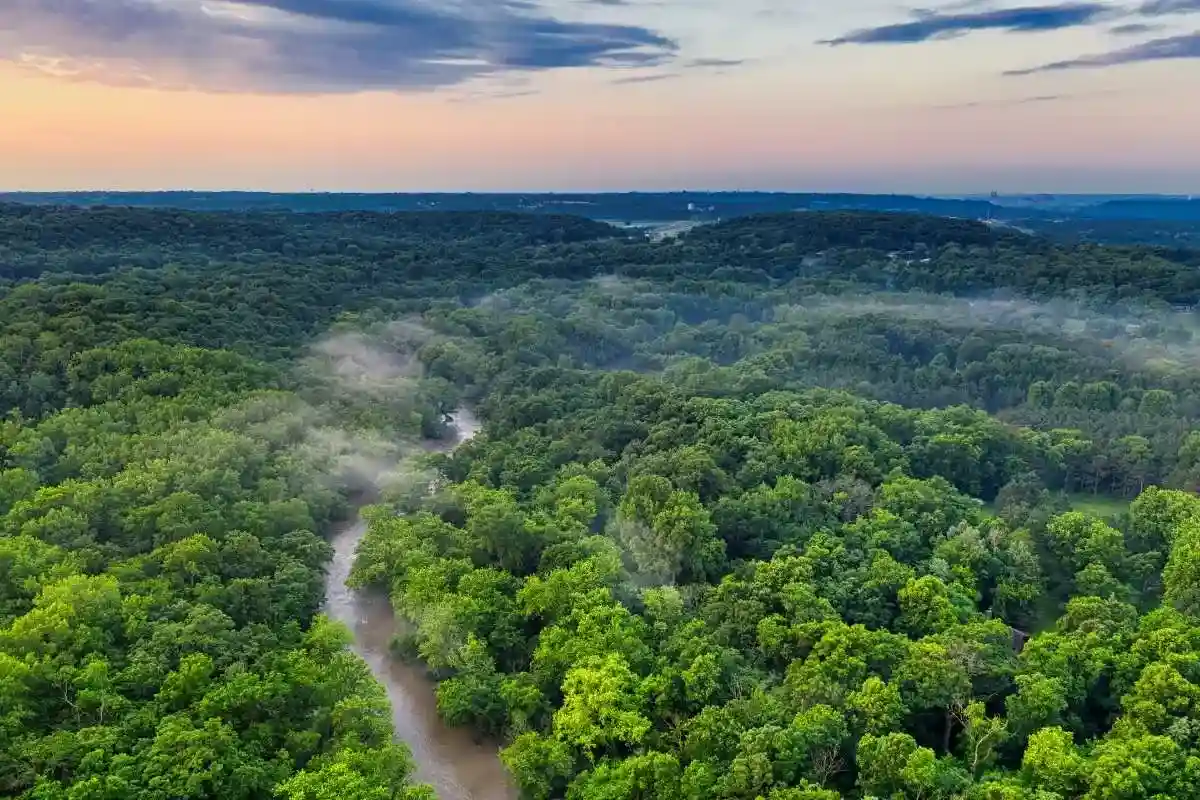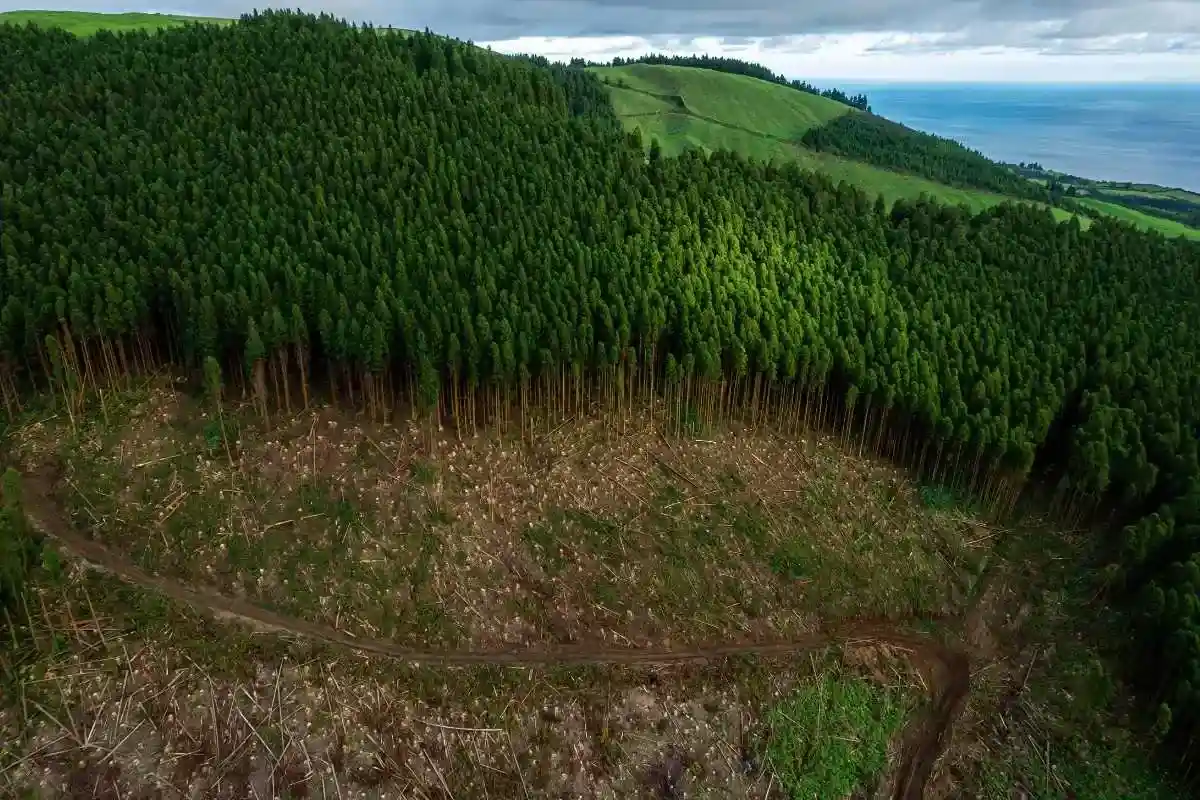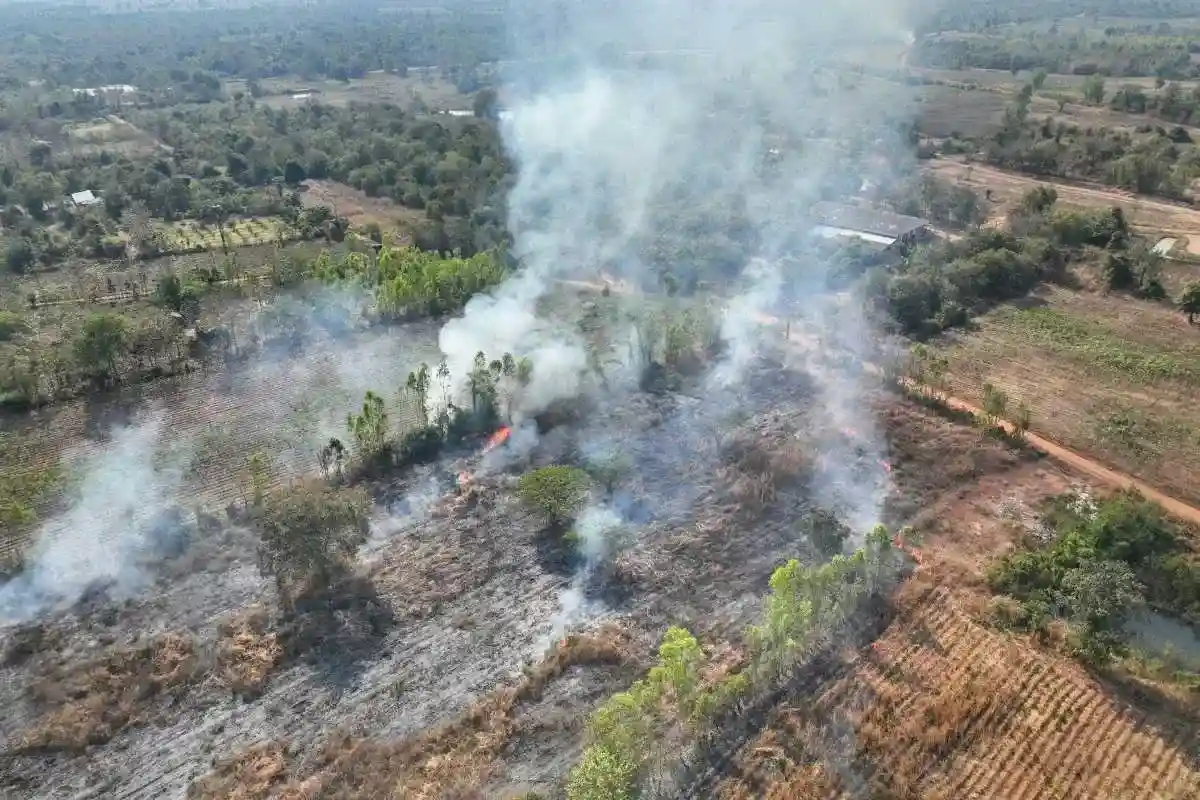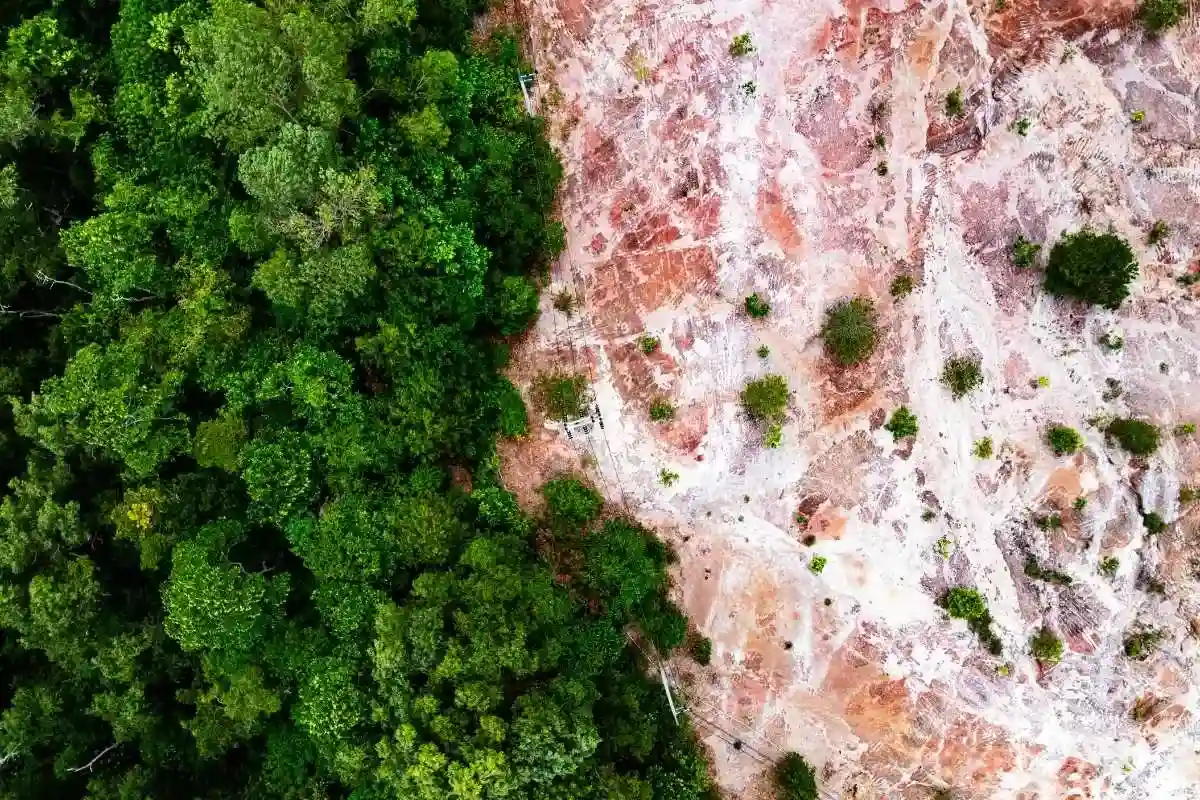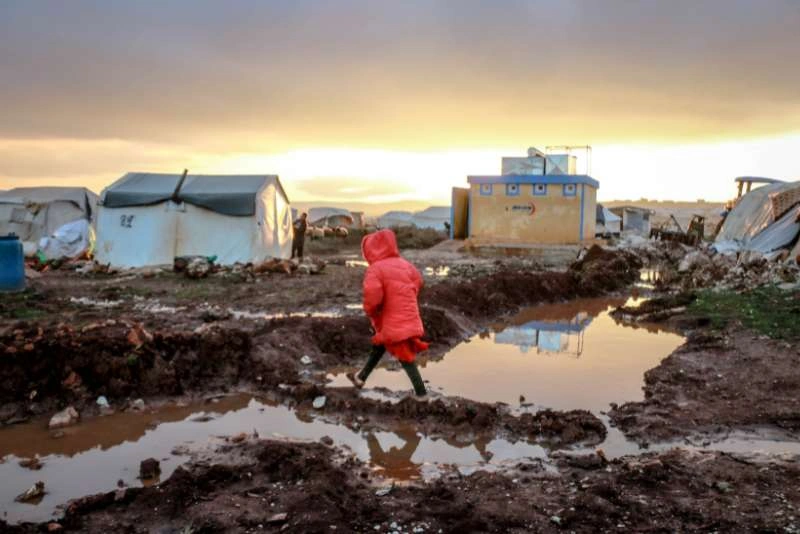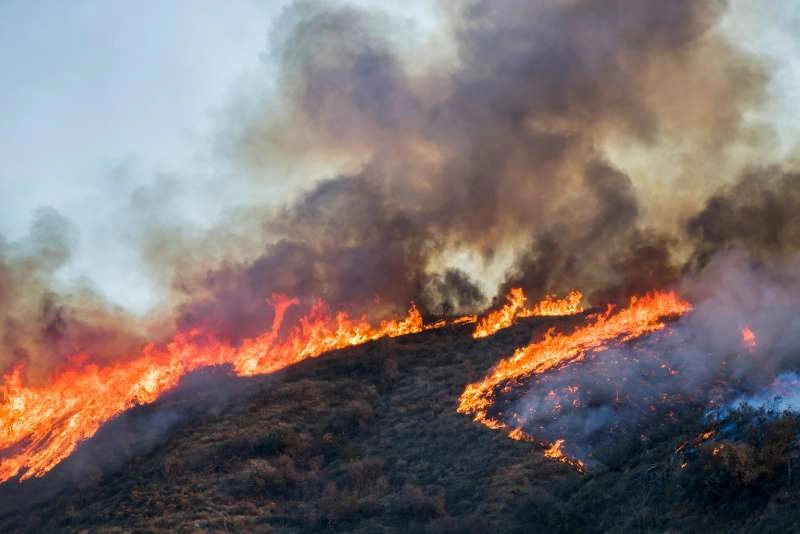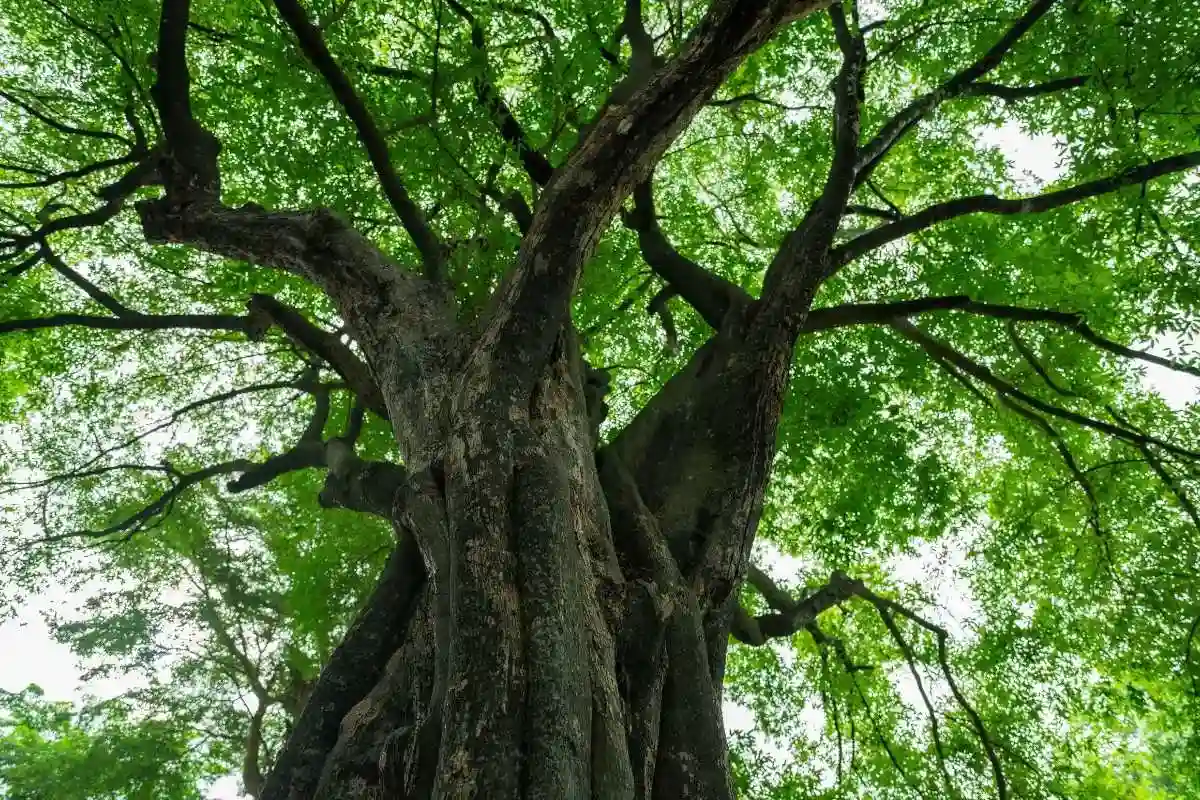
Forests are often called the lungs of our planet because they absorb carbon dioxide and release oxygen, helping to keep Earth’s climate in balance. These vast ecosystems act as natural carbon sinks, storing billions of tons of carbon in trees, plants, and soil. However, when forests are cut down or burned, this process is disrupted. Instead of absorbing carbon, they release it back into the atmosphere, turning from carbon sinks into carbon sources. This shift accelerates climate change, contributing to rising global temperatures, extreme weather, and the loss of biodiversity that sustains life on Earth.
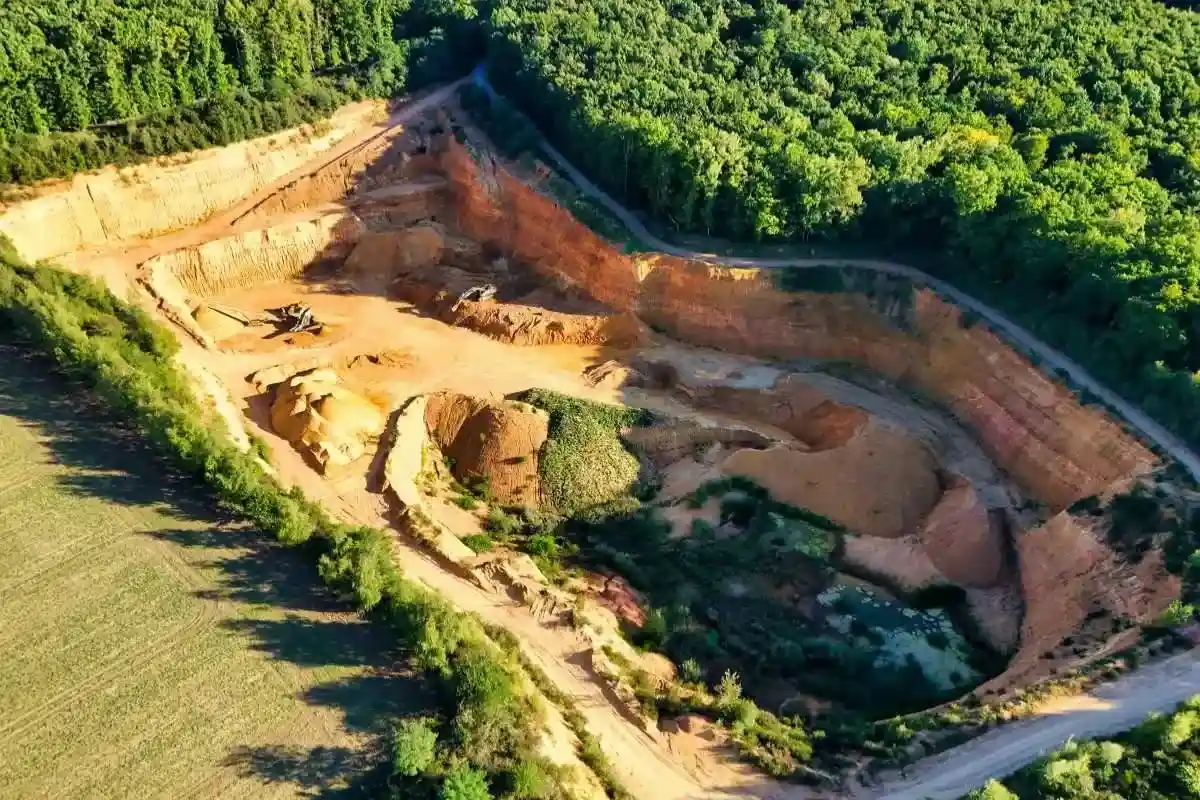
When a forest is cleared, the impact reaches far beyond the loss of trees. Decomposing or burned wood releases stored carbon, while the absence of a tree canopy leads to higher soil temperatures, erosion, and reduced moisture retention. These changes harm nearby ecosystems, disrupt rainfall patterns, and weaken nature’s ability to absorb greenhouse gases. The consequences ripple across the planet, affecting agriculture, water cycles, and even the stability of local and global climates. Protecting forests is a critical step in maintaining a livable planet for all.
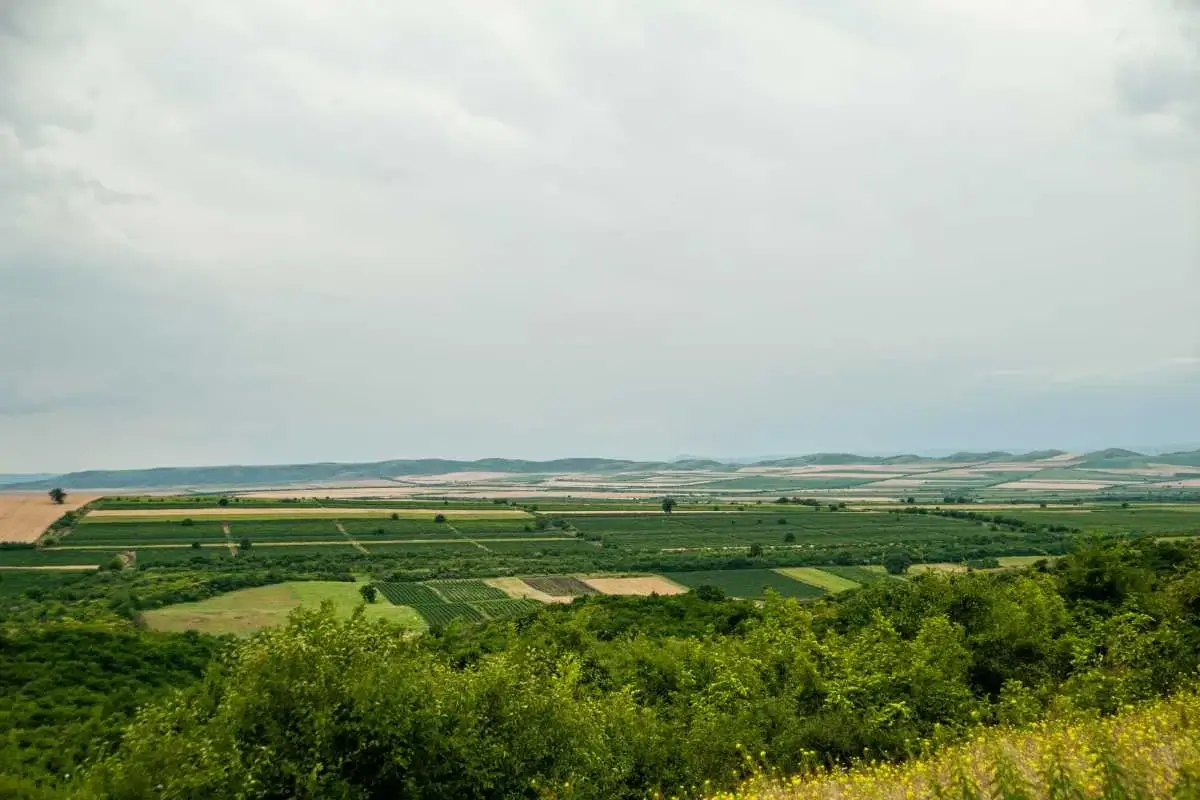
Efforts to reverse these trends depend on strong environmental policies, innovation, and global cooperation. Governments, organizations, and local communities can work together to reduce deforestation, restore degraded lands, and promote sustainable forestry practices. Technology can also play an important role, helping to monitor forests using satellites, detect illegal logging, and improve resource management. Reforestation, agroforestry, and sustainable land use practices can rebuild carbon storage and restore ecosystems that have been damaged by decades of exploitation.
What happens to the planet when forests stop absorbing carbon dioxide and start releasing it instead? How can deforestation be reduced through better laws, sustainable land management, and community-led conservation efforts? What role can technology play in monitoring forest loss and promoting restoration? How can international cooperation and fair trade policies help protect forests in developing regions? What economic incentives could encourage reforestation and sustainable forestry? How can individuals make a difference by supporting responsible products, reducing waste, and protecting natural habitats? Reflect on how the health of our forests directly affects the stability of our climate and the well-being of all living things.
Use the online submission form when sending your articles to help us track all of your submissions. Please try to write about the above topic. Your response should be at least 1,000 words.
To receive credit, your effort is what matters. You should find ways to contribute thoughtful ideas that will help others. Feel free to use personal stories or other information that you want to share, but do not use real names or other identifying information. You may write your response in the space provided or upload your response. Once we review your response, you will receive credit.
Click the button below to submit your article and get your credit.


Membership Email:
Verification Status: