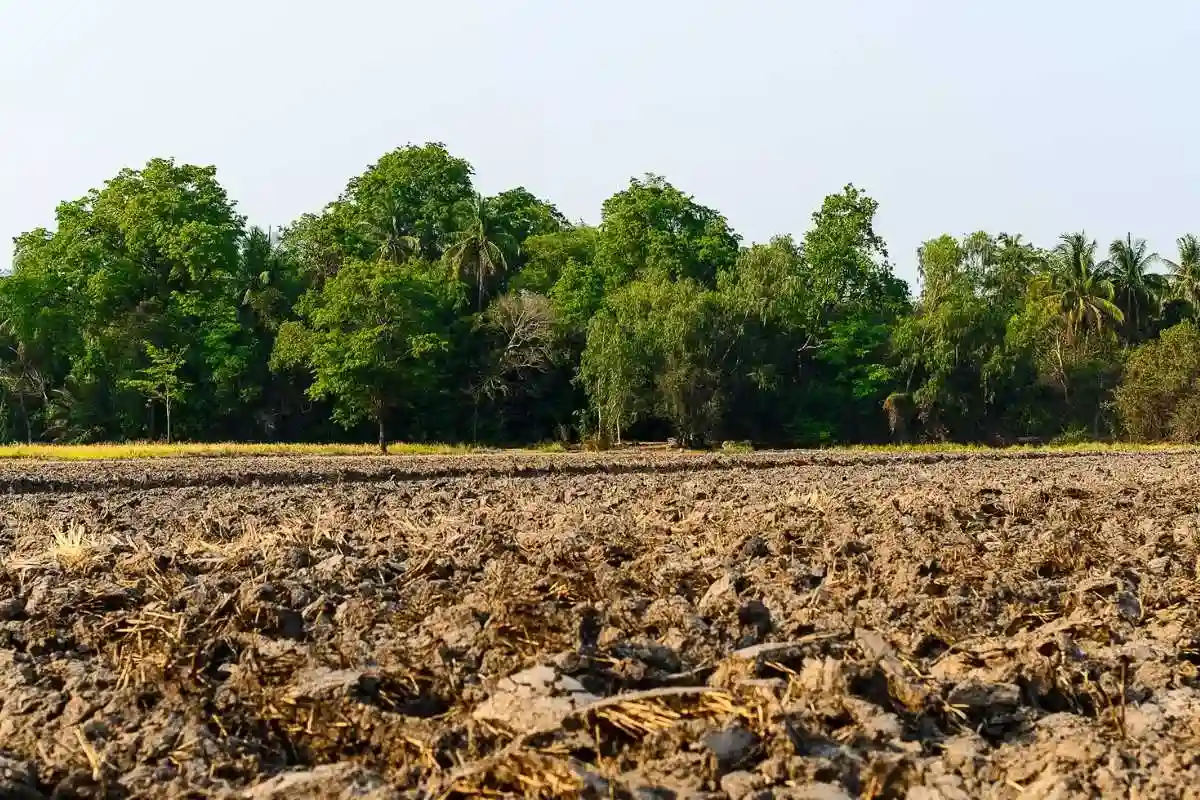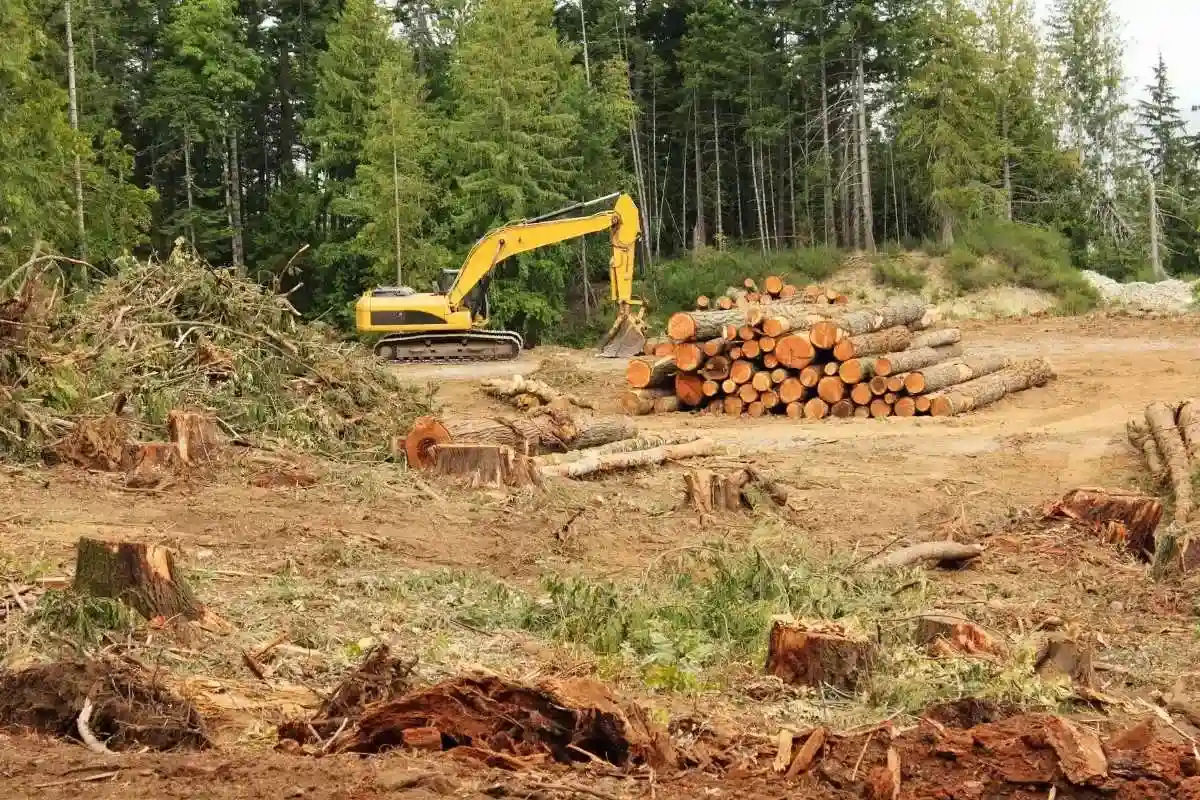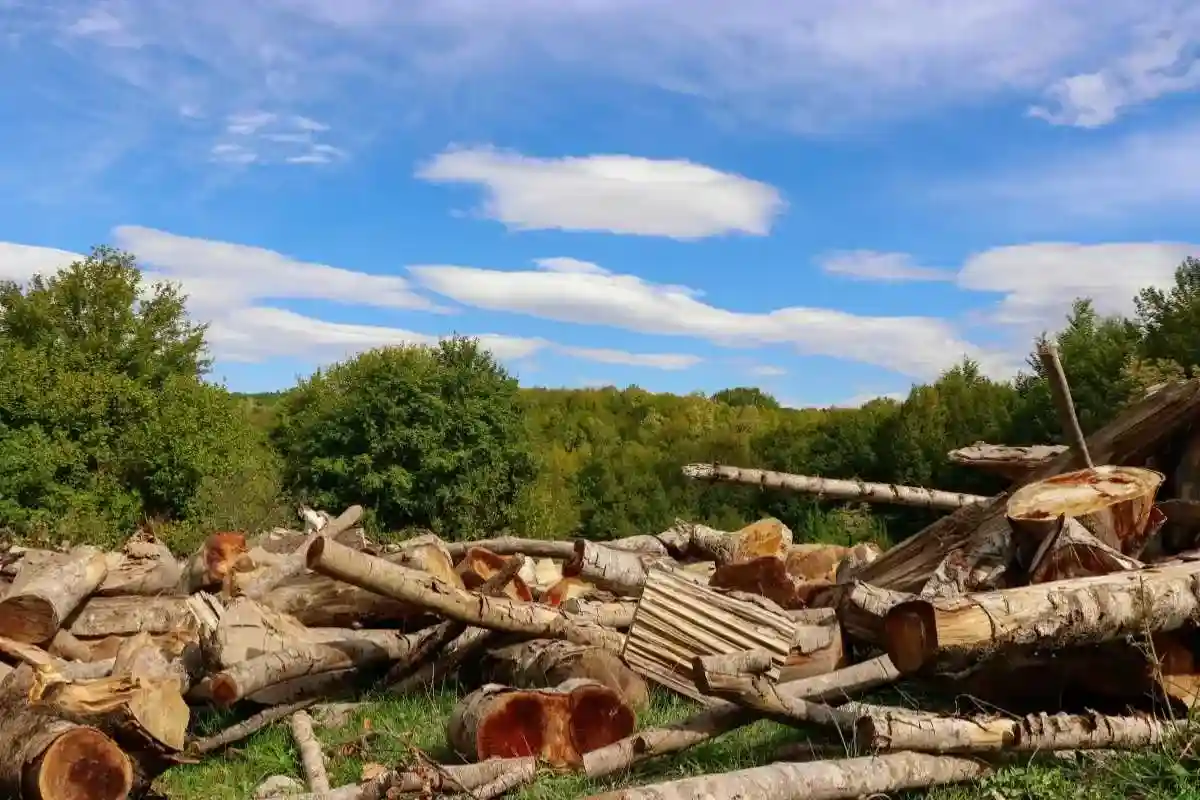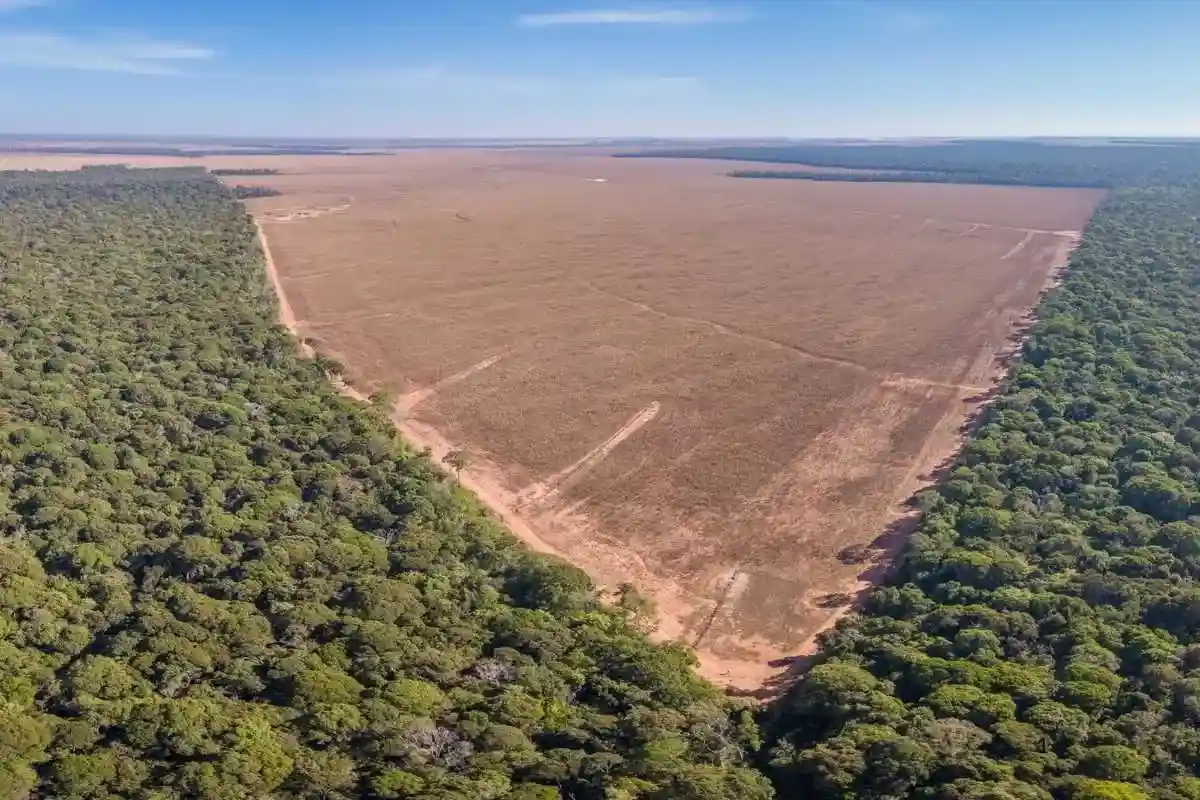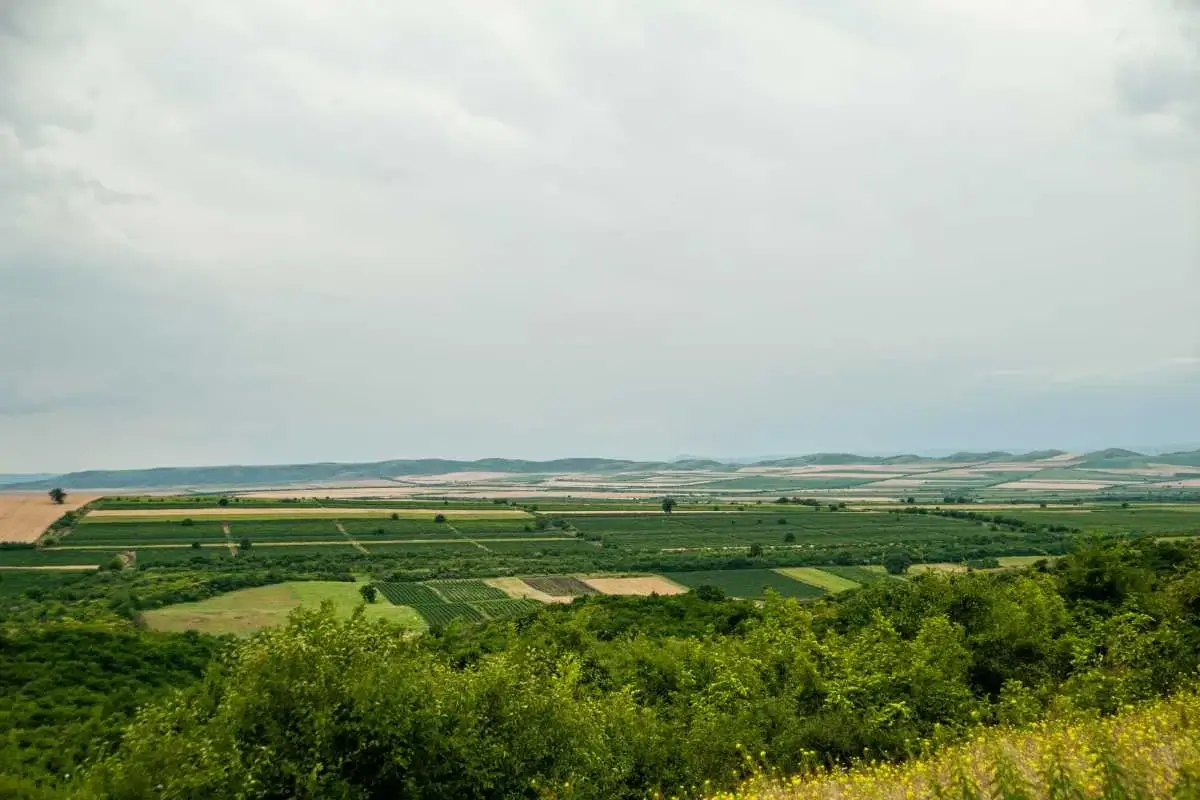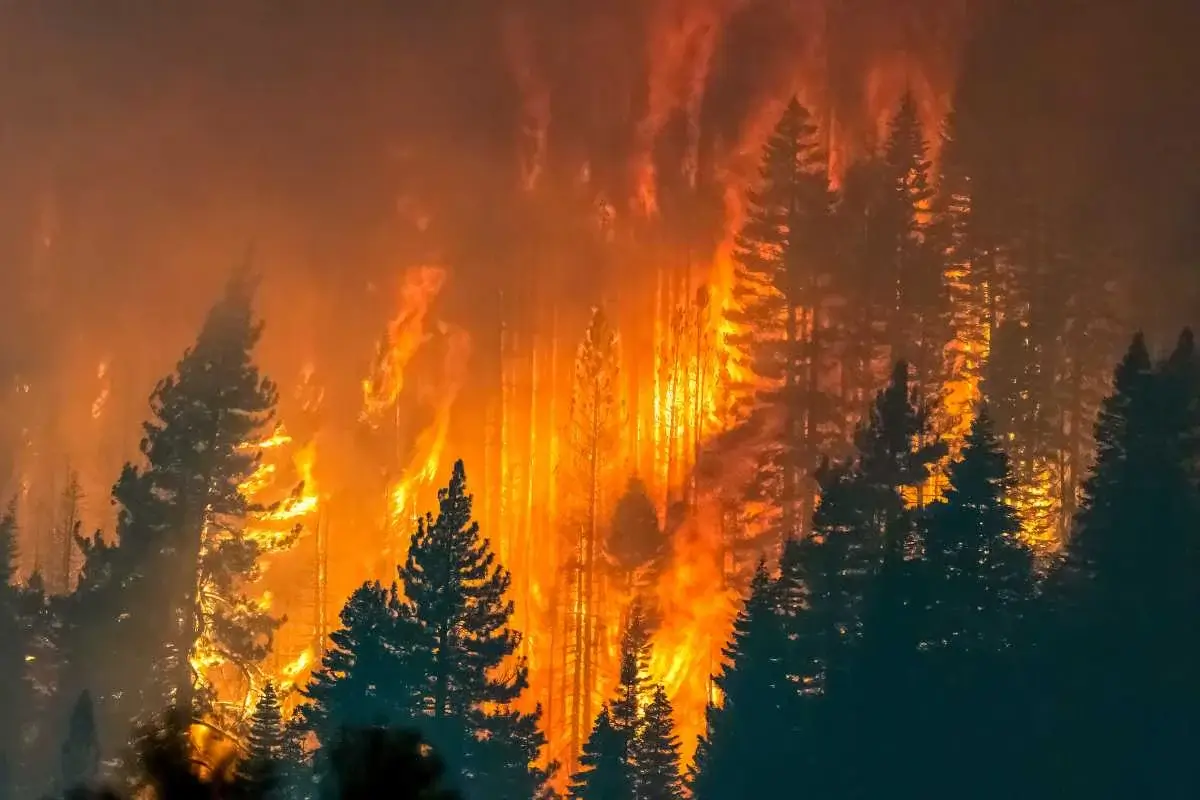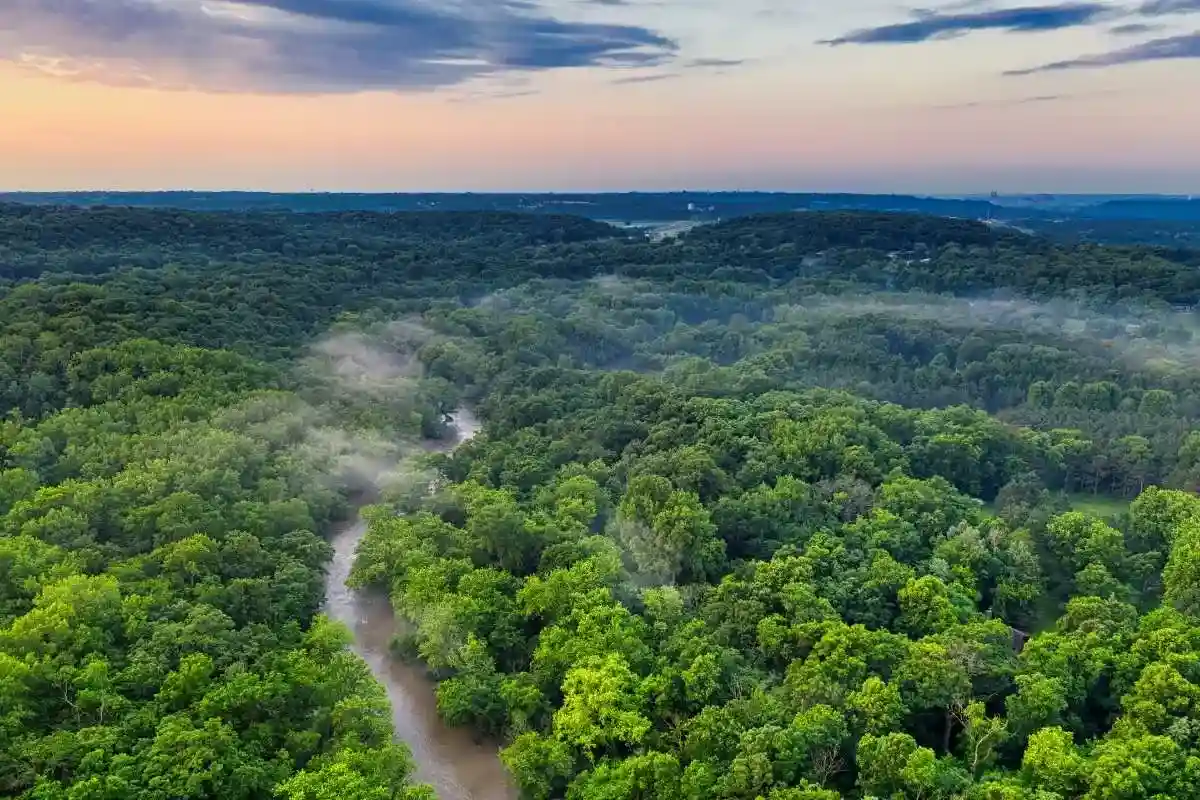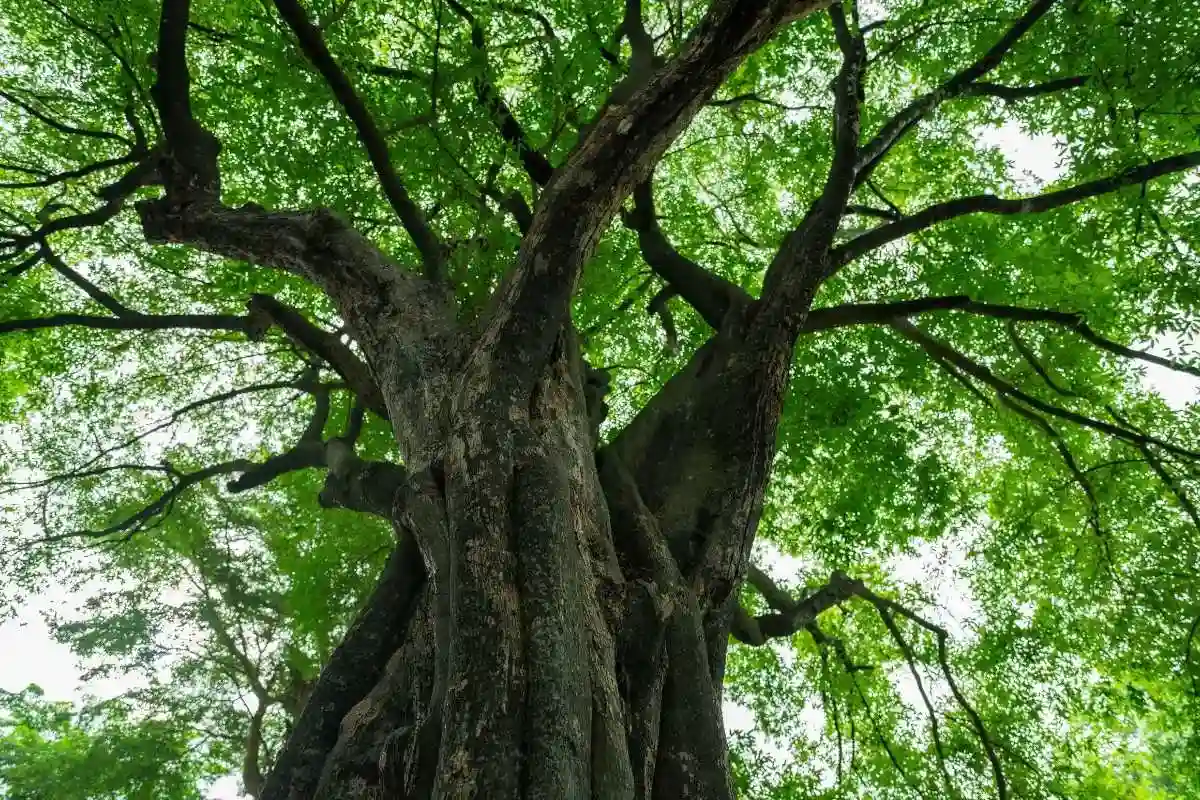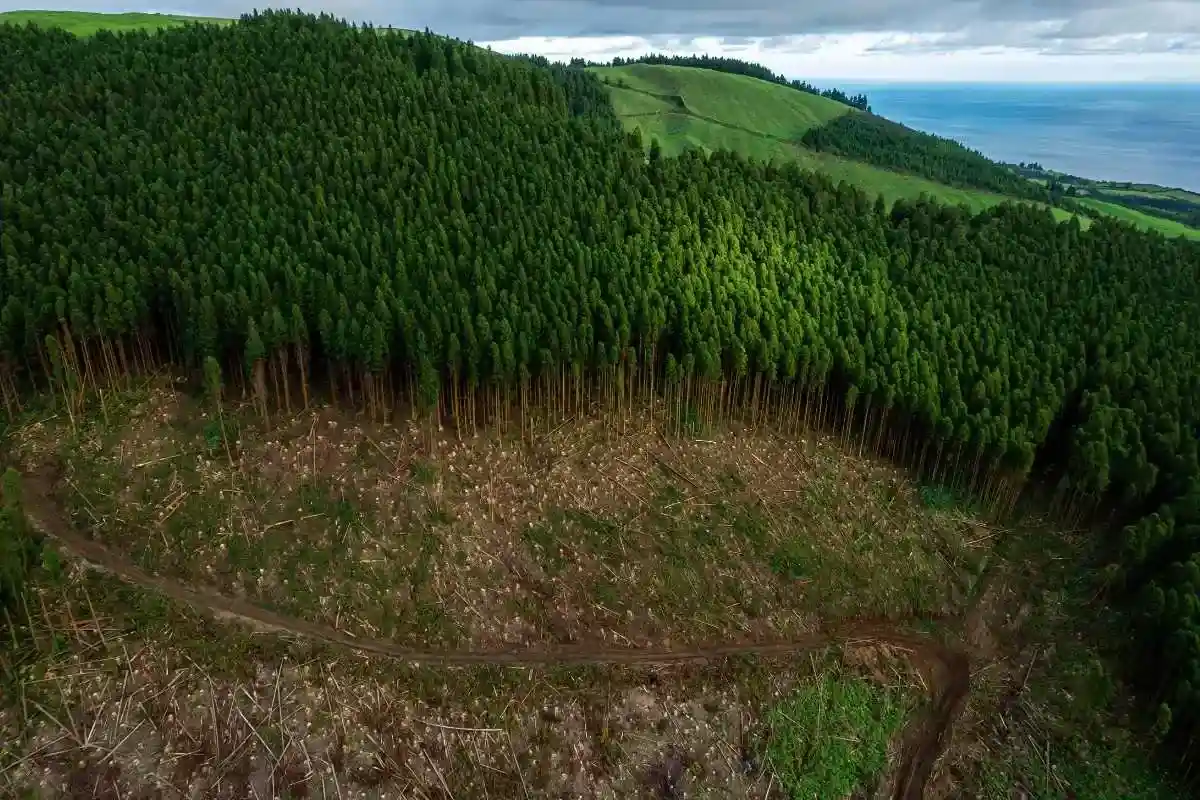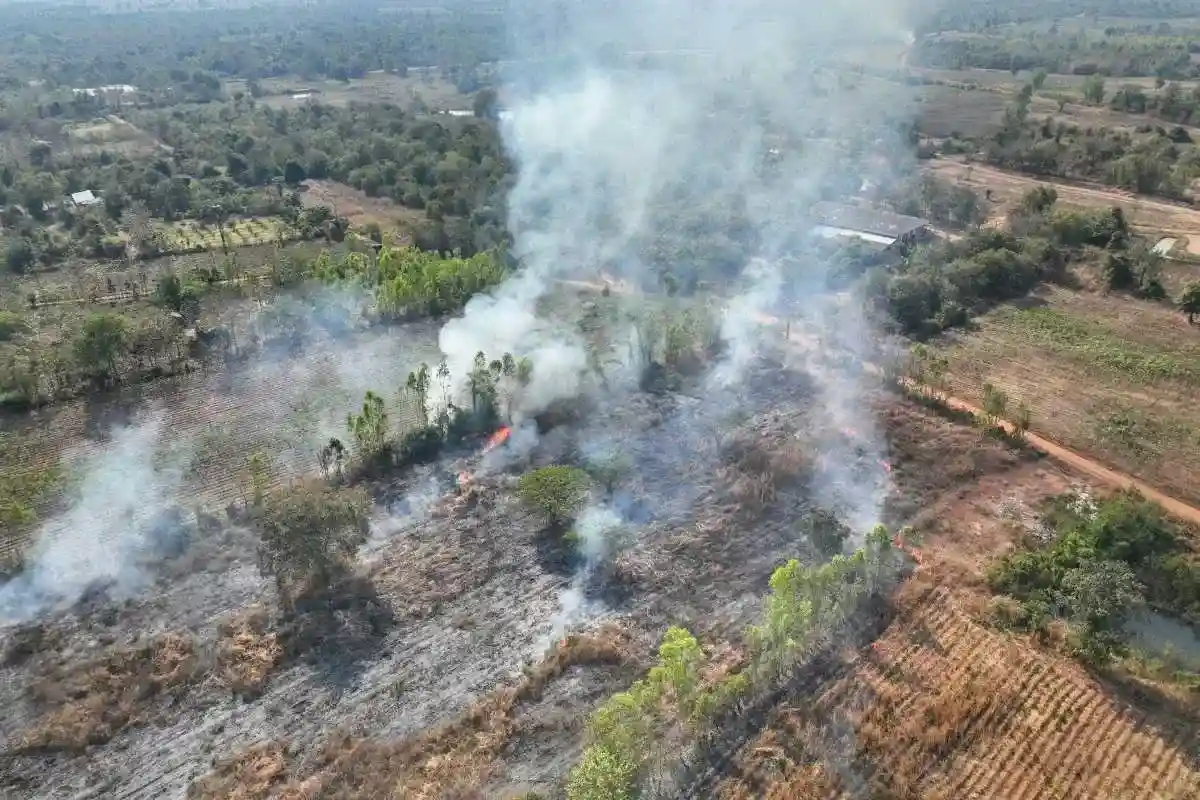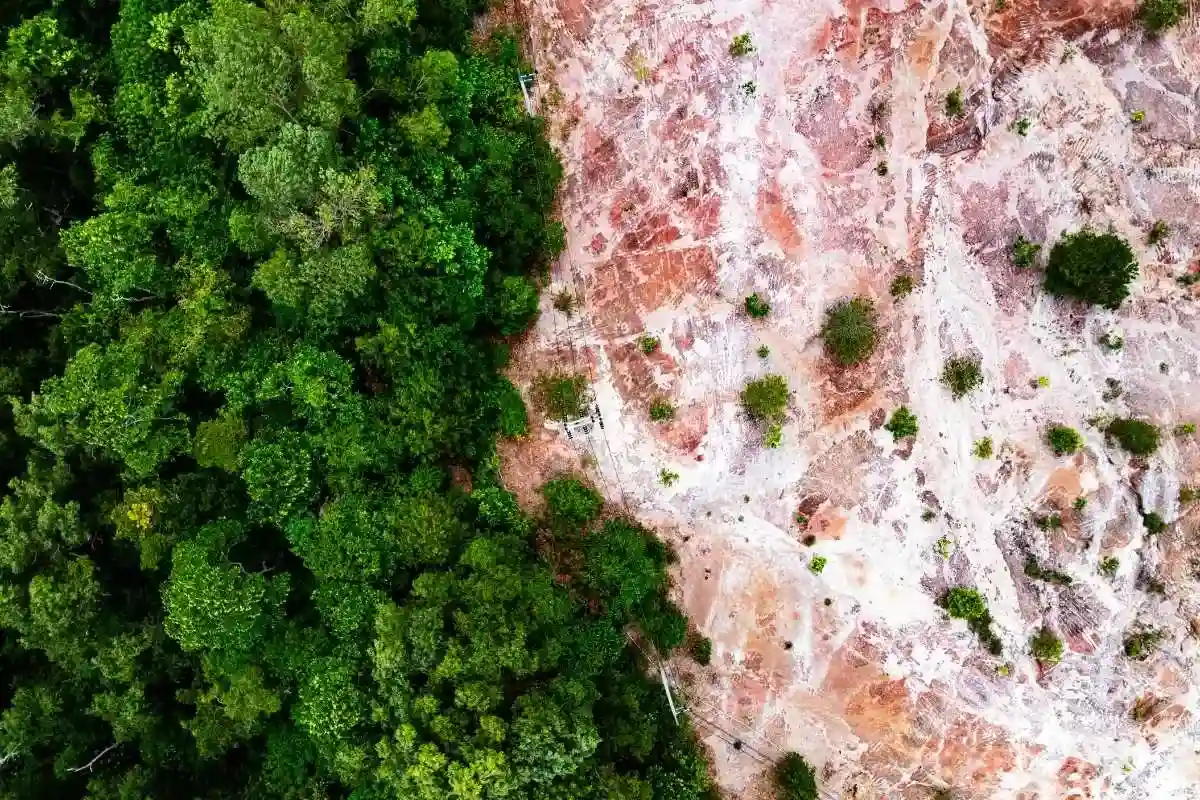
The intentional destruction of tropical forests, often driven by economic activities such as logging, mining, and agriculture, has devastating consequences for both the environment and human societies. These forests are home to an incredible range of biodiversity, provide essential ecosystem services, and play a key role in stabilizing the global climate. When they are cleared, the loss goes far beyond trees as it affects the balance of life that sustains our planet. The removal of forests releases large amounts of carbon dioxide into the atmosphere, accelerating global warming and disrupting weather patterns around the world.
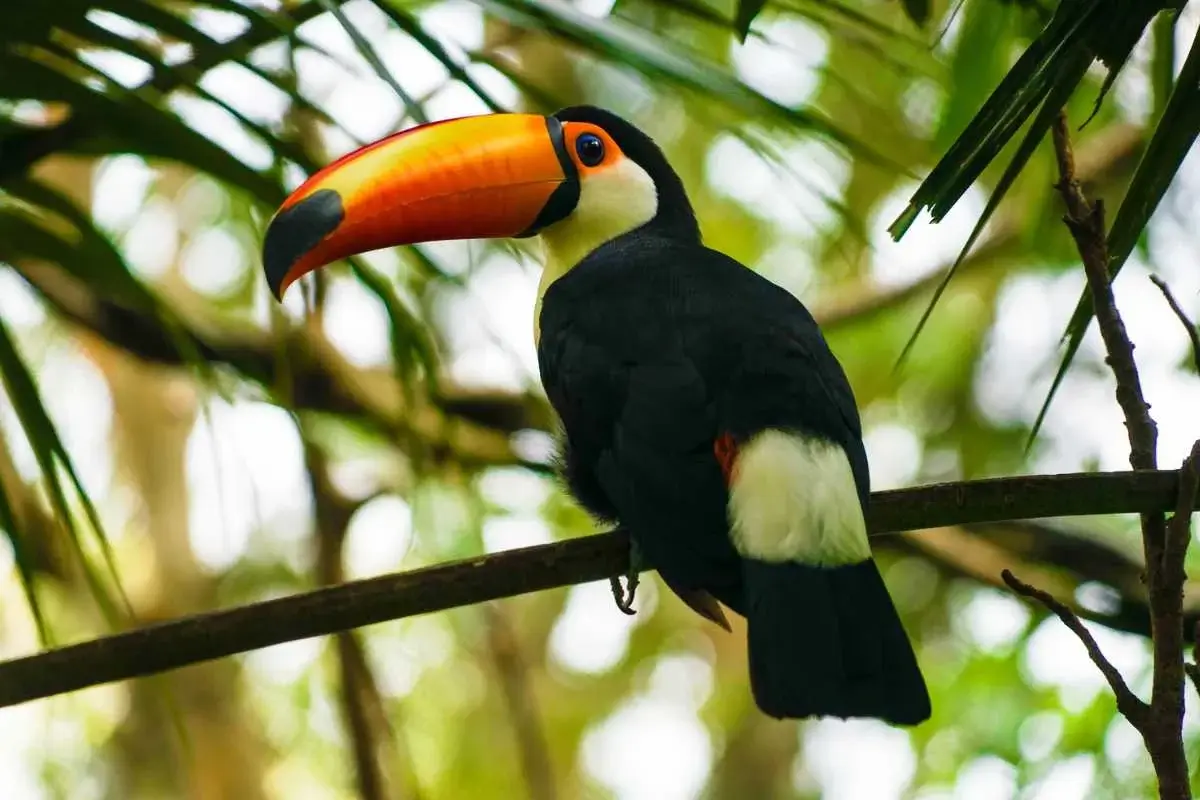
The impact on biodiversity is equally severe. Countless species lose their homes, leading to population declines and extinction. The destruction of habitats also breaks important ecological connections that maintain soil fertility, water cycles, and pollination. Indigenous peoples who depend on tropical forests for food, medicine, and cultural identity face the loss of their traditional lands and ways of life. This creates both environmental and social crises that are deeply interconnected.
Preventing further forest loss requires global cooperation and sustainable alternatives. Governments and industries must promote responsible land use, enforce anti-logging laws, and invest in reforestation projects. Consumers can also contribute by supporting products that come from certified sustainable sources and by advocating for stronger environmental protections. By taking action, we can preserve the health of tropical forests and the life they sustain.
How does the intentional destruction of tropical forests affect the planet’s climate, biodiversity, and indigenous communities? What sustainable alternatives and policies could reduce the need for large-scale deforestation? How can individuals, governments, and organizations work together to protect these vital ecosystems for the future?
Use the online submission form when sending your articles to help us track all of your submissions. Please try to write about the above topic. Your response should be at least 1,000 words.
To receive credit, your effort is what matters. You should find ways to contribute thoughtful ideas that will help others. Feel free to use personal stories or other information that you want to share, but do not use real names or other identifying information. You may write your response in the space provided or upload your response. Once we review your response, you will receive credit.
Click the button below to submit your article and get your credit.


Membership Email:
Verification Status: