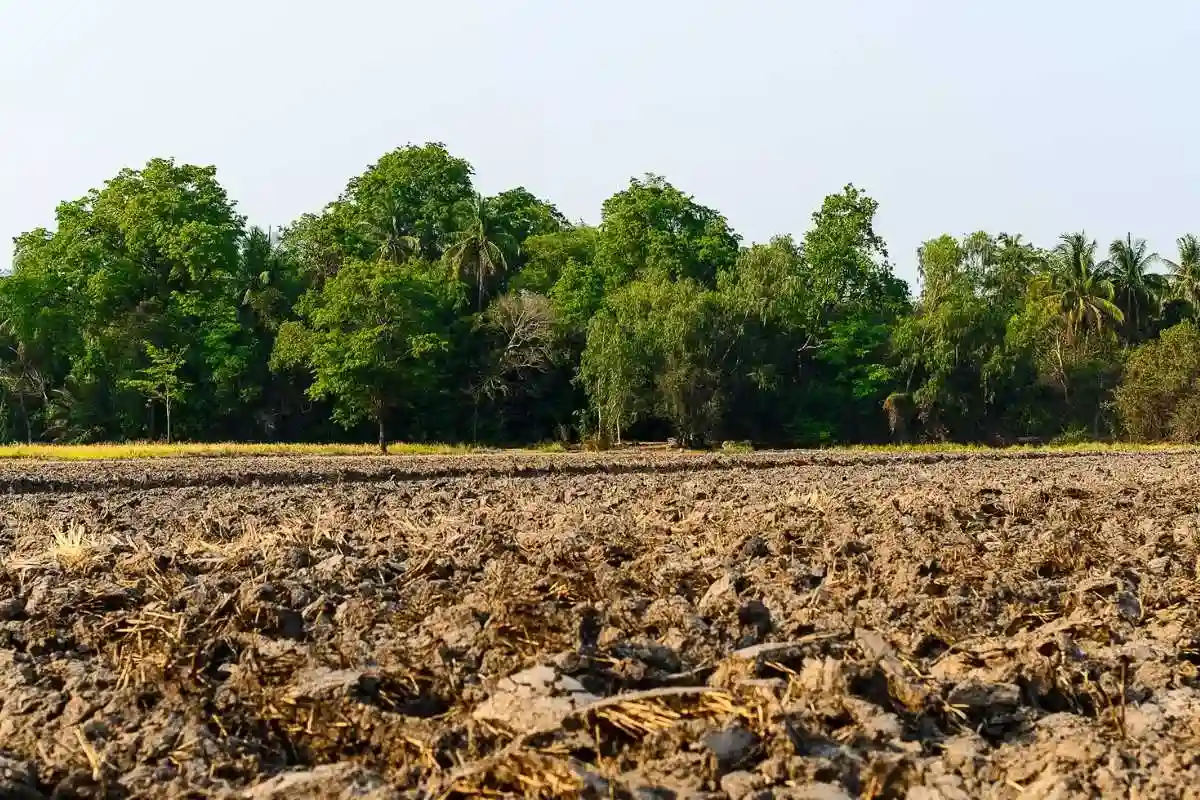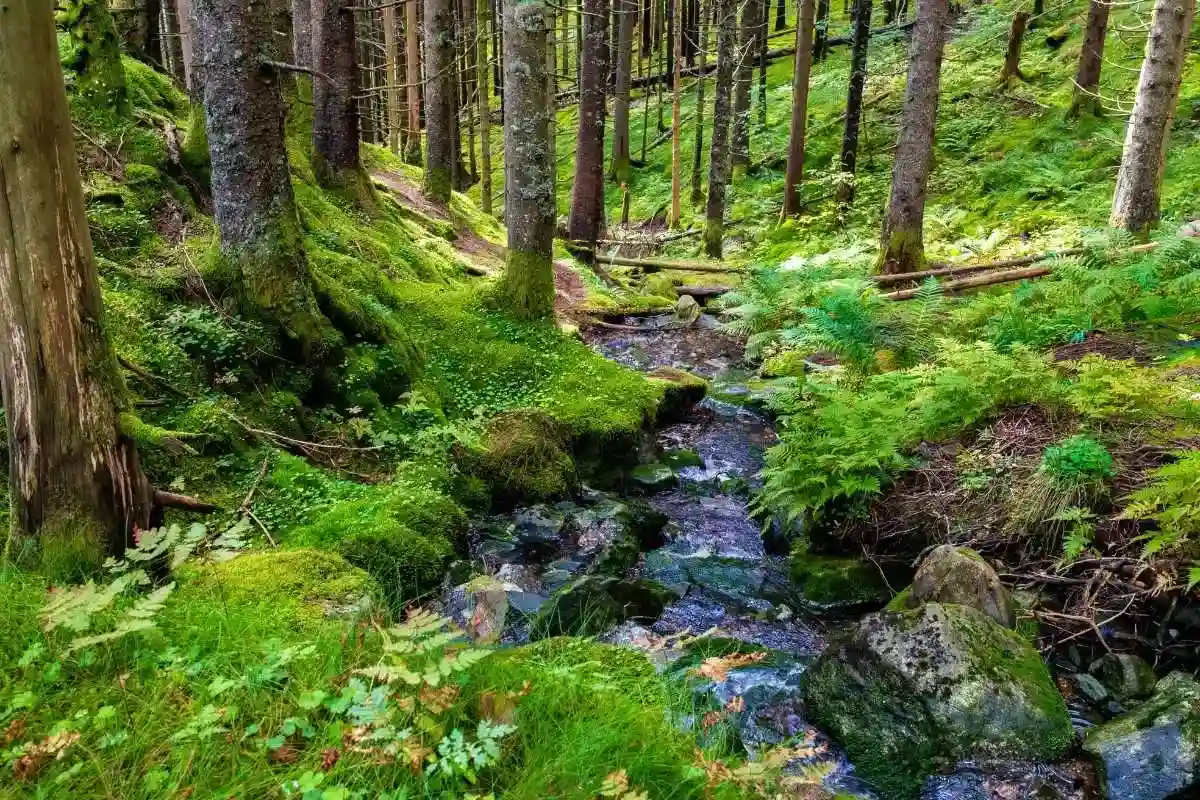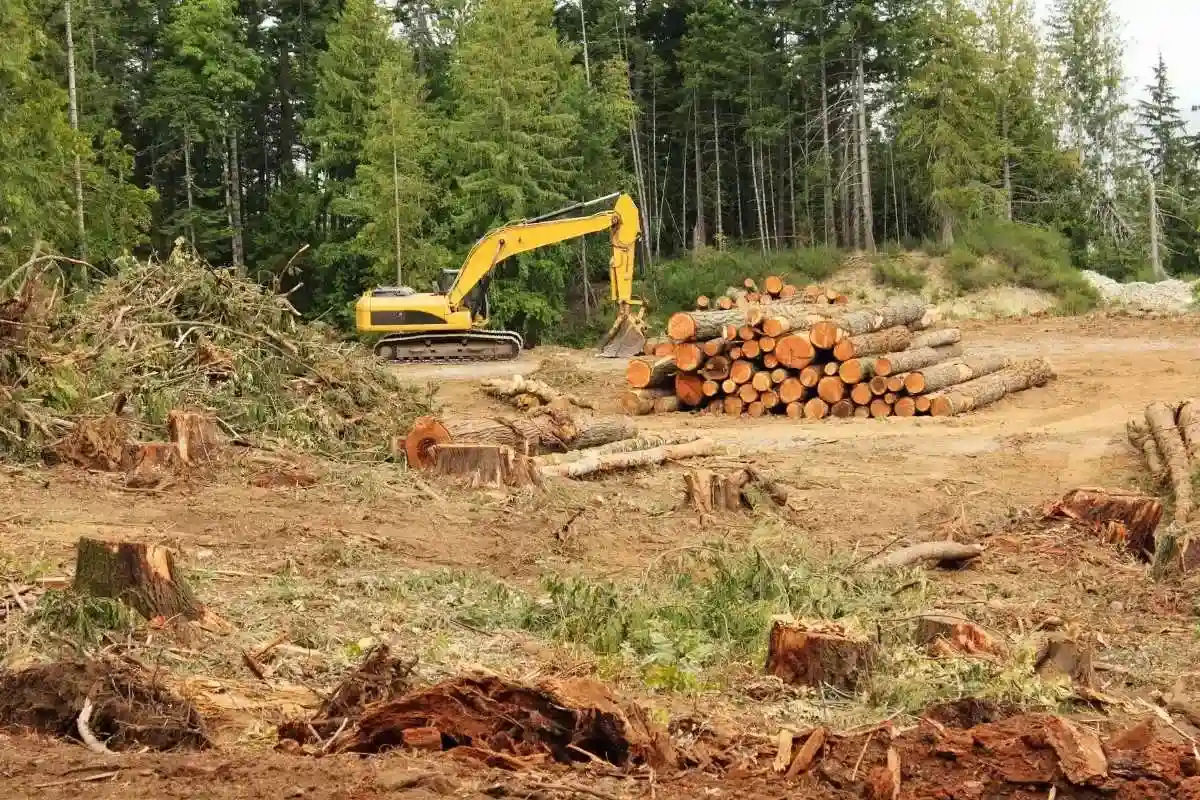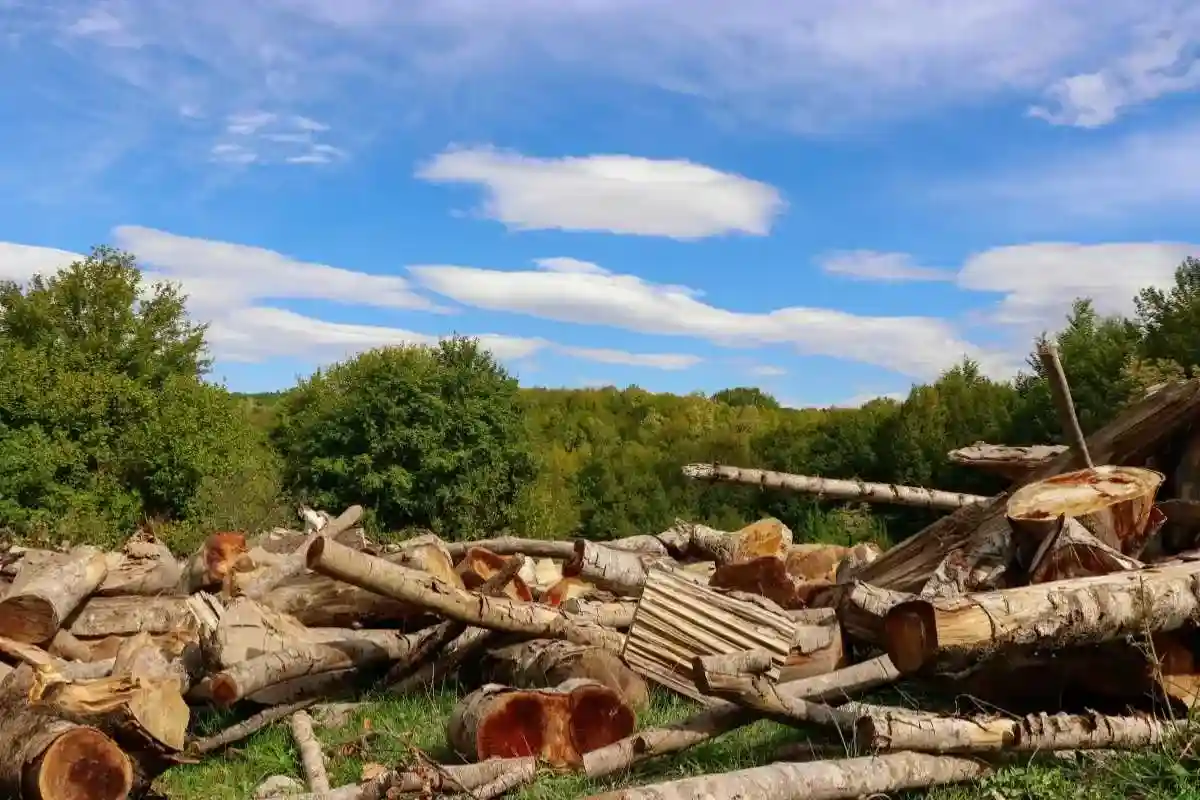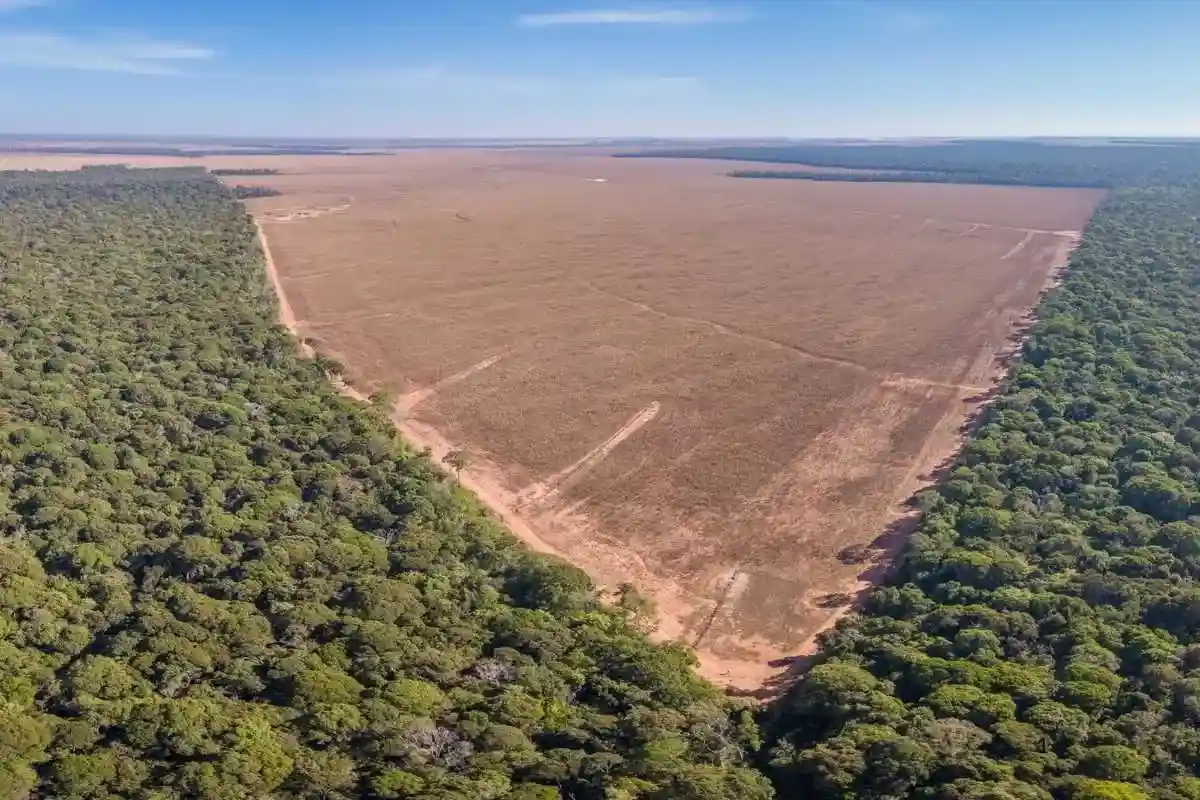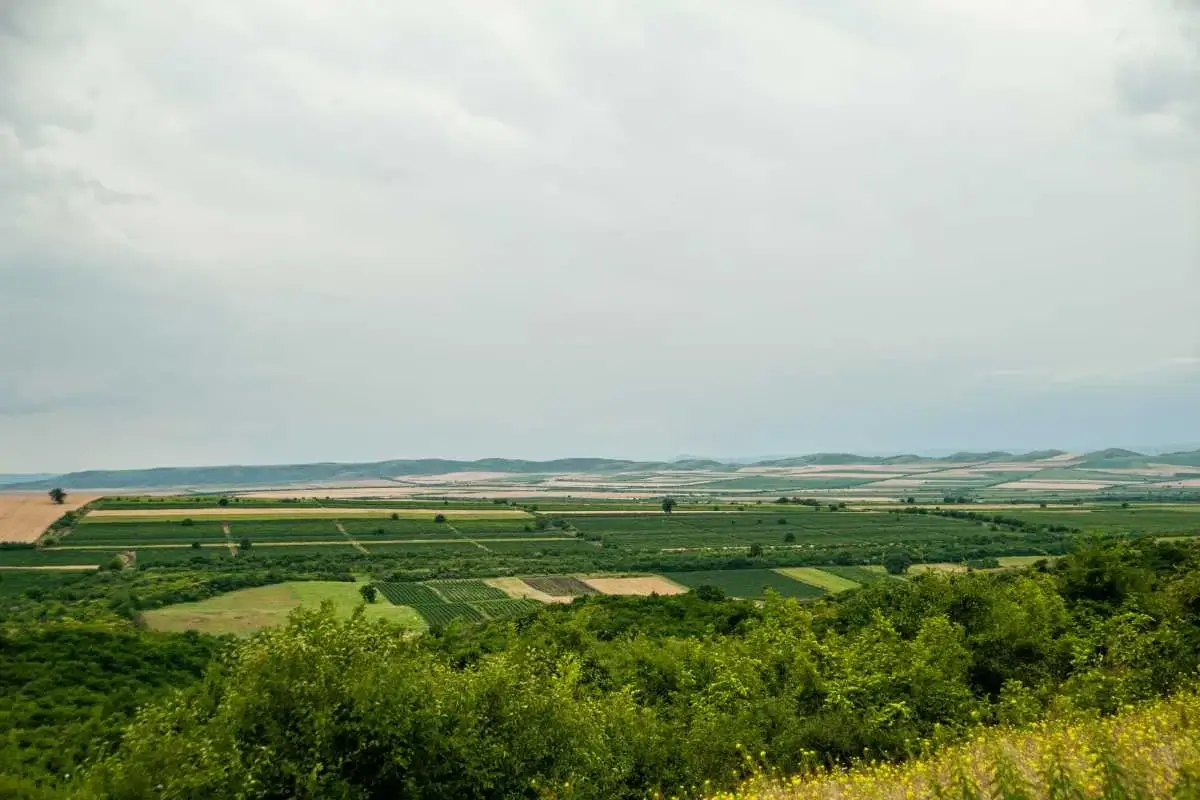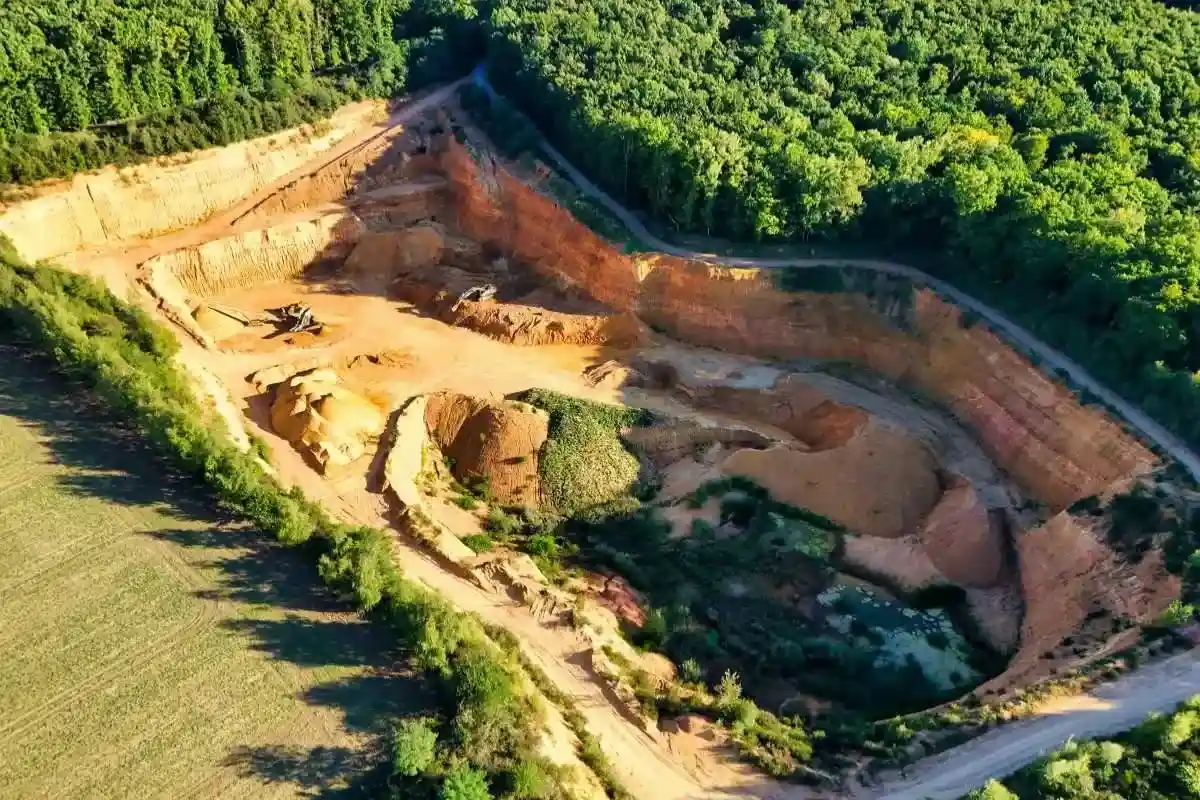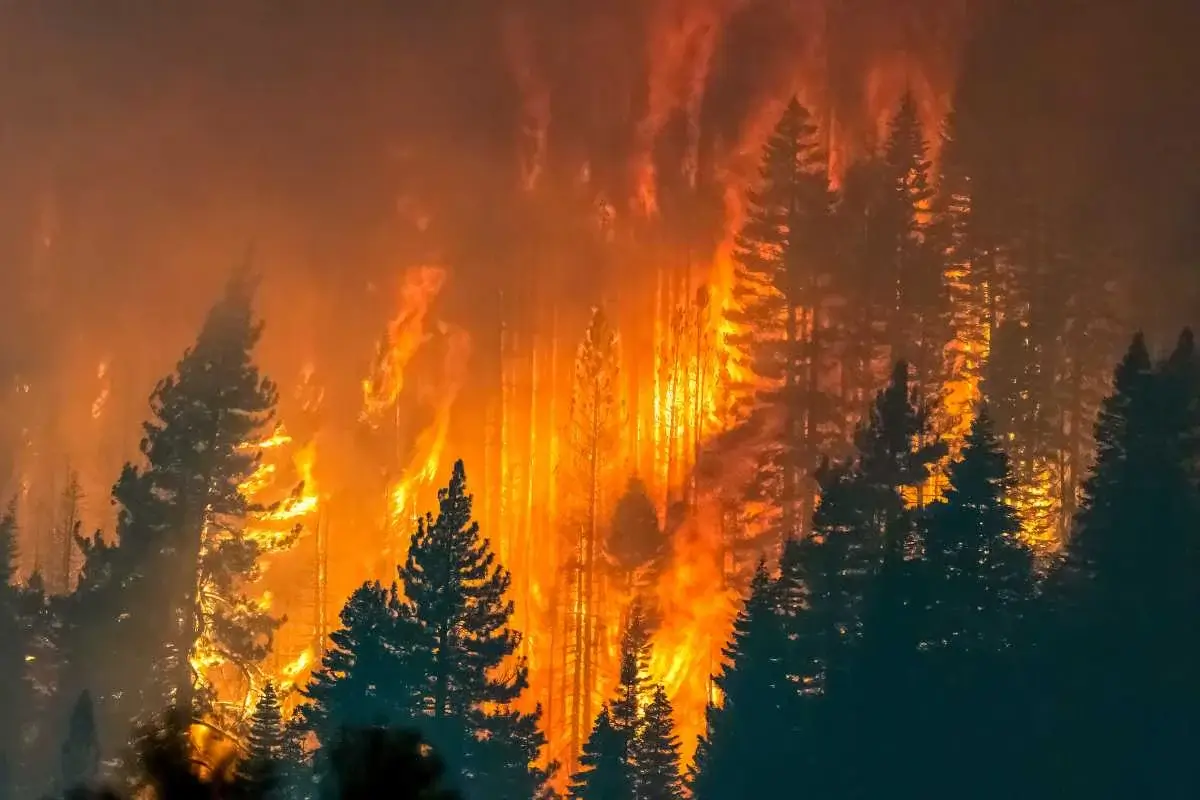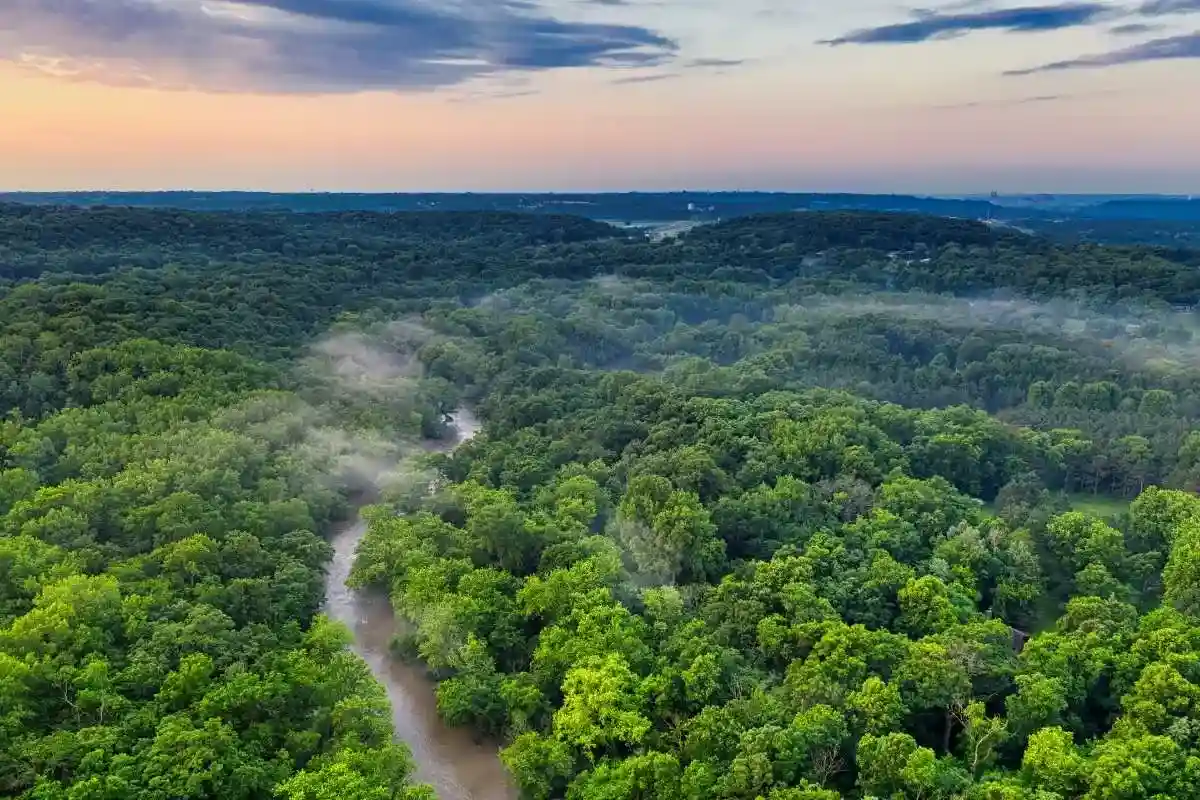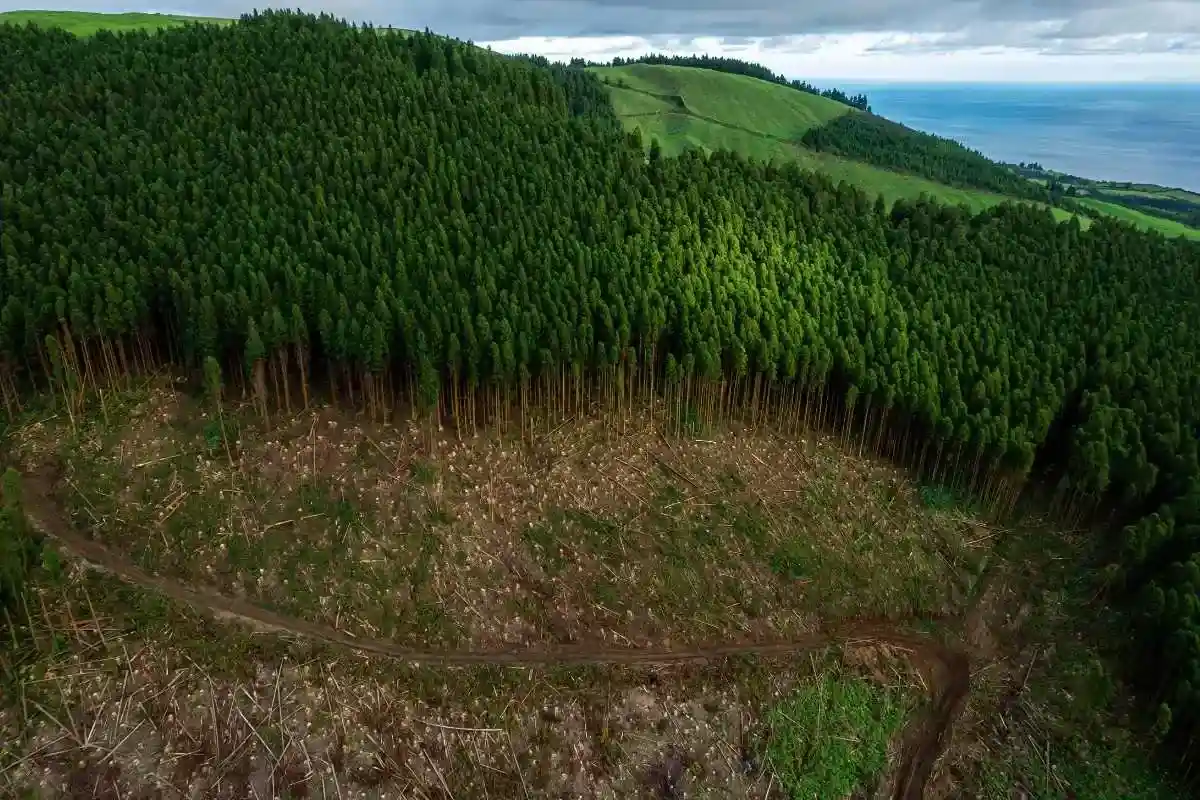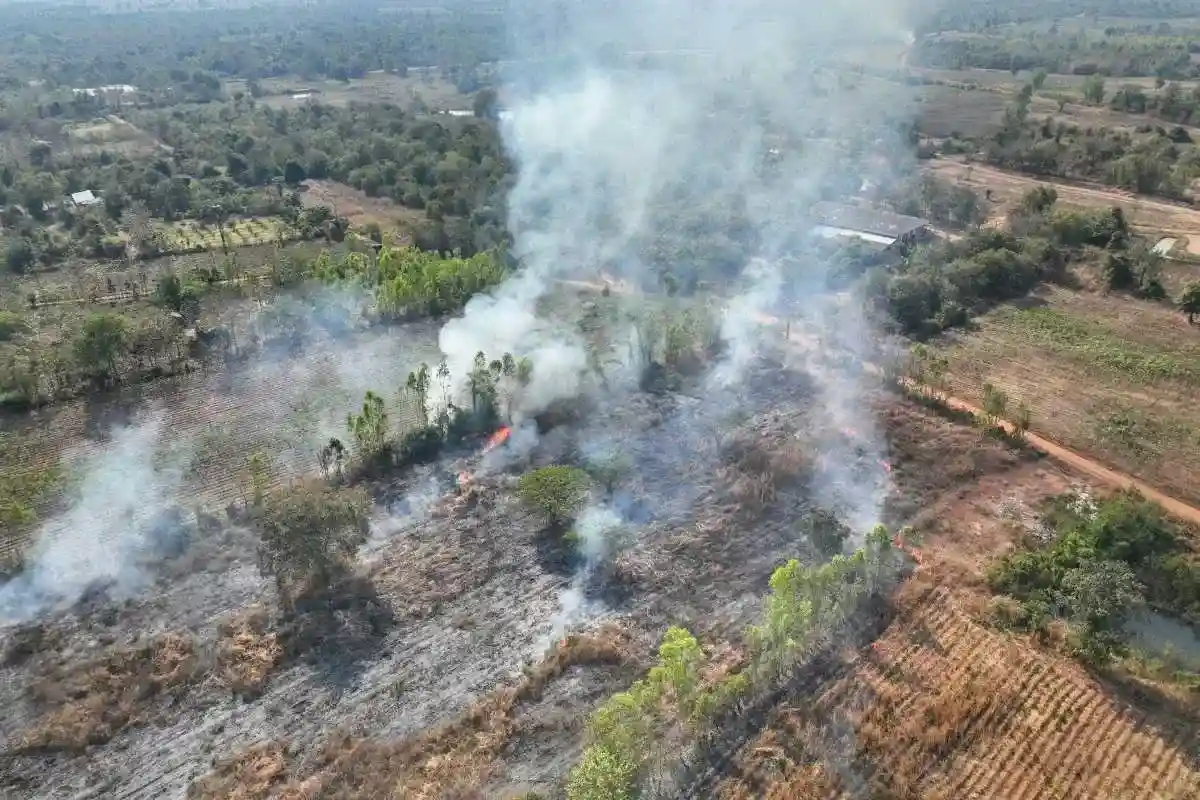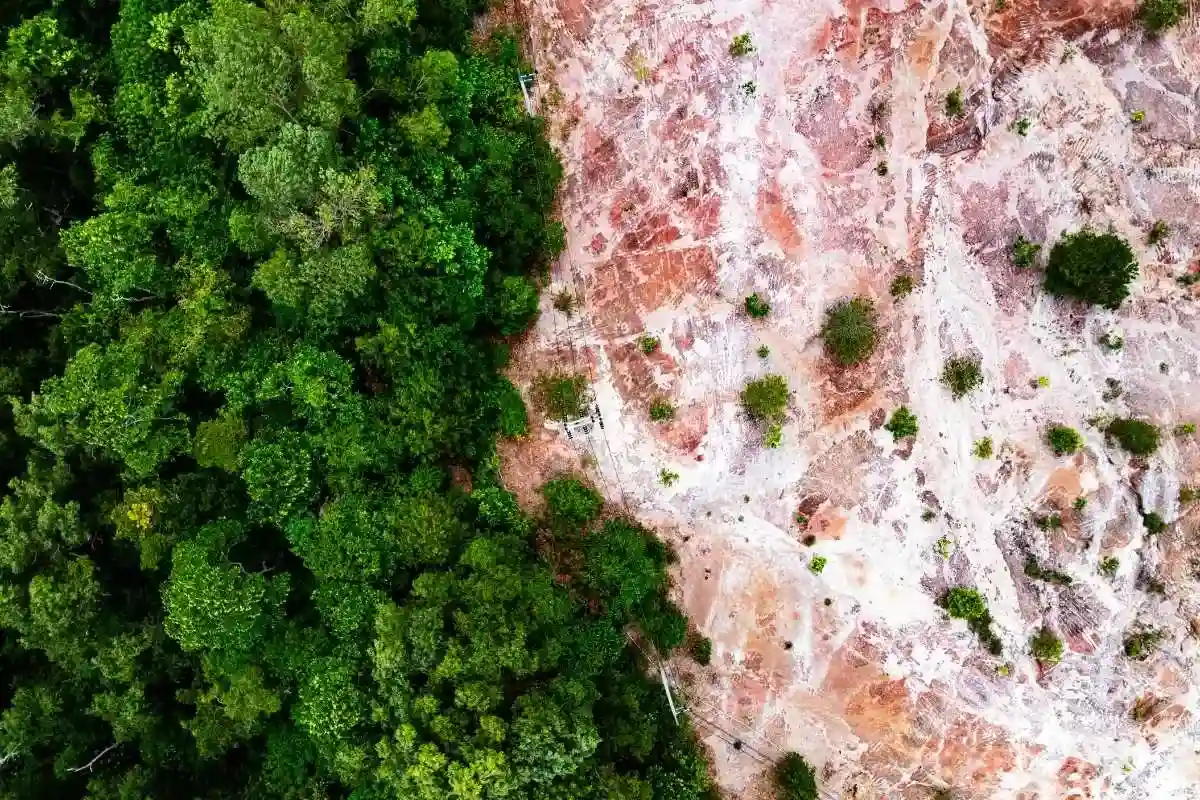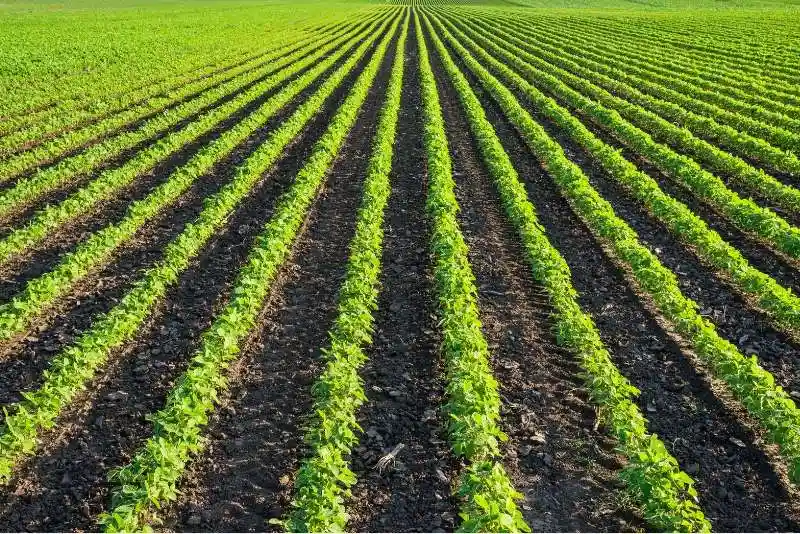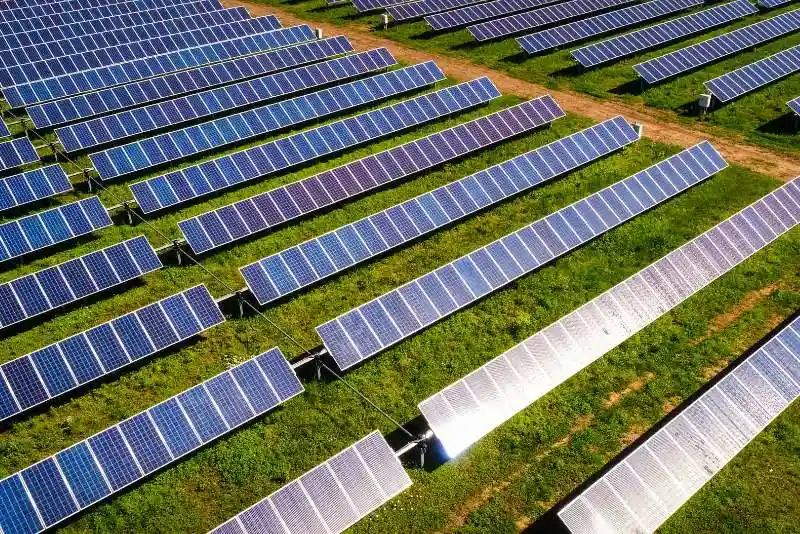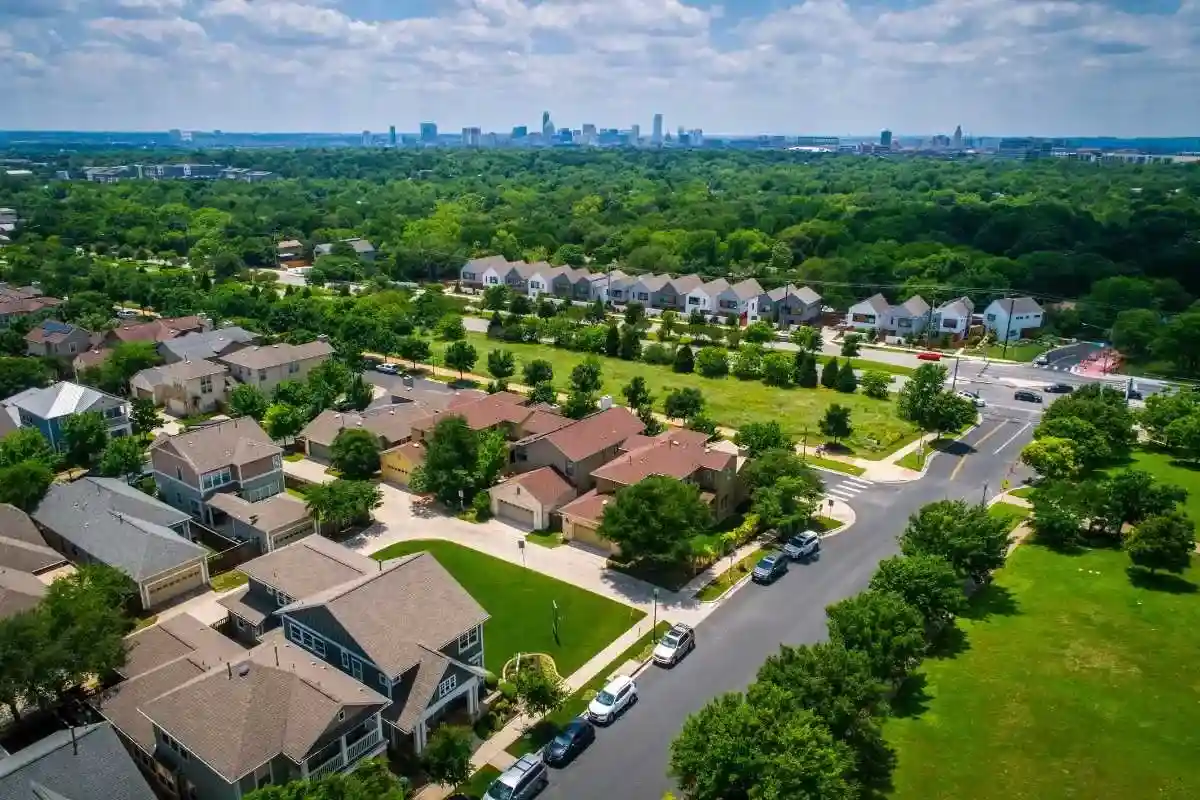
As cities continue to expand, they often push into forested regions, leading to widespread deforestation and the loss of vital ecosystems. Urbanization typically involves clearing land to build housing, infrastructure, and industries to support growing populations. While city growth can bring economic opportunity and improved living standards, it often comes at a high environmental cost. Forests, which regulate the climate, provide clean air, and support biodiversity, are frequently sacrificed for development. This not only disrupts local habitats but also contributes to global challenges such as rising carbon emissions and loss of species diversity.
Managing urban growth in ways that protect forests is one of the most pressing sustainability challenges of our time. Effective urban planning can help cities grow responsibly by prioritizing green spaces, developing vertically rather than horizontally, and preserving natural landscapes. Encouraging compact urban design, investing in public transportation, and promoting the use of existing urban land instead of clearing new areas are all strategies that reduce pressure on forests. At the same time, policies that protect existing forests and promote reforestation are essential to offset urban expansion and restore ecological balance.
Communities also play a vital role in minimizing the environmental impact of urbanization. Citizen-led initiatives, such as urban tree-planting programs and green building projects, can help create more sustainable cities. Supporting conservation efforts, advocating for stronger environmental protections, and making responsible housing and transportation choices all contribute to reducing the ecological footprint of urban growth. Protecting forests while meeting the needs of urban populations requires collaboration, innovation, and a long-term vision that values both development and nature.
How can urban growth be managed to reduce deforestation and preserve natural ecosystems? What role does sustainable urban planning play in protecting forests at both local and global levels? What innovative strategies can cities adopt to balance development with conservation? How can individuals and communities help ensure that urban expansion supports a greener and more sustainable future?
Use the online submission form when sending your articles to help us track all of your submissions. Please try to write about the above topic. Your response should be at least 1,000 words.
To receive credit, your effort is what matters. You should find ways to contribute thoughtful ideas that will help others. Feel free to use personal stories or other information that you want to share, but do not use real names or other identifying information. You may write your response in the space provided or upload your response. Once we review your response, you will receive credit.
Click the button below to submit your article and get your credit.


Membership Email:
Verification Status: