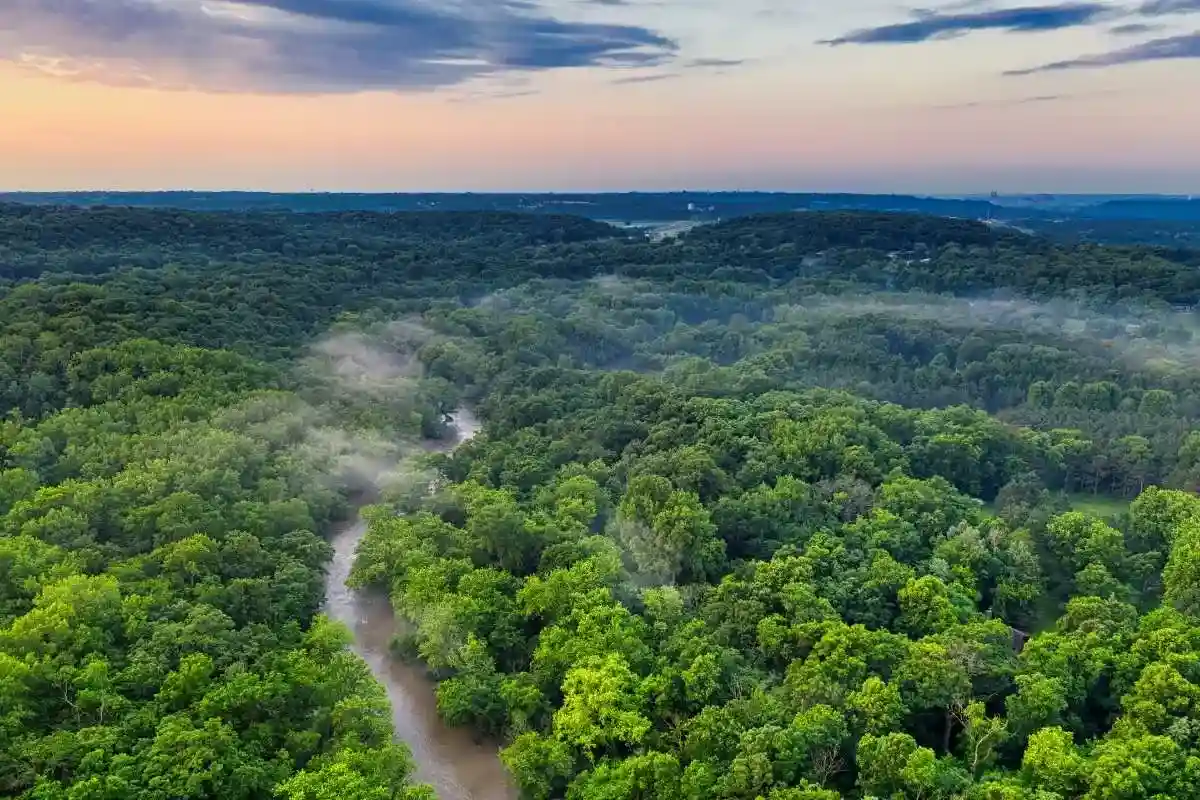
The Amazon rainforest is one of the most important ecosystems on Earth, providing oxygen, regulating the global climate, and supporting millions of species. Yet it continues to face alarming levels of deforestation driven by a combination of economic, political, and social forces. Understanding these drivers helps reveal how deeply connected global consumption patterns are to the health of the planet’s largest tropical forest.
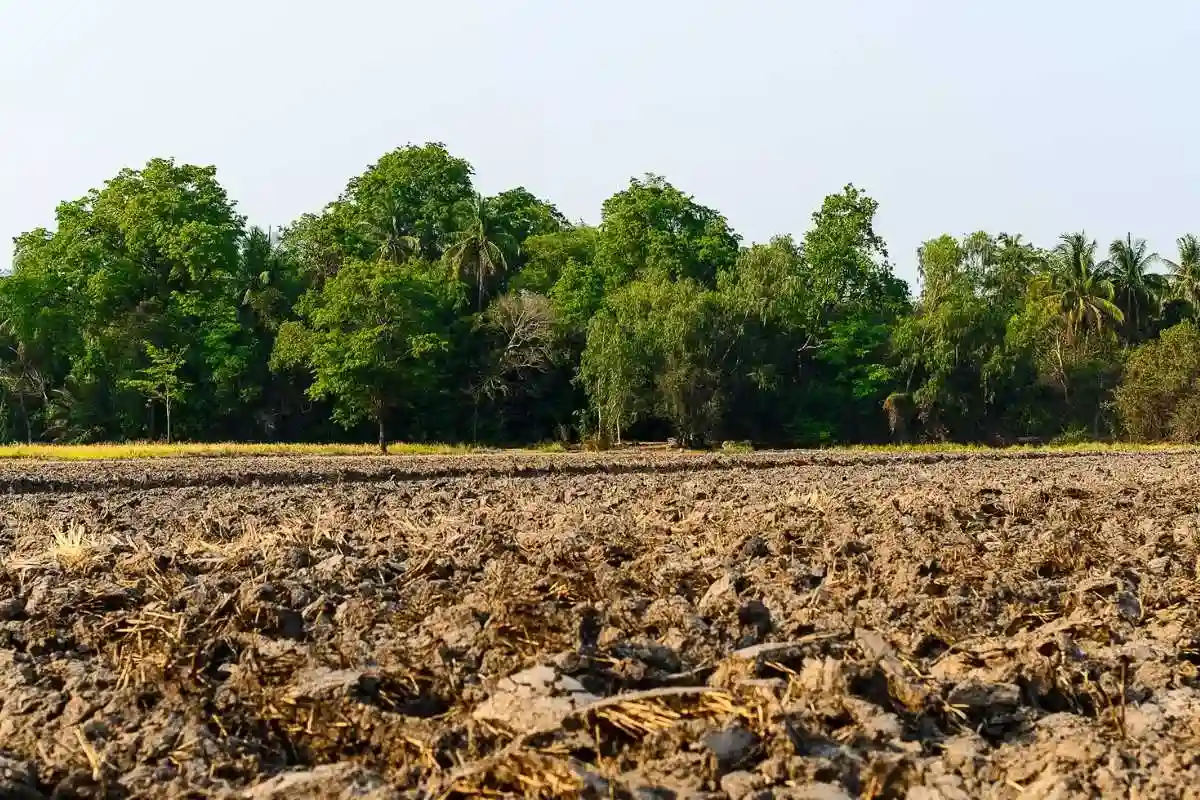
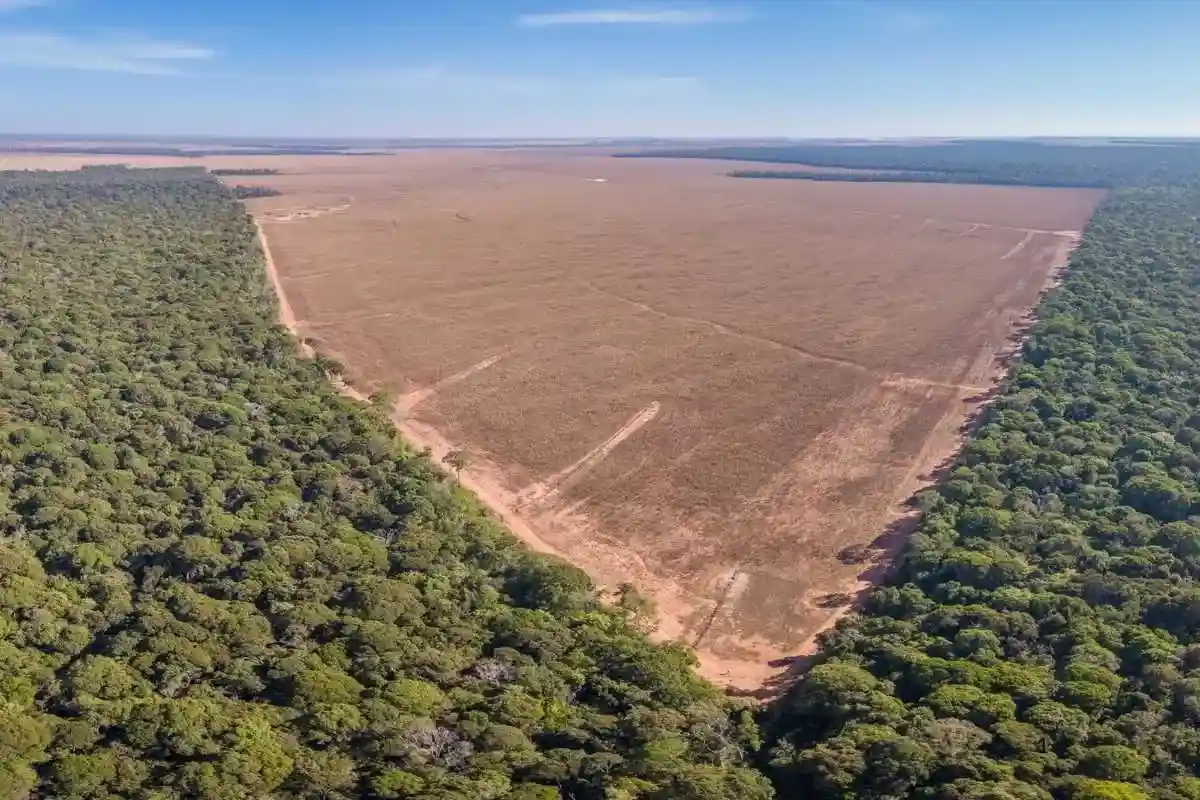
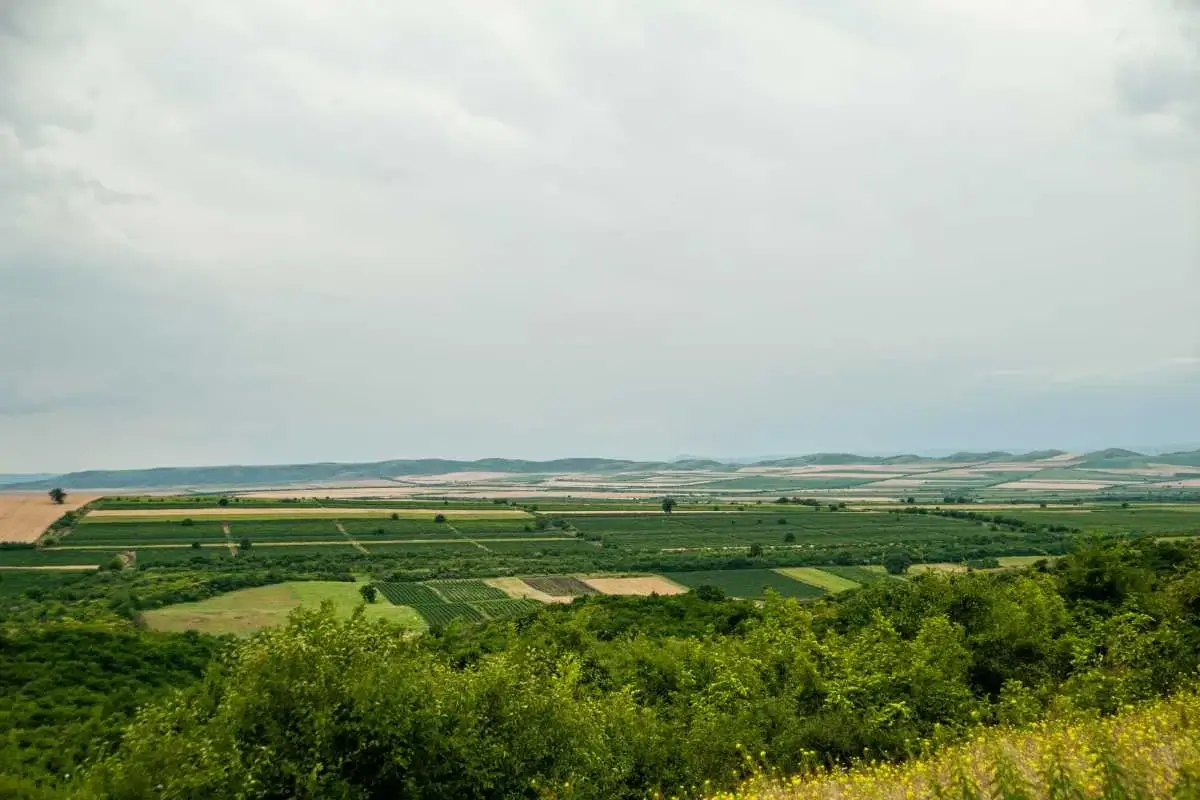
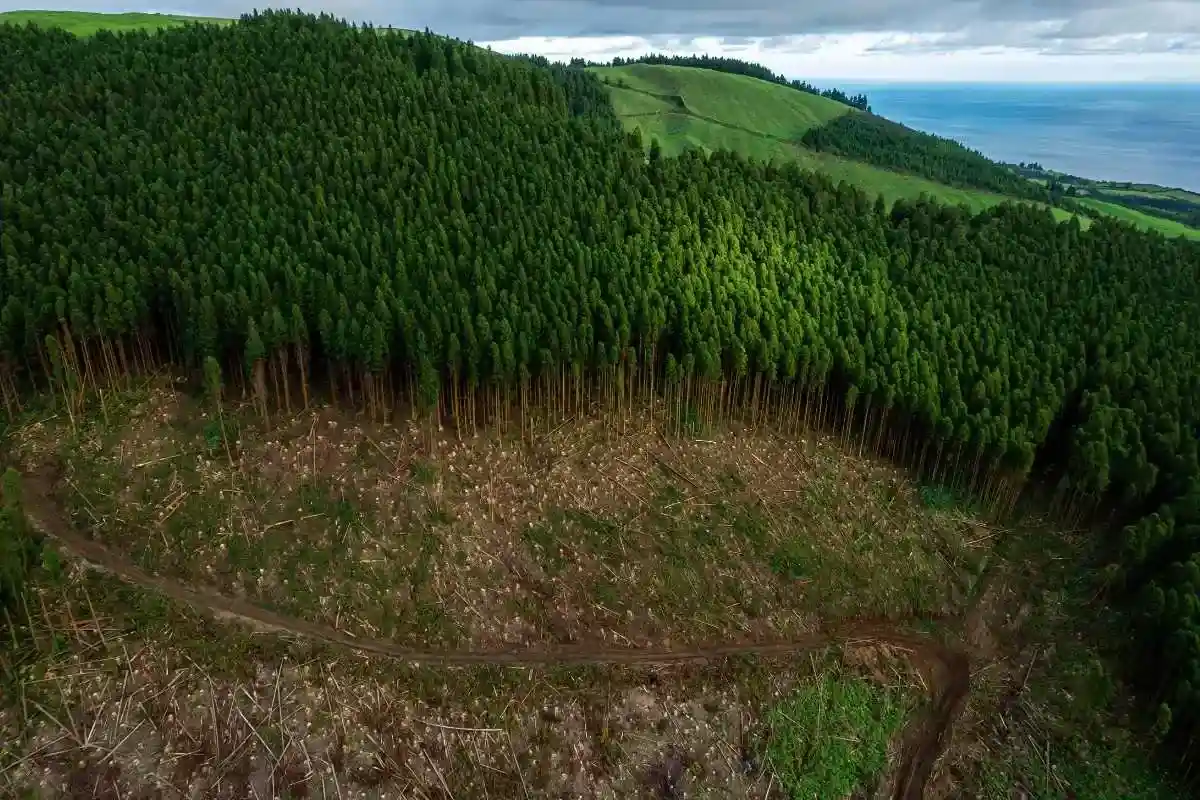
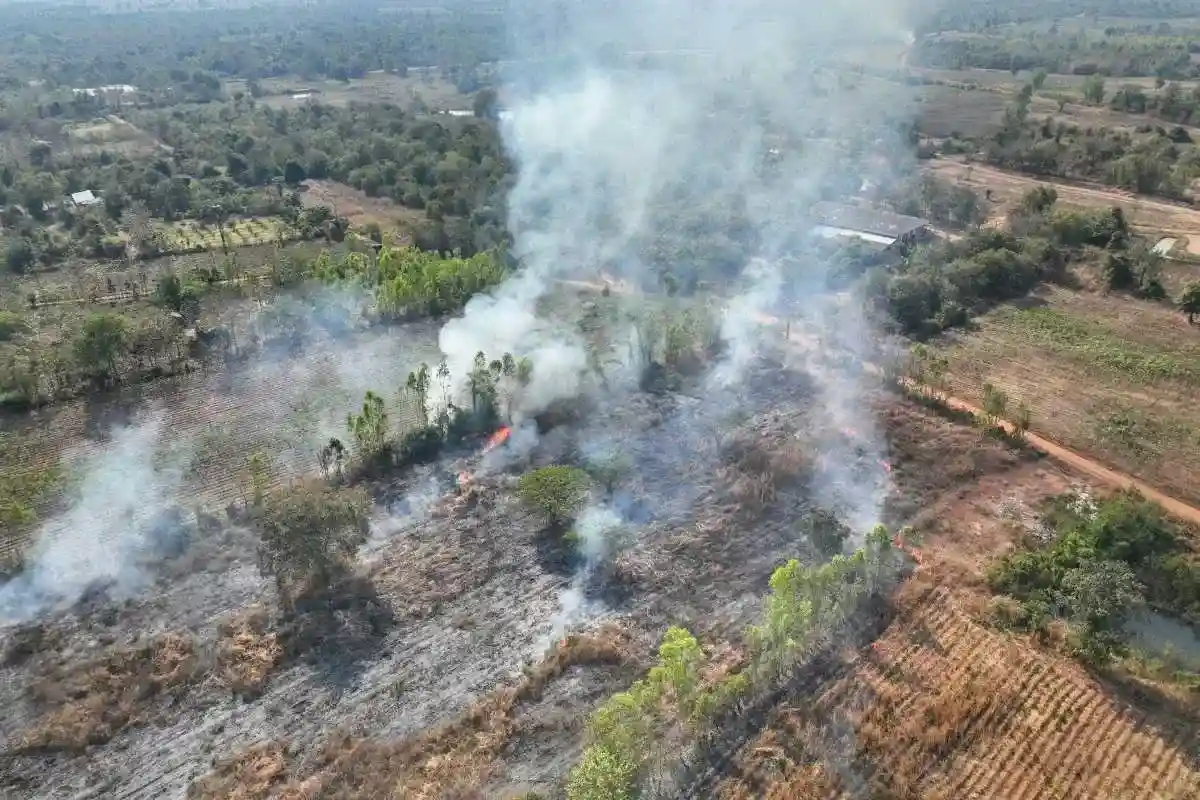
Agriculture remains the leading cause of deforestation in the Amazon. Vast areas are cleared to make room for cattle ranching, which supplies both domestic and international markets. Soybean cultivation is another major factor, as soy is used worldwide for livestock feed and processed foods. These activities not only destroy natural habitats but also release enormous amounts of carbon stored in trees, accelerating climate change.
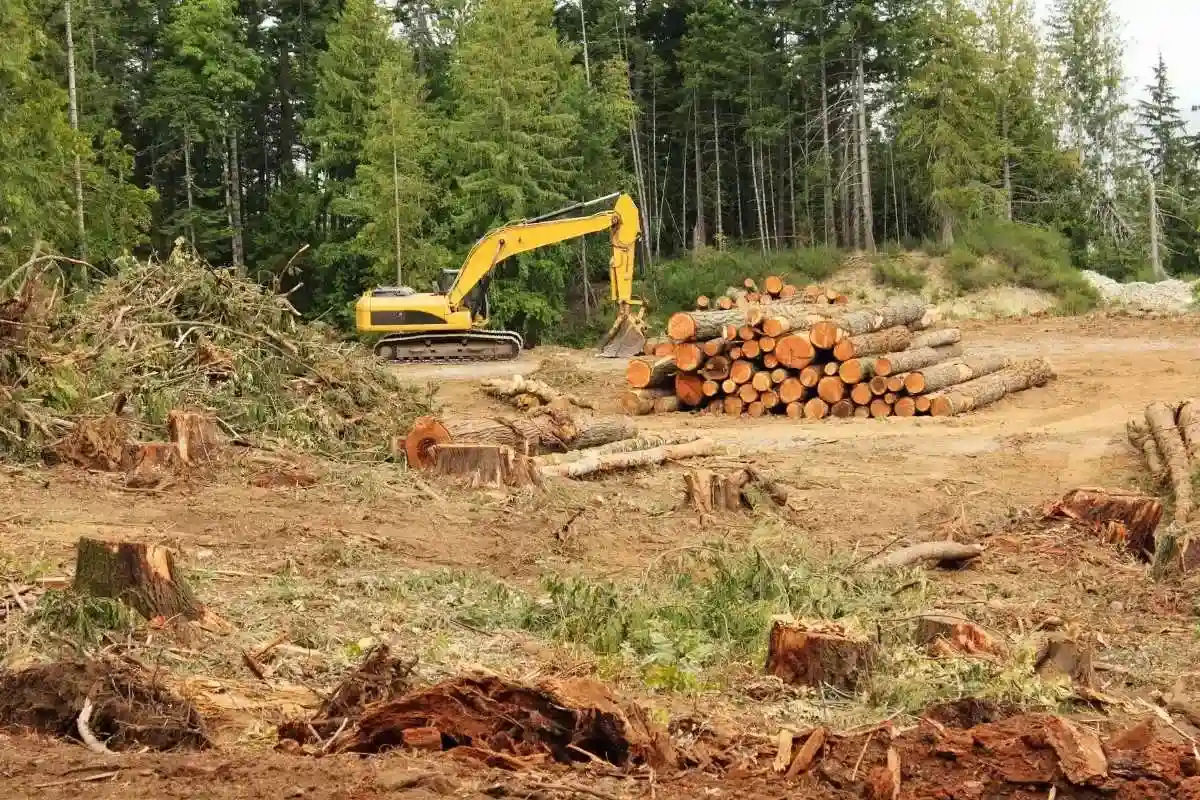
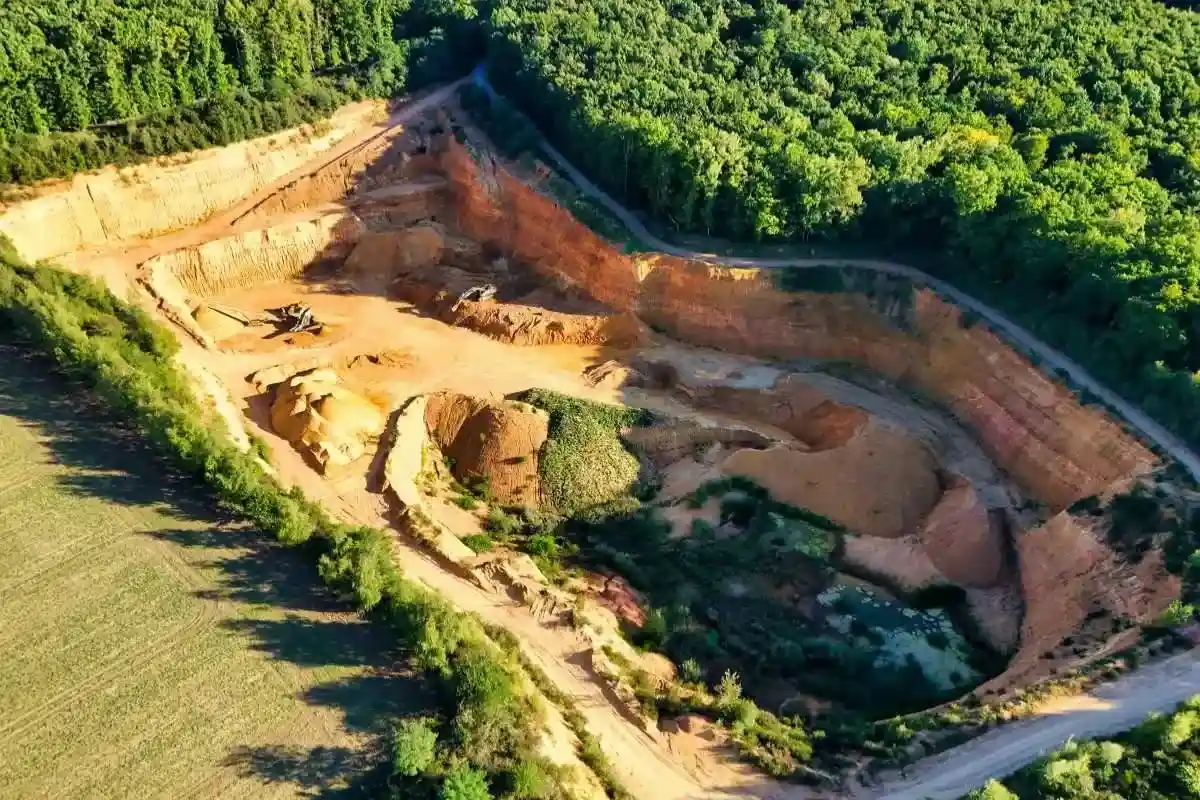
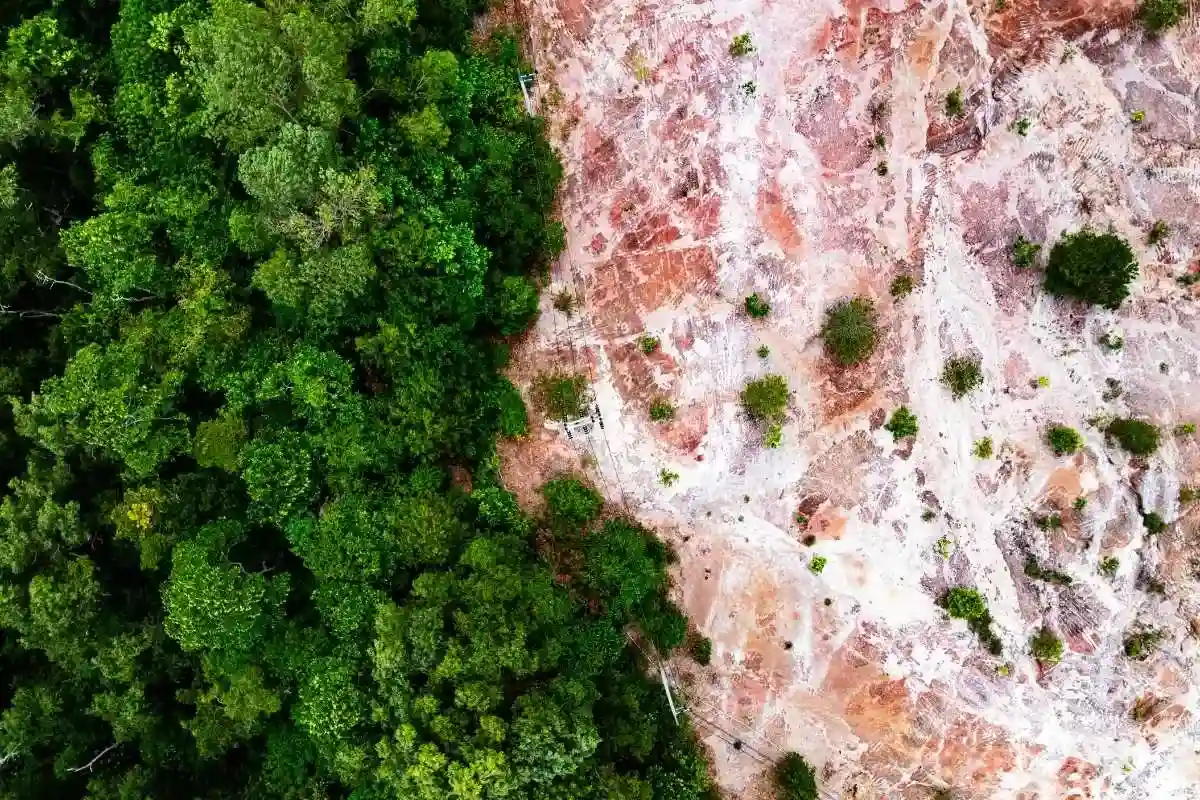
Mining and infrastructure development also play significant roles. Operations for gold, iron ore, and other minerals often lead to forest destruction, water contamination, and social conflict with Indigenous communities. Roads, dams, and transportation projects fragment the forest, opening up previously inaccessible areas to illegal logging and land grabbing. Once cleared, these lands are difficult to restore, and their loss disrupts the delicate balance of the ecosystem.
Government policies and enforcement greatly influence the rate of deforestation. When environmental regulations are weakened or poorly enforced, deforestation spikes. On the other hand, strong governance, transparent land-use planning, and sustainable development programs can slow forest loss. International cooperation is equally vital and wealthier nations can support conservation through financial incentives, trade reforms, and partnerships that value forest preservation over exploitation.
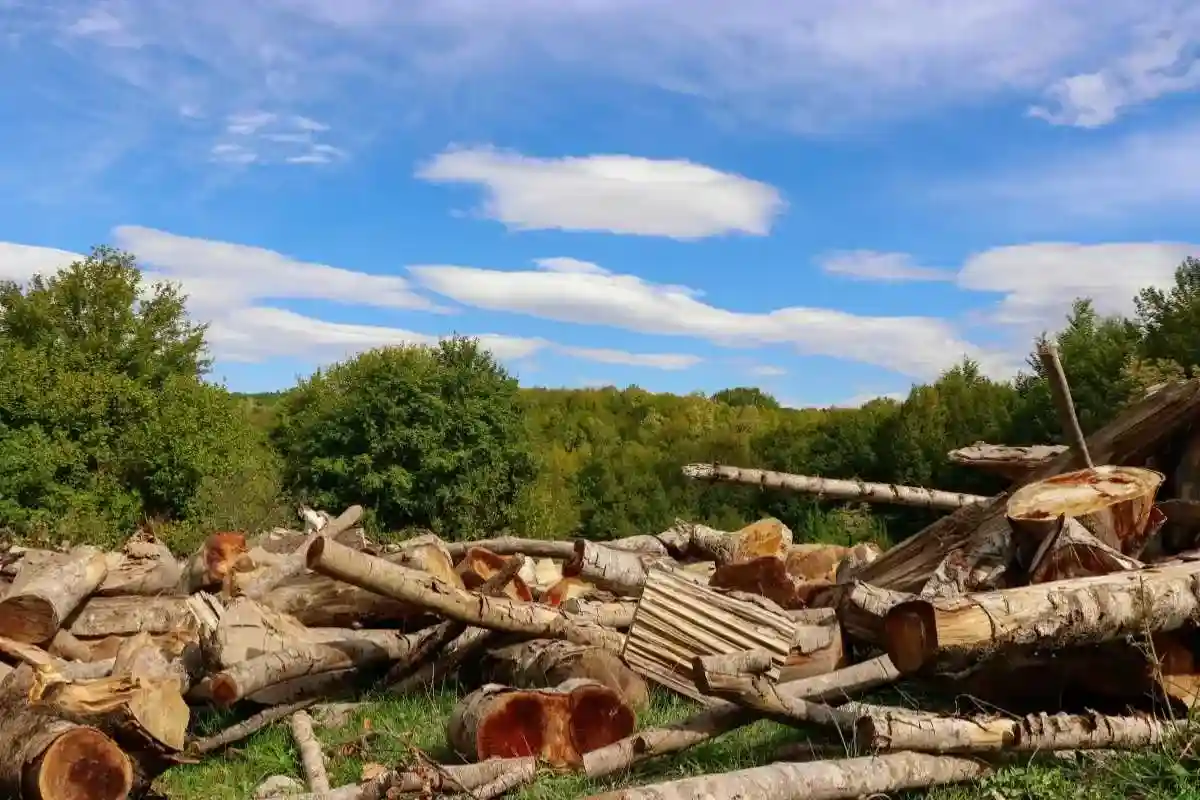
Individuals can also make an impact. Reducing consumption of products linked to deforestation, such as beef, palm oil, and non-certified timber, helps decrease global demand that drives forest clearing. Supporting sustainable brands, spreading awareness, and advocating for stronger environmental policies all contribute to protecting the Amazon.
What are the main factors driving deforestation in the Amazon, and how are they interconnected? How do government policies, corporate interests, and global consumption patterns influence forest loss? What actions can individuals and international organizations take to protect the Amazon and support sustainable development? Consider how collaboration and accountability can help preserve one of the world’s most vital ecosystems.
Use the online submission form when sending your articles to help us track all of your submissions. Please try to write about the above topic. Your response should be at least 1,000 words.
To receive credit, your effort is what matters. You should find ways to contribute thoughtful ideas that will help others. Feel free to use personal stories or other information that you want to share, but do not use real names or other identifying information. You may write your response in the space provided or upload your response. Once we review your response, you will receive credit.
Click the button below to submit your article and get your credit.


Membership Email:
Verification Status: