Climate change is one of the greatest challenges facing the world today, and understanding its causes is the first step toward creating meaningful solutions. While natural processes such as volcanic eruptions, solar radiation shifts, and changes in the Earth’s orbit have influenced the planet’s climate for millions of years, the rapid warming we are now experiencing is primarily the result of human activity. The Industrial Revolution marked a major turning point when the large-scale burning of fossil fuels such as coal, oil, and natural gas began releasing enormous amounts of carbon dioxide and other greenhouse gases into the atmosphere. These gases trap heat from the sun, creating what is known as the greenhouse effect, which causes global temperatures to rise.
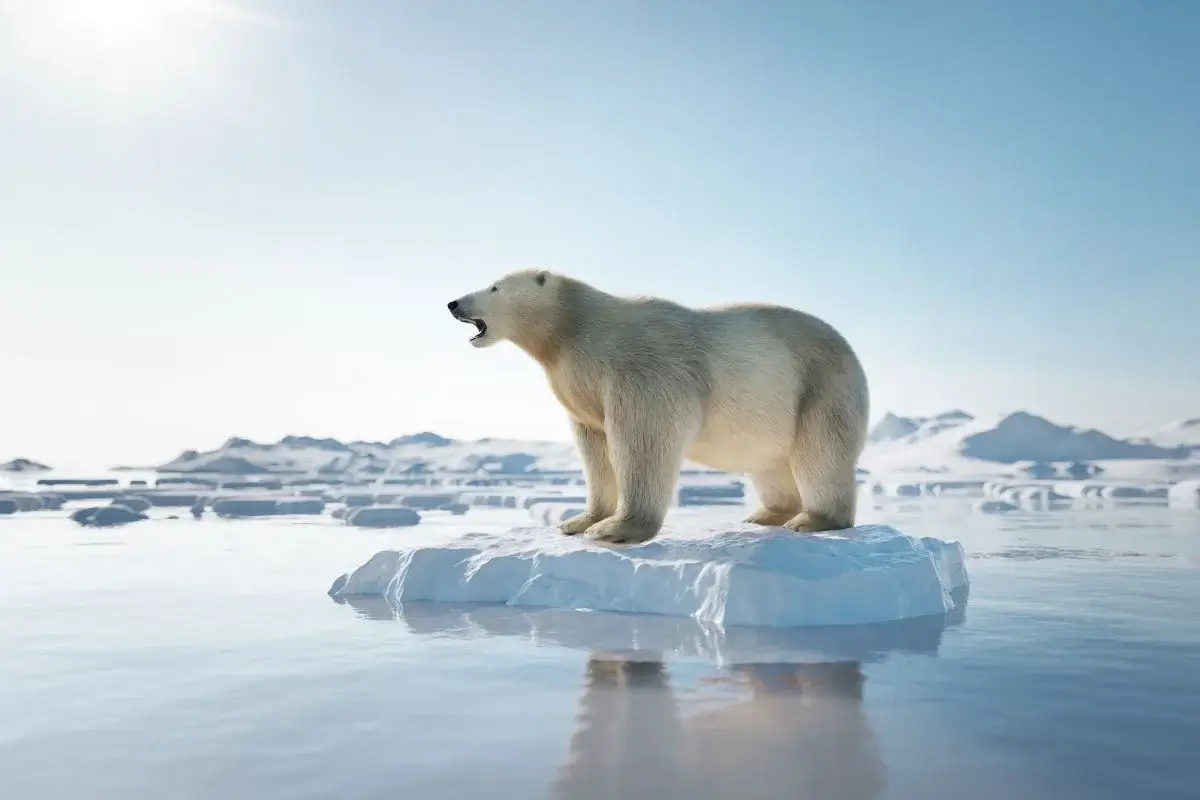
Deforestation, agriculture, and industrial production also contribute significantly to the acceleration of climate change. When forests are cleared for farming or development, the trees that once absorbed carbon dioxide are removed, and the carbon they stored is released into the atmosphere. Agricultural practices, including livestock farming, produce methane, a powerful greenhouse gas, while certain fertilizers emit nitrous oxide. Industrial processes release pollutants and greenhouse gases, and the production, transportation, and disposal of consumer goods further increase emissions. Together, these human activities are altering weather patterns, melting glaciers, raising sea levels, and disrupting ecosystems around the world.
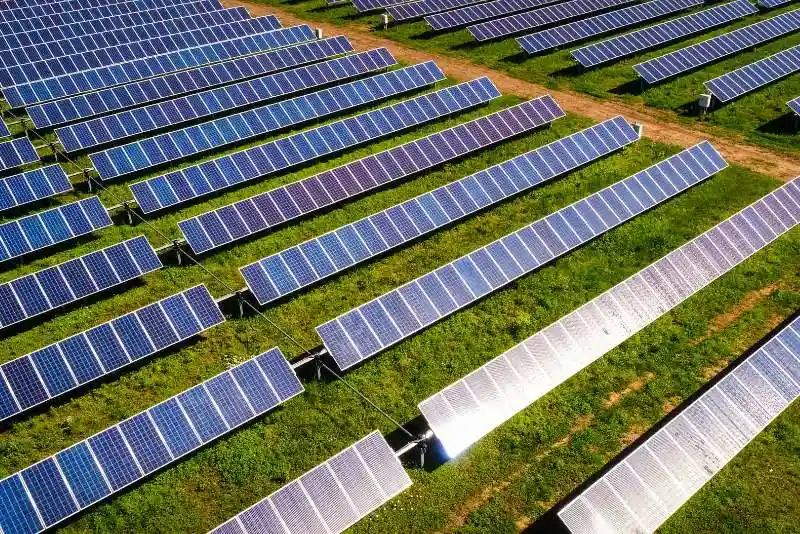
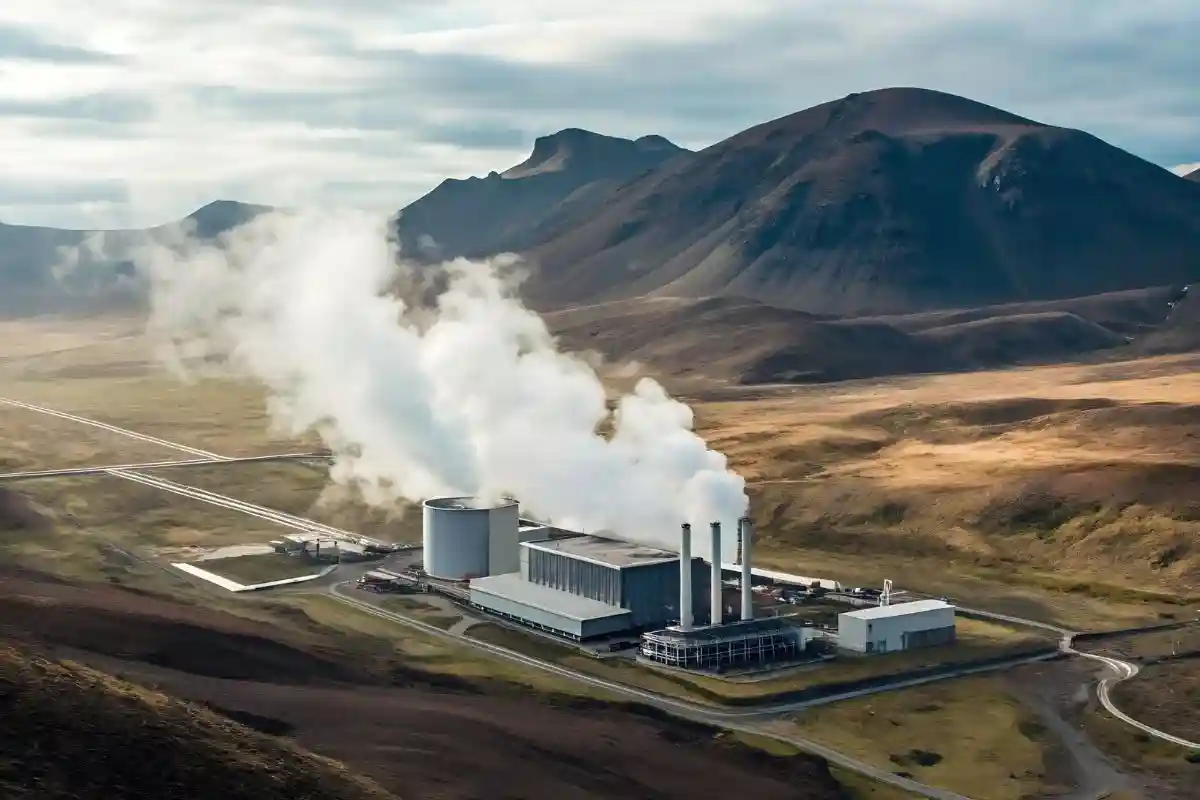
Understanding these causes requires both scientific knowledge and personal responsibility. Recognizing how daily choices connect to global environmental changes empowers people to take meaningful action. Transitioning to renewable energy, reducing waste, protecting forests, and supporting sustainable industries are all vital steps that individuals and communities can take to slow the pace of climate change.
What are the main causes of climate change, and how do human activities such as energy use, deforestation, and industrial production contribute to it? How do greenhouse gases trap heat and affect the Earth’s climate systems? How can understanding these causes help us create effective solutions at both personal and global levels? What actions can individuals, businesses, and governments take to reduce emissions and protect the planet for future generations? How can education and awareness inspire collective action to address the growing climate crisis?
Use the online submission form when sending your articles to help us track all of your submissions. Please try to write about the above topic. Your response should be at least 1,000 words.
To receive credit, your effort is what matters. You should find ways to contribute thoughtful ideas that will help others. Feel free to use personal stories or other information that you want to share, but do not use real names or other identifying information. You may write your response in the space provided or upload your response. Once we review your response, you will receive credit.
Click the button below to submit your article and get your credit.


Membership Email:
Verification Status: