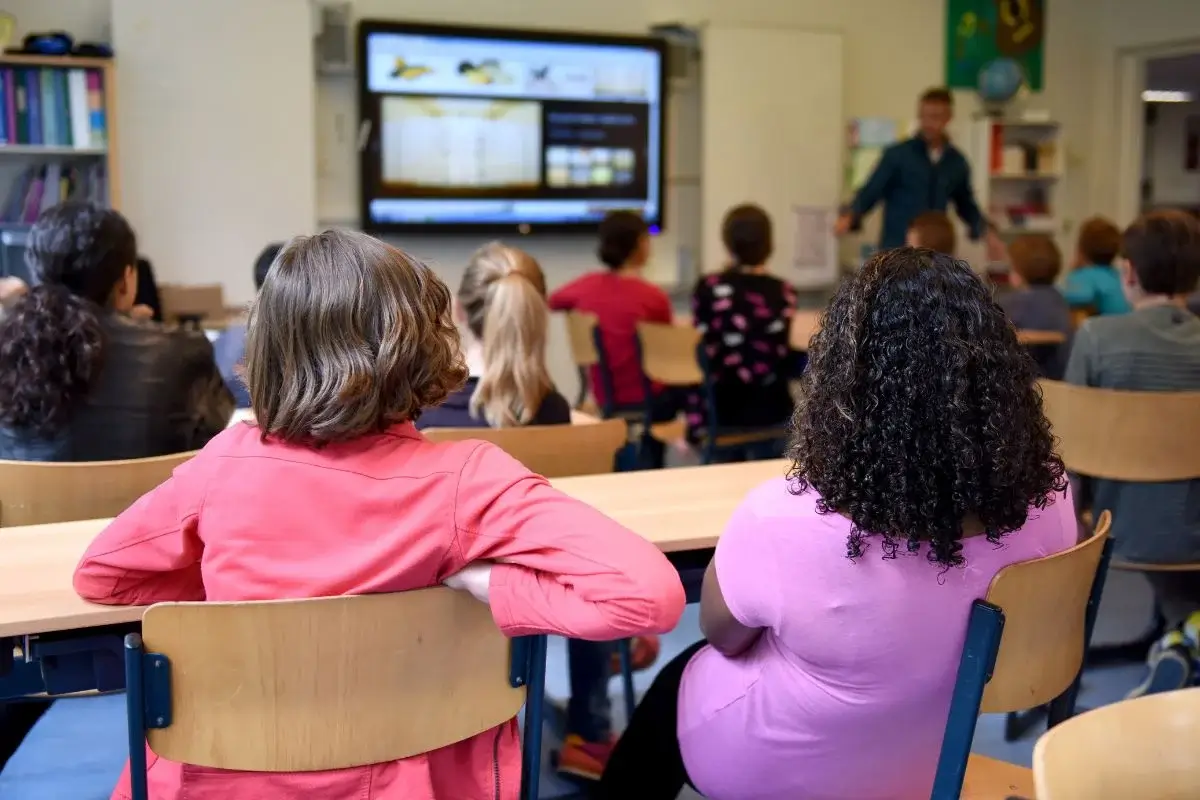
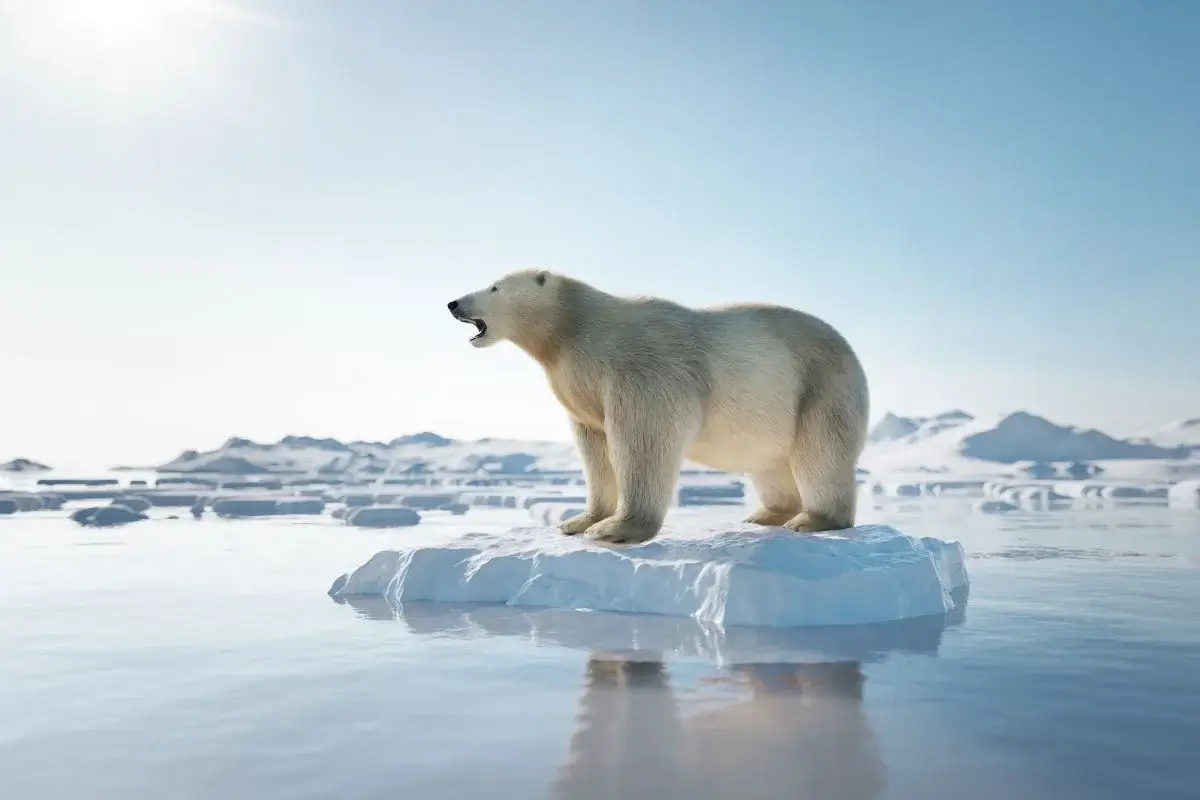
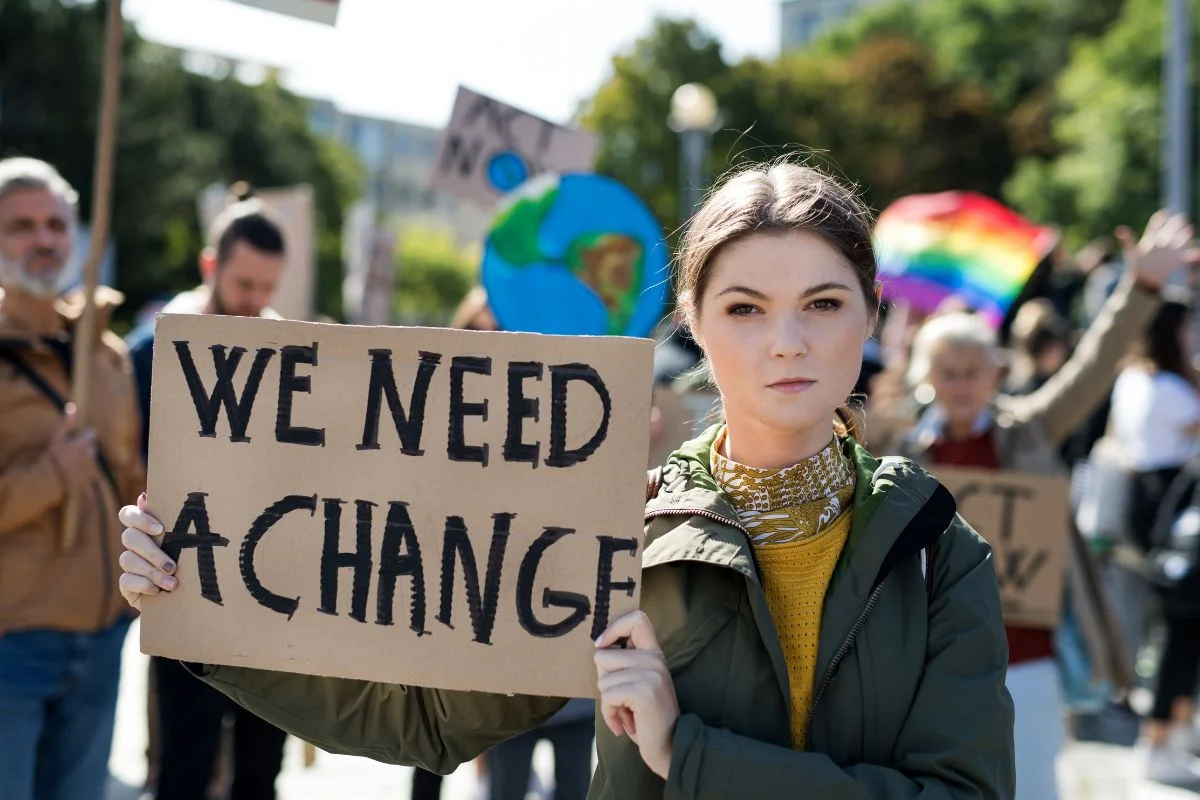
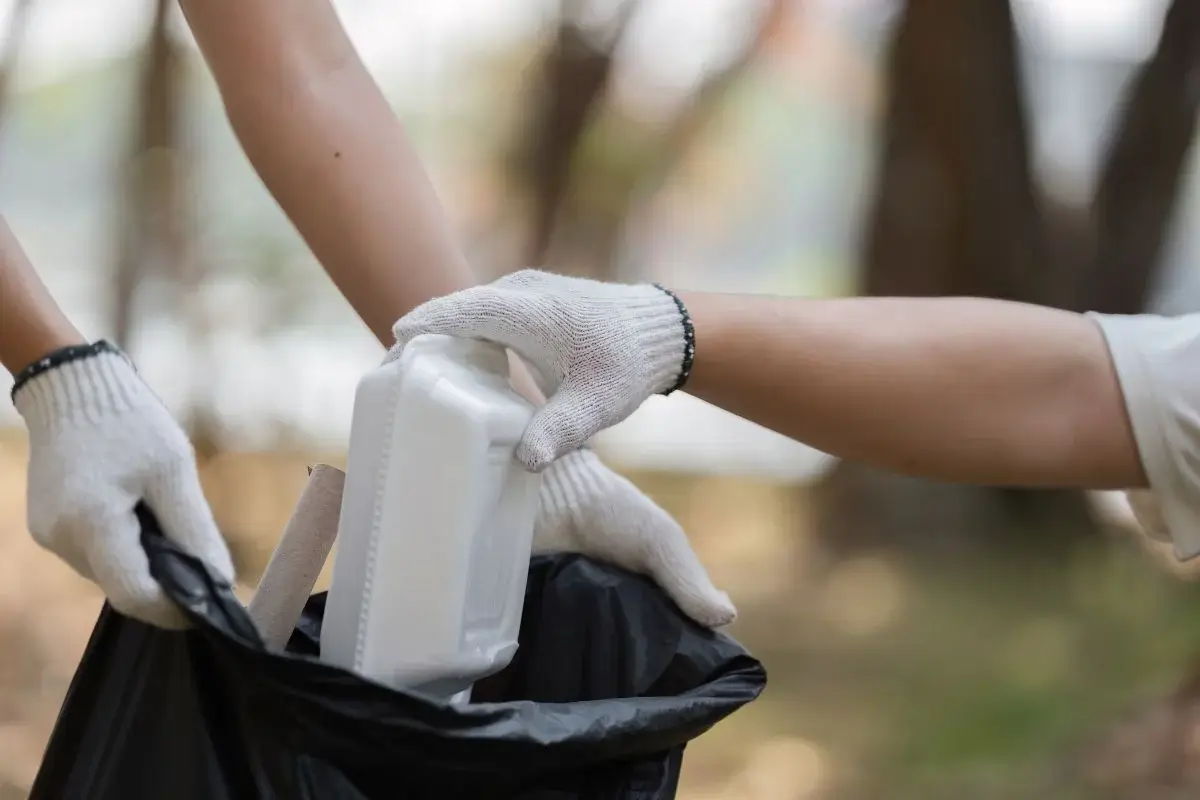
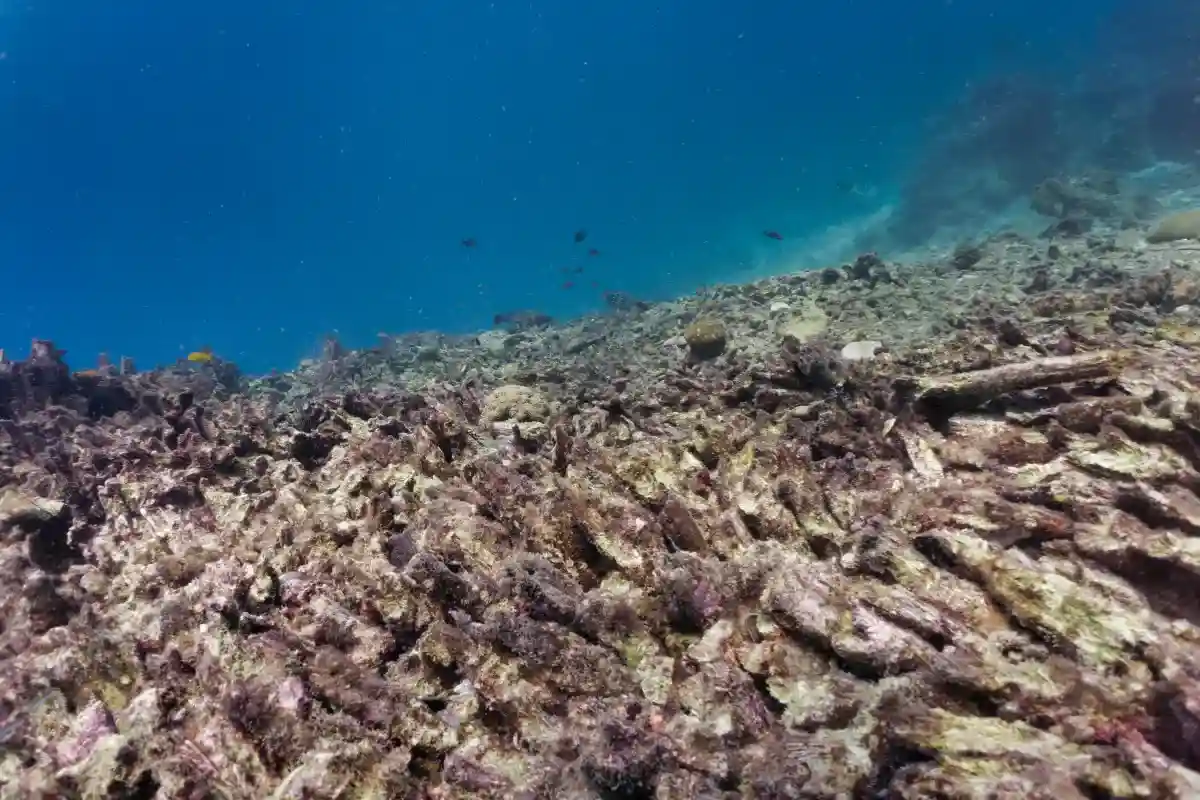
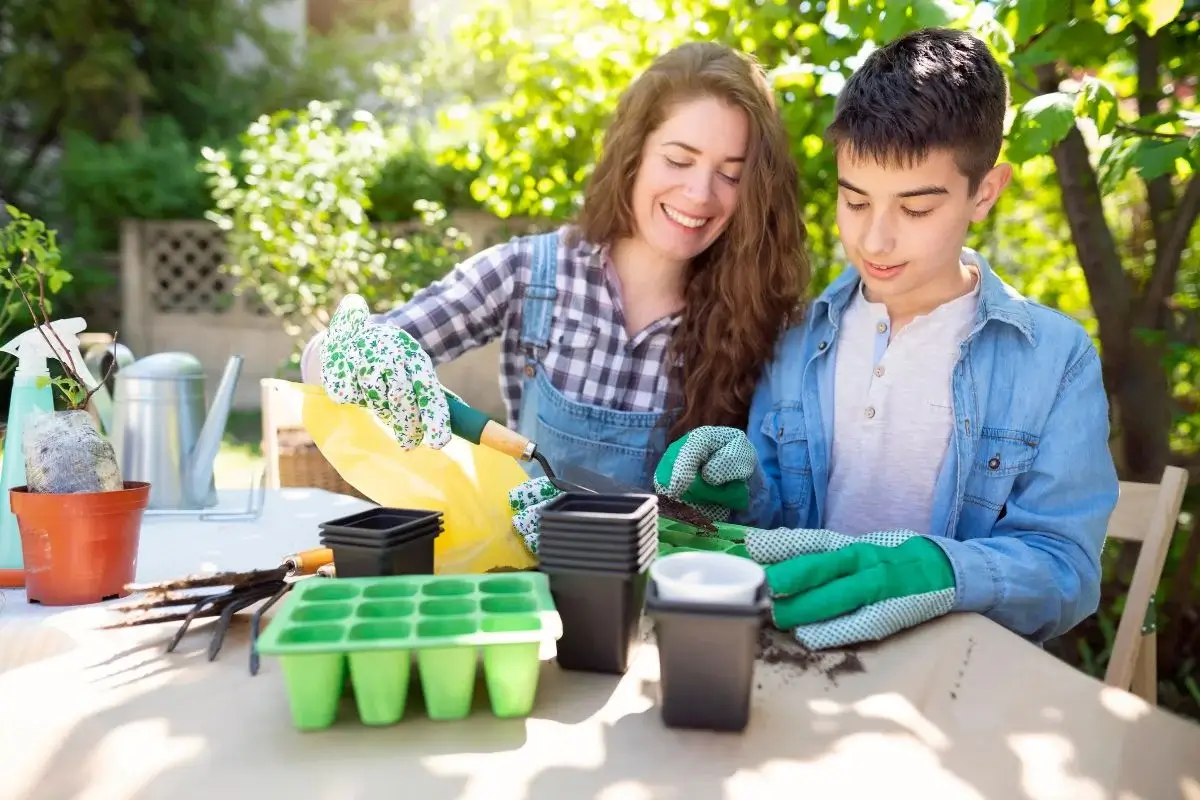
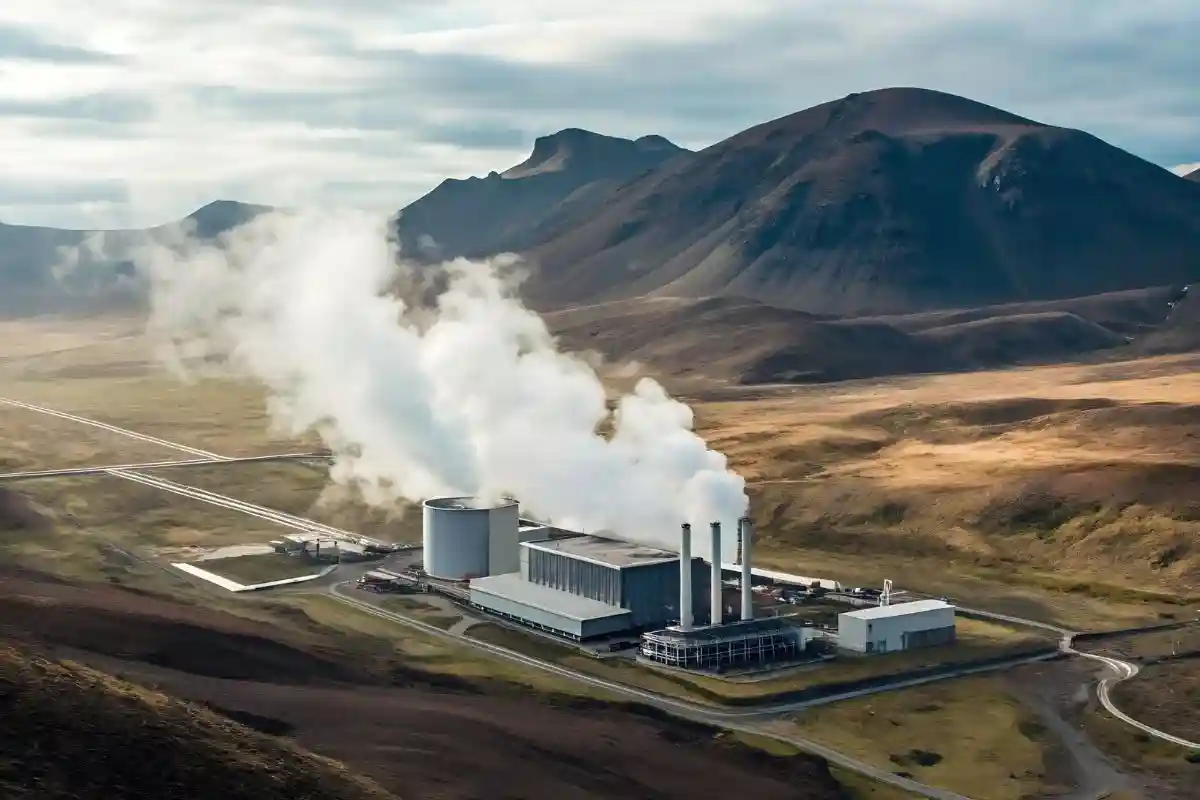
Climate education is about more than just understanding the science of climate change—it’s about uncovering the ways it shapes our world and how we can respond. It’s a chance to explore how human actions influence the environment and how those very actions can create a more sustainable future. From understanding the changing weather patterns to digging into renewable energy breakthroughs, climate education opens the door to solutions that benefit both people and the planet.
By learning about this critical topic, you’ll discover how climate change affects every part of life, from ecosystems and communities to industries and economies. The knowledge you gain can empower you to make informed decisions, advocate for meaningful change, and even inspire others to join the movement. Imagine contributing to solutions that protect forests, reduce emissions, and make our cities more sustainable. Climate education is more than a subject; it’s a call to action.
Take your learning further by engaging in creative and practical activities that bring the concepts to life. Enroll in a course to build a strong foundation and explore the latest innovations in climate science and policy. Write an article that shines a light on inspiring individuals or communities fighting climate change. Use social media to amplify eco-friendly practices and spark conversations that matter. Or grab your camera and capture both the challenges and triumphs of sustainability in action. These activities are not just enjoyable but impactful, letting you contribute to the conversation and make a real difference.
Climate education equips you with the tools to think critically, communicate effectively, and act boldly. It’s about taking what you learn and turning it into something meaningful, whether that means joining an advocacy group, launching a green initiative, or simply being mindful in everyday choices. With every step, you’ll be shaping a future where humanity and nature thrive together.
No matter where you start, your voice, creativity, and actions are powerful. Climate education isn’t just about studying problems; it’s about finding the solutions and sharing them with the world.

Learn to effectively communicate climate science and advocate for action by combining evidence-based strategies, persuasive messaging, and audience-tailored approaches to inspire engagement, combat misinformation, and drive meaningful climate solutions.
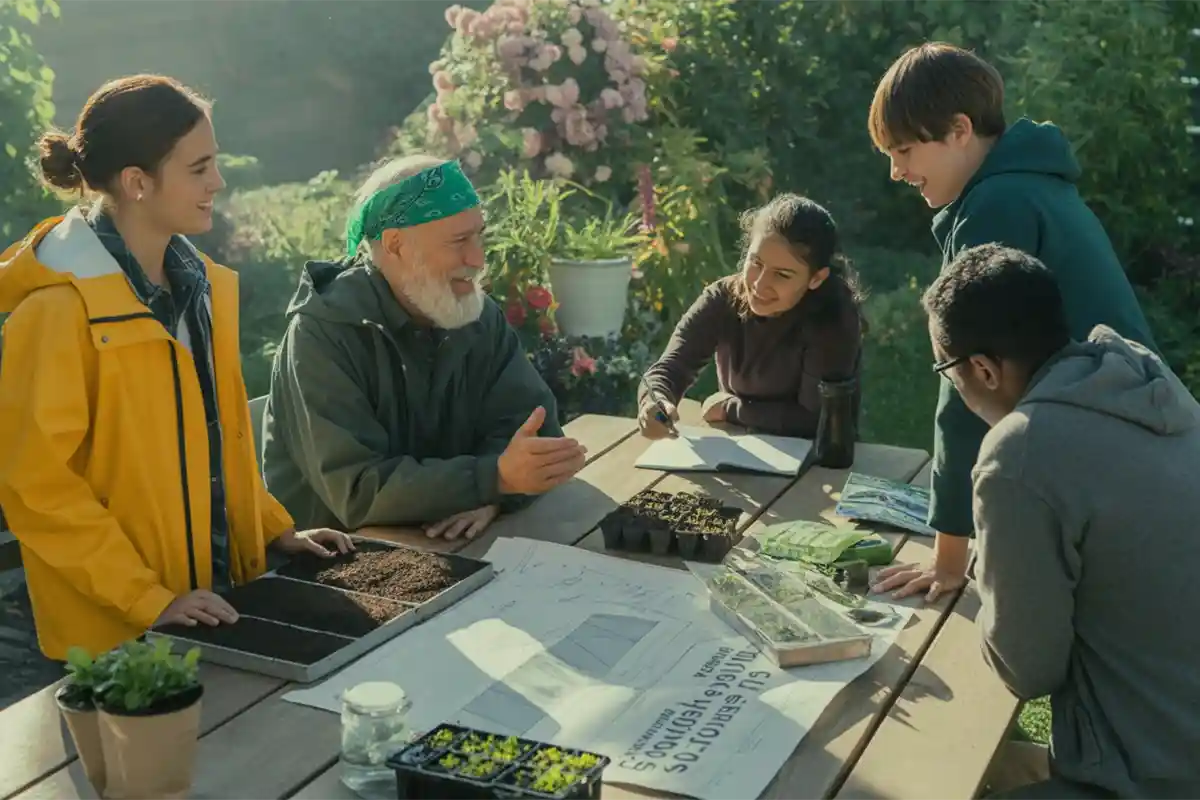
Explore the foundations and principles of environmental ethics, emphasizing shared responsibility, justice, and sustainability to guide individuals, businesses, and governments to a healthier planet.

Explore the core principles of environmental science, examining Earth's systems, human impacts, and interdisciplinary approaches to addressing environmental challenges and fostering sustainable solutions.
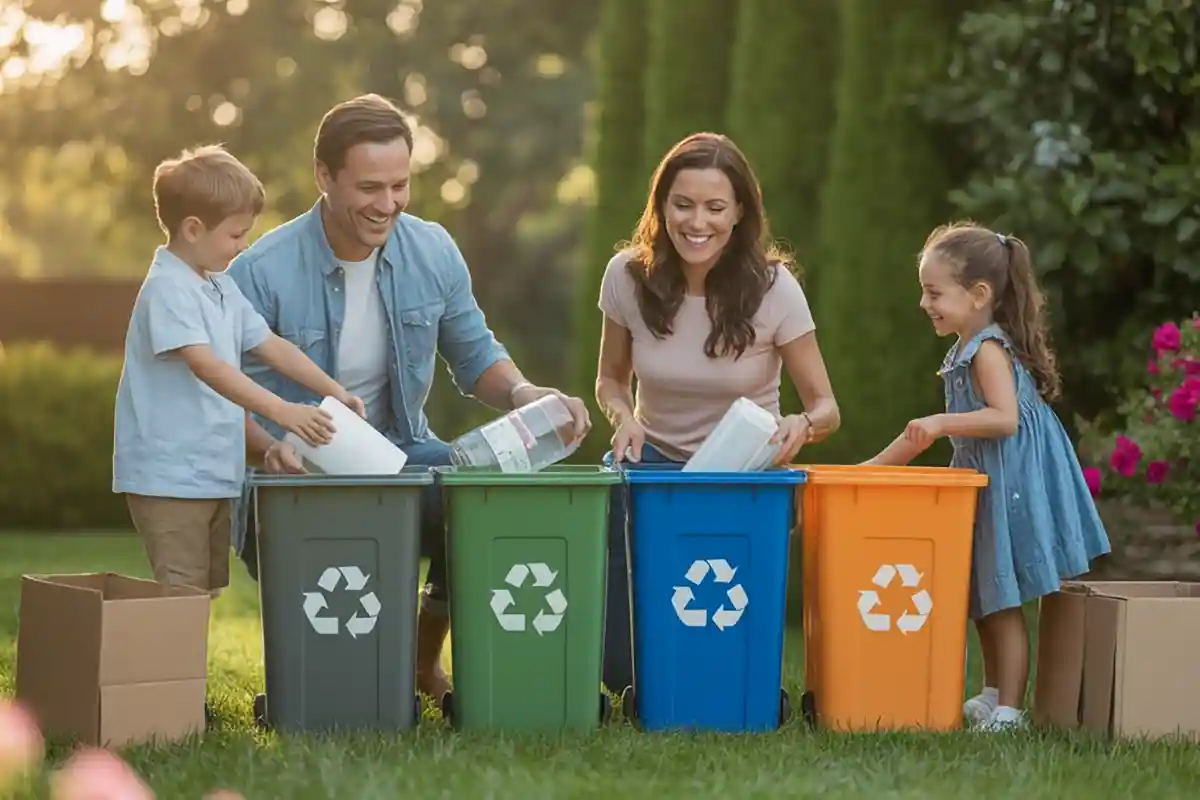
Master the art of recycling with this course, exploring its importance, proper techniques for various materials, and actionable steps to enhance your environmental impact and sustainability efforts.

Donating books promotes literacy, reduces waste, and supports communities in need. By giving used books a new home, you share knowledge, inspire others to do so the same.
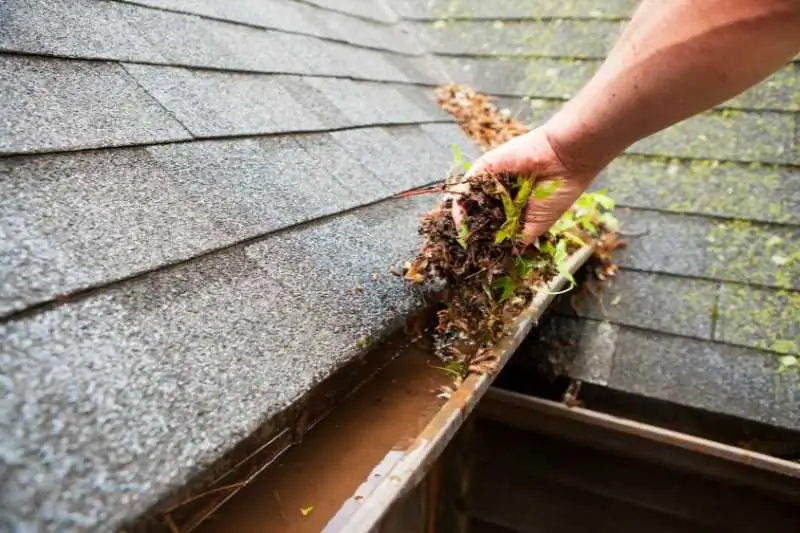
Cleaning gutters and storm drains prevents water pollution and flooding. Remove debris, dispose of waste properly, and help protect local waterways in your community.

Clothing donation reduces waste and supports those in need. Sort through your wardrobe, gather gently used items, and donate them to local charities or thrift stores.
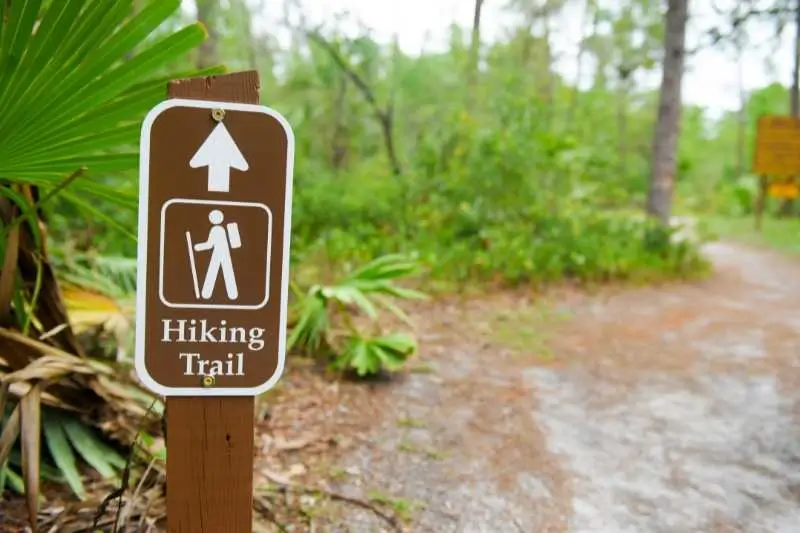
Hiking trail cleanups protect ecosystems and keep outdoor spaces beautiful. By cleaning up a local hiking trail, you can preserve nature and ensure trails remain safe and enjoyable for all.
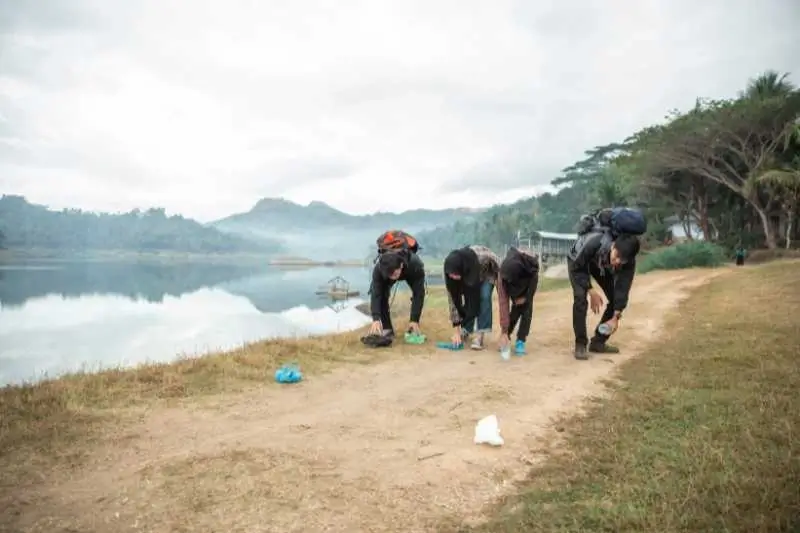
Lake and river cleanups protect freshwater ecosystems and prevent pollution. Help safeguard these vital environments for wildlife and communities by doing your part.
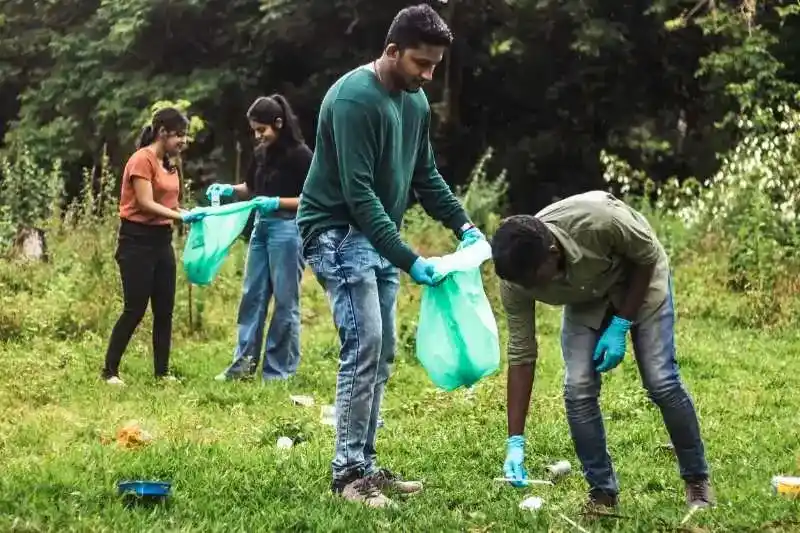
Cleaning up a local park helps your community and protects the environment. Learn how you can help by cleaning up a park to help your community.

Preparing a plant-based meal reduces your carbon footprint and supports sustainability. Choose seasonal ingredients, try simple swaps, and enjoy a delicious, eco-friendly dish that’s good for you.

Recycling electronics reduces waste and prevents pollution. Collect unused devices and drop them off at e-waste recycling centers or donation programs.
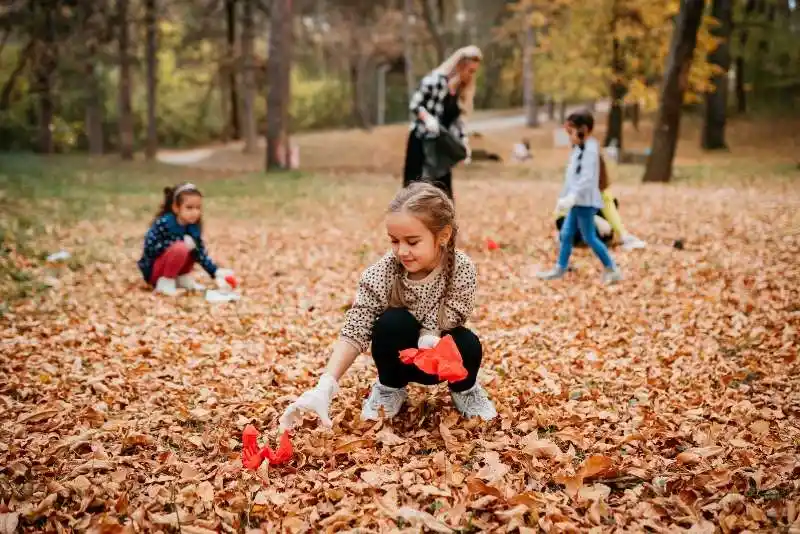
Inspire education through photography to show why raising awareness about climate and environmental issues is essential.

Promote educational initiatives that empower communities to act on climate change with engaging content.


Membership Email:
Verification Status: