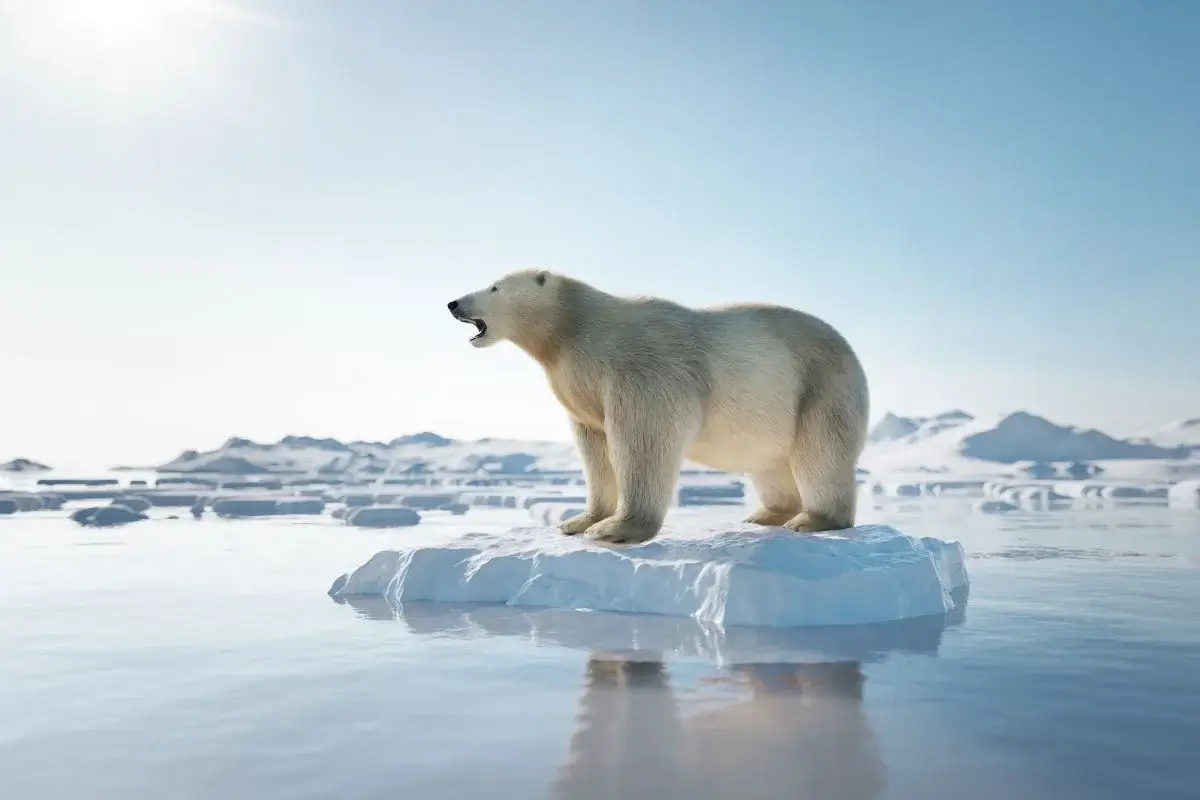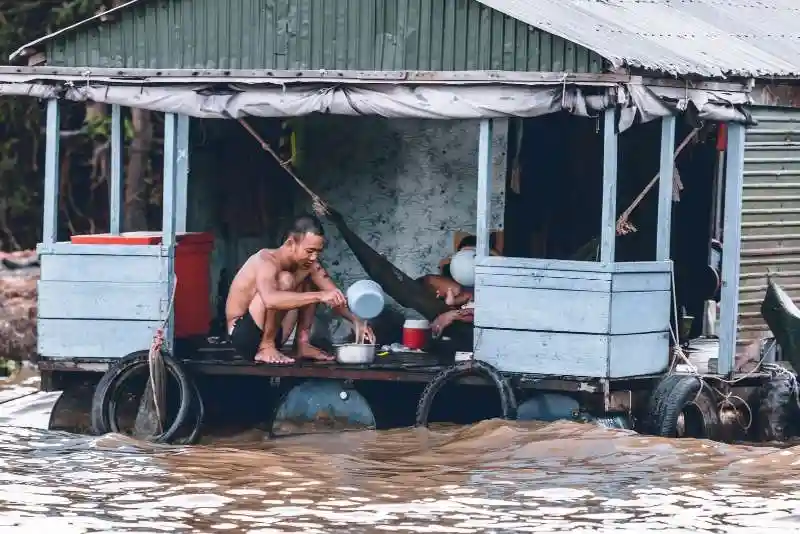
The effects of climate change are seen everywhere, from shifting weather patterns to rising sea levels and disappearing habitats. These changes affect people, economies, and ecosystems around the world, but there are many ways we can take action to protect the planet. Small daily choices can make a big difference. Reducing our carbon footprints, using renewable energy, conserving resources, and choosing sustainable products all help lower greenhouse gas emissions and promote a healthier environment for future generations.
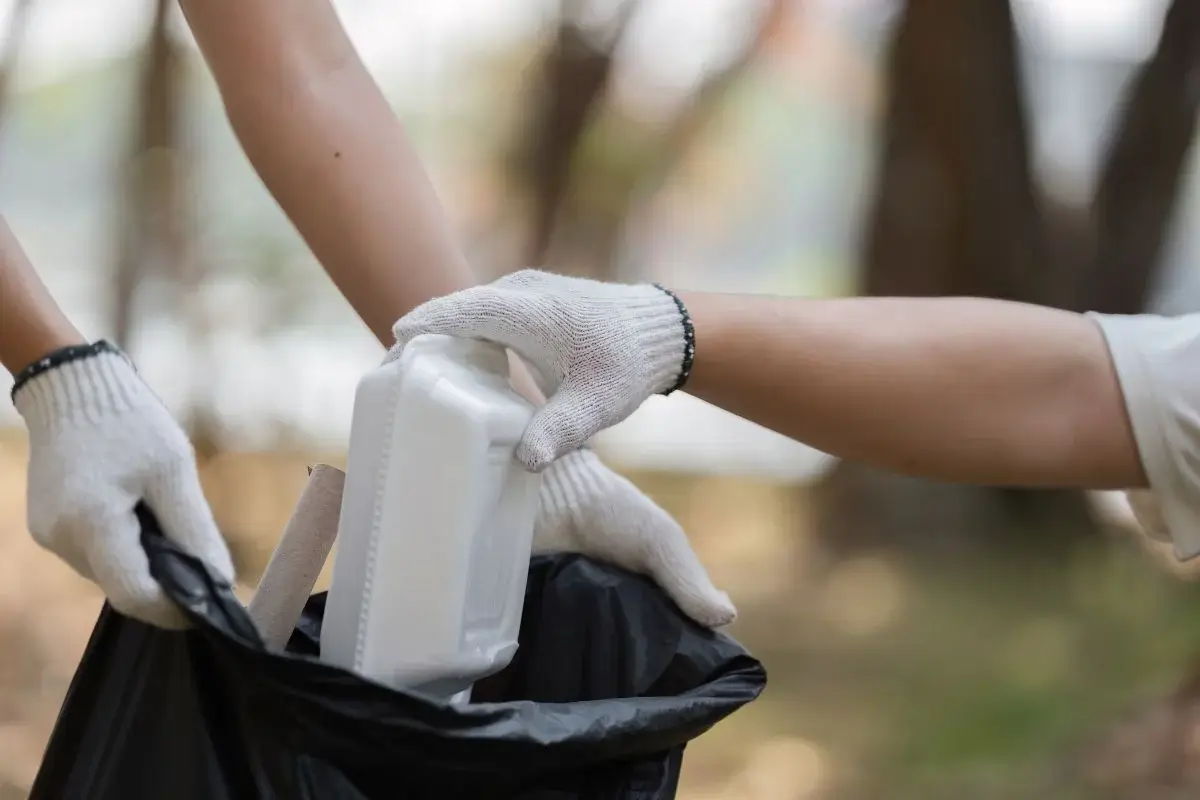
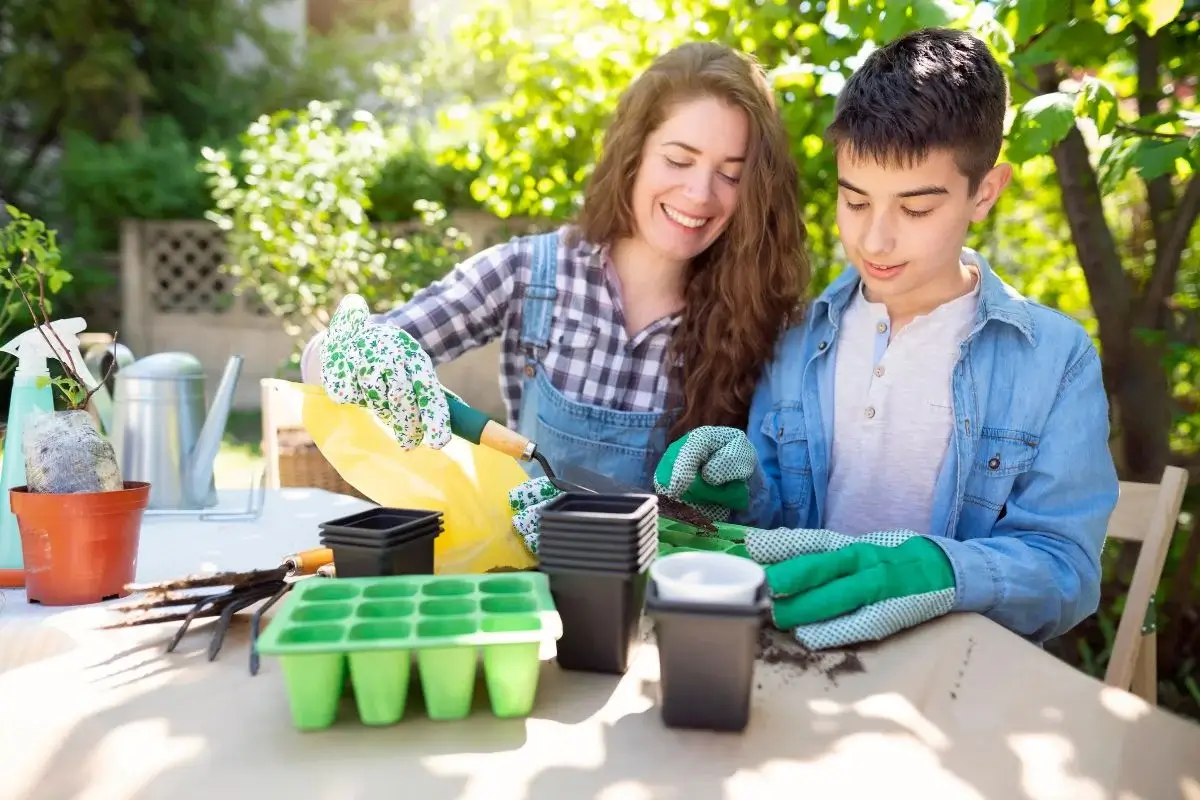
Living more sustainably often begins with simple habits. Walking, biking, or using public transportation instead of driving can cut emissions and improve air quality. Making homes more energy-efficient by turning off unused lights, using LED bulbs, and limiting water waste can save resources and money. Communities can also make a difference through projects such as tree planting, neighborhood clean-ups, and recycling programs. Working together to care for shared spaces builds awareness and encourages lasting change.
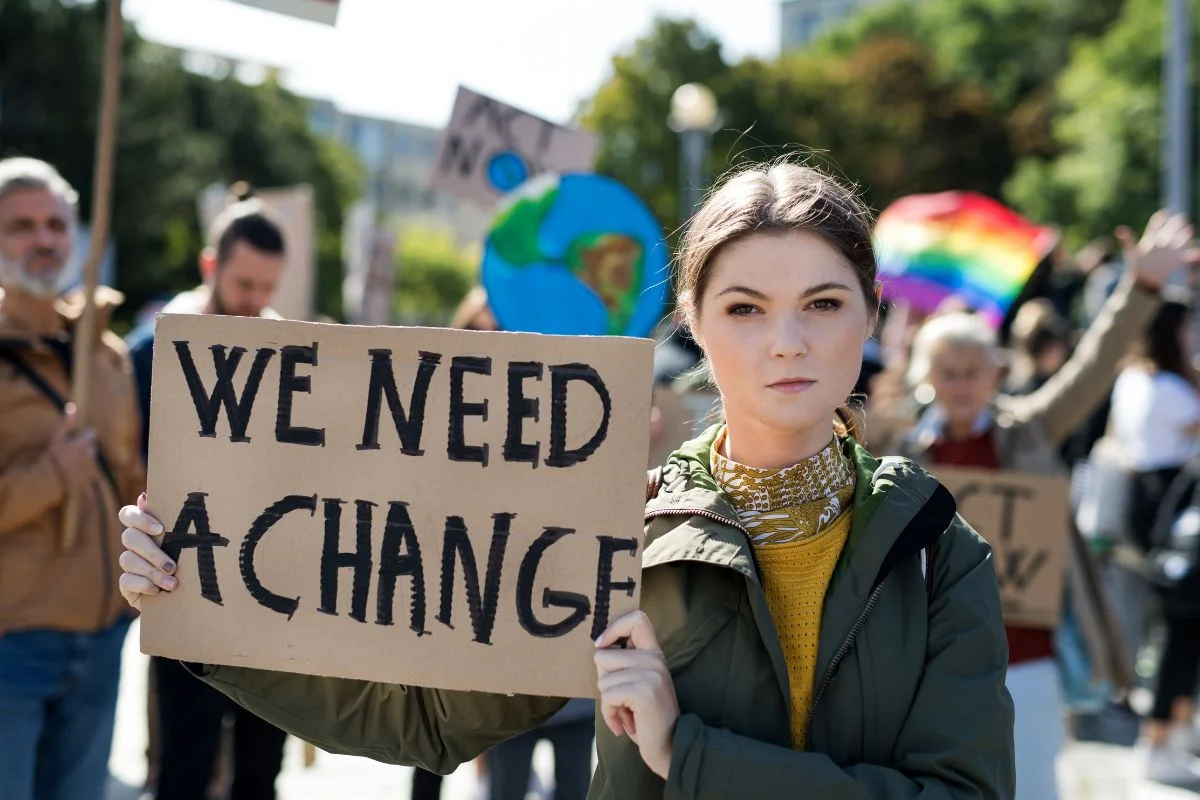
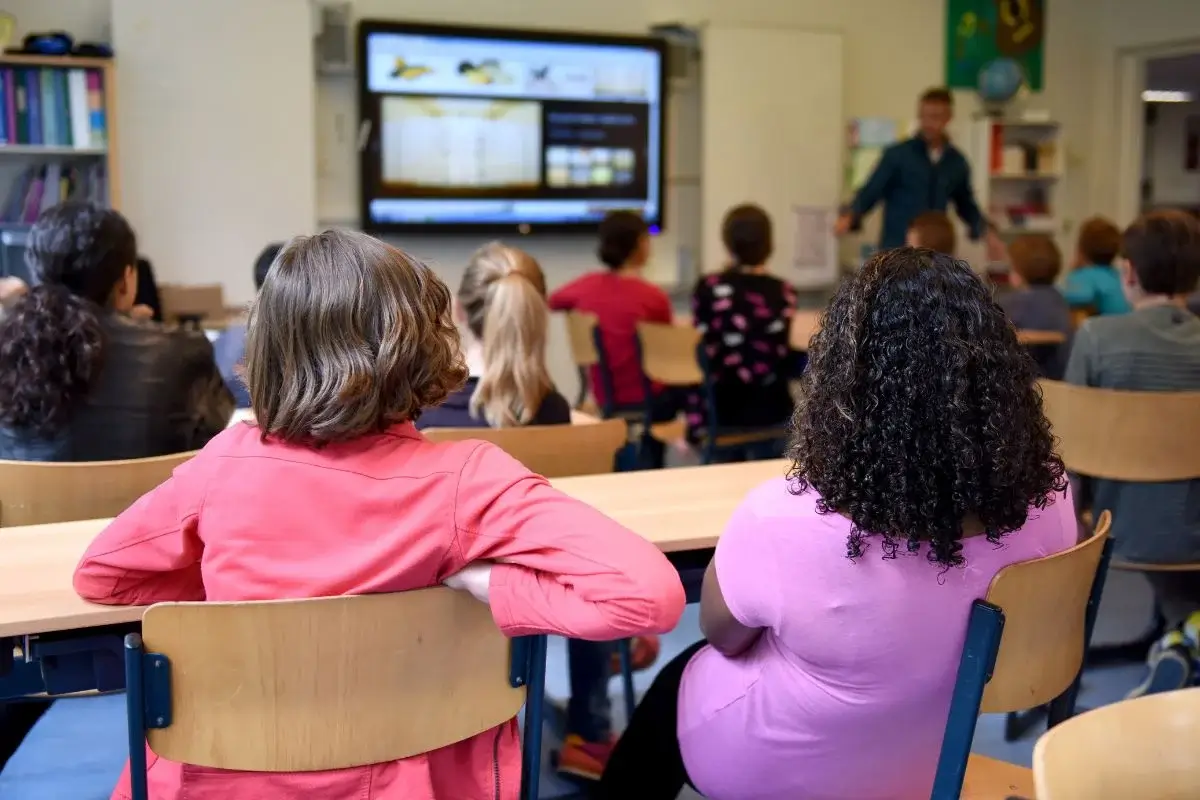
Education and advocacy are also powerful tools for addressing environmental challenges. By sharing information, promoting sustainability programs, and speaking up about environmental issues, individuals can inspire others to take action. Schools, workplaces, and social media can all help spread awareness and encourage collective responsibility. When people learn, act, and lead by example, the movement for a sustainable future grows stronger.
What are some simple, everyday actions that can make life more sustainable? How can energy-saving habits, cleaner transportation, or mindful consumption help protect the environment? What community efforts could bring people together to take care of local ecosystems? How can education, communication, and advocacy inspire others to get involved in creating a more sustainable future?
Use the online submission form when sending your articles to help us track all of your submissions. Please try to write about the above topic. Your response should be at least 1,000 words.
To receive credit, your effort is what matters. You should find ways to contribute thoughtful ideas that will help others. Feel free to use personal stories or other information that you want to share, but do not use real names or other identifying information. You may write your response in the space provided or upload your response. Once we review your response, you will receive credit.
Click the button below to submit your article and get your credit.


Membership Email:
Verification Status: