Climate change can feel overwhelming, but individual and collective action have the power to make a real difference. Every choice, from the energy we use to the way we travel, consume, and advocate, contributes to shaping a more sustainable future. Education is at the heart of this change. By learning about the causes and impacts of climate change, we can make informed decisions and inspire others to do the same. Awareness transforms concern into action, and small steps taken by many can lead to significant global progress.
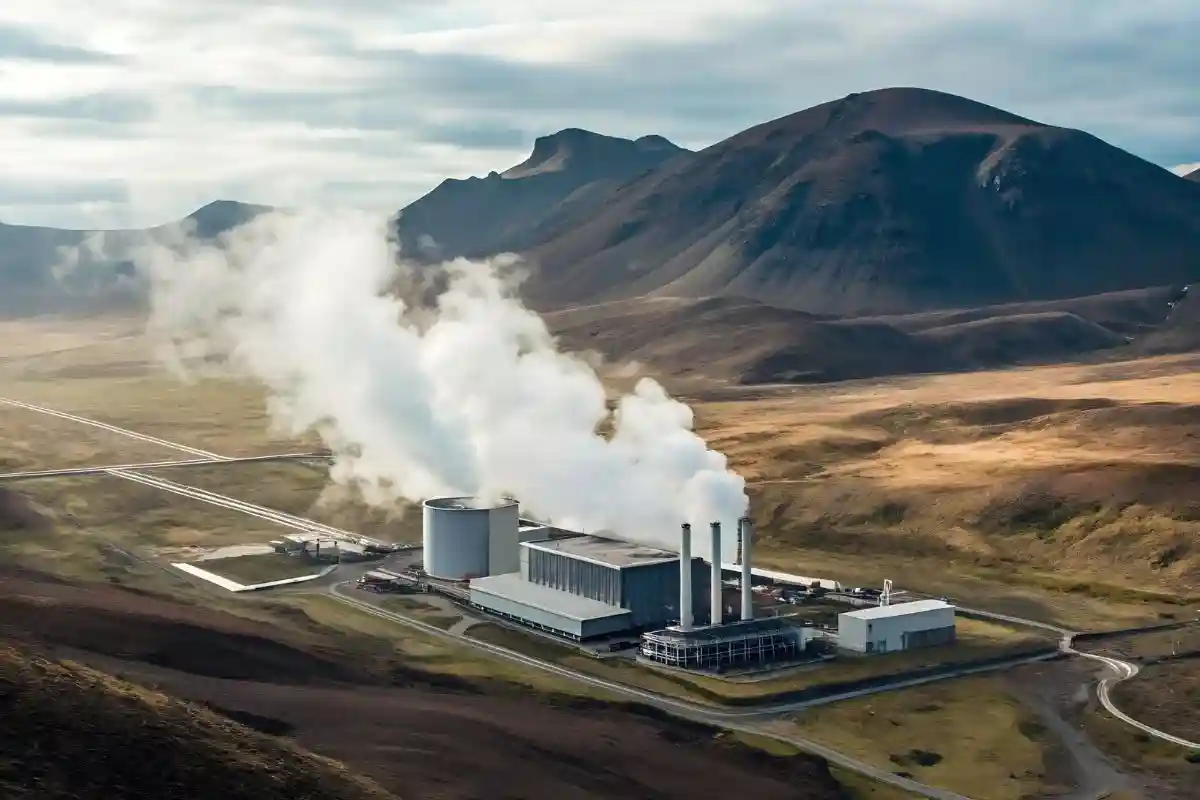
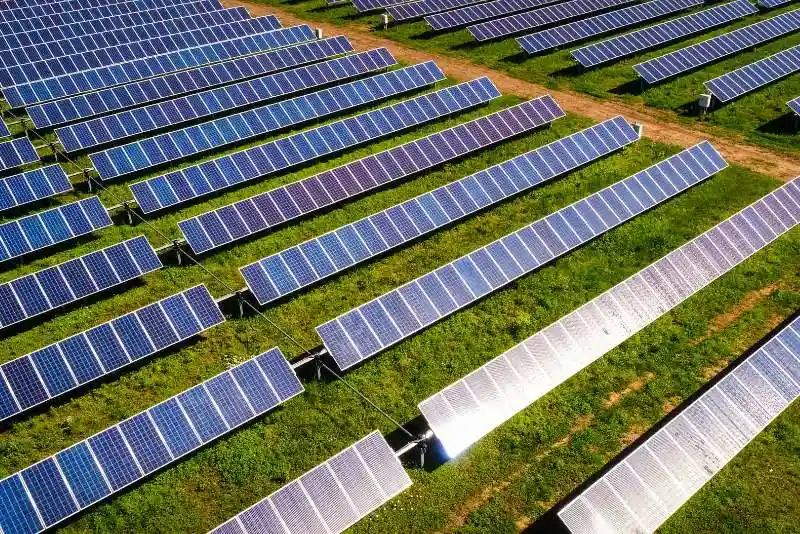
Reducing our personal carbon footprint is one of the most direct ways to contribute. Simple habits like conserving energy, minimizing waste, choosing sustainable transportation, and supporting renewable energy sources all help lower emissions. Dietary changes, such as eating less meat and more plant-based foods, can also have a measurable impact. When individuals make sustainable living a part of daily life, it sets an example that can ripple through families, workplaces, and communities.
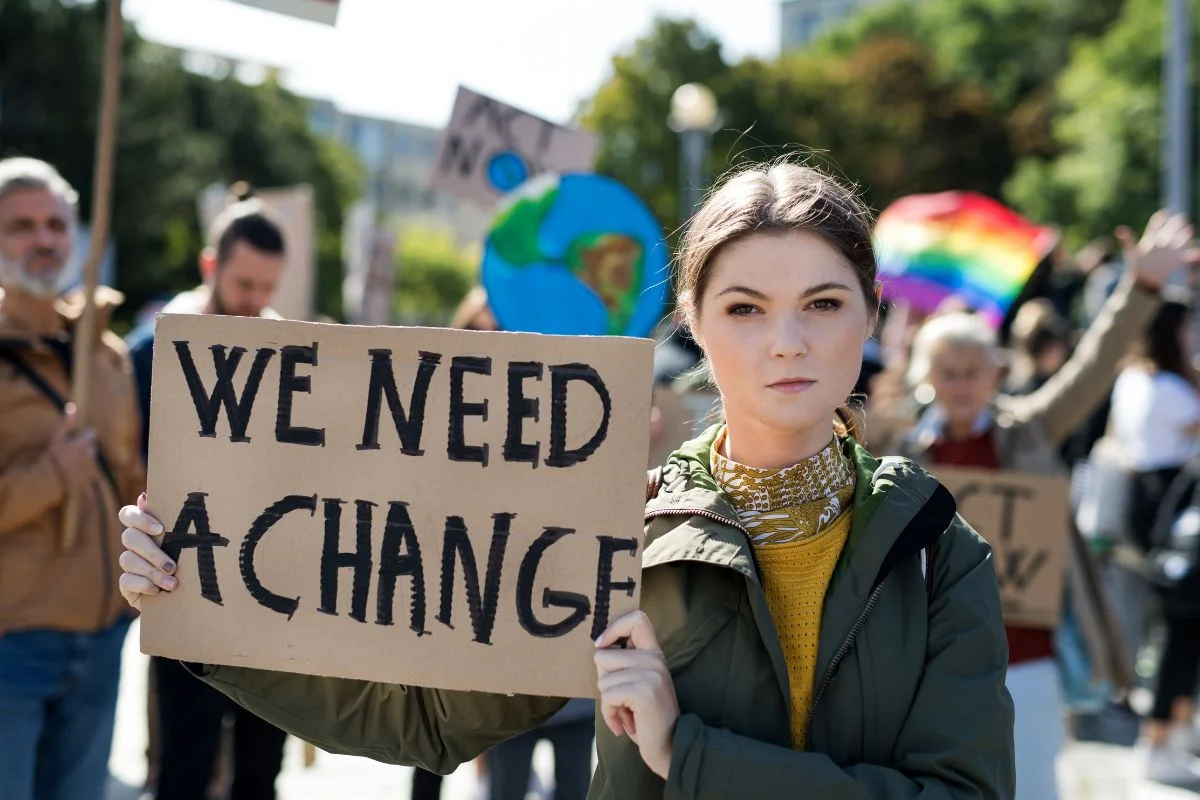
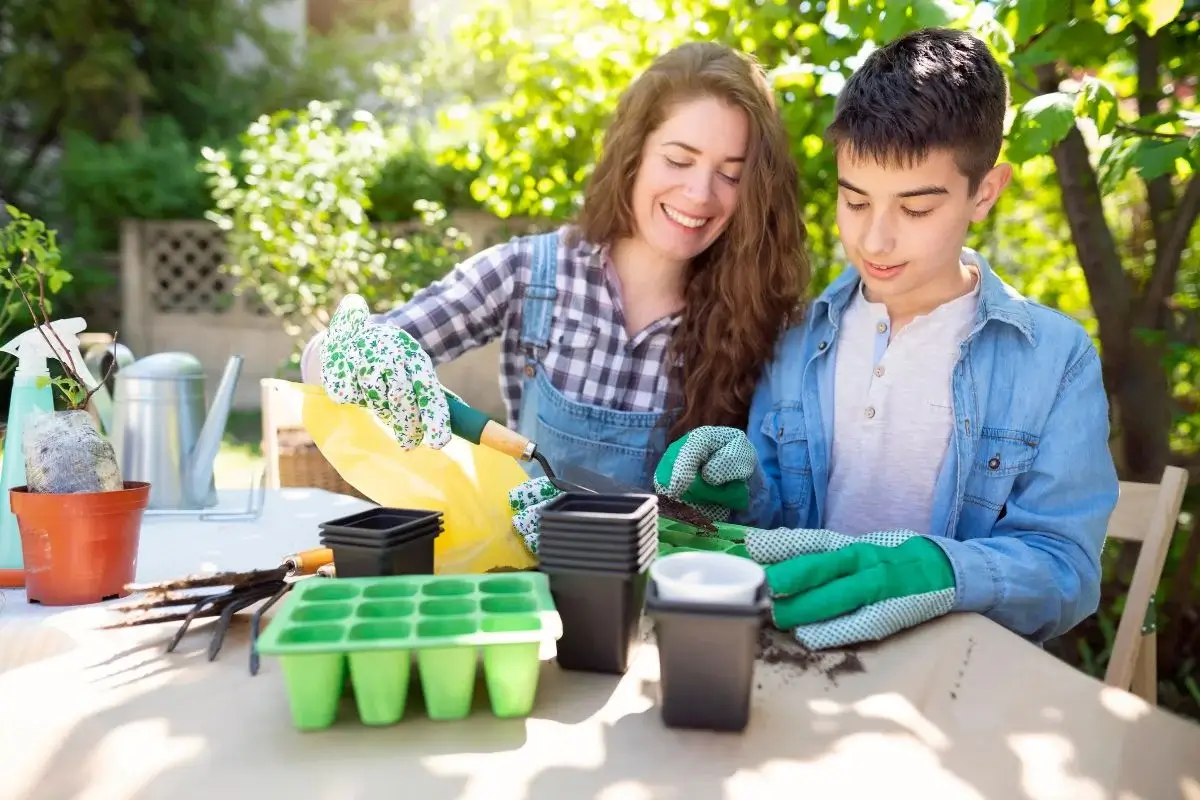
Volunteering and community engagement are equally powerful tools for change. Joining local environmental projects, such as park cleanups, tree planting, or community gardens, helps restore ecosystems while building a shared sense of purpose. Advocacy can take many forms, from writing to policymakers to participating in campaigns that demand stronger environmental protection. These collective actions amplify individual voices and show that meaningful progress comes when people unite around common goals.
Motivating others to take action begins with connection and communication. People are more likely to make changes when they see how climate issues affect their own lives and communities. Sharing stories, highlighting local successes, and showing practical ways to get involved can turn awareness into participation. Schools, community groups, and online platforms all play an important role in spreading accurate information and empowering people to act. When individuals see that their efforts matter and that collective action leads to visible results, they become part of a growing movement for a healthier, more sustainable planet.
What meaningful actions can individuals take to reduce their carbon footprints and support climate solutions? How can education, storytelling, and community involvement inspire more people to act? What role do collaboration and shared responsibility play in creating lasting environmental change? How can local and global efforts work together to build a sustainable future for everyone?
Use the online submission form when sending your articles to help us track all of your submissions. Please try to write about the above topic. Your response should be at least 1,000 words.
To receive credit, your effort is what matters. You should find ways to contribute thoughtful ideas that will help others. Feel free to use personal stories or other information that you want to share, but do not use real names or other identifying information. You may write your response in the space provided or upload your response. Once we review your response, you will receive credit.
Click the button below to submit your article and get your credit.


Membership Email:
Verification Status: