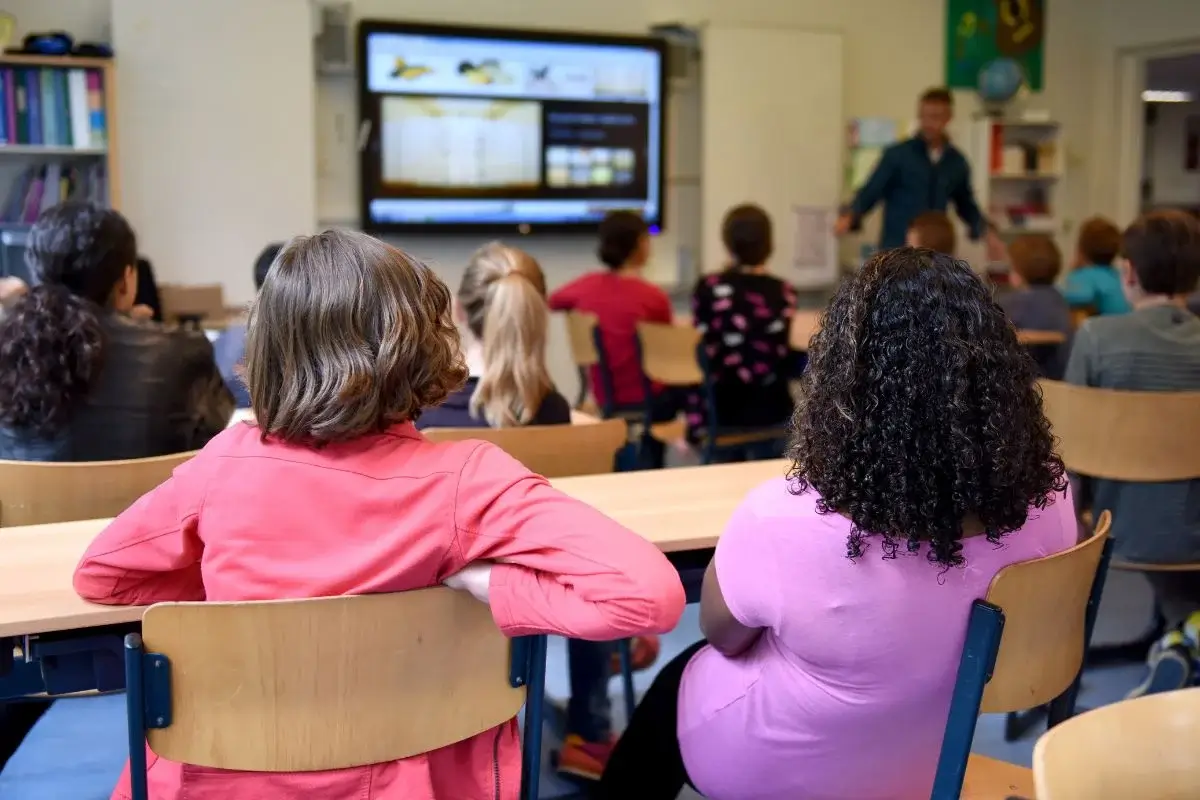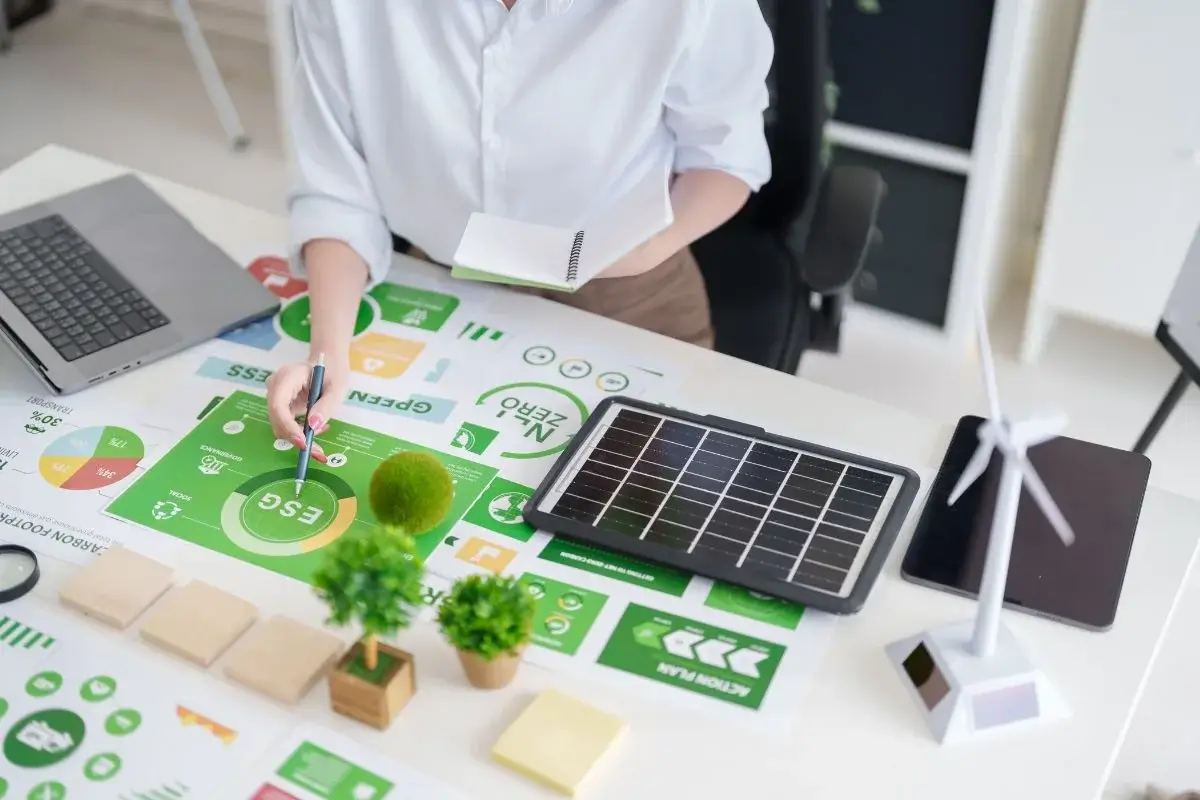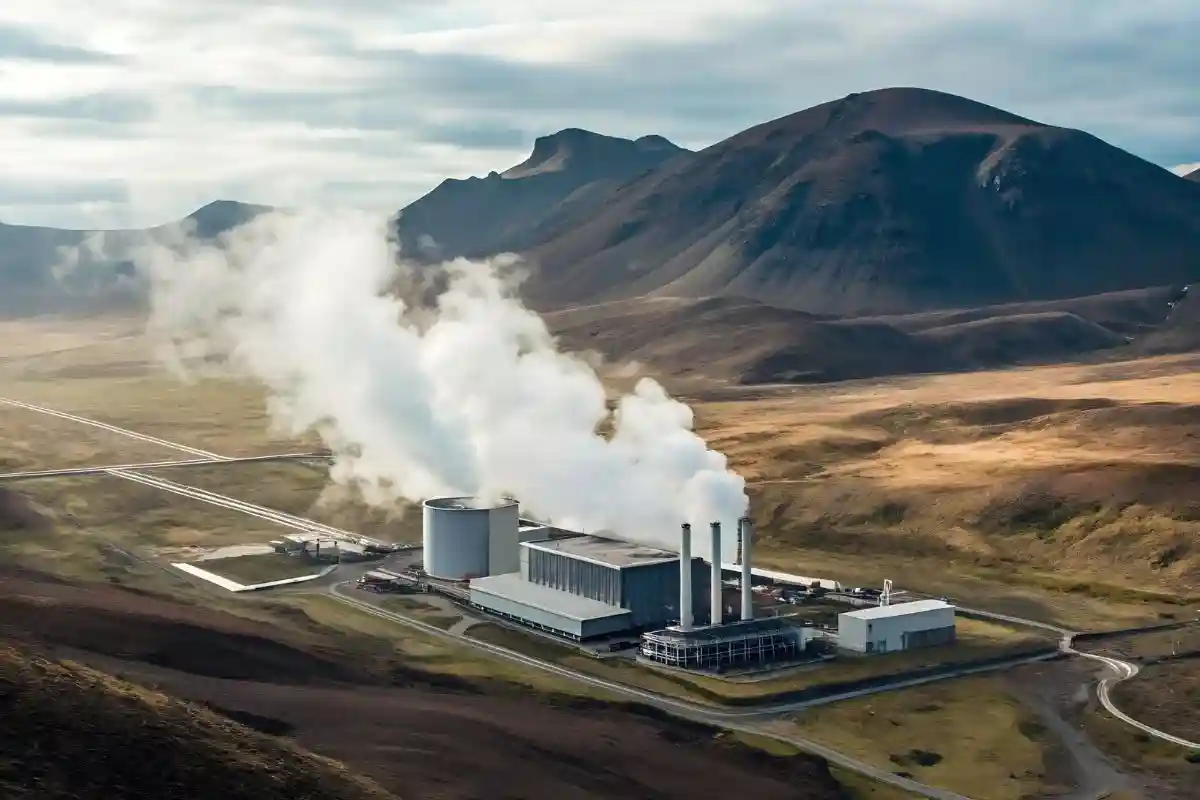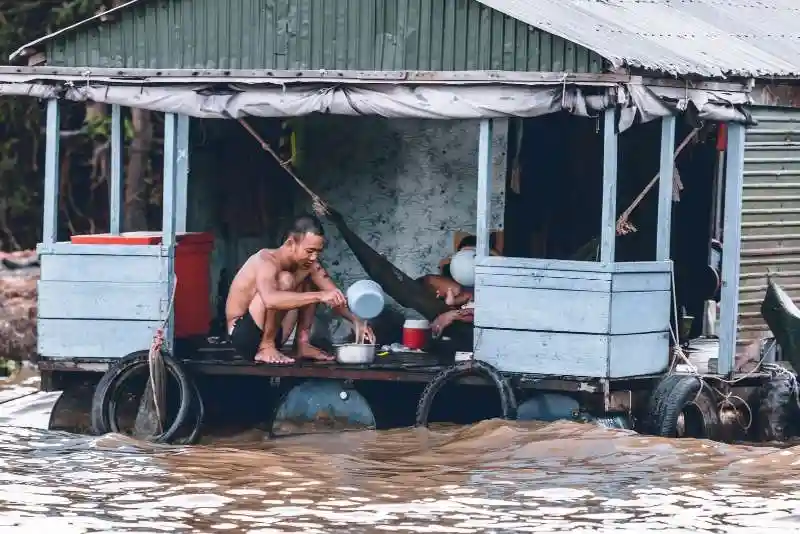
Climate education plays a vital role in preparing future generations to understand, adapt to, and solve the challenges posed by climate change. By teaching students about environmental science, sustainability, and the social impacts of climate change, we can empower them to make informed decisions and take meaningful action. Schools, governments, and communities all have a responsibility to ensure that climate education is accurate, engaging, and accessible to everyone.
Integrating climate topics into science, geography, and social studies can help students see how climate change affects every part of life. Hands-on learning experiences, such as environmental projects, field trips, and community clean-ups, can make lessons more engaging and practical. Partnerships between schools and local organizations can also expand opportunities for students to participate in real-world climate initiatives.
Governments and educational institutions can support teachers through training programs, updated curricula, and resources that make complex scientific topics easier to teach. Community involvement is equally important, as local knowledge and experiences can connect classroom learning to real-life climate solutions.
Why is climate education so important for the next generation? How can schools, governments, and communities work together to improve climate literacy? What creative approaches can make climate learning more engaging and relevant to students’ lives? How can education inspire students to take action and become leaders in sustainability and climate awareness?
Use the online submission form when sending your articles to help us track all of your submissions. Please try to write about the above topic. Your response should be at least 1,000 words.
To receive credit, your effort is what matters. You should find ways to contribute thoughtful ideas that will help others. Feel free to use personal stories or other information that you want to share, but do not use real names or other identifying information. You may write your response in the space provided or upload your response. Once we review your response, you will receive credit.
Click the button below to submit your article and get your credit.


Membership Email:
Verification Status: