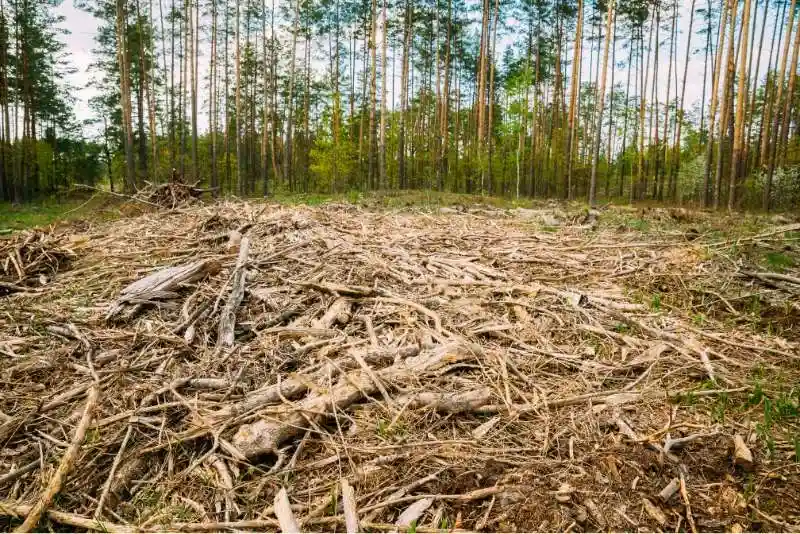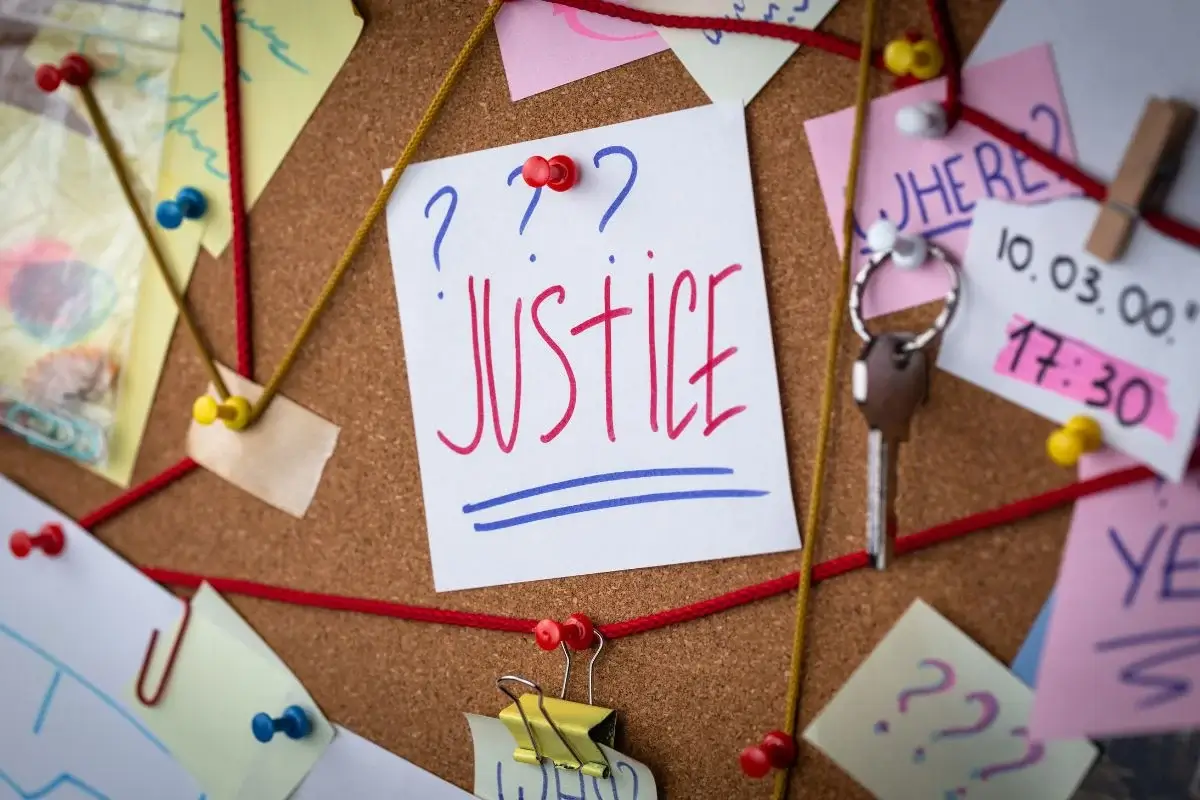
The effects of climate change are not experienced equally across all communities. Vulnerable communities, especially those with fewer resources and a history of marginalization, face the greatest challenges. Rising sea levels, heat waves, and extreme weather events hit these groups hardest, worsening existing inequalities in housing, healthcare, and access to basic resources. Addressing these disparities requires more than environmental action; it demands a commitment to social justice and equity in every climate solution.
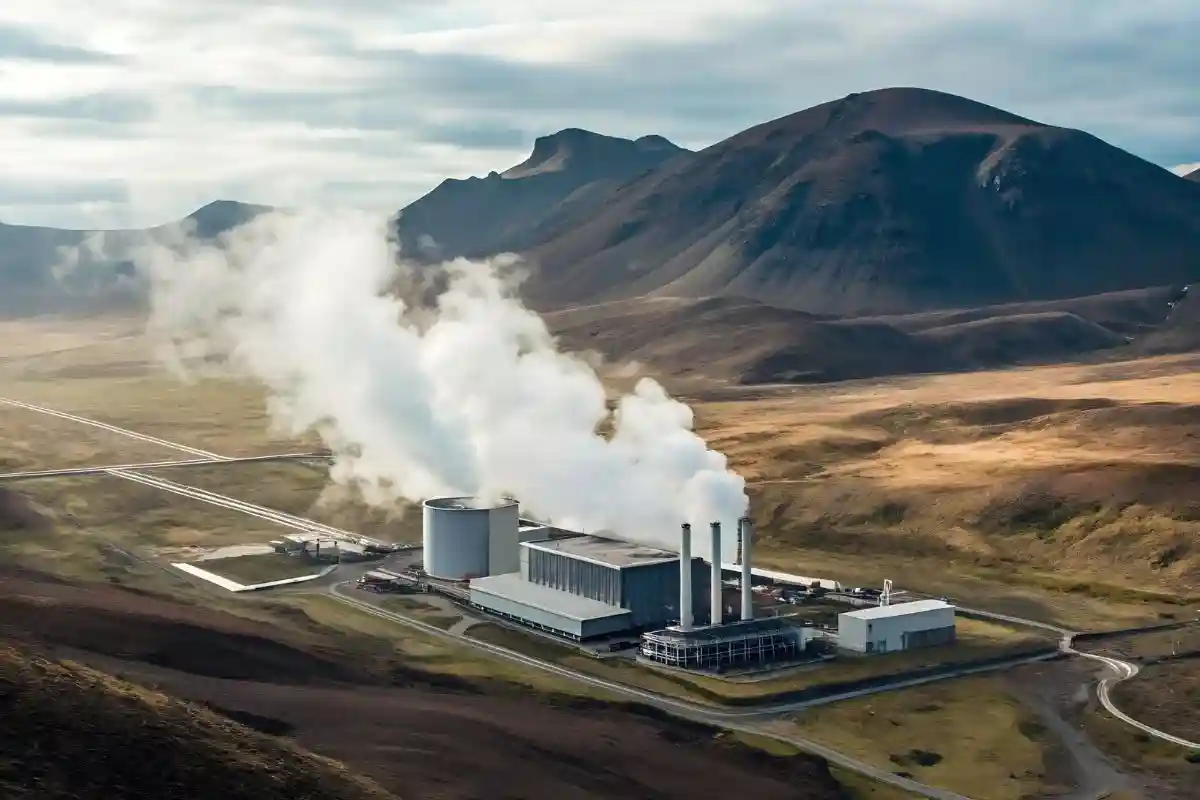
Ensuring that climate solutions are equitable and inclusive begins with listening to those most affected. When building renewable energy infrastructure or designing climate policies, the needs of low-income and minority communities must be part of the discussion. Policymakers have a responsibility to include diverse voices and create opportunities for meaningful participation in the decision-making process. Fair solutions must reflect the realities and priorities of all communities, not just those with the most influence or resources.
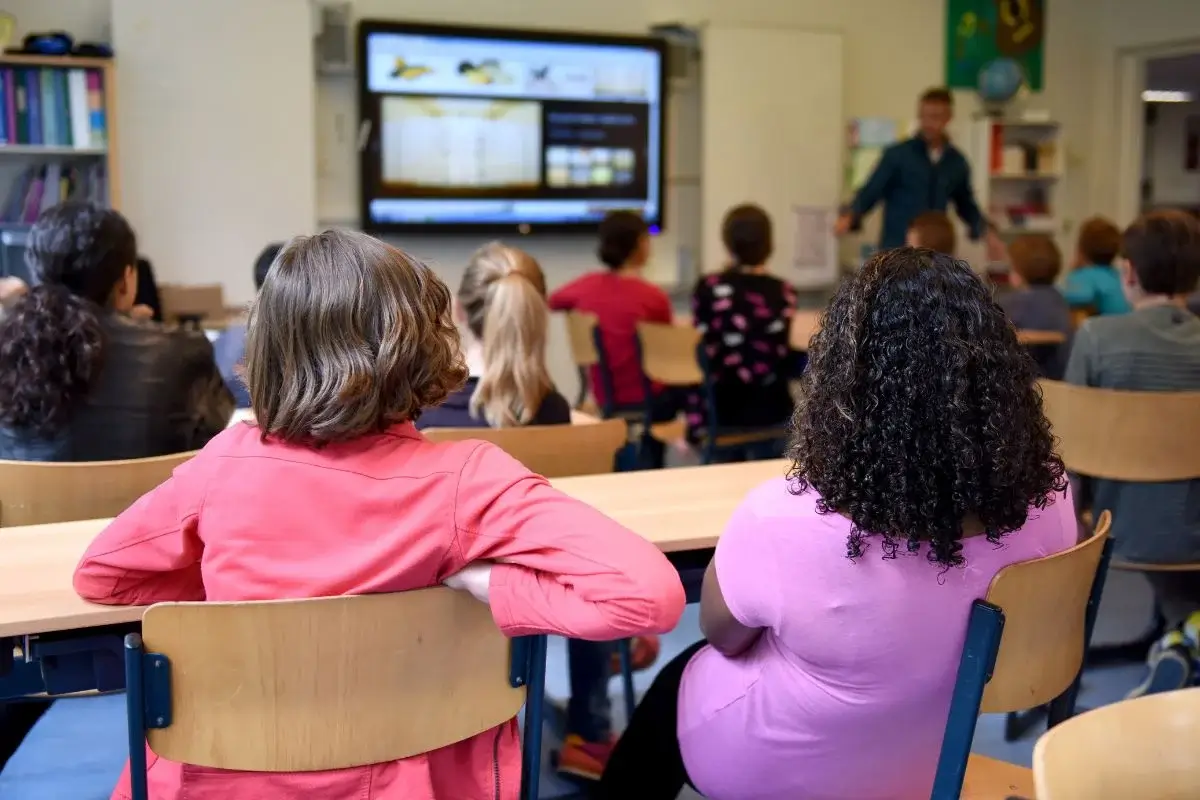
Education also plays a crucial role in advancing climate justice. Teaching the social dimensions of climate change can help people understand that environmental issues are deeply connected to human rights, health, and economic stability. Raising awareness through schools, media, and community programs can inspire both empathy and action. Beyond education, direct engagement with communities through local projects, workshops, and advocacy efforts helps people take ownership of climate solutions that benefit everyone.
By centering fairness, collaboration, and inclusion, we can create a future where climate action supports equality and resilience for all.
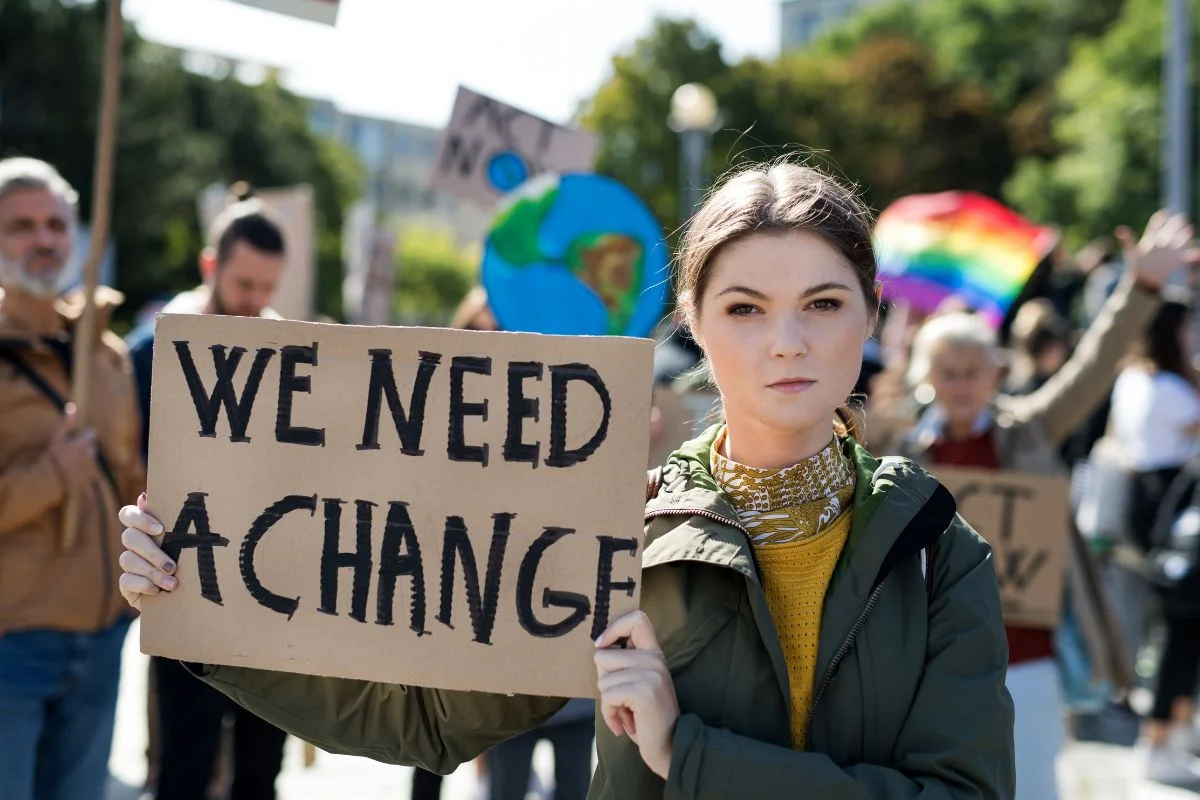
How can we ensure that climate solutions are fair and inclusive for everyone? What steps should governments and organizations take to include diverse communities in climate decision-making? How can education and storytelling be used to raise awareness about the social justice aspects of climate change? What role can individuals play in promoting equity and inclusion in the fight against climate change?
Use the online submission form when sending your articles to help us track all of your submissions. Please try to write about the above topic. Your response should be at least 1,000 words.
To receive credit, your effort is what matters. You should find ways to contribute thoughtful ideas that will help others. Feel free to use personal stories or other information that you want to share, but do not use real names or other identifying information. You may write your response in the space provided or upload your response. Once we review your response, you will receive credit.
Click the button below to submit your article and get your credit.


Membership Email:
Verification Status: