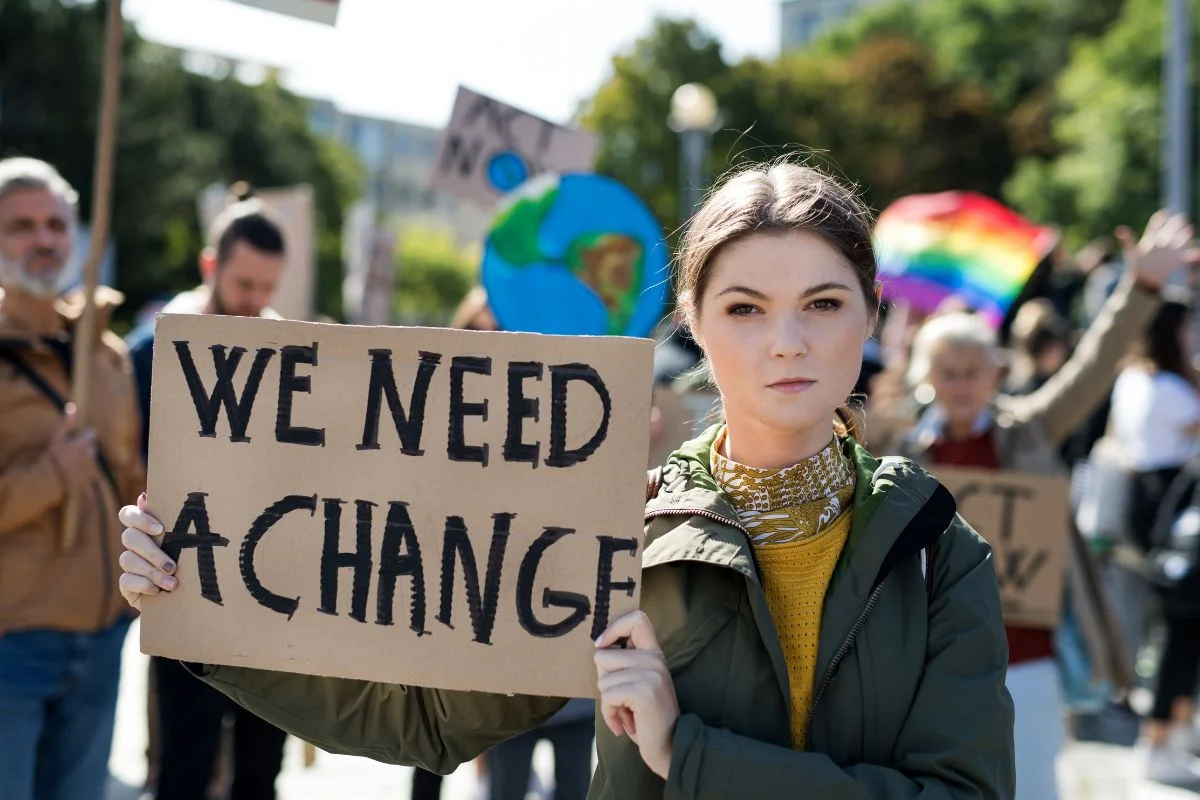
Governments play a crucial role in leading the global response to climate change. Through legislation, regulation, and international cooperation, they can set the foundation for meaningful and lasting environmental progress. By adopting renewable energy initiatives, promoting green technology, and enforcing strict emissions standards, governments have the power to transform economies and protect ecosystems. Public policy can guide industries toward sustainability while ensuring that citizens are empowered with the knowledge and tools to make environmentally conscious decisions.
Effective government action begins with education and awareness. Integrating climate education into national curriculums helps citizens understand the urgency of the crisis and the importance of sustainable living. Governments can also fund research and development for clean technologies such as solar, wind, and carbon capture systems, making these innovations more accessible and affordable. Financial incentives like tax credits for green energy or penalties for high emissions can encourage both individuals and corporations to adopt eco-friendly practices.
International collaboration is equally vital. Climate change is a global issue that requires countries to share resources, data, and technology. Agreements like the Paris Accord demonstrate the potential of unified action when nations commit to shared goals. Locally, governments can work with community leaders to ensure that sustainability policies address social equity and protect vulnerable populations most affected by environmental degradation. By combining strong leadership with community engagement, governments can create policies that balance economic growth, environmental protection, and social justice.
How can governments strengthen education, technology, and policy to effectively combat climate change? What kinds of incentives or regulations can encourage sustainable practices among individuals and corporations? How can international cooperation and local action work together to achieve global climate goals? Consider how legislation, innovation, and collaboration can create a foundation for a more sustainable and equitable future for all.
Use the online submission form when sending your articles to help us track all of your submissions. Please try to write about the above topic. Your response should be at least 1,000 words.
To receive credit, your effort is what matters. You should find ways to contribute thoughtful ideas that will help others. Feel free to use personal stories or other information that you want to share, but do not use real names or other identifying information. You may write your response in the space provided or upload your response. Once we review your response, you will receive credit.
Click the button below to submit your article and get your credit.


Membership Email:
Verification Status: