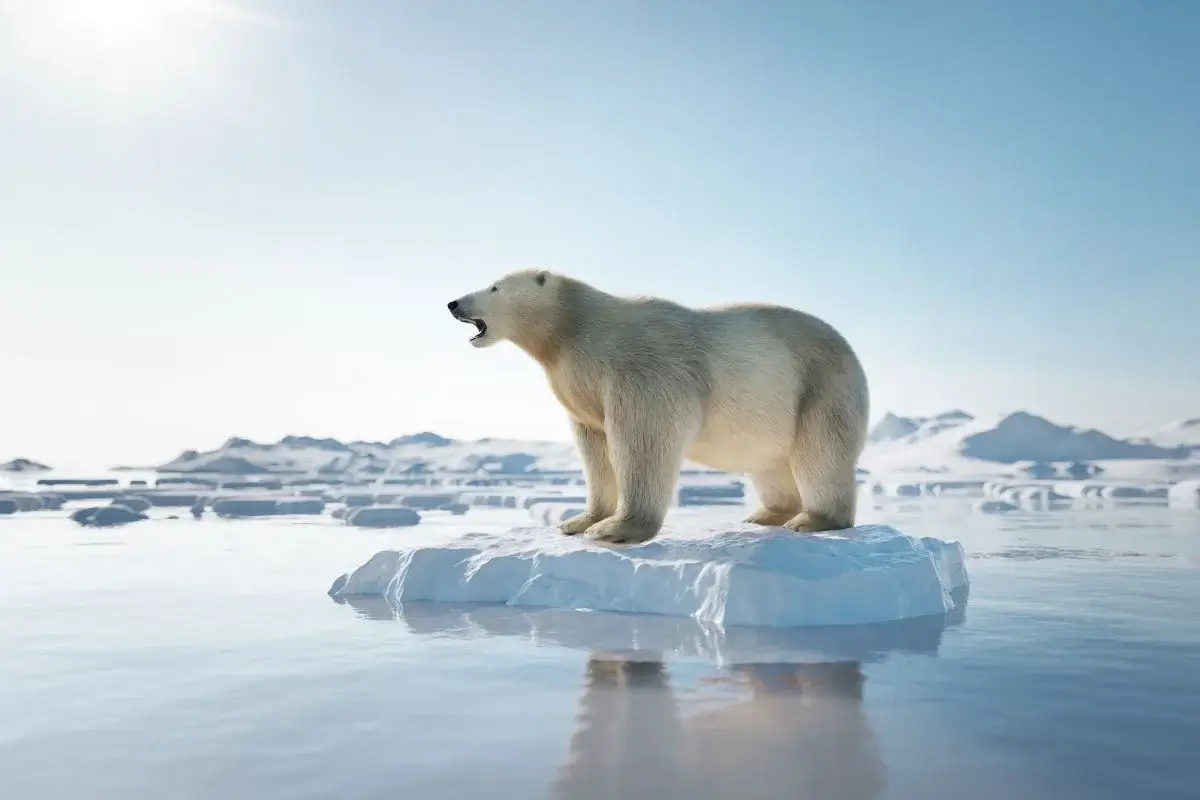
Sea level rise is one of the most urgent consequences of climate change, threatening ecosystems, communities, and economies around the world. It happens mainly for two reasons. The first is the melting of glaciers and polar ice caps, which adds more water to the oceans. The second is thermal expansion, where ocean water expands as it warms due to rising global temperatures. Together, these processes are causing sea levels to rise faster than ever before, placing coastal cities and island nations at risk.
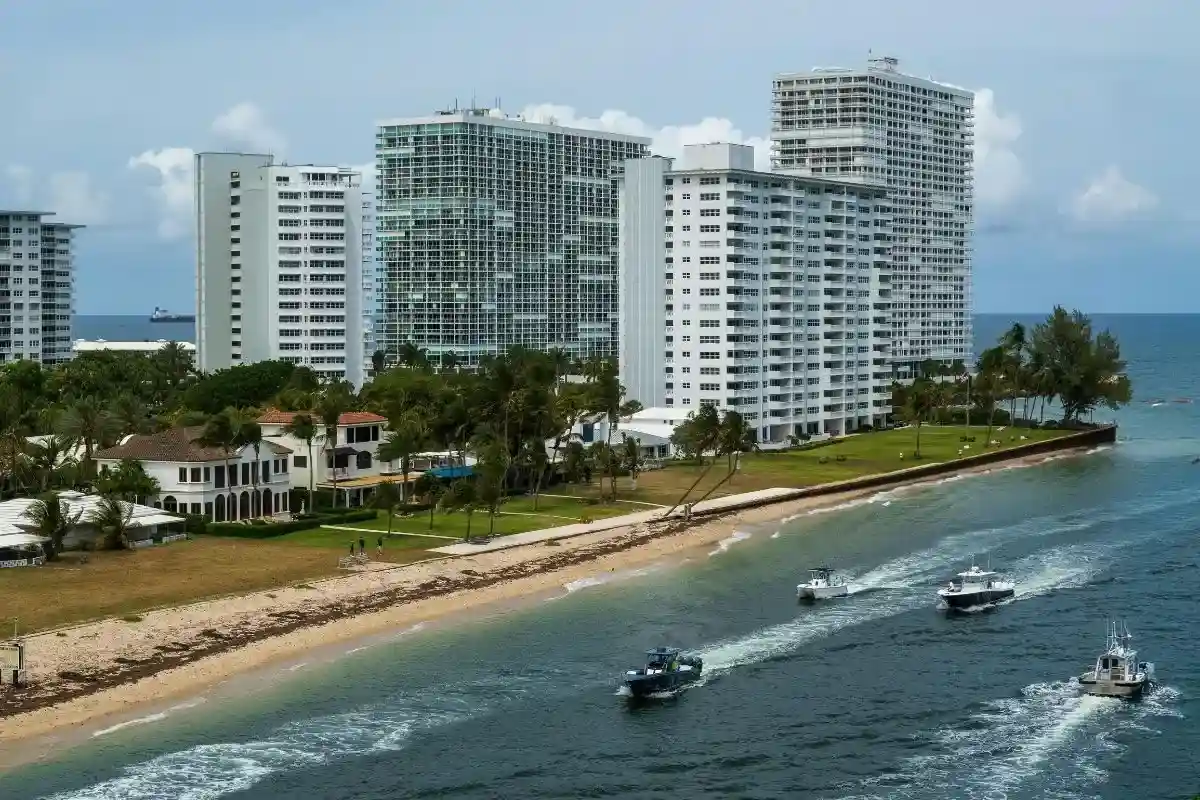
The effects of sea level rise are wide-ranging and deeply concerning. Flooding in coastal areas is becoming more frequent and severe, leading to property damage, displacement, and economic losses. Rising seas also increase the risk of storm surges, which can devastate communities during hurricanes or typhoons. In addition, saltwater intrusion threatens freshwater supplies and agricultural lands, while coastal erosion endangers wildlife habitats and reduces biodiversity. These challenges underscore the need for immediate global cooperation to protect both people and the environment.
Addressing sea level rise requires a mix of innovation, infrastructure, and environmental restoration. Governments and local communities can invest in flood barriers, seawalls, and elevated infrastructure to reduce vulnerabilities. Nature-based solutions, such as restoring mangroves, wetlands, and coral reefs, are equally important because they act as natural buffers that absorb wave energy and prevent erosion. On an individual level, reducing carbon emissions through sustainable living and supporting policies that promote renewable energy can help slow the pace of climate change.
What are the main causes and consequences of sea level rise? How can governments, communities, and individuals work together to reduce the risks and protect vulnerable regions? What innovative solutions are already being used to adapt to rising seas, and what lessons can be learned from countries that are on the front lines of this challenge? How can restoring natural ecosystems like mangroves and wetlands help in building coastal resilience?
Use the online submission form when sending your articles to help us track all of your submissions. Please try to write about the above topic. Your response should be at least 1,000 words.
To receive credit, your effort is what matters. You should find ways to contribute thoughtful ideas that will help others. Feel free to use personal stories or other information that you want to share, but do not use real names or other identifying information. You may write your response in the space provided or upload your response. Once we review your response, you will receive credit.
Click the button below to submit your article and get your credit.


Membership Email:
Verification Status: