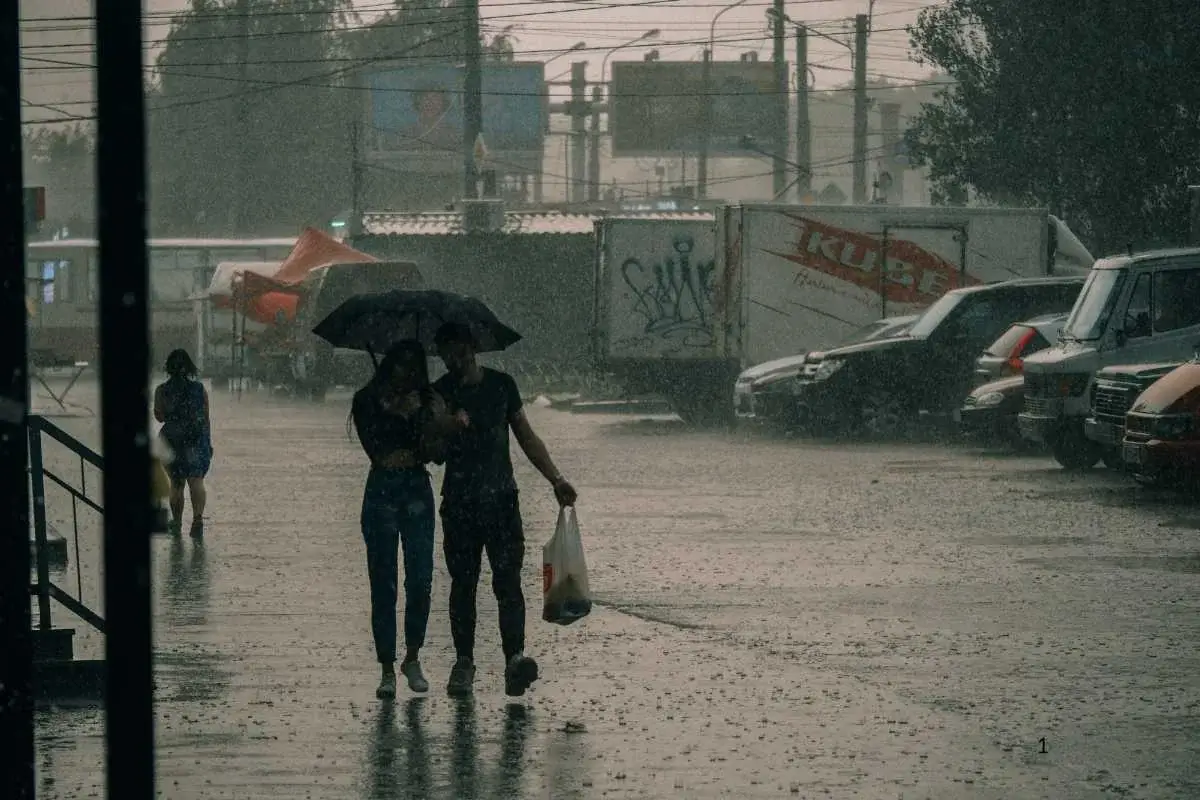
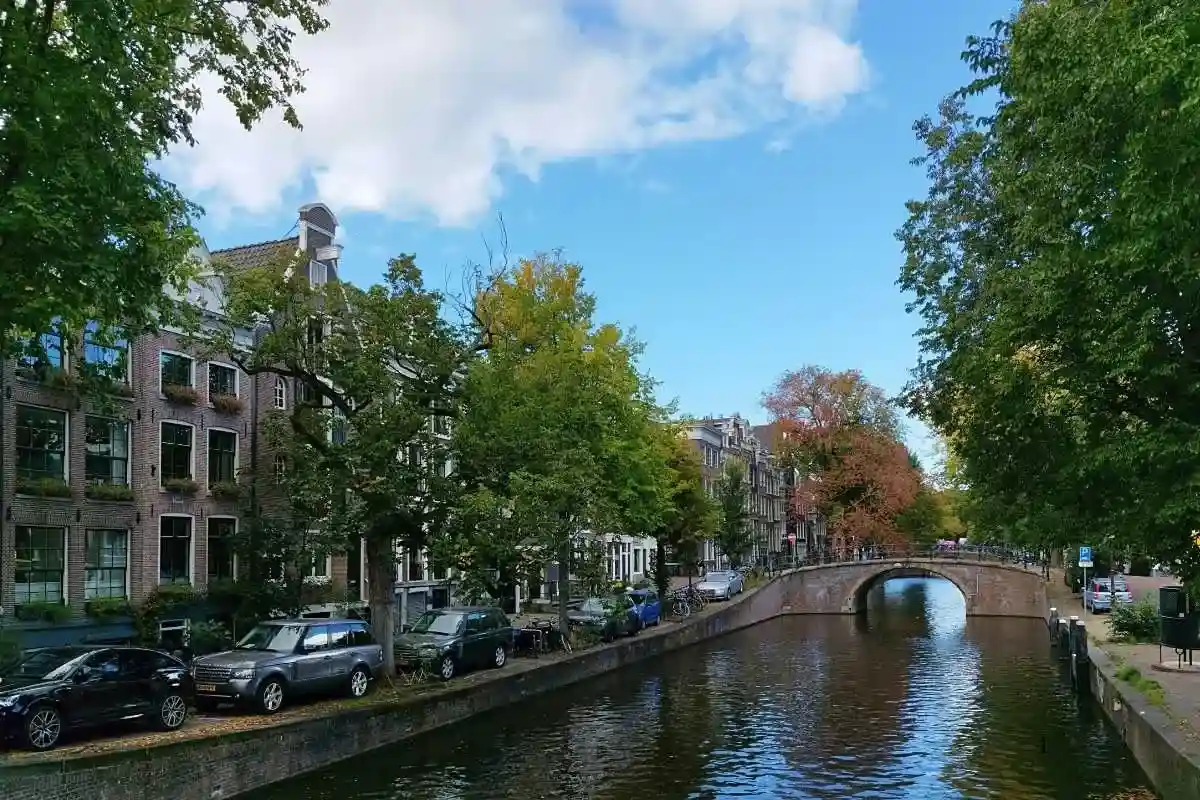
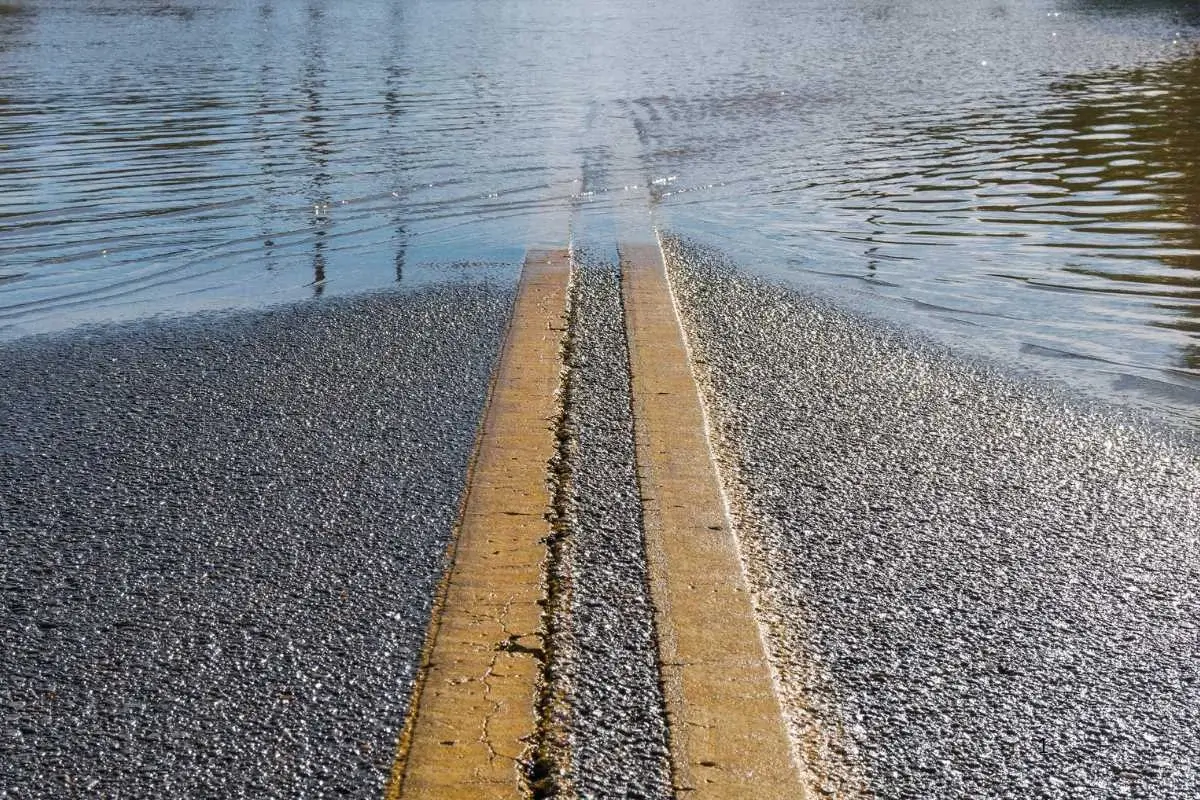
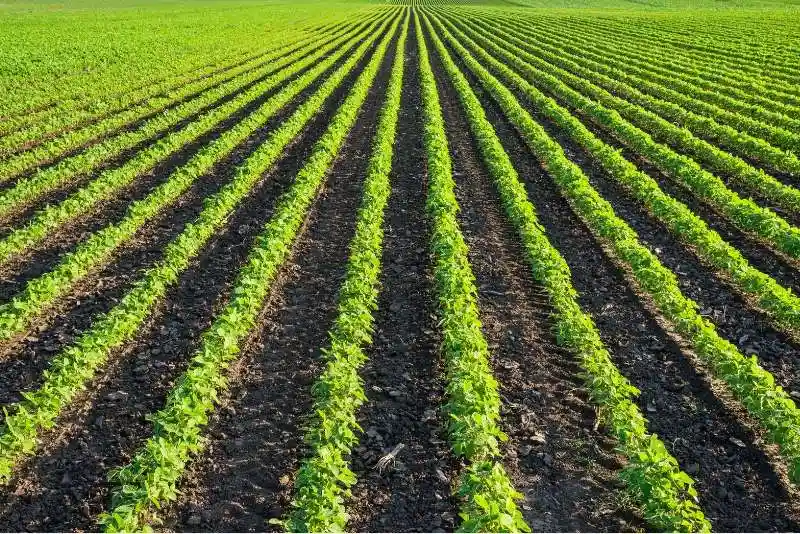
Adapting to a changing climate means learning how to adjust to the effects of global warming, both now and in the years ahead. It involves taking proactive steps to reduce risks, protect communities, and strengthen resilience against challenges such as rising sea levels, stronger storms, droughts, and shifting ecosystems. Adaptation is essential because it helps safeguard lives, livelihoods, and the natural systems we depend on. By improving infrastructure, protecting natural resources, and promoting sustainable practices, societies can better prepare for the changes already taking place while building a foundation for a more secure future.
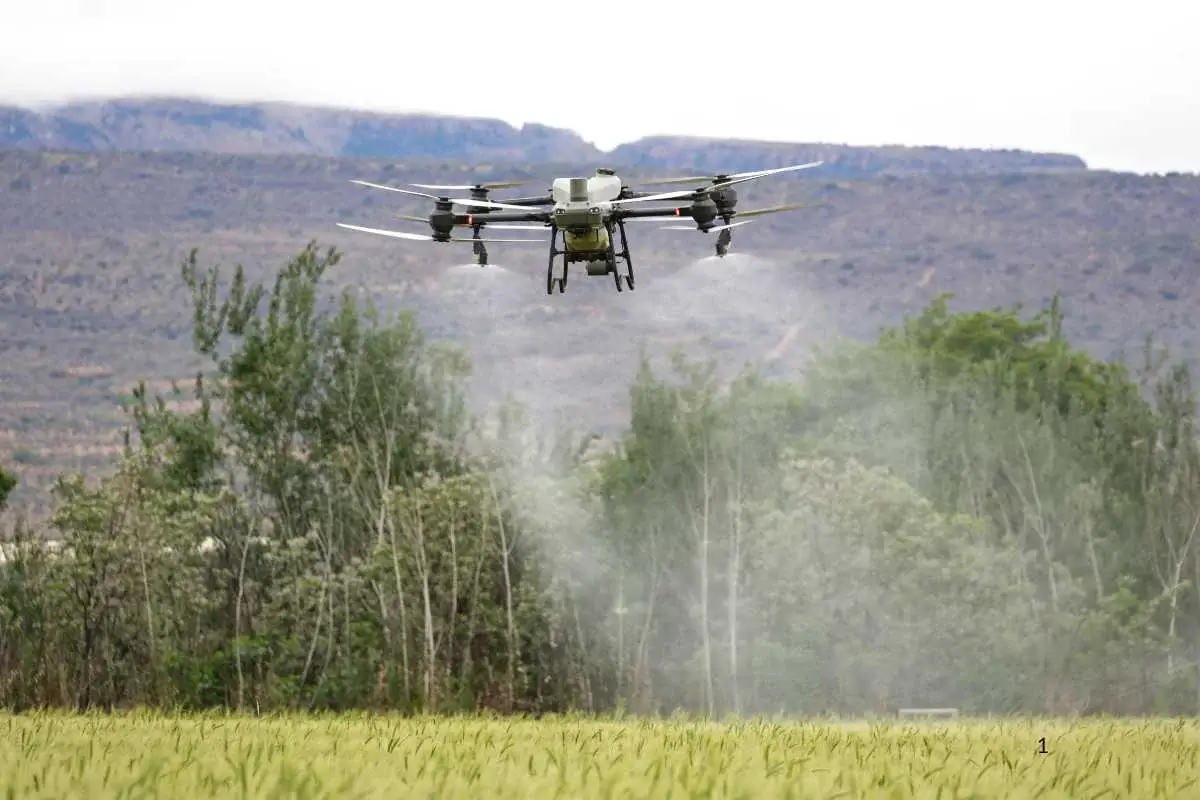
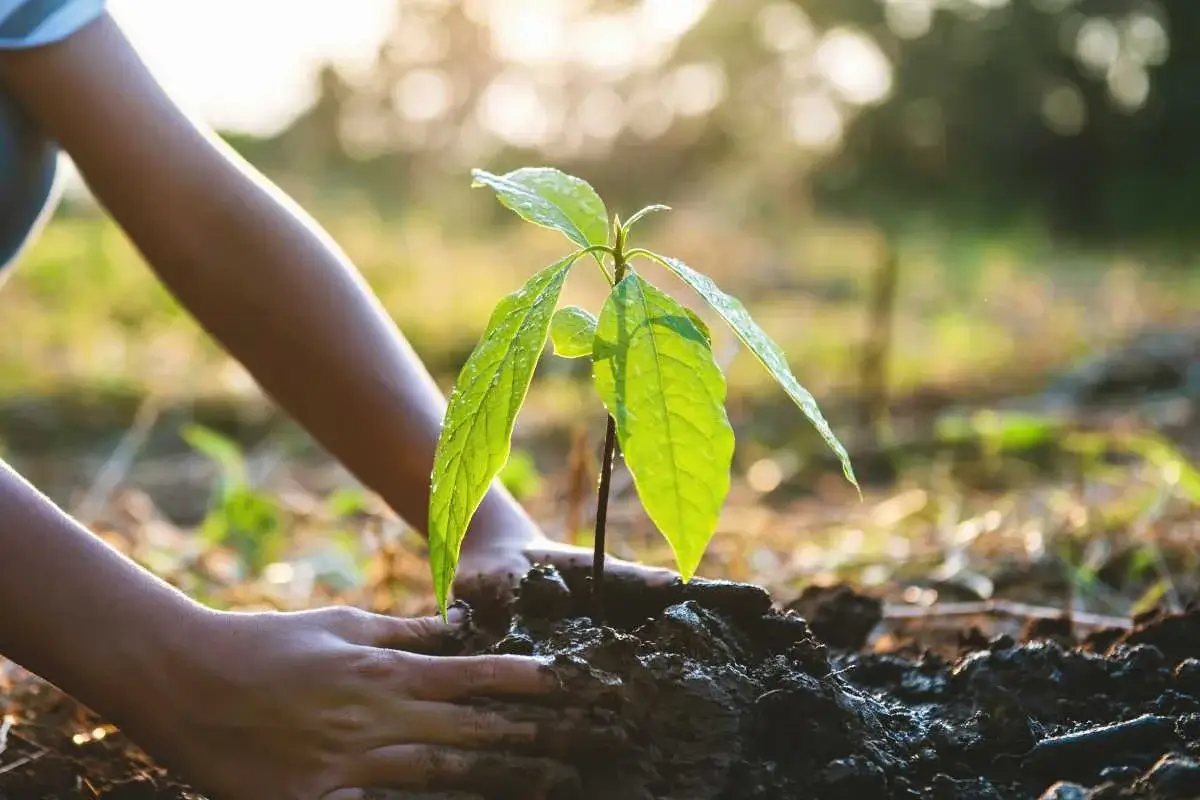
Adaptation efforts can take many forms. Cities can invest in green infrastructure like flood barriers, rain gardens, and energy-efficient buildings that withstand extreme weather. Rural areas can develop climate-smart agriculture that conserves water, restores soil health, and maintains food security even in tough conditions. Communities can plant trees, expand urban gardens, and promote renewable energy projects to strengthen local resilience. Education also plays a key role, helping people understand the importance of preparedness and empowering them to take meaningful action.
Every individual has a role to play in adapting to the changing climate. Small daily choices such as conserving water, reducing waste, supporting sustainable businesses, and staying informed can add up to significant positive change. Adaptation is not just about survival, it is about creating opportunities to thrive in a new reality where innovation, cooperation, and awareness lead the way to a sustainable and resilient future.
How can individuals, communities, and governments work together to adapt to the impacts of climate change? What actions can people take in their daily lives to reduce vulnerability and build resilience? How can projects like flood defenses, sustainable agriculture, or renewable energy programs make a lasting difference? Reflect on why adaptation measures are essential for creating a future that is not only sustainable but also safe and equitable for everyone.
Use the online submission form when sending your articles to help us track all of your submissions. Please try to write about the above topic. Your response should be at least 1,000 words.
To receive credit, your effort is what matters. You should find ways to contribute thoughtful ideas that will help others. Feel free to use personal stories or other information that you want to share, but do not use real names or other identifying information. You may write your response in the space provided or upload your response. Once we review your response, you will receive credit.
Click the button below to submit your article and get your credit.


Membership Email:
Verification Status: