Personal Actions for Climate Adaptation
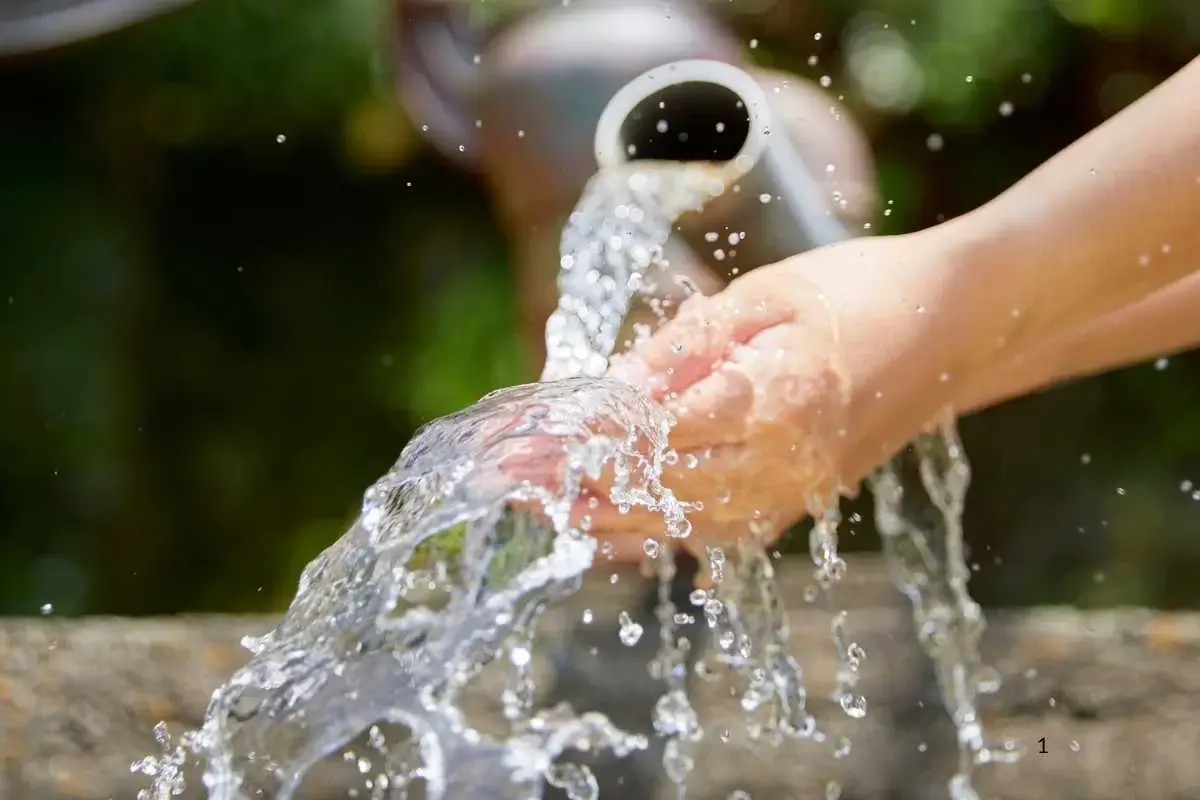
Adapting to climate change begins with the choices we make every day. Every action, from turning off unused lights to walking or biking instead of driving, helps protect the environment and reduce our overall impact. Simple habits like conserving water, using reusable items, eating locally grown foods, and reducing waste all contribute to a more sustainable and resilient future. These personal actions show that even small steps, when taken by many people, can create powerful change.
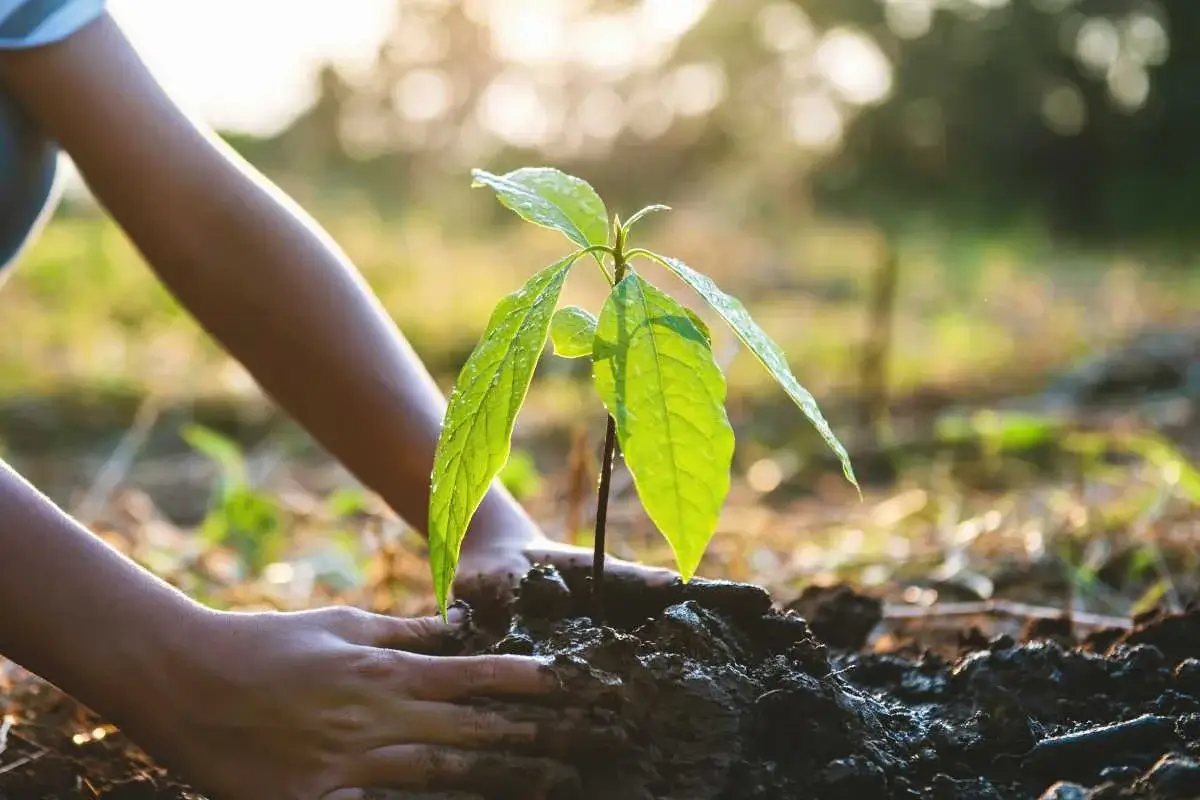
Think about what you can do in your own life to make a difference. You could switch to energy-efficient appliances, start composting, or plant trees in your neighborhood. You might reduce single-use plastics, volunteer for a community garden, or share information about sustainability with others. Each decision to live more consciously strengthens your role in protecting the planet and helps prepare communities for the effects of climate change.
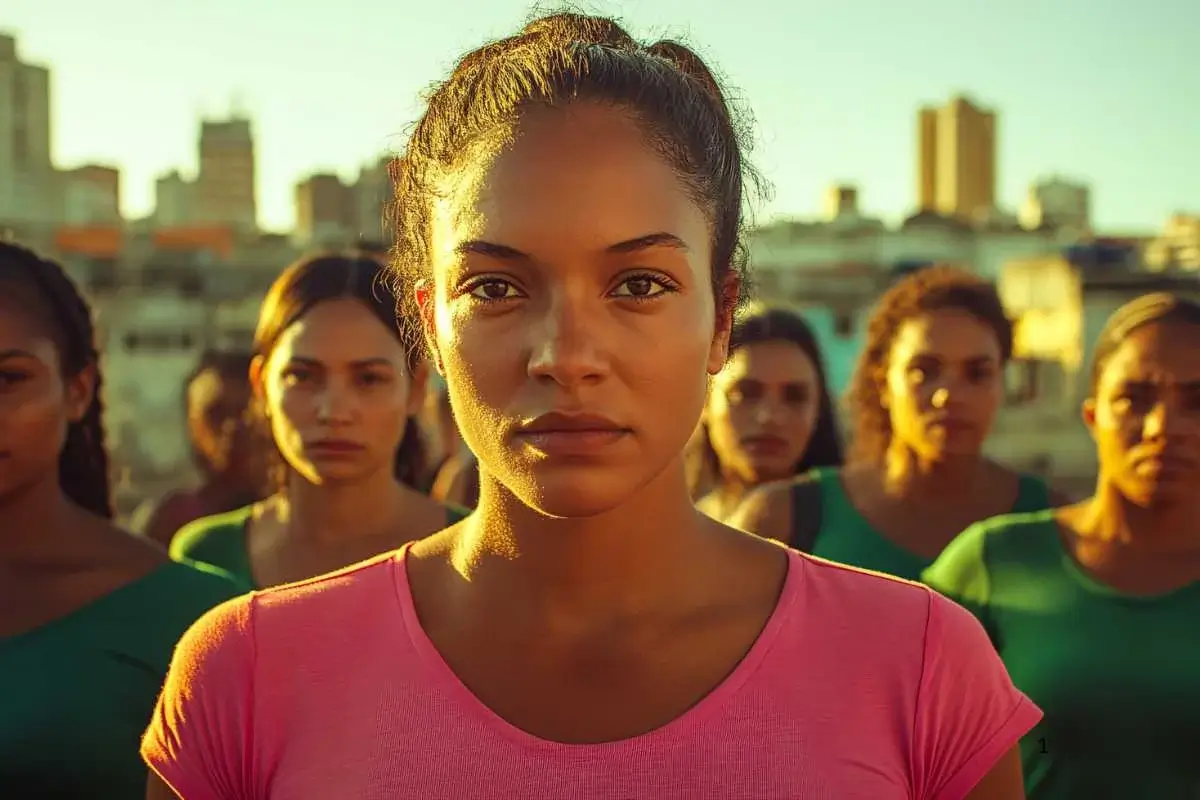
Collective action also begins with individual choices. When people come together through local projects, educational campaigns, or advocacy for stronger climate policies, they amplify their impact. Supporting community-led initiatives and spreading awareness can inspire others to follow your example, leading to a broader cultural shift toward adaptation and resilience.
What actions could you personally take to adapt to climate change and reduce your environmental impact? How can your daily habits such as conserving energy, reducing waste, or choosing eco-friendly products help create a more sustainable world? In what ways can you work with others to support climate adaptation efforts in your community? What challenges might you face in making these changes, and how could you overcome them? How can one person’s example inspire others to take meaningful action?
Use the online submission form when sending your articles to help us track all of your submissions. Please try to write about the above topic. Your response should be at least 1,000 words.
To receive credit, your effort is what matters. You should find ways to contribute thoughtful ideas that will help others. Feel free to use personal stories or other information that you want to share, but do not use real names or other identifying information. You may write your response in the space provided or upload your response. Once we review your response, you will receive credit.
Click the button below to submit your article and get your credit.


Membership Email:
Verification Status: