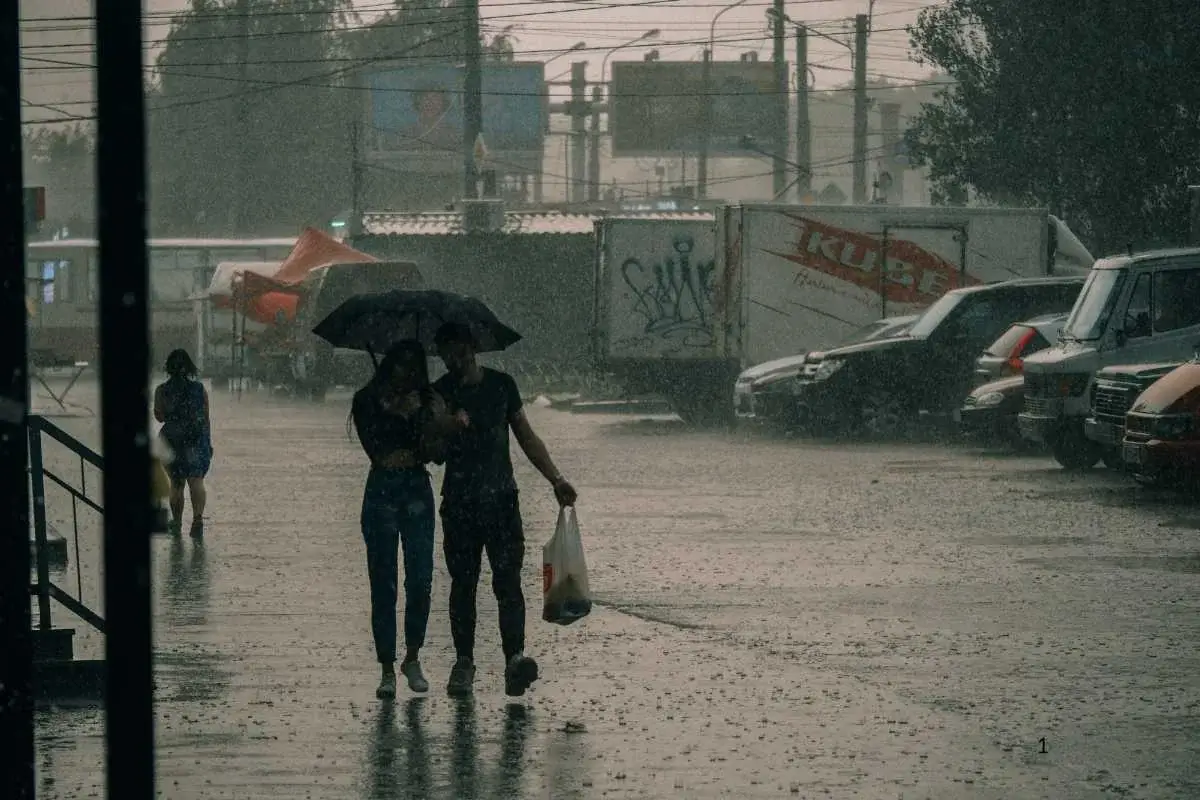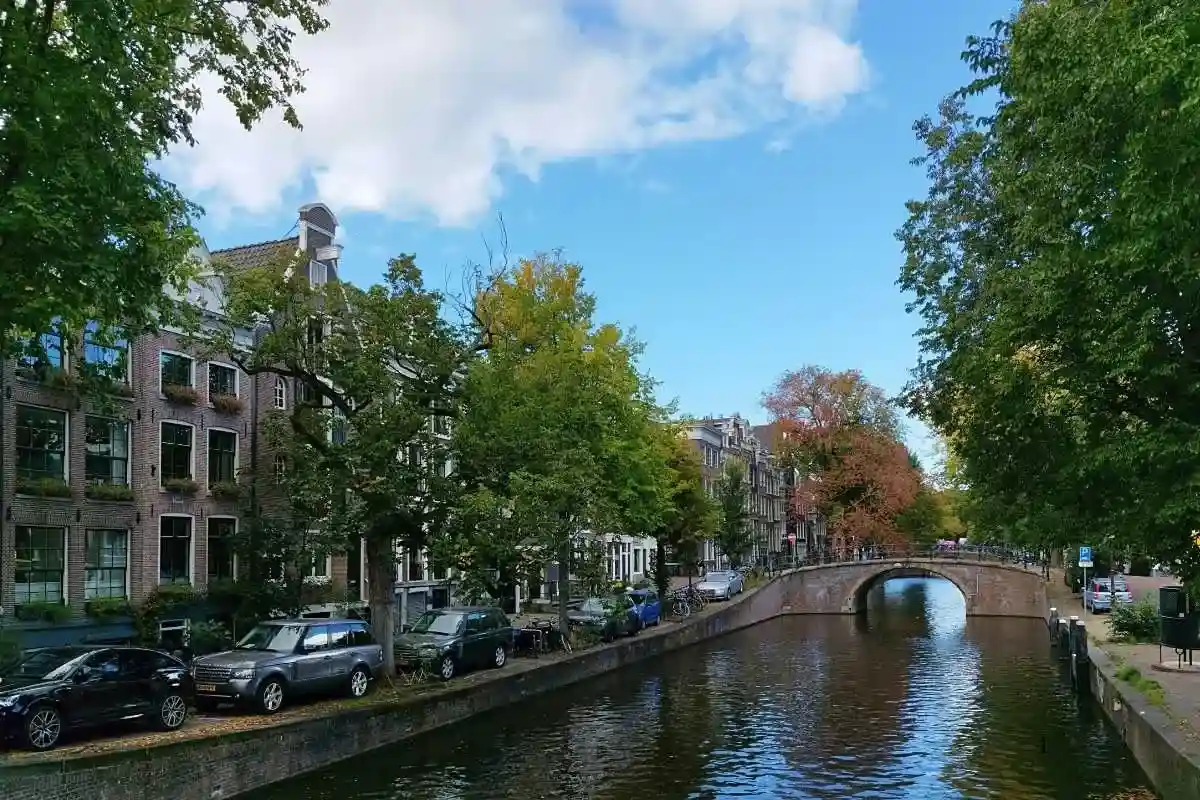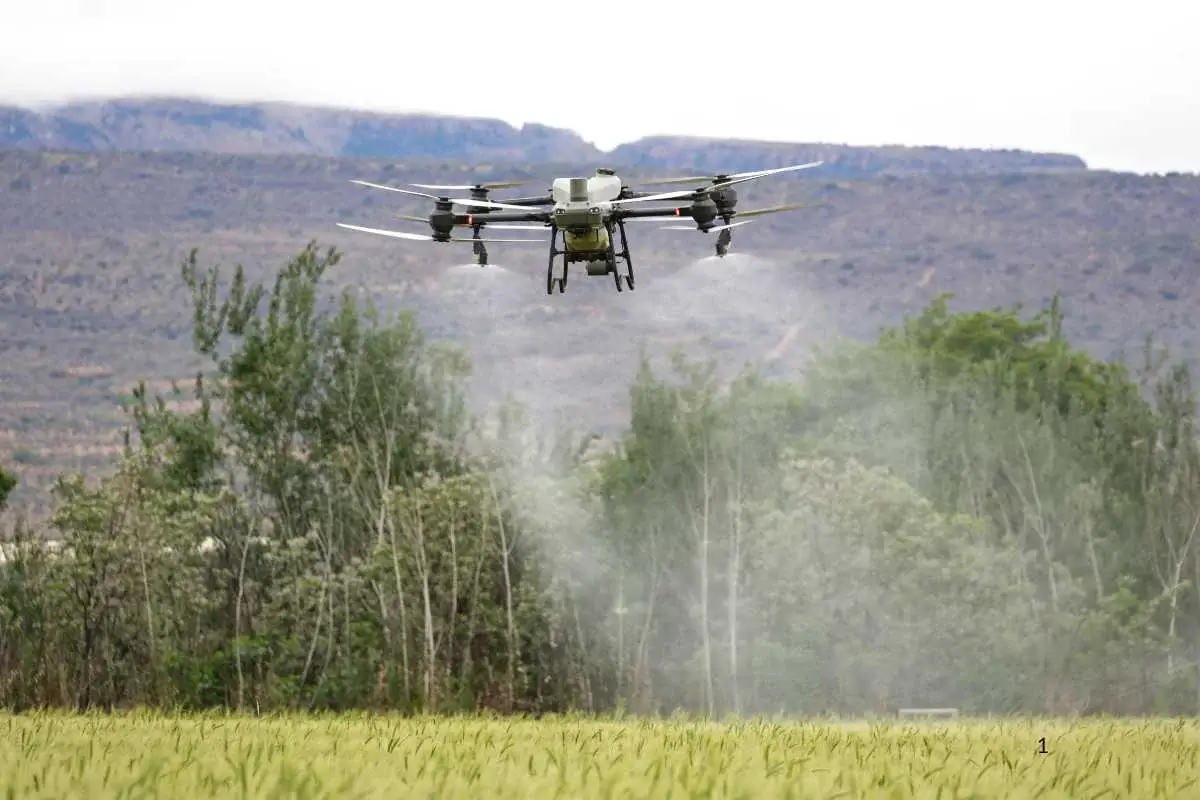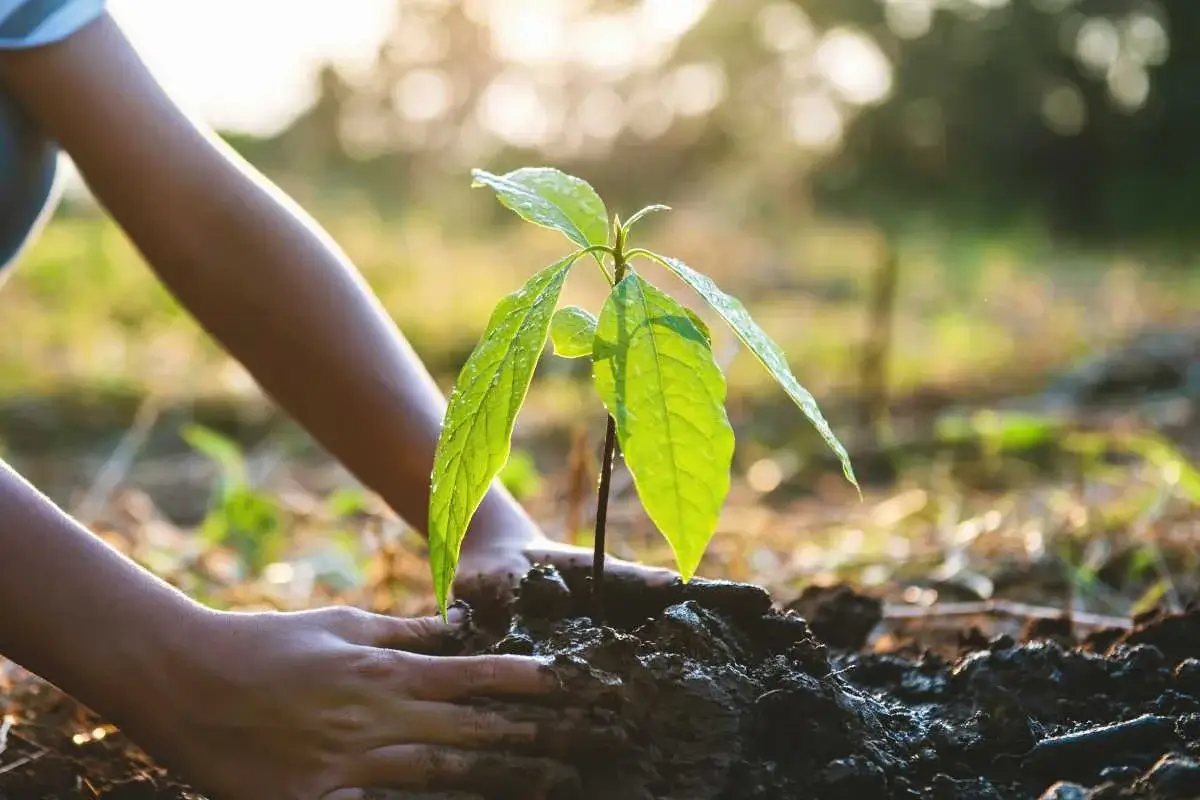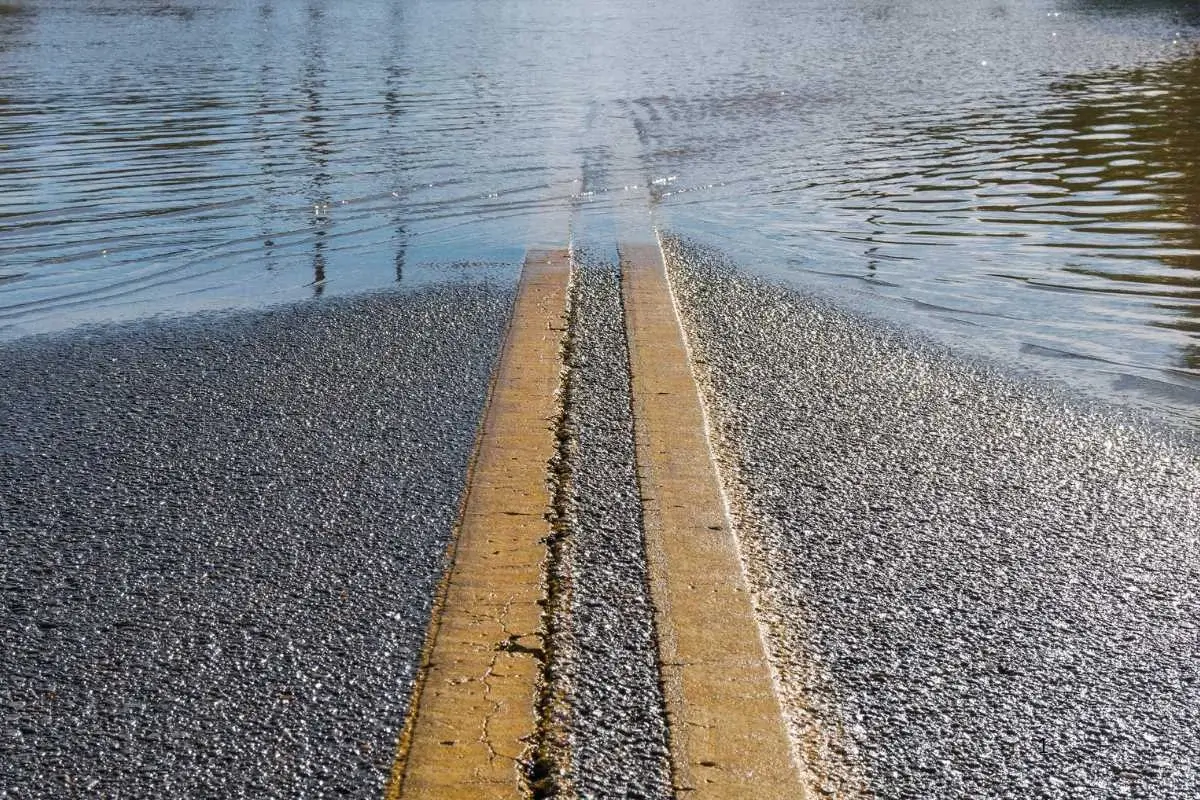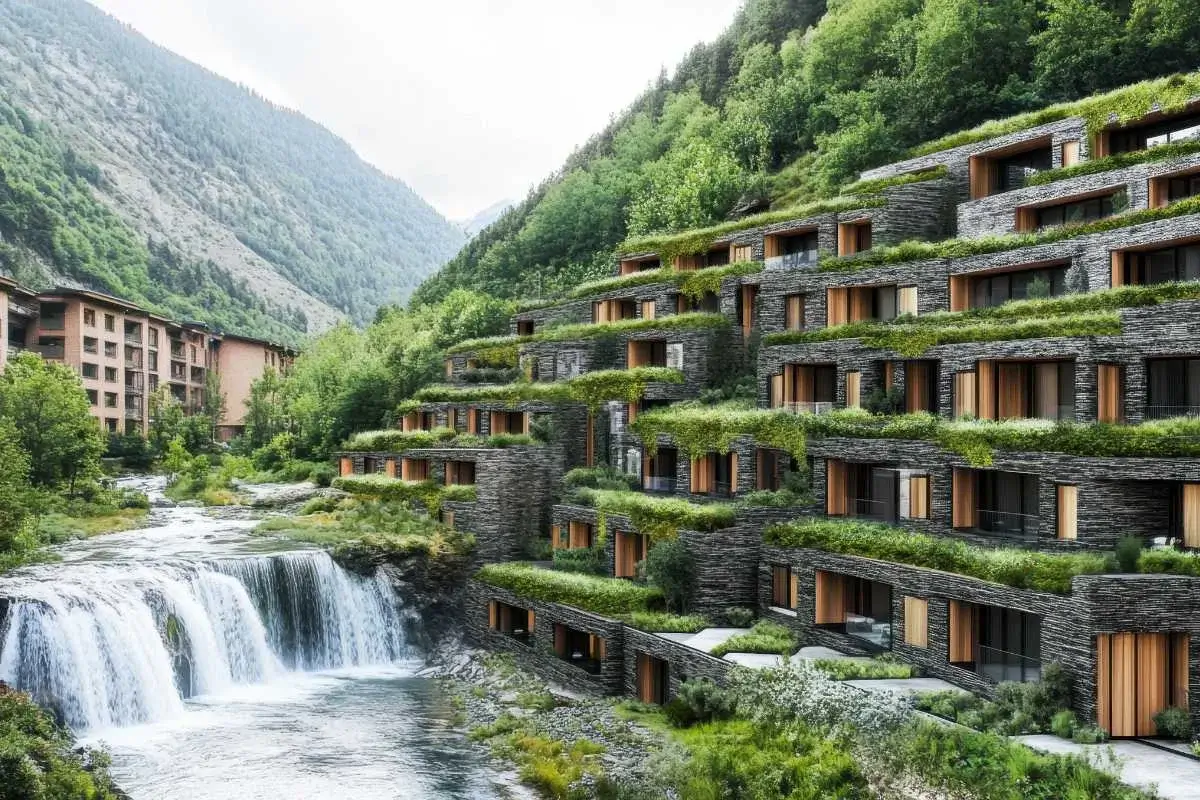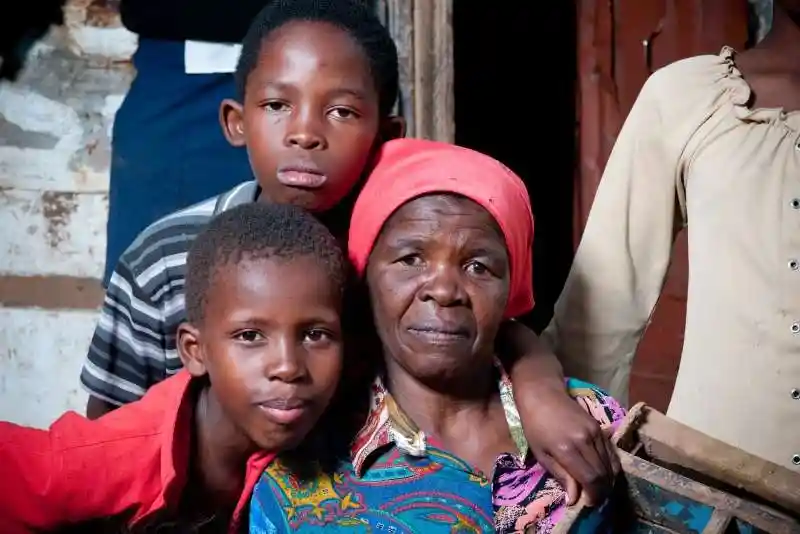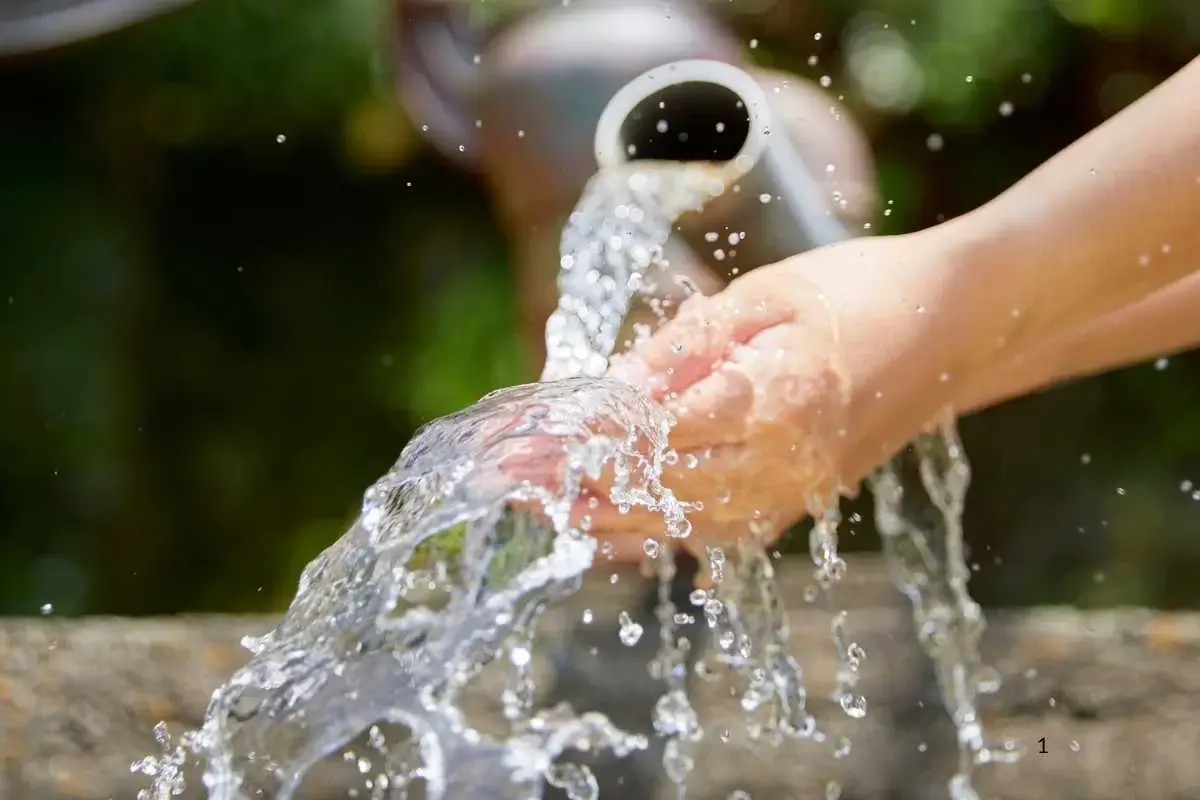
Access to clean water is essential for life, yet climate change is making it increasingly difficult to maintain reliable and safe water supplies around the world. Rising temperatures, shifting rainfall patterns, prolonged droughts, and sea-level rise are straining freshwater systems and threatening both human and ecological health. In some regions, water is becoming scarcer, while in others, floods and contamination are damaging vital resources. These challenges highlight the urgent need for climate adaptation strategies that protect and manage water more sustainably, ensuring that everyone has access to this critical resource.
Climate adaptation focused on clean water involves innovation, planning, and collaboration at every level. Communities can develop systems that collect and store rainwater, improve irrigation efficiency, and protect local watersheds from pollution and overuse. Governments can invest in infrastructure that withstands extreme weather, such as flood-resistant pipes and treatment facilities. Technologies like desalination, water recycling, and purification systems are also transforming the way we manage water, providing solutions in regions that face chronic shortages. Education and public awareness play an equally important role by encouraging conservation and responsible water use in homes, schools, and industries.
Ensuring clean water for all is not only an environmental issue but also a matter of equity and resilience. Vulnerable populations are often hit hardest by water scarcity and pollution, making it vital to design policies that prioritize fairness and accessibility. By protecting water sources, reducing waste, and embracing sustainable technologies, societies can strengthen their ability to adapt to climate change while supporting human health, food production, and economic stability.
How does climate change affect access to clean water in different parts of the world? What actions can individuals take to conserve and protect local water resources? How can communities use technologies such as rainwater harvesting, desalination, or recycling to improve water security? What role should governments play in developing infrastructure and policies that ensure equitable access to clean water? Why is sustainable water management so important for climate adaptation, and how does it contribute to building resilience for future generations? What examples can you find of successful projects that have helped secure clean water in the face of a changing climate?
Use the online submission form when sending your articles to help us track all of your submissions. Please try to write about the above topic. Your response should be at least 1,000 words.
To receive credit, your effort is what matters. You should find ways to contribute thoughtful ideas that will help others. Feel free to use personal stories or other information that you want to share, but do not use real names or other identifying information. You may write your response in the space provided or upload your response. Once we review your response, you will receive credit.
Click the button below to submit your article and get your credit.


Membership Email:
Verification Status: