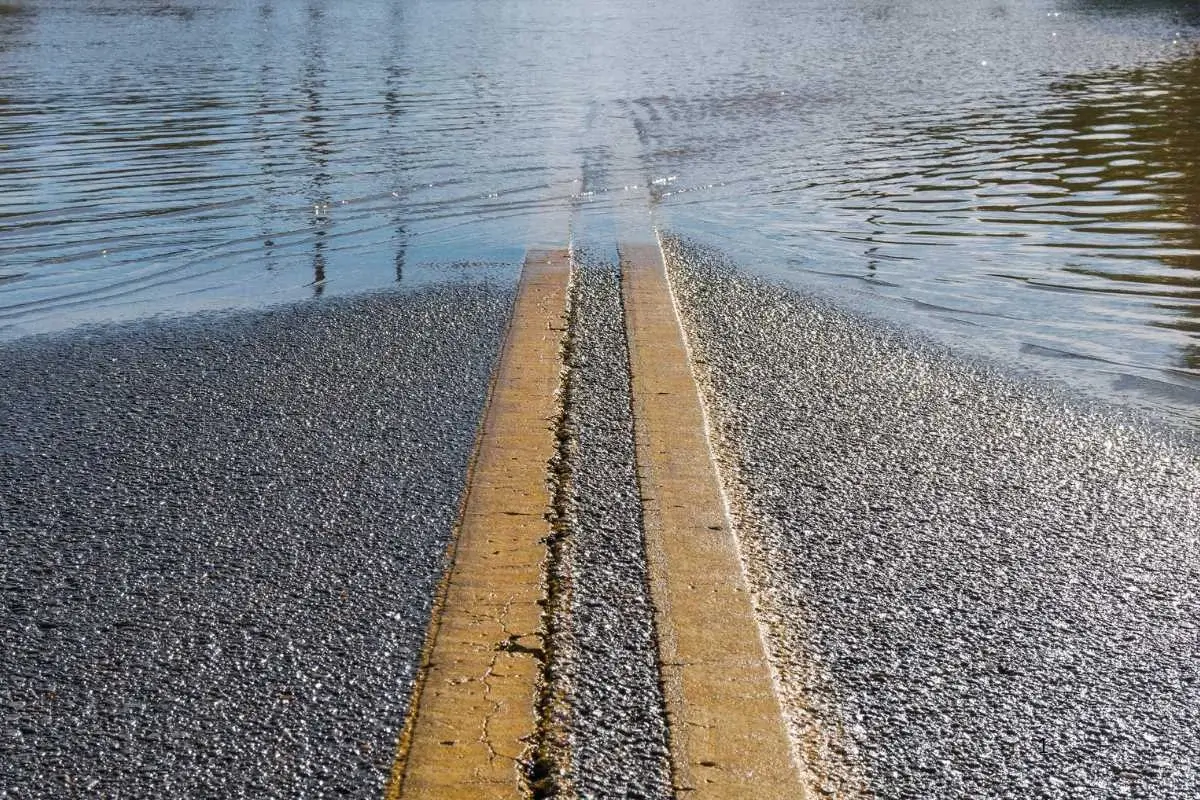
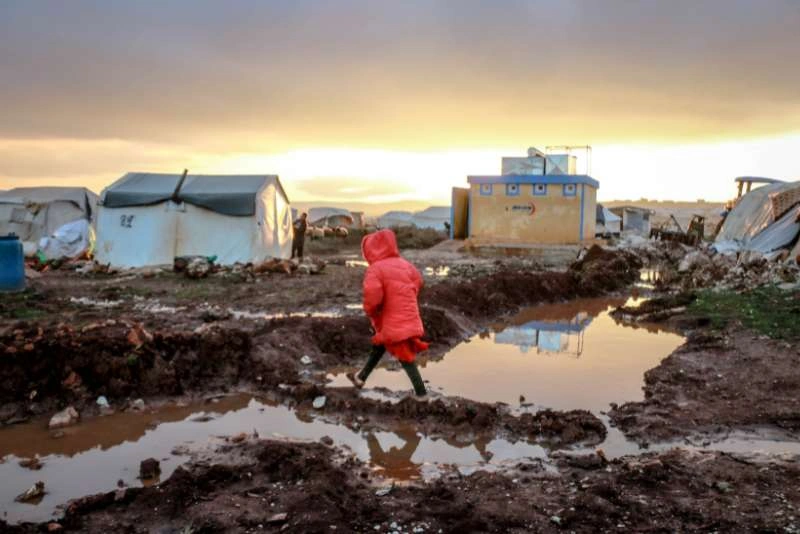
As climate change increases the frequency of floods, droughts, and heavy rainfall, communities must adopt smarter approaches to water management. While governments and cities play an important role in building resilient infrastructure, individuals also have the power to make a meaningful difference through everyday choices and local involvement.
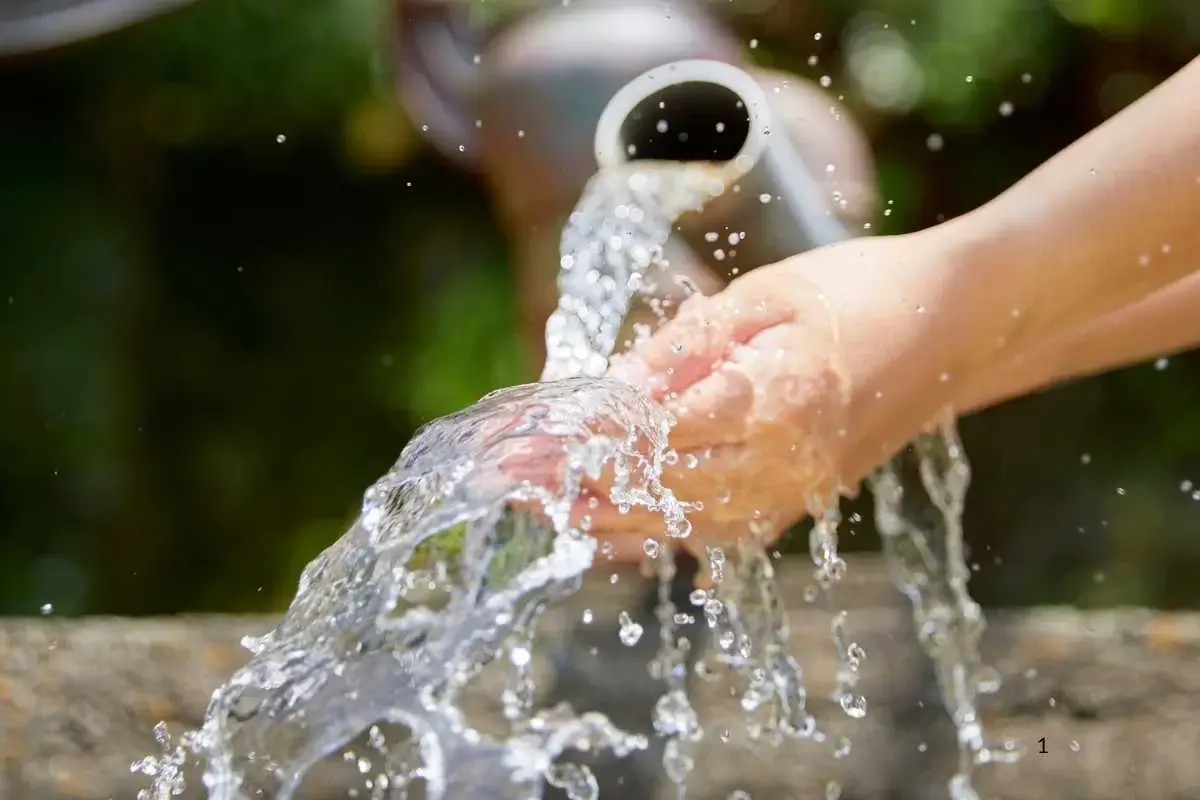
At home, people can conserve water by installing low-flow faucets and showerheads, fixing leaks promptly, and using water-efficient appliances. Collecting rainwater for gardening, reducing lawn irrigation, and choosing native plants that require less watering can greatly cut down household consumption. Small actions like turning off the tap while brushing teeth or running full loads in dishwashers and washing machines also save thousands of gallons of water each year.
Beyond personal habits, individuals can get involved in community-based water initiatives. Participating in local clean-up events, supporting green infrastructure projects, or advocating for stormwater management policies helps protect shared water resources. Communities can organize workshops to teach residents about water conservation, promote the use of rain barrels, and create neighborhood gardens that use recycled or captured water.
Technology also offers ways for individuals to monitor and reduce their water use. Smart home systems can track daily consumption and send alerts when unusual usage patterns appear. Mobile apps and public dashboards can help residents stay informed about local water quality and conservation goals.
Education and awareness are key to building a collective sense of responsibility. Encouraging schools to teach about sustainable water practices and sharing conservation tips through social networks can spread knowledge and inspire change. When individuals, communities, and policymakers work together, they can build water systems that are both resilient and sustainable.
What actions can we take to conserve water at home and in our communities? How can local initiatives, education programs, and technology support sustainable water management? What policies or incentives could motivate people to adopt water-saving behaviors? How can collective action ensure that water resources remain available for future generations?
Use the online submission form when sending your articles to help us track all of your submissions. Please try to write about the above topic. Your response should be at least 1,000 words.
To receive credit, your effort is what matters. You should find ways to contribute thoughtful ideas that will help others. Feel free to use personal stories or other information that you want to share, but do not use real names or other identifying information. You may write your response in the space provided or upload your response. Once we review your response, you will receive credit.
Click the button below to submit your article and get your credit.


Membership Email:
Verification Status: