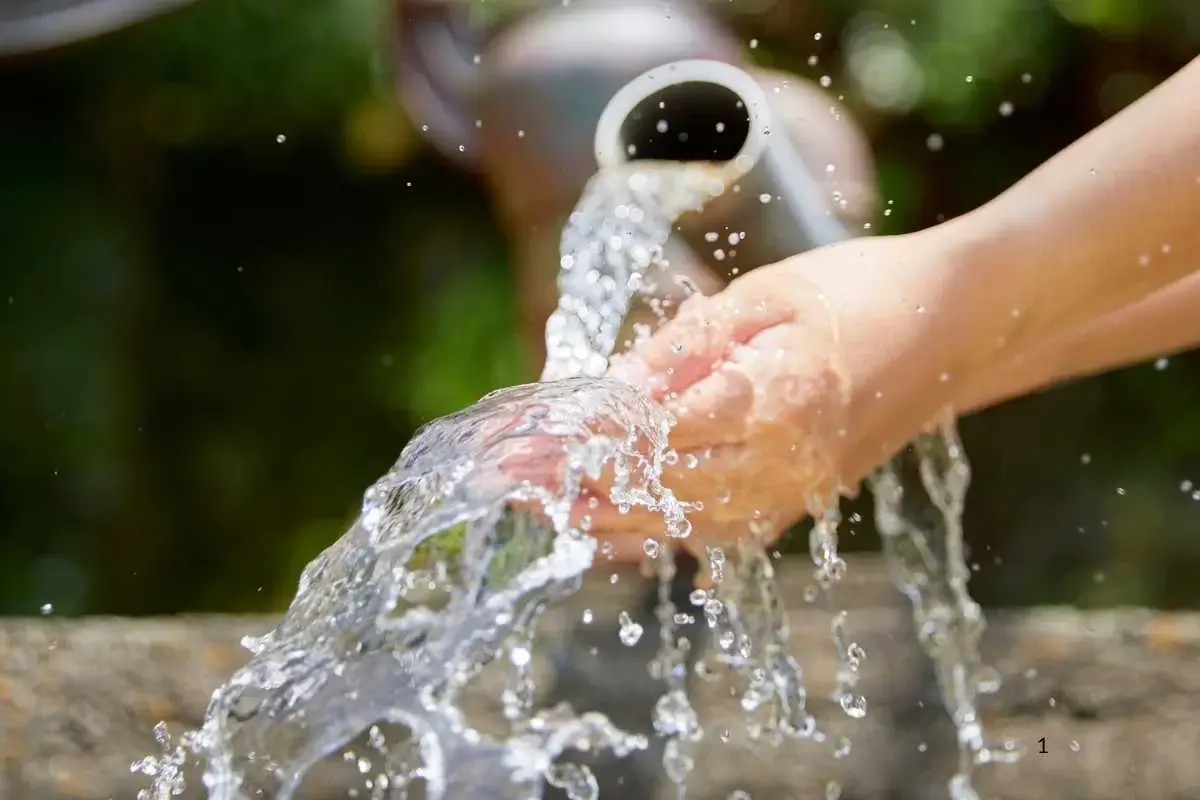
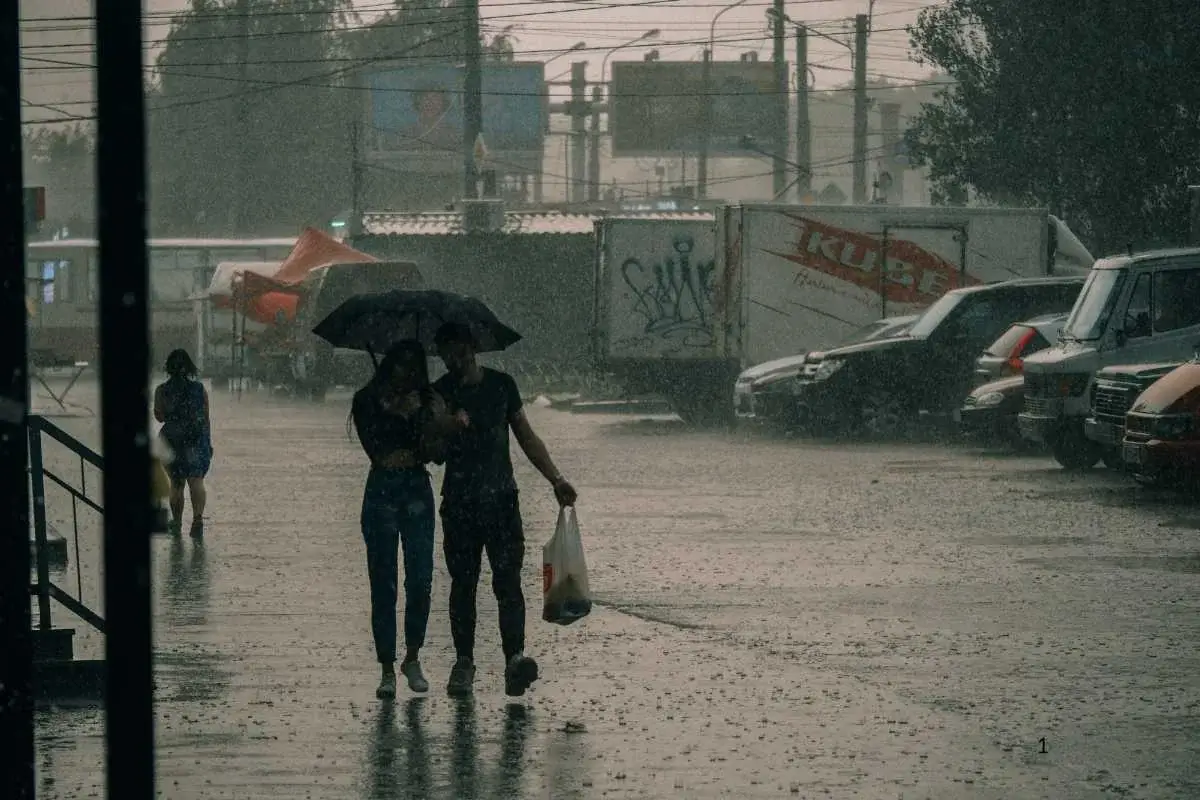
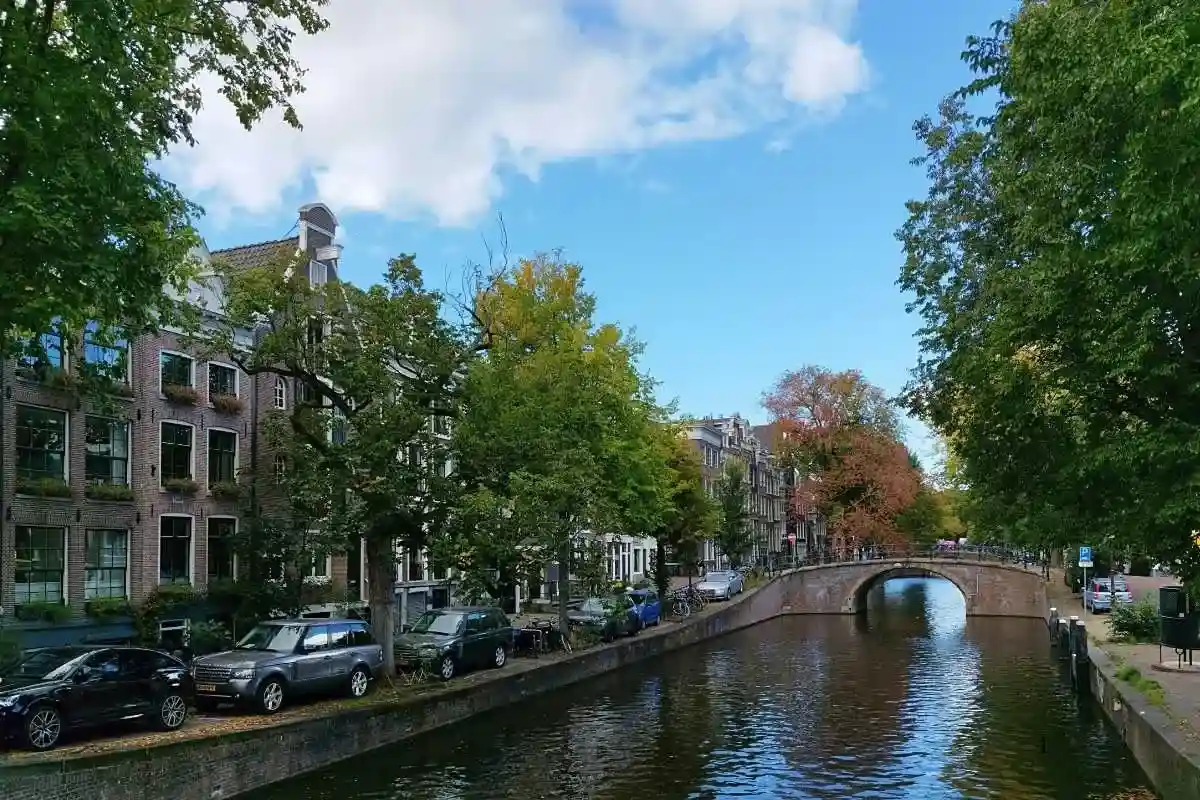
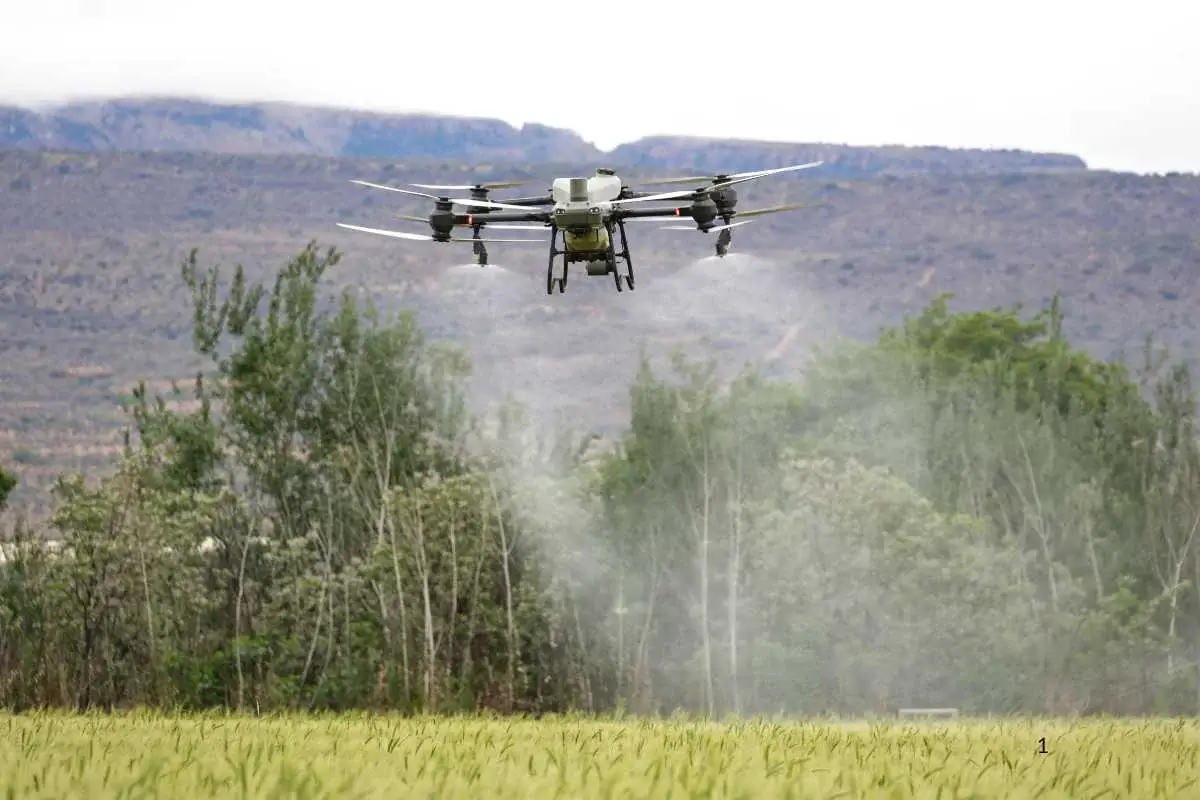
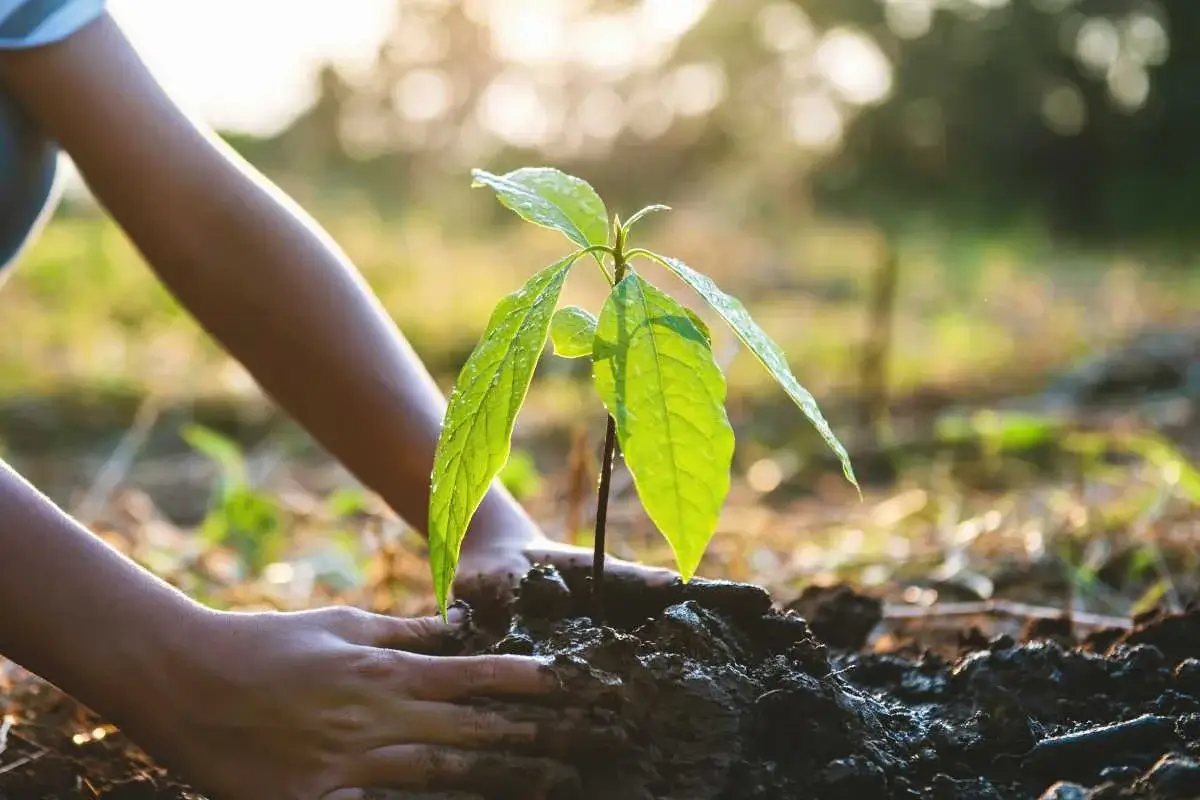
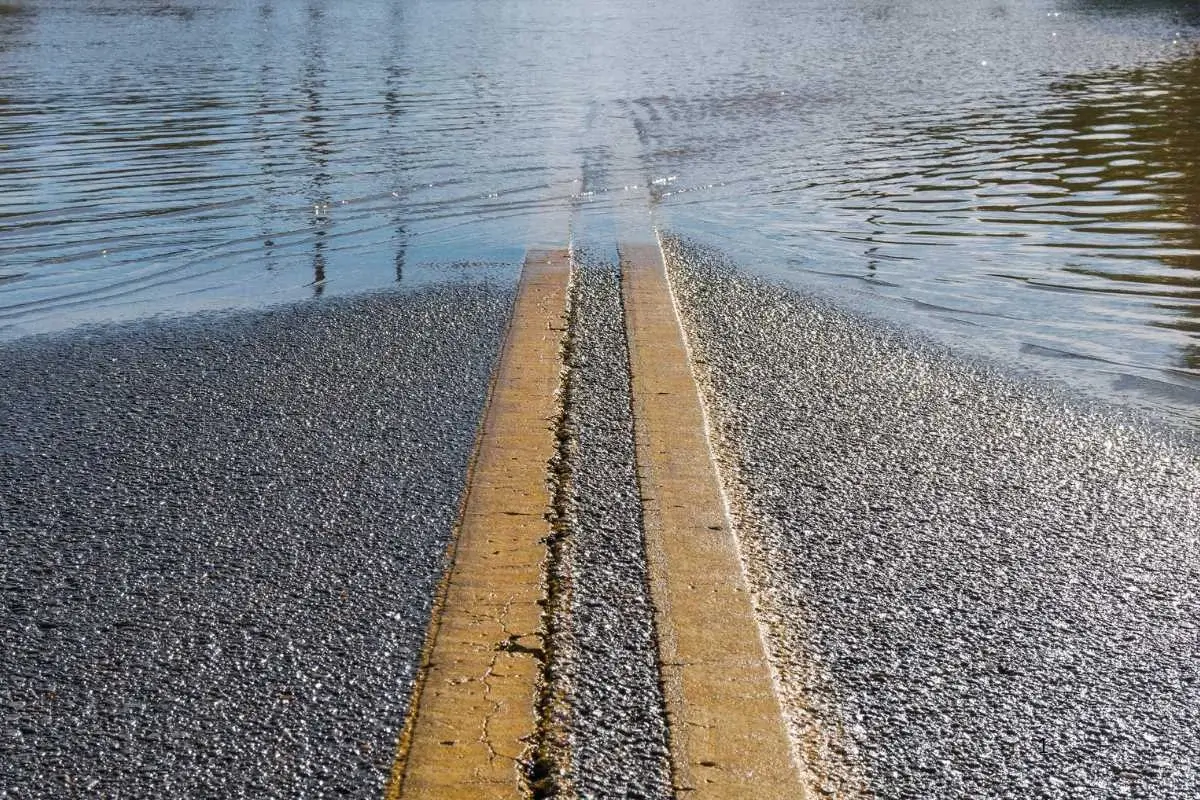
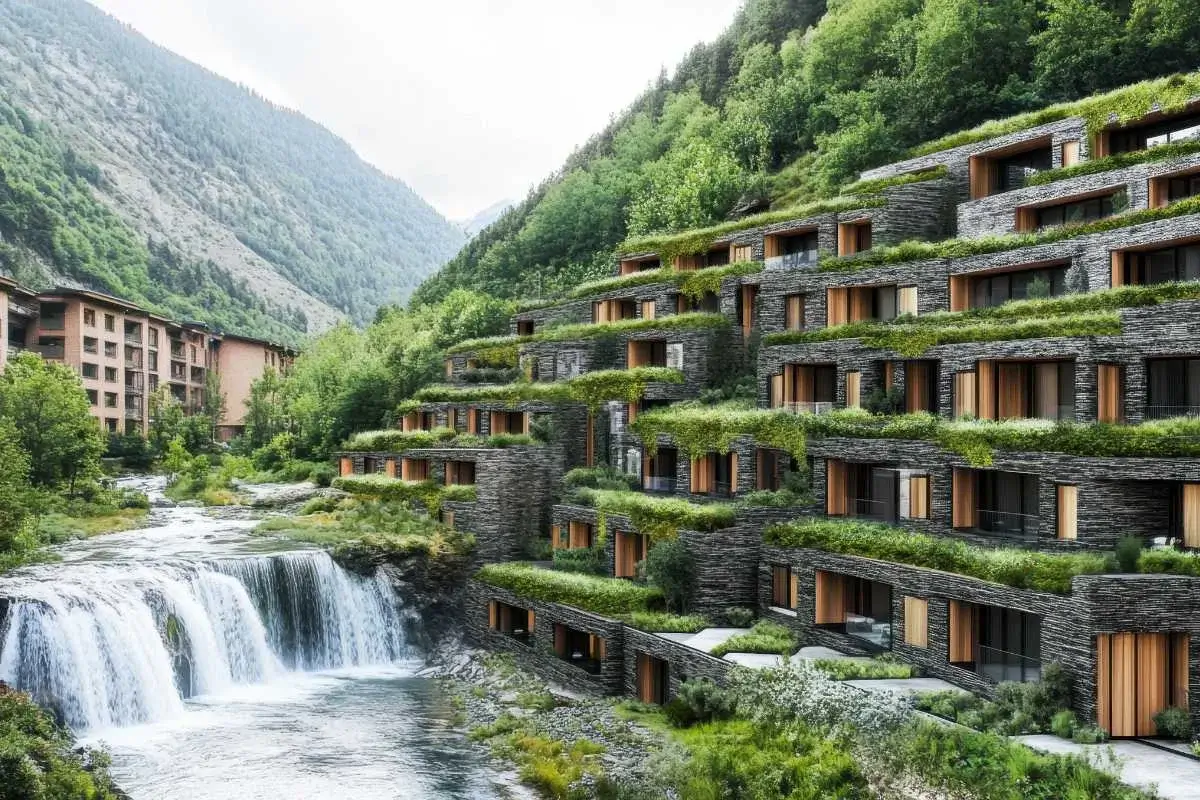
This category focuses on the powerful stories of how people, communities, and wildlife are adjusting to the challenges brought on by climate change. Through your writing, explore how individuals and groups are finding creative, determined, and often inspiring ways to adapt to a rapidly changing world. Whether it’s new technology, smarter infrastructure, sustainable practices, or community-led efforts, your article should highlight the strength and problem-solving behind building a more resilient future.
You might choose to write about farmers adapting to unpredictable weather, cities preparing for extreme storms, or families finding ways to conserve water and energy. You could also explore how animals are surviving in changing habitats or how conservation projects are helping entire ecosystems adjust. These stories of adaptation show that resilience isn’t just about survival. It is about innovation, collaboration, and hope.
Your writing should highlight real ways people and communities are adapting to climate change. Focus on actions that help with challenges like extreme weather, rising sea levels, or limited resources. Whether you’re telling a personal story, explaining a solution, or sharing your opinion, make sure your essay shows how these efforts are helping build a stronger, more sustainable future.
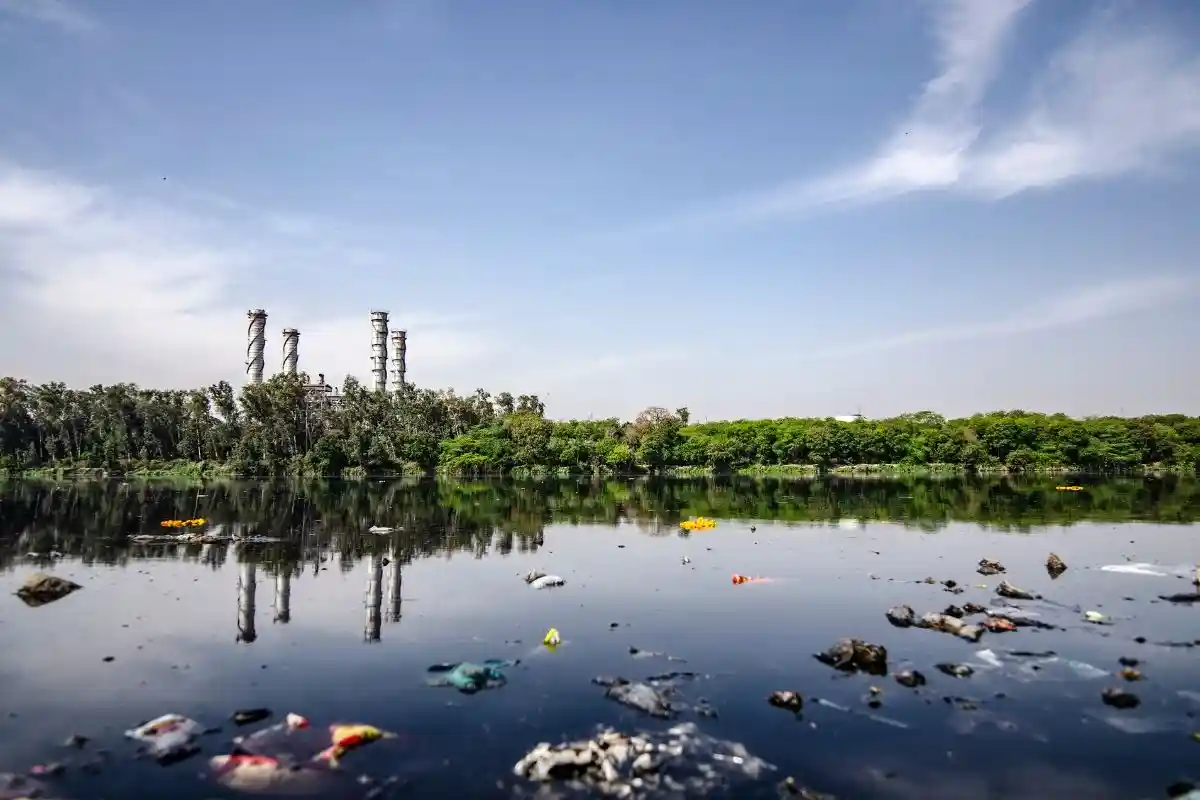
Learn the essentials of freshwater ecosystems and water quality, exploring key concepts, monitoring techniques, and conservation strategies to protect vital resources for biodiversity, human needs, and economic sustainability.
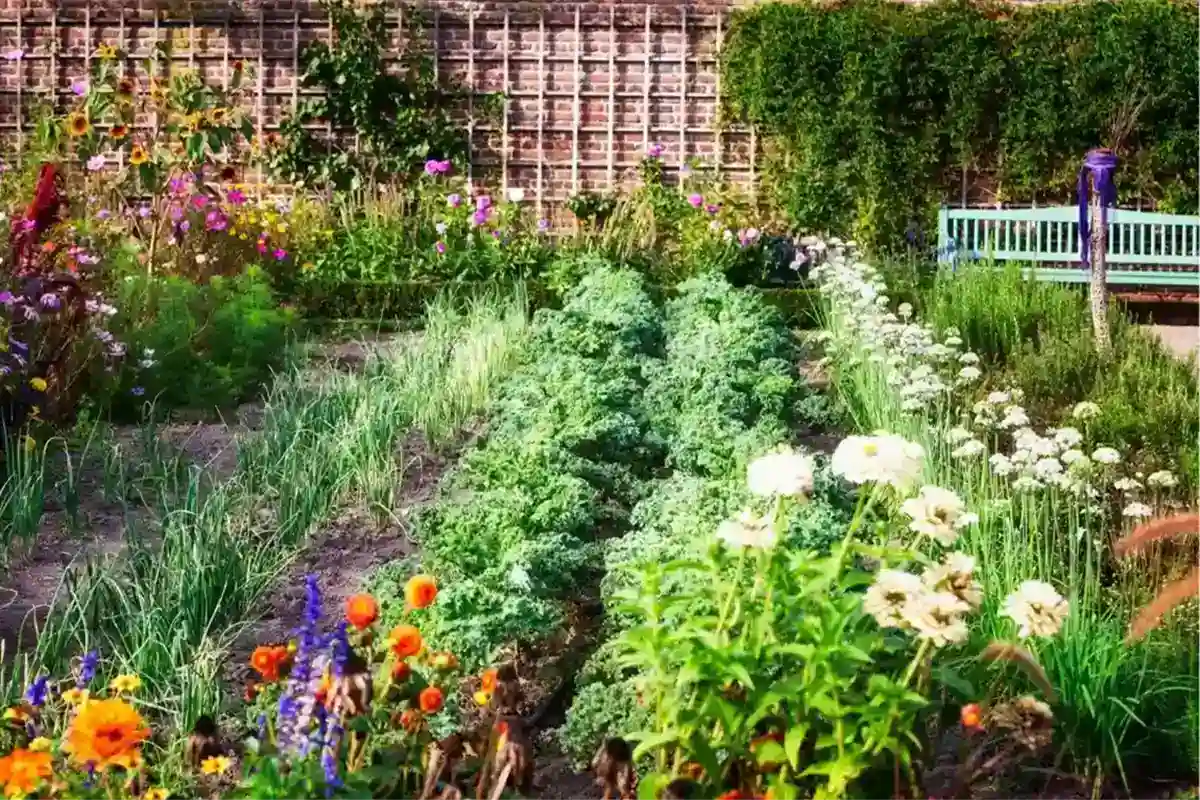
Discover the essentials of urban gardening, from container setups to vertical techniques, and learn how to create thriving green spaces in city environments, improving well-being, air quality, and access to fresh produce.
.webp)
Explore the profound impacts of climate change in Arctic environments, examining interconnected atmospheric, marine, terrestrial, and human systems, and uncovering the challenges and adaptations shaping this rapidly transforming region.
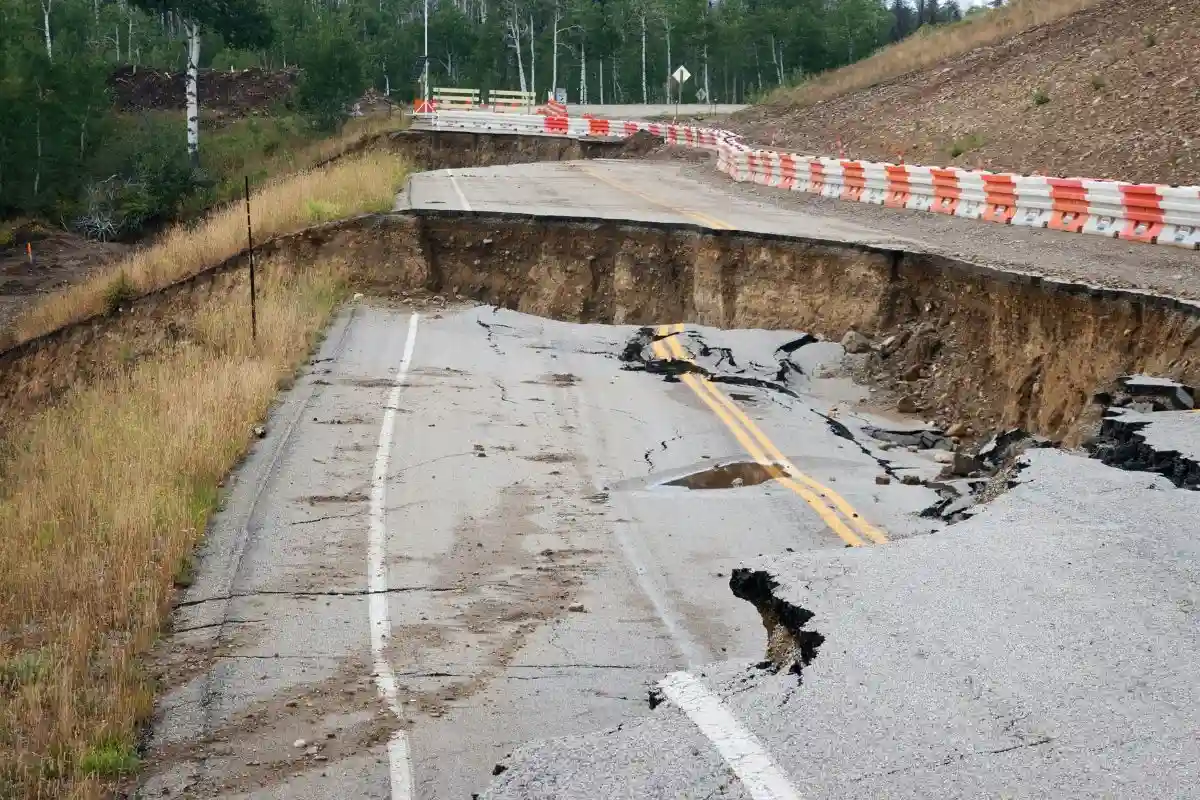
Learn about earthquake science, safety measures, and preparation strategies, while exploring the emerging links between climate change and seismic hazards to enhance resilience in vulnerable communities.
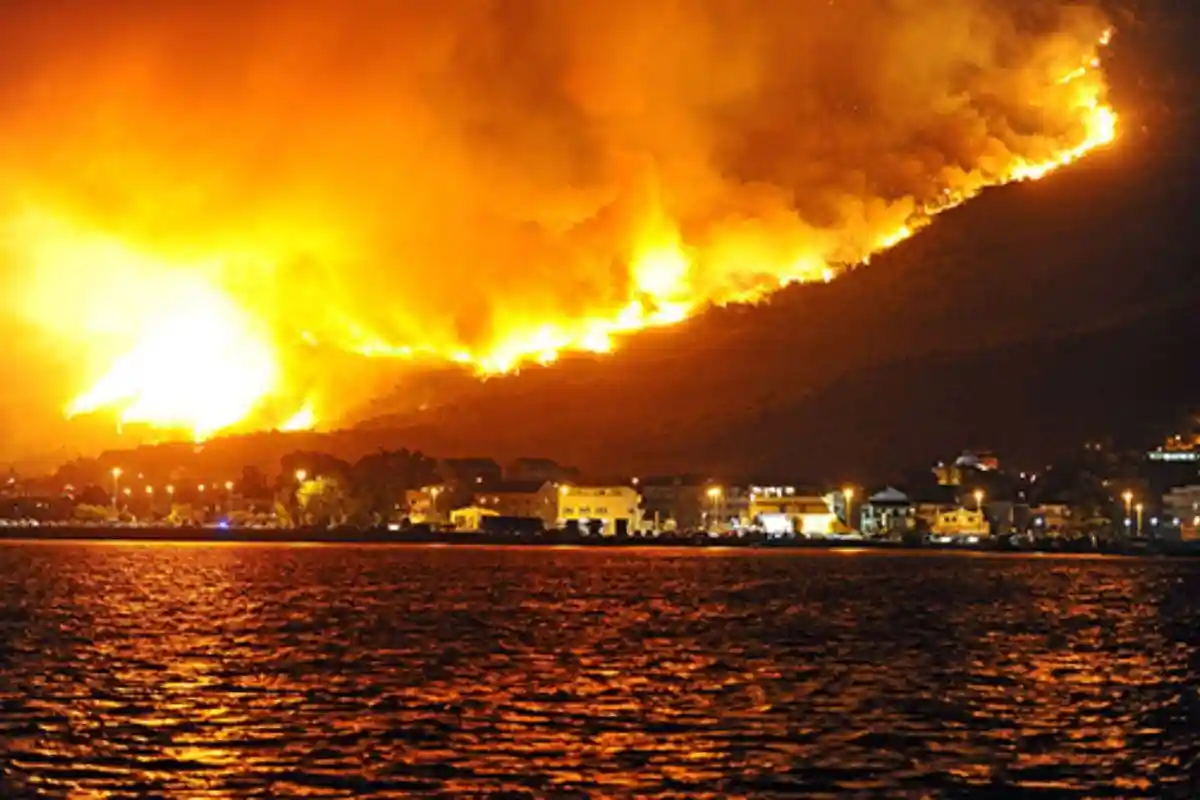
Learn about the dynamics of wildfires, exploring their environmental and social drivers, ecological impacts, and human interactions, with insights from case studies like the 2007 Greek wildfires to address this escalating global challenge.
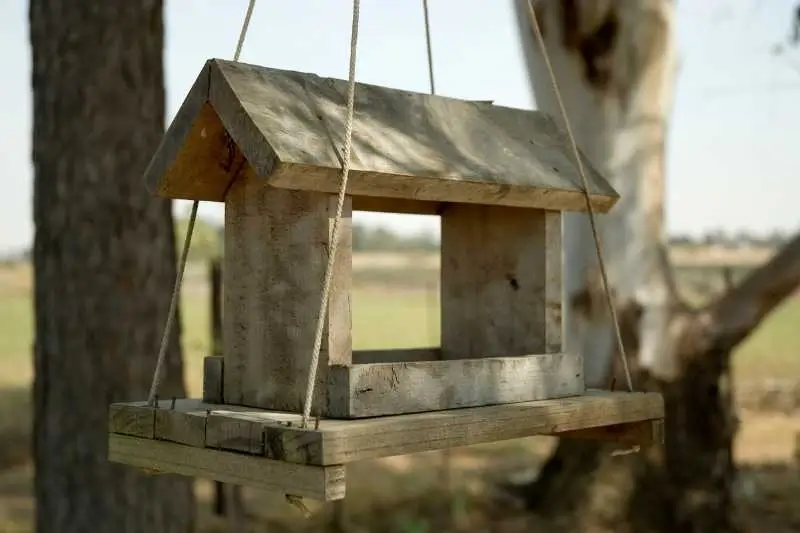
Building a DIY bird feeder supports local bird populations and biodiversity. Use simple materials like bottles or pinecones, fill with birdseed, and enjoy watching birds thrive.
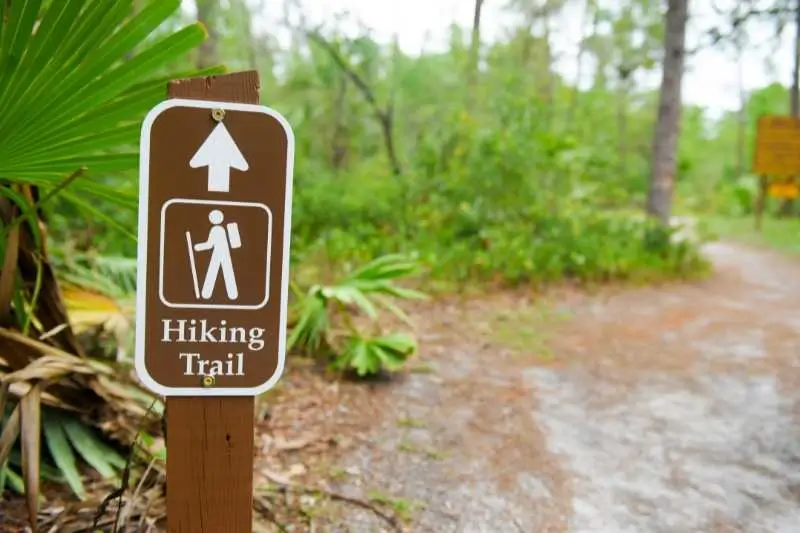
Hiking trail cleanups protect ecosystems and keep outdoor spaces beautiful. By cleaning up a local hiking trail, you can preserve nature and ensure trails remain safe and enjoyable for all.
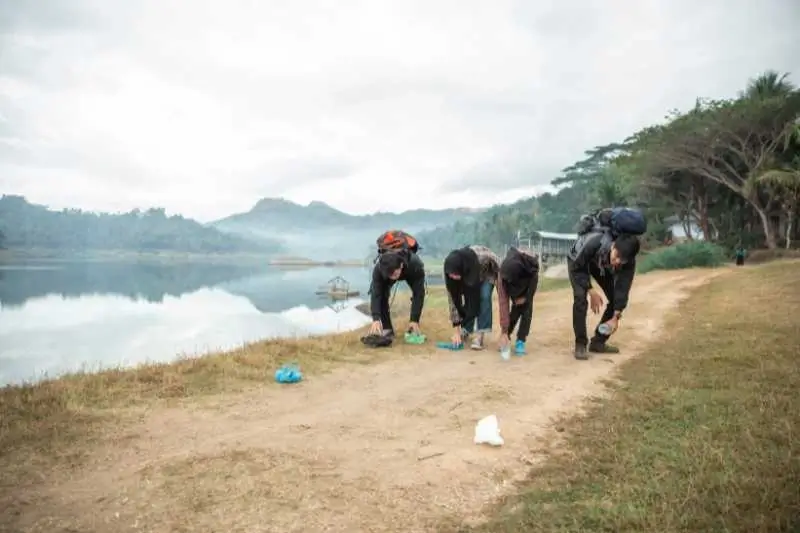
Lake and river cleanups protect freshwater ecosystems and prevent pollution. Help safeguard these vital environments for wildlife and communities by doing your part.

Beach cleanups protect marine life and reduce ocean pollution. Help keep unwanted materials out of our oceans and preserve these vital habitats to ensure cleaner, safer oceans and beaches.
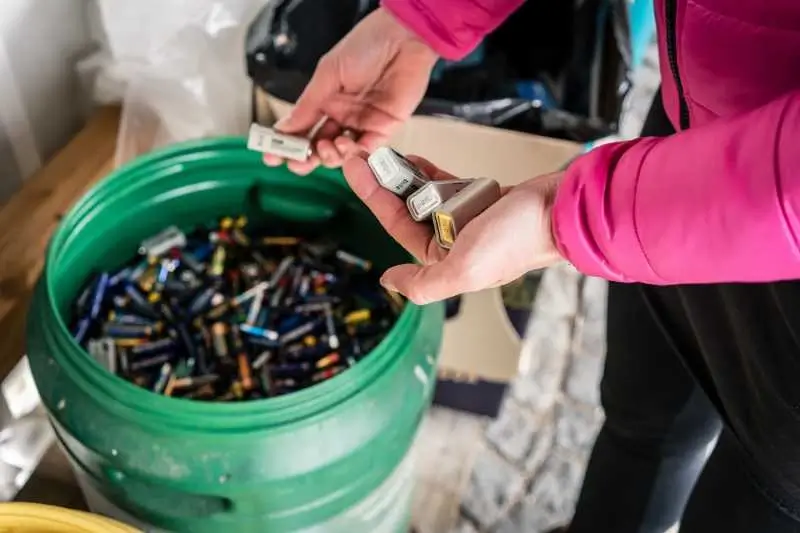
Recycling batteries reduces toxic waste and protects the environment. Collect used batteries and drop them off at any designated recycling locations.

Removing invasive plants protects ecosystems and supports biodiversity. Identify and remove invasive species, then replace them with native plants to restore balance for the environment.
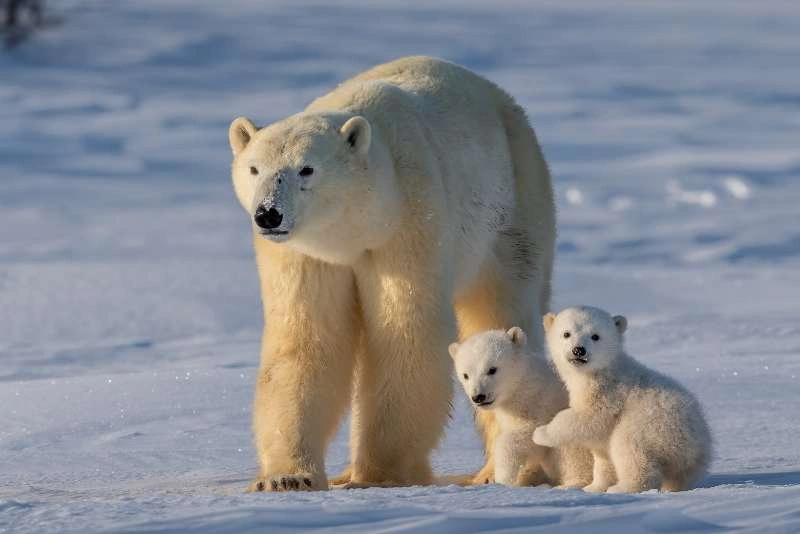
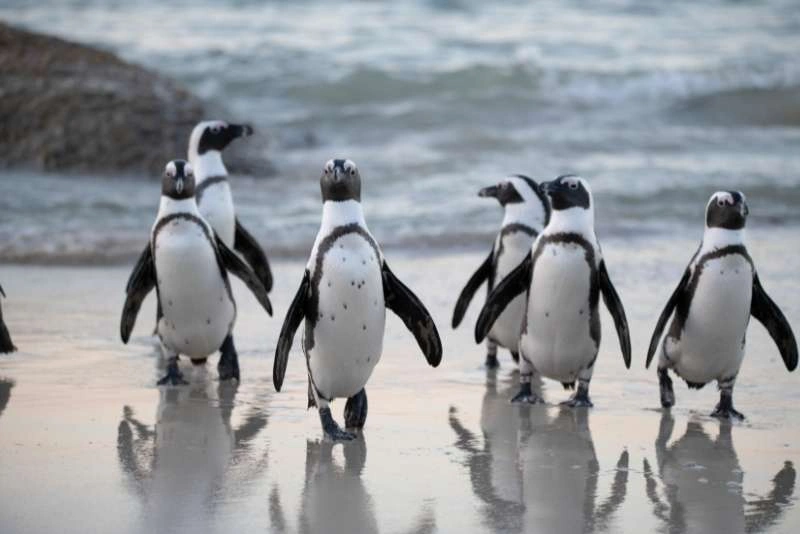
Shoot images that capture people and animals that are affected by climate change and how they adapt to their environments.
Highlight stories and strategies of communities adapting to climate challenges with hope and innovation.


Membership Email:
Verification Status: