Preparing Cities for Extreme Weather Events
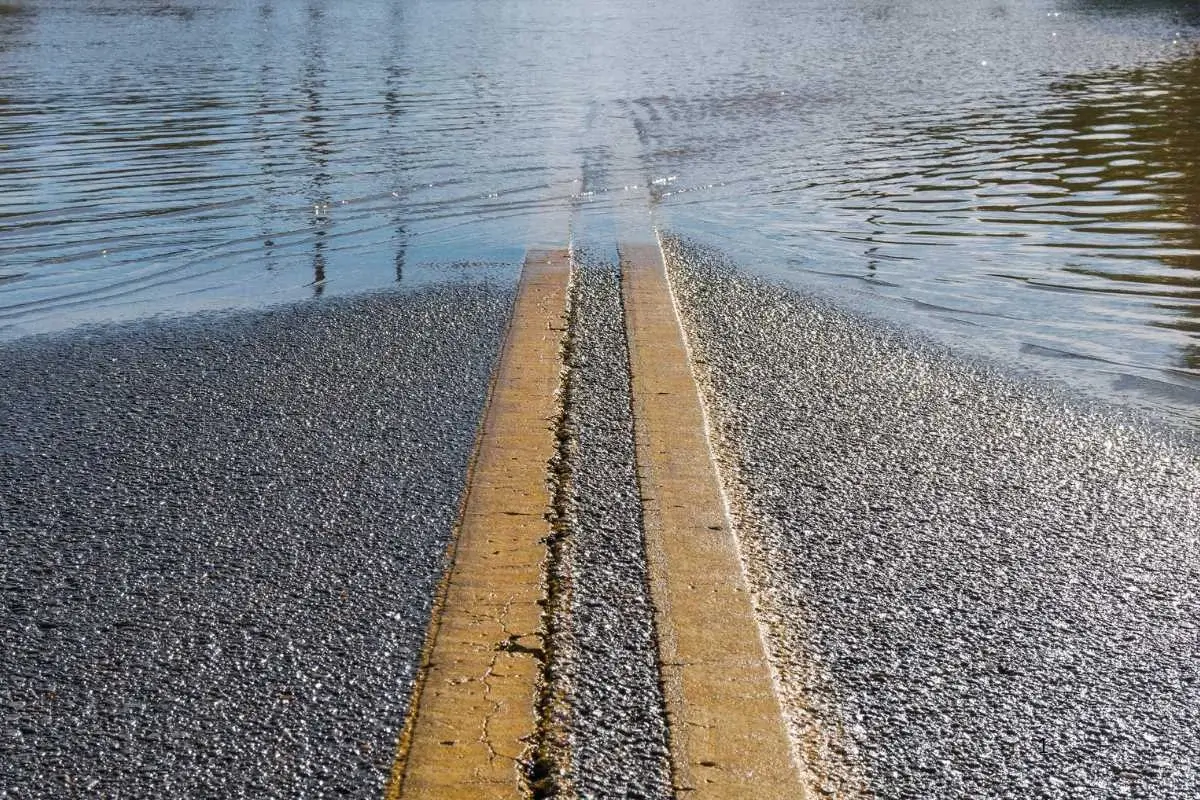
As extreme weather events become more frequent and intense, cities around the world face new challenges in protecting their people and infrastructure. Urban areas must find ways to adapt and build resilience against floods, hurricanes, heatwaves, and other climate-related disasters. This requires thoughtful planning, strong community involvement, and innovative solutions that prioritize both safety and sustainability. Building smarter cities today can help prevent greater losses tomorrow.
Cities can prepare by improving infrastructure and designing with resilience in mind. Flood barriers, upgraded drainage systems, and energy-efficient buildings can reduce damage during storms. Creating more green spaces, planting trees, and using permeable surfaces can help manage stormwater and lower temperatures during heatwaves. Strong emergency response systems and public education are also key to ensuring that people know how to stay safe when disaster strikes.
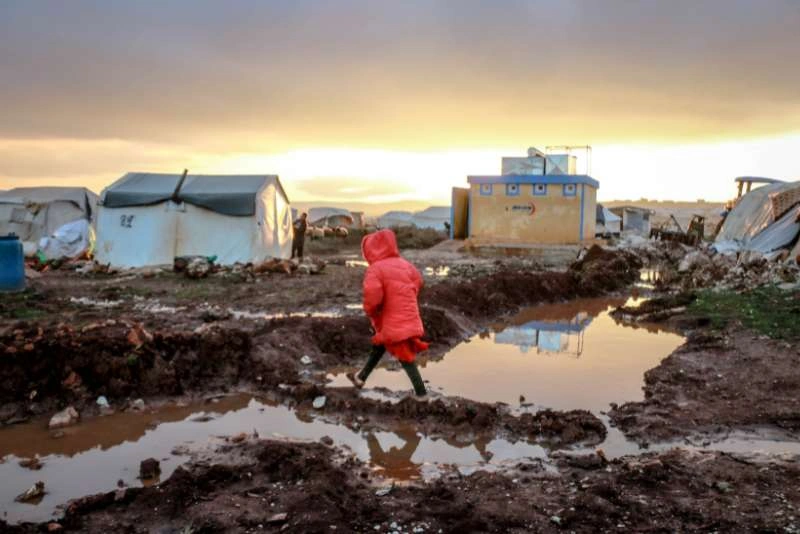
Adaptation goes beyond physical infrastructure. Social and economic factors play an important role in determining how well communities can respond to extreme weather. Low-income and marginalized neighborhoods are often the most vulnerable, so resilience planning must include equitable access to resources and recovery support. Collaboration between city officials, local organizations, and residents helps ensure that adaptation strategies meet the needs of everyone.
How can cities prepare for extreme weather events through better planning and community involvement? What urban design and infrastructure improvements can help reduce the impact of floods, heatwaves, and other disasters? How can green infrastructure, such as urban forests or rain gardens, strengthen city resilience? What policies and investments are needed to ensure that all communities are protected and supported? How can lessons from cities that have successfully adapted guide future planning?
Use the online submission form when sending your articles to help us track all of your submissions. Please try to write about the above topic. Your response should be at least 1,000 words.
To receive credit, your effort is what matters. You should find ways to contribute thoughtful ideas that will help others. Feel free to use personal stories or other information that you want to share, but do not use real names or other identifying information. You may write your response in the space provided or upload your response. Once we review your response, you will receive credit.
Click the button below to submit your article and get your credit.


Membership Email:
Verification Status: