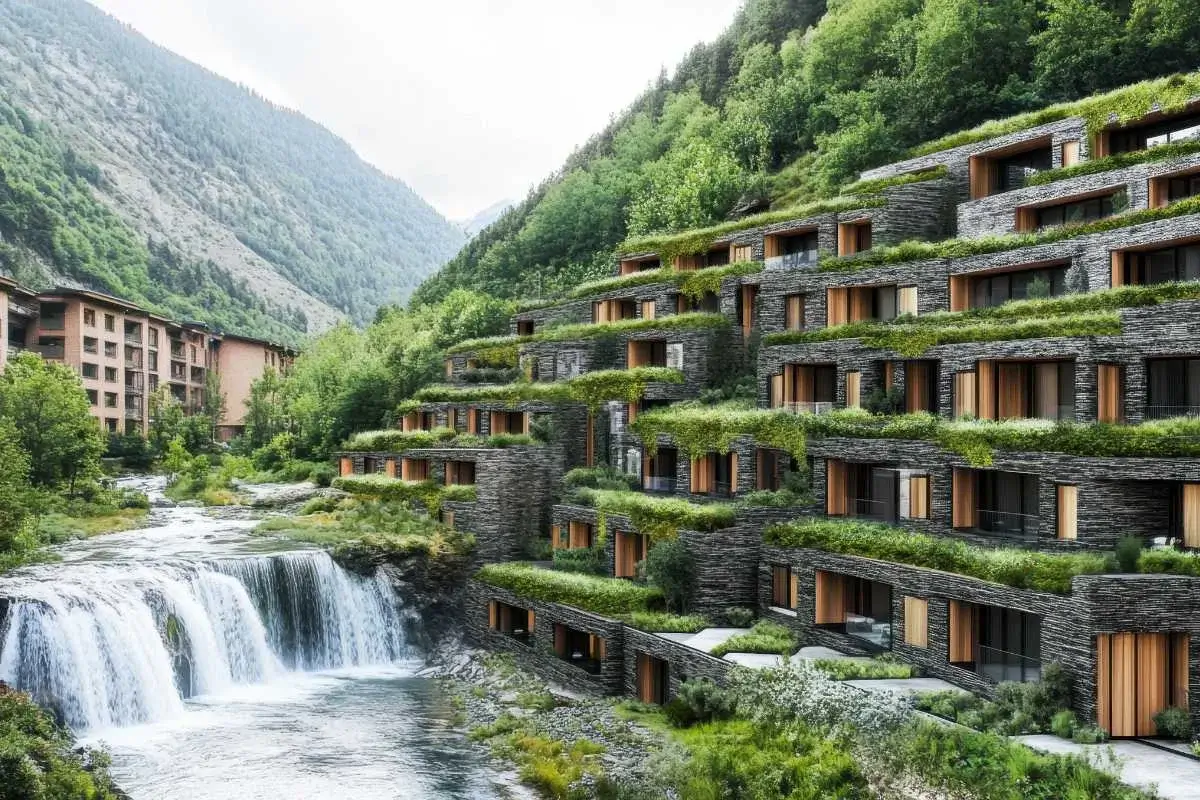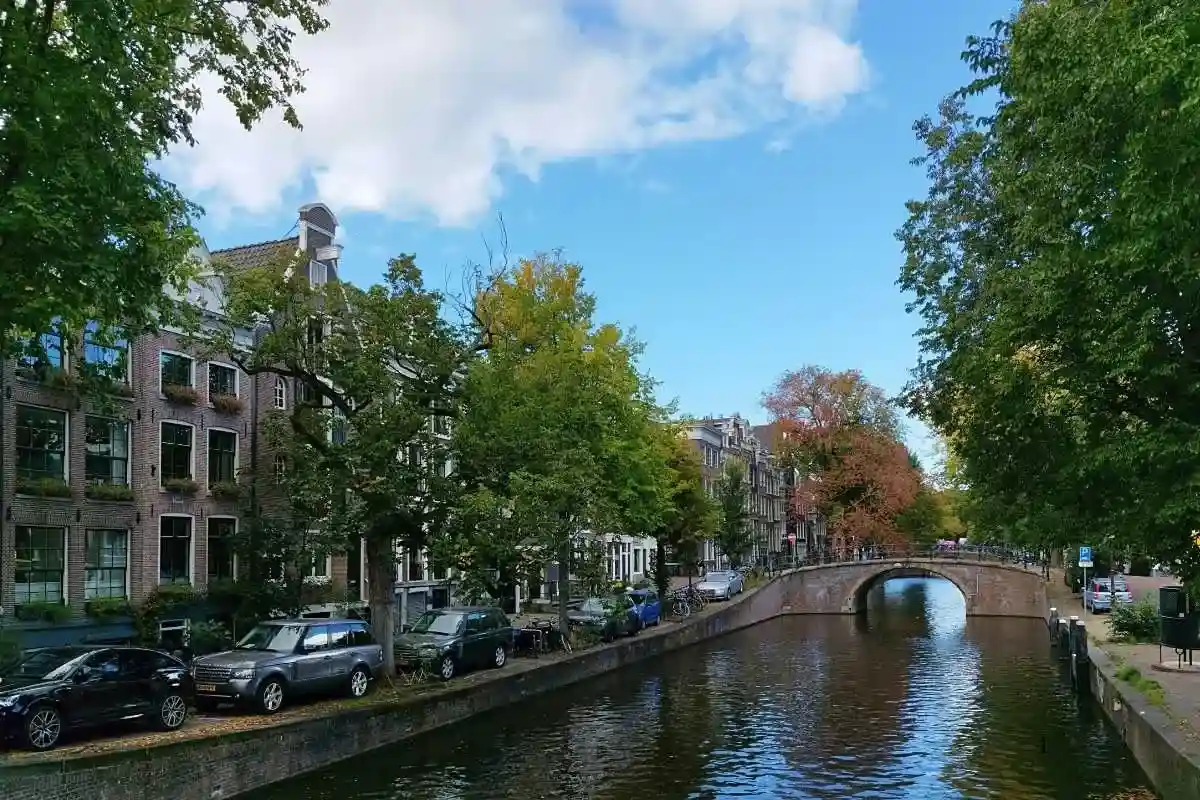
Urban green infrastructure plays an essential role in helping cities adapt to the growing impacts of climate change. Green roofs, community parks, and urban forests are more than just aesthetic features. They are powerful tools for managing stormwater, reducing heat, improving air quality, and enhancing biodiversity. These systems help cities cool down naturally, protect against flooding, and provide residents with spaces that improve physical and mental well-being.
Integrating green infrastructure into existing urban environments requires creativity and collaboration. In densely populated areas, vertical gardens, rooftop green spaces, and restored waterways can bring nature back into the city. However, implementing these projects often faces challenges such as funding limitations, competing land-use priorities, and policy constraints. Overcoming these barriers demands strong leadership, community involvement, and supportive public policies that prioritize long-term resilience over short-term gains.
The benefits of green infrastructure extend beyond the environment. These projects create social spaces that encourage connection and recreation, improve public health, and can even boost local economies through tourism and job creation. When cities involve residents in planning and maintaining green spaces, it fosters a sense of ownership and shared responsibility. Local governments, urban planners, and community organizations all play key roles in ensuring that green infrastructure remains accessible, equitable, and sustainable for everyone.
How can cities integrate green infrastructure to better adapt to climate change? What strategies can urban planners use to include green spaces in crowded cities? What challenges such as funding, maintenance, or competing land needs stand in the way of implementing these solutions? How can communities, governments, and organizations work together to create inclusive, resilient urban environments that benefit both people and nature?
Use the online submission form when sending your articles to help us track all of your submissions. Please try to write about the above topic. Your response should be at least 1,000 words.
To receive credit, your effort is what matters. You should find ways to contribute thoughtful ideas that will help others. Feel free to use personal stories or other information that you want to share, but do not use real names or other identifying information. You may write your response in the space provided or upload your response. Once we review your response, you will receive credit.
Click the button below to submit your article and get your credit.


Membership Email:
Verification Status: