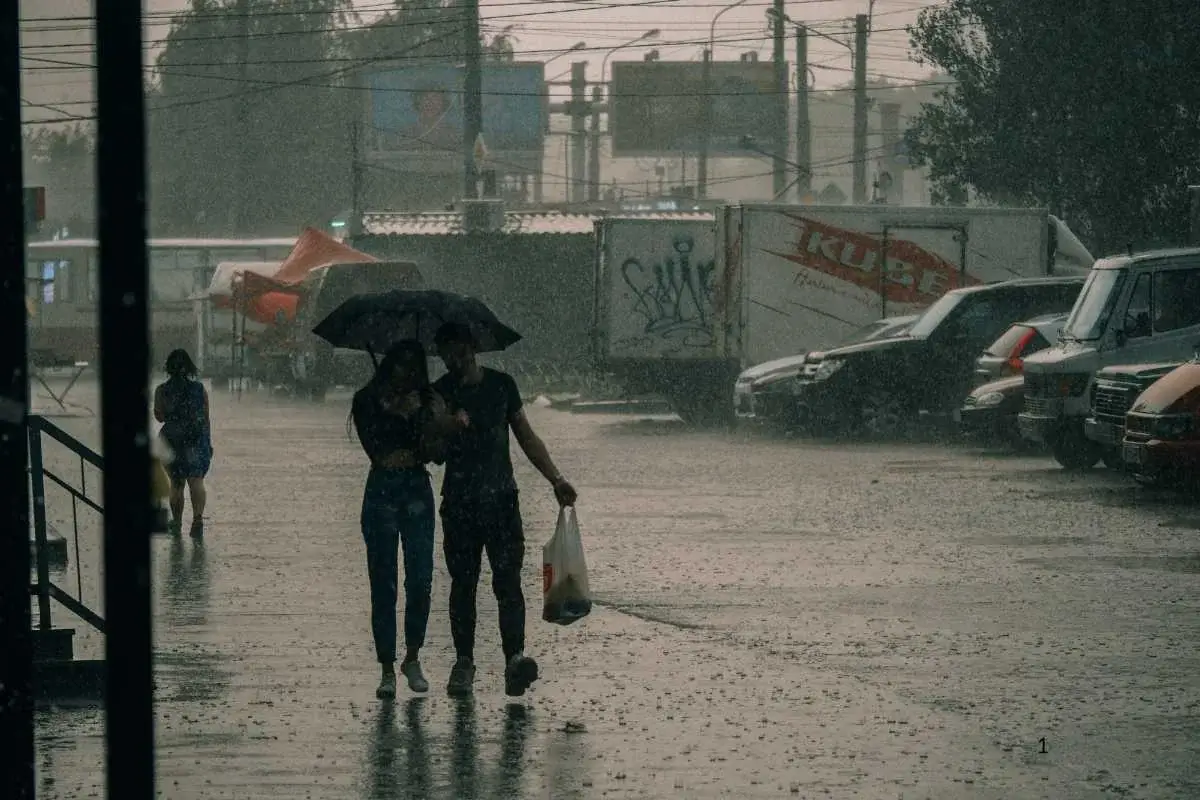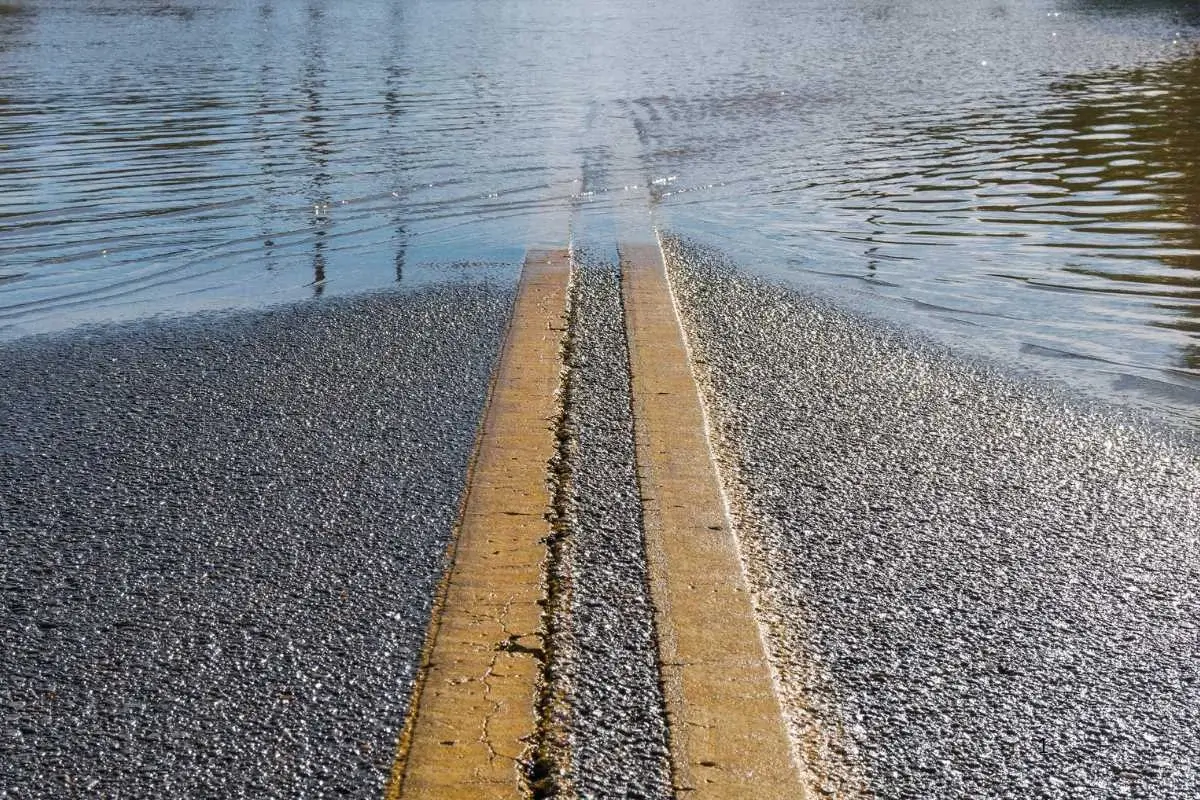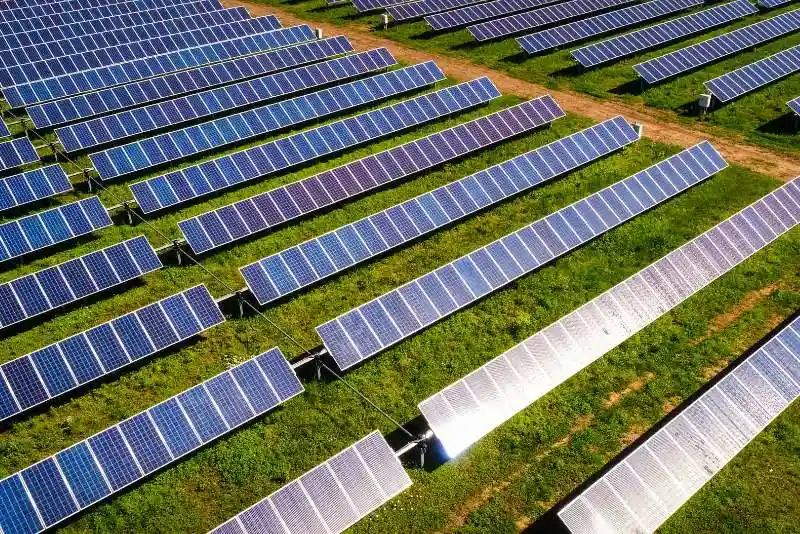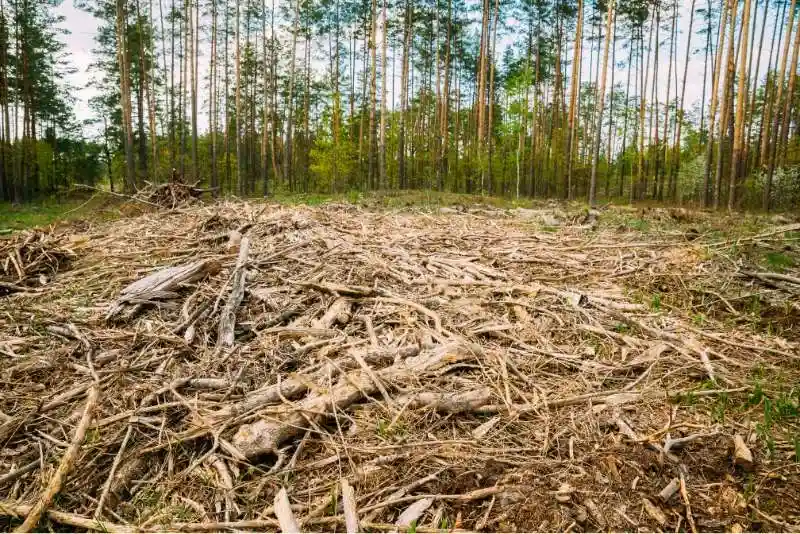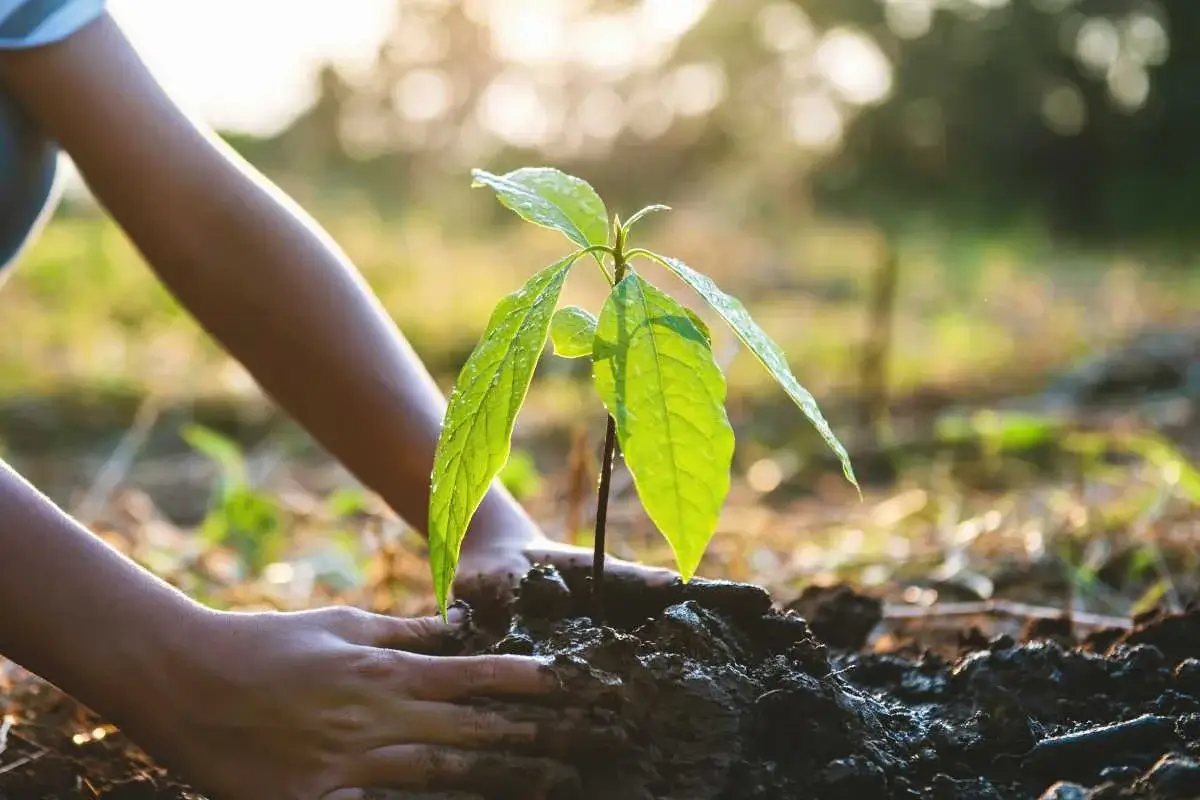
Climate change is intensifying storms, floods, droughts, and wildfires, threatening essential resources and putting vulnerable communities at greater risk. As these challenges grow, it is more important than ever to build communities that can prepare for, withstand, and recover from climate-related impacts. Resilient communities are those that take proactive steps to protect people, homes, and local systems while maintaining social and economic stability. From strengthening infrastructure and improving emergency response plans to promoting renewable energy and protecting natural ecosystems, community resilience ensures that no one is left behind in the face of a changing climate.
Local action is key to resilience. When neighbors, local organizations, and leaders work together, they can identify risks and develop effective solutions that meet the specific needs of their area. Efforts such as restoring wetlands to reduce flooding, planting trees to cool cities, or creating drought-resistant farms can protect lives and livelihoods while also supporting long-term sustainability. Social connection is equally important, as strong relationships help people share resources, information, and support during times of crisis. Building trust, communication, and cooperation can make communities stronger and more adaptable to future challenges.
Equity is at the heart of community resilience. Climate change often affects low-income and marginalized populations the most, so it is vital that adaptation efforts are fair and inclusive. Government support, through funding, education, and policy, can help ensure that all communities have the tools they need to respond effectively. Together, innovation, collaboration, and compassion can help us build safer, stronger, and more resilient communities for generations to come.
How can communities work together to prepare for and recover from climate-related disasters? What local actions can make a neighborhood more resilient, such as planting trees, restoring coastlines, or developing clean energy systems? How can leaders, organizations, and residents collaborate to strengthen disaster preparedness and protect essential infrastructure? Why is equity so important in resilience planning, and how can we make sure vulnerable populations are not left behind? What role should government policies and funding play in supporting local adaptation efforts? How can social connection and cooperation make a community stronger when facing the challenges of climate change?
Use the online submission form when sending your articles to help us track all of your submissions. Please try to write about the above topic. Your response should be at least 1,000 words.
To receive credit, your effort is what matters. You should find ways to contribute thoughtful ideas that will help others. Feel free to use personal stories or other information that you want to share, but do not use real names or other identifying information. You may write your response in the space provided or upload your response. Once we review your response, you will receive credit.
Click the button below to submit your article and get your credit.


Membership Email:
Verification Status: