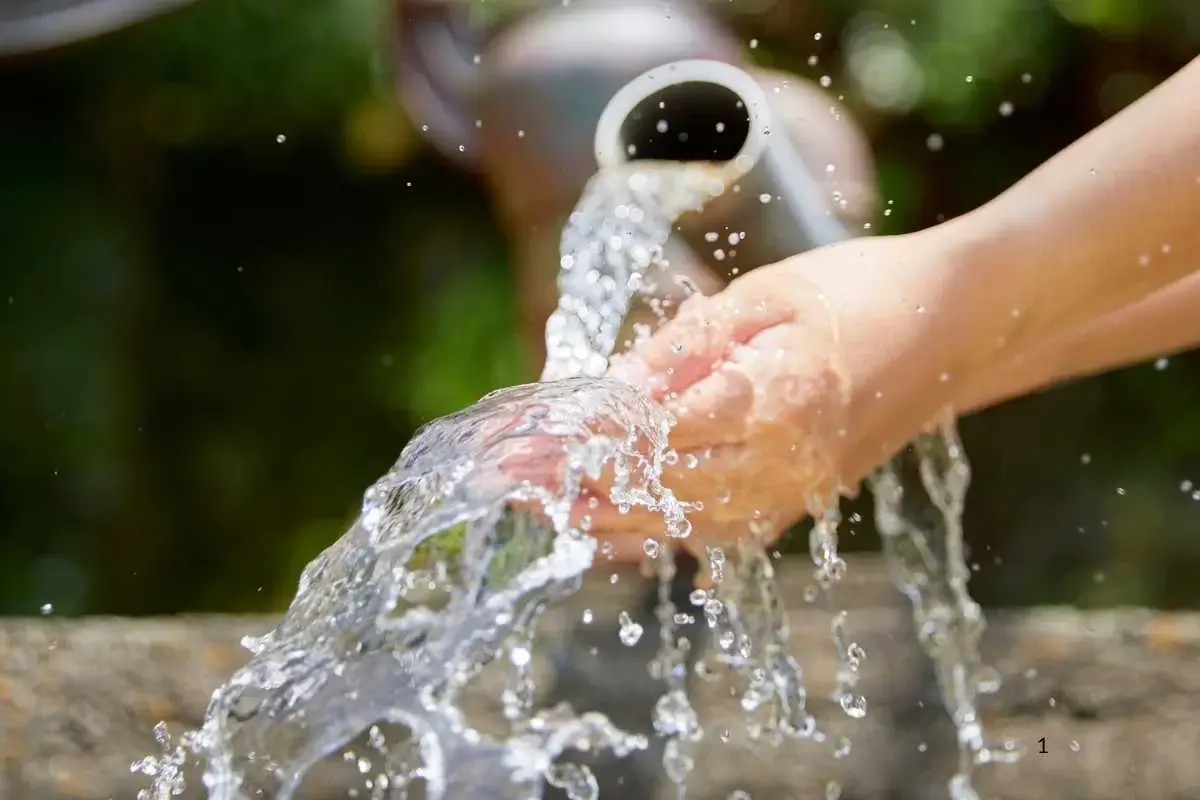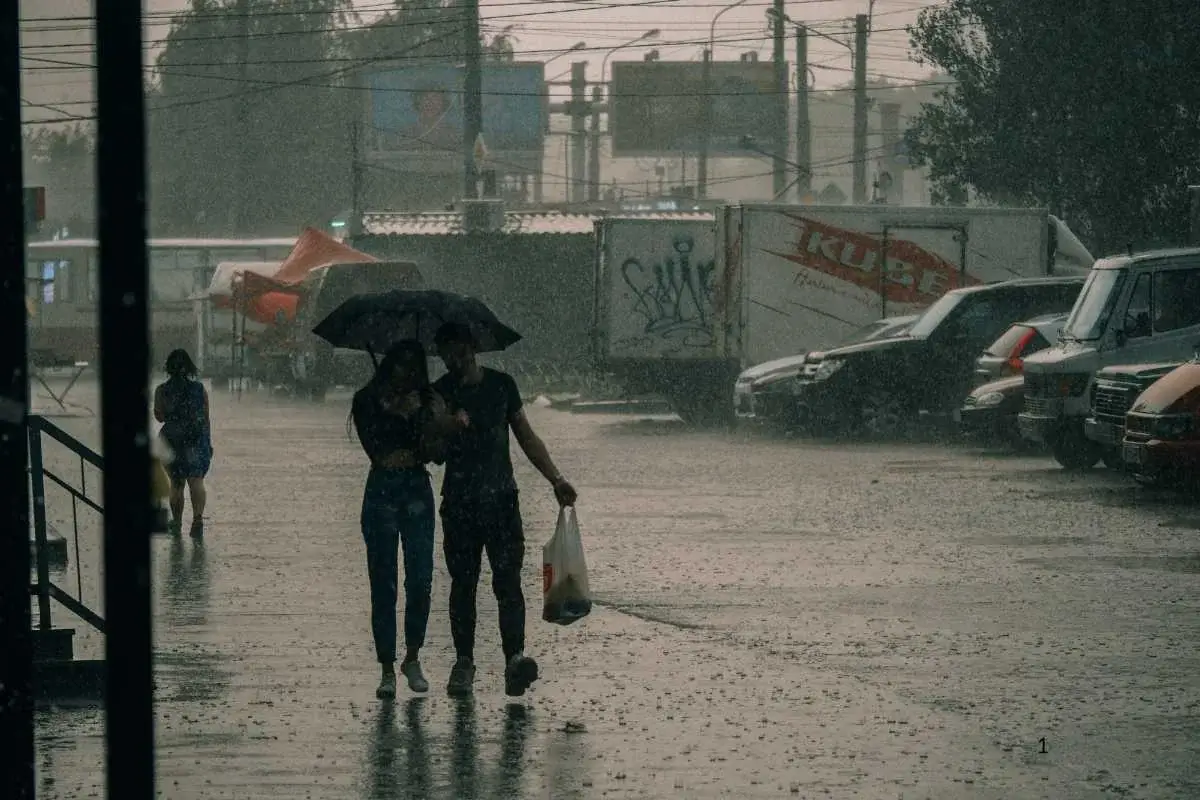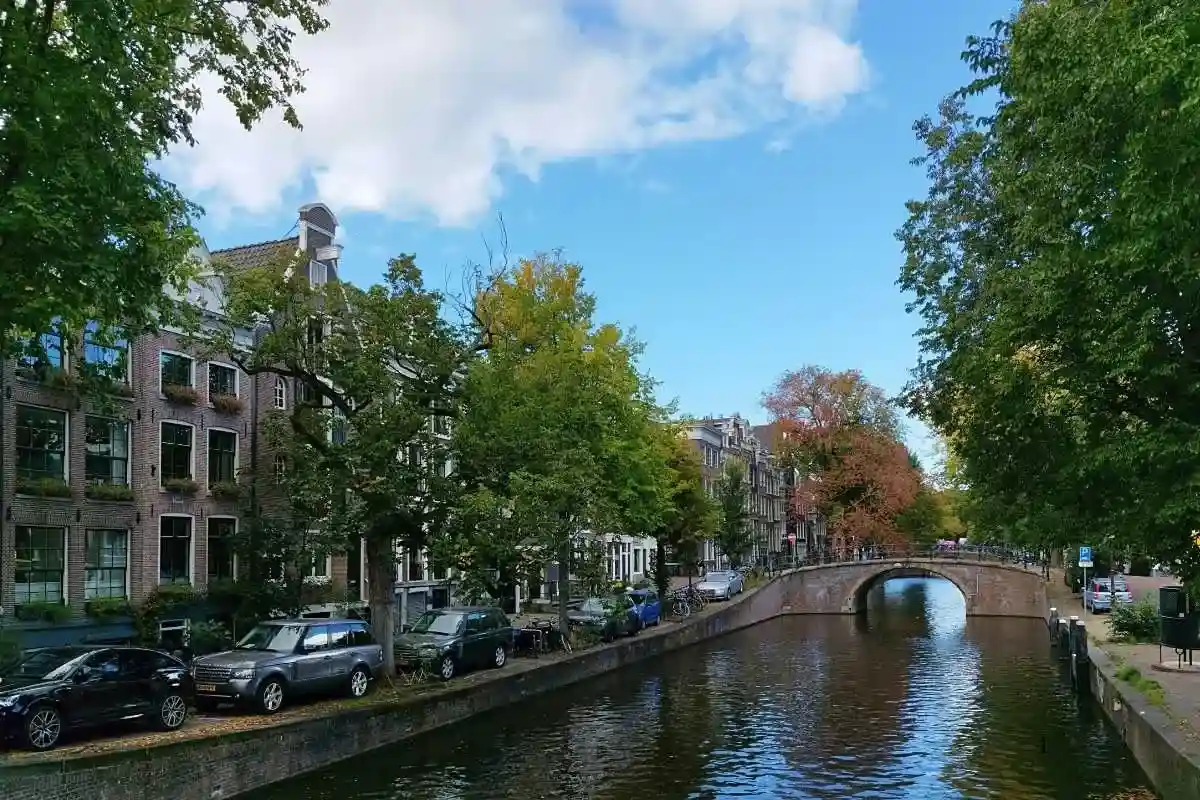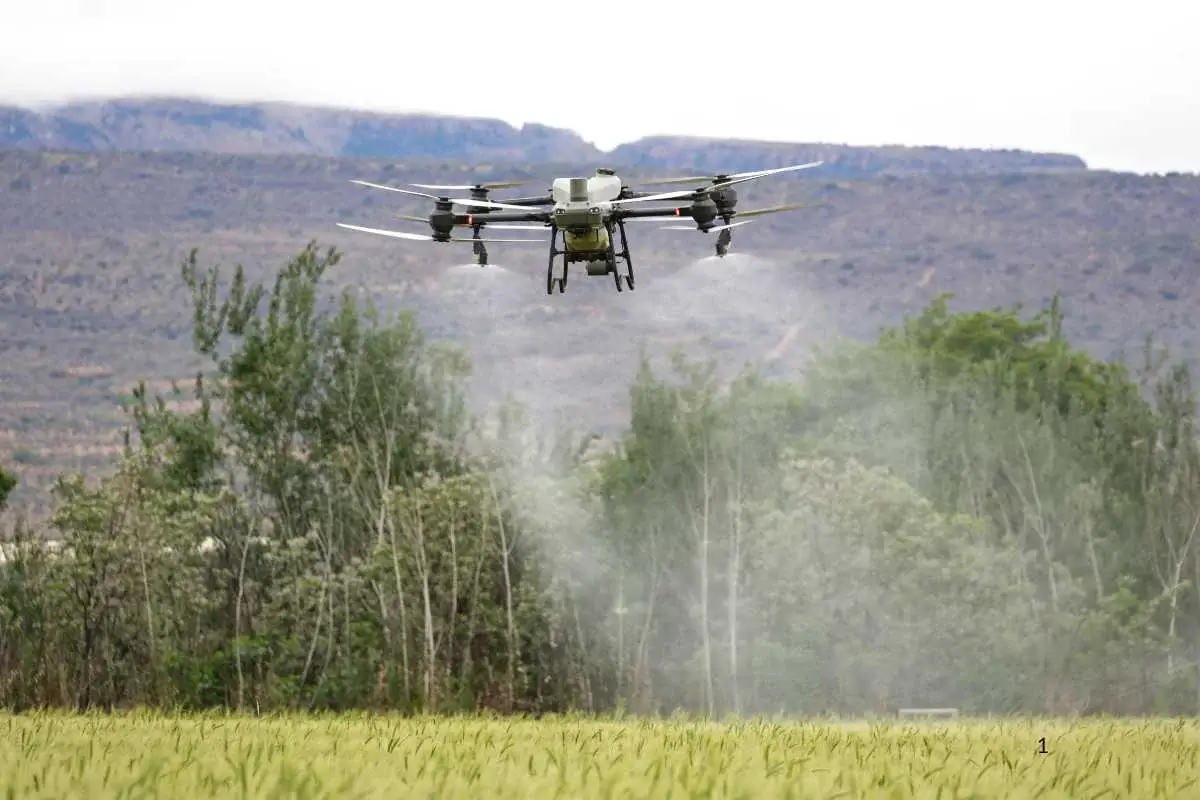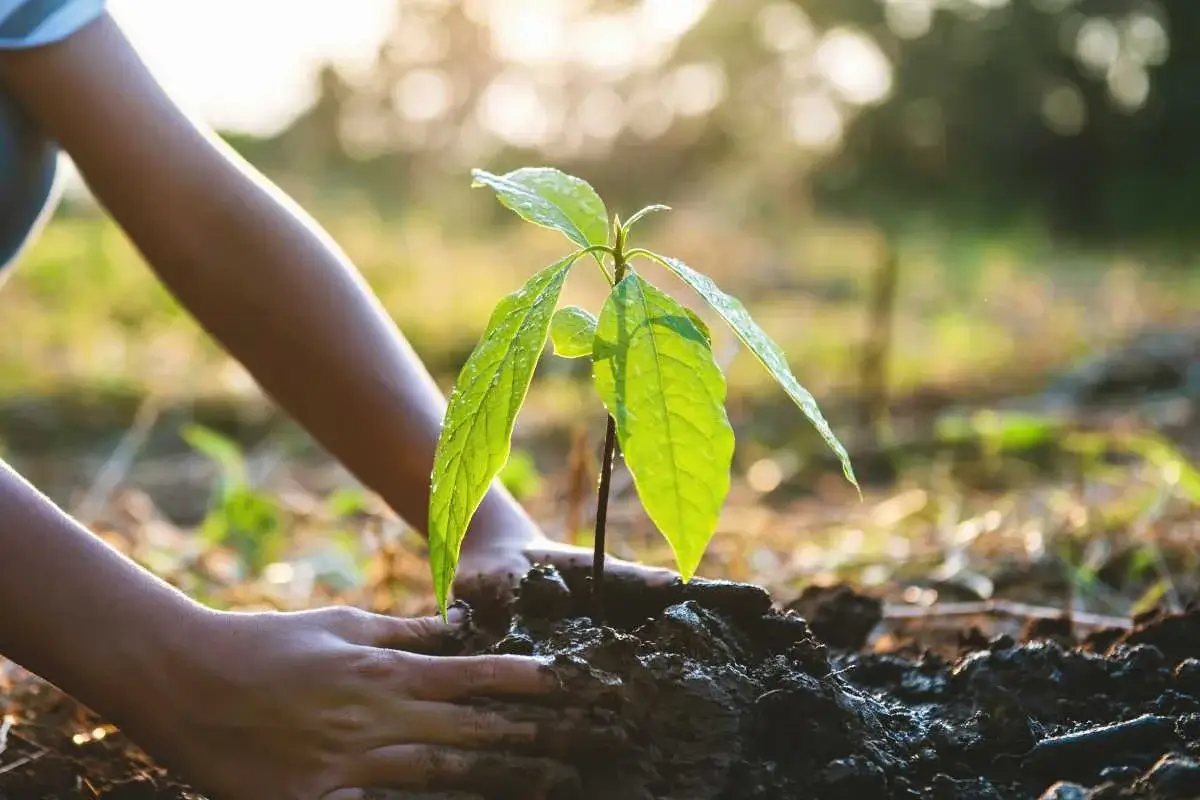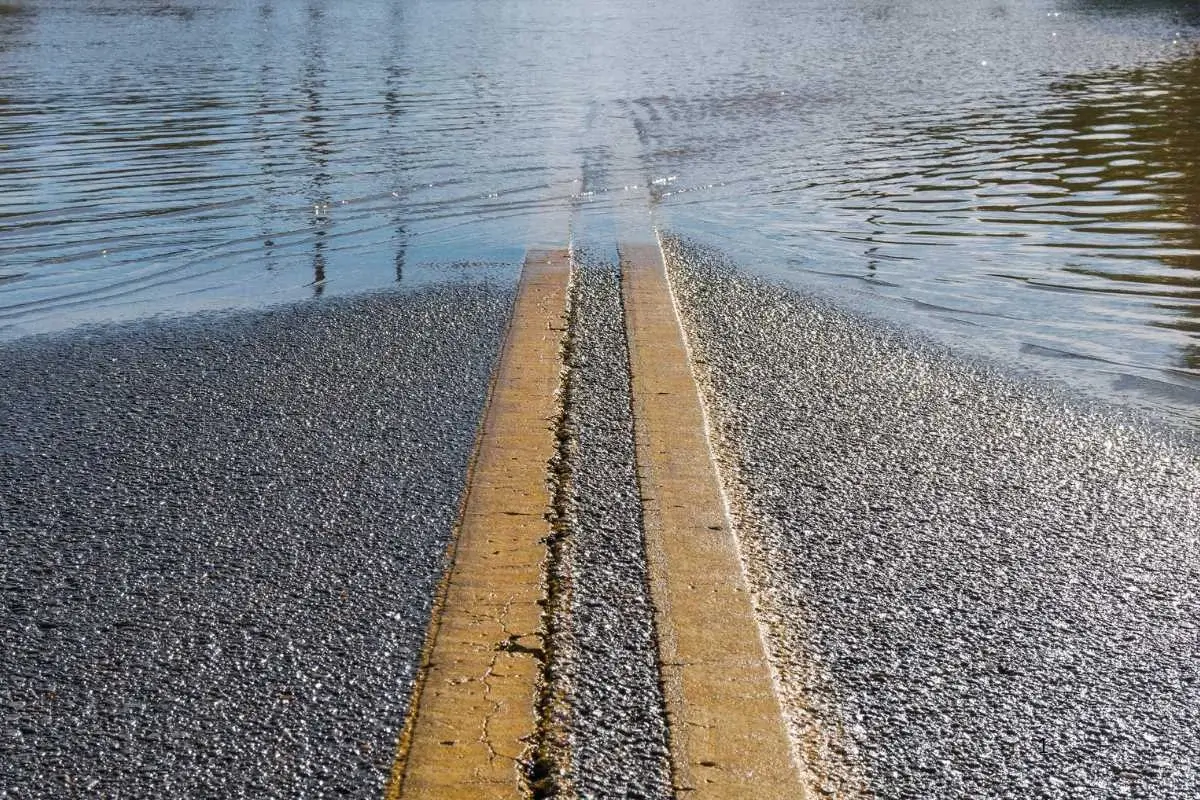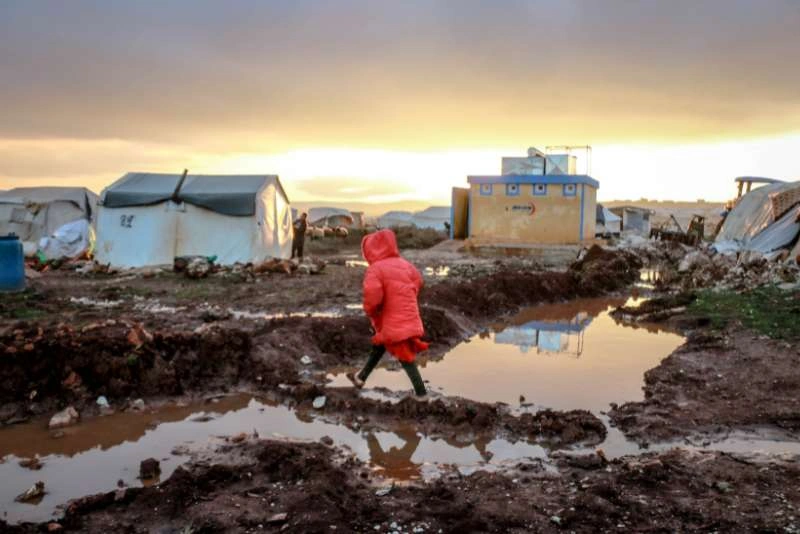
Communities everywhere are feeling the growing effects of climate change, from stronger storms to longer droughts. Strengthening resilience has become essential for helping people prepare for, adapt to, and recover from these challenges. Resilience is about more than survival. It means creating systems that can protect lives, support well-being, and ensure that communities continue to thrive despite disruptions. Building resilience requires planning, collaboration, and creative problem-solving that meet the unique needs of each place.
Local communities play a key role in this work. Through community-driven efforts like renewable energy projects, urban gardens, and local disaster preparedness programs, people can take practical steps toward sustainability. Education and public awareness also help individuals understand their role in adaptation and empower them to take meaningful action. By learning how to manage risks, conserve resources, and plan for the future, communities can become stronger and more self-sufficient.
True resilience must also include everyone. Vulnerable populations often face the greatest risks from climate change, so adaptation efforts should focus on inclusivity and equity. Ensuring that every person has access to information, resources, and decision-making opportunities makes communities more united and capable of responding to crises.
What specific strategies can communities use to strengthen resilience against climate challenges? How can education and awareness empower people to take action? What role do community-led projects, such as local energy programs or disaster planning, play in promoting sustainability? How can adaptation efforts remain fair and inclusive for everyone? What lessons can be learned from successful examples of resilient communities, and how can these lessons inspire broader global action?
Use the online submission form when sending your articles to help us track all of your submissions. Please try to write about the above topic. Your response should be at least 1,000 words.
To receive credit, your effort is what matters. You should find ways to contribute thoughtful ideas that will help others. Feel free to use personal stories or other information that you want to share, but do not use real names or other identifying information. You may write your response in the space provided or upload your response. Once we review your response, you will receive credit.
Click the button below to submit your article and get your credit.


Membership Email:
Verification Status: