Climate change poses a serious and growing threat to global food security, disrupting the stability and sustainability of food systems around the world. Extreme weather events such as droughts, floods, and heatwaves are reducing crop yields, damaging infrastructure, and straining food supply chains. Shifting climate patterns are also threatening fertile land and freshwater resources, making it increasingly difficult to sustain agricultural production for a growing global population. Ensuring reliable access to nutritious food in the face of these challenges requires cooperation across science, policy, and communities.
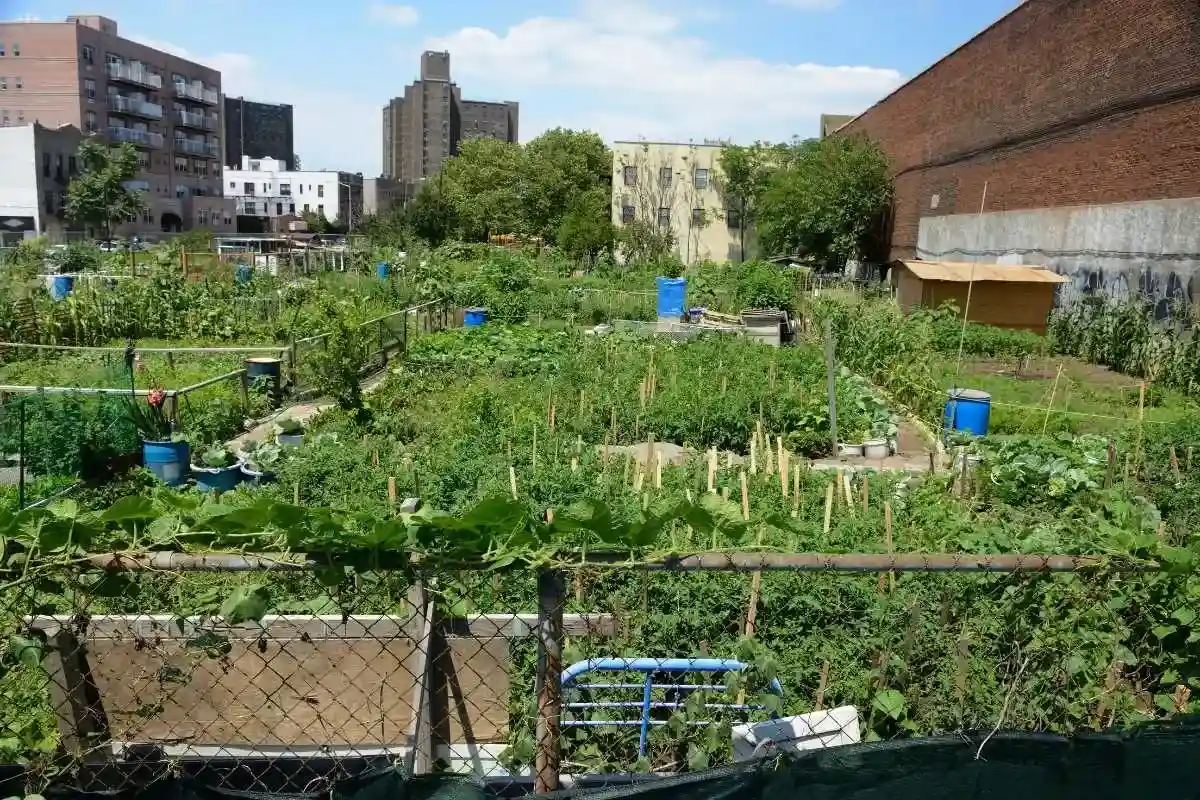
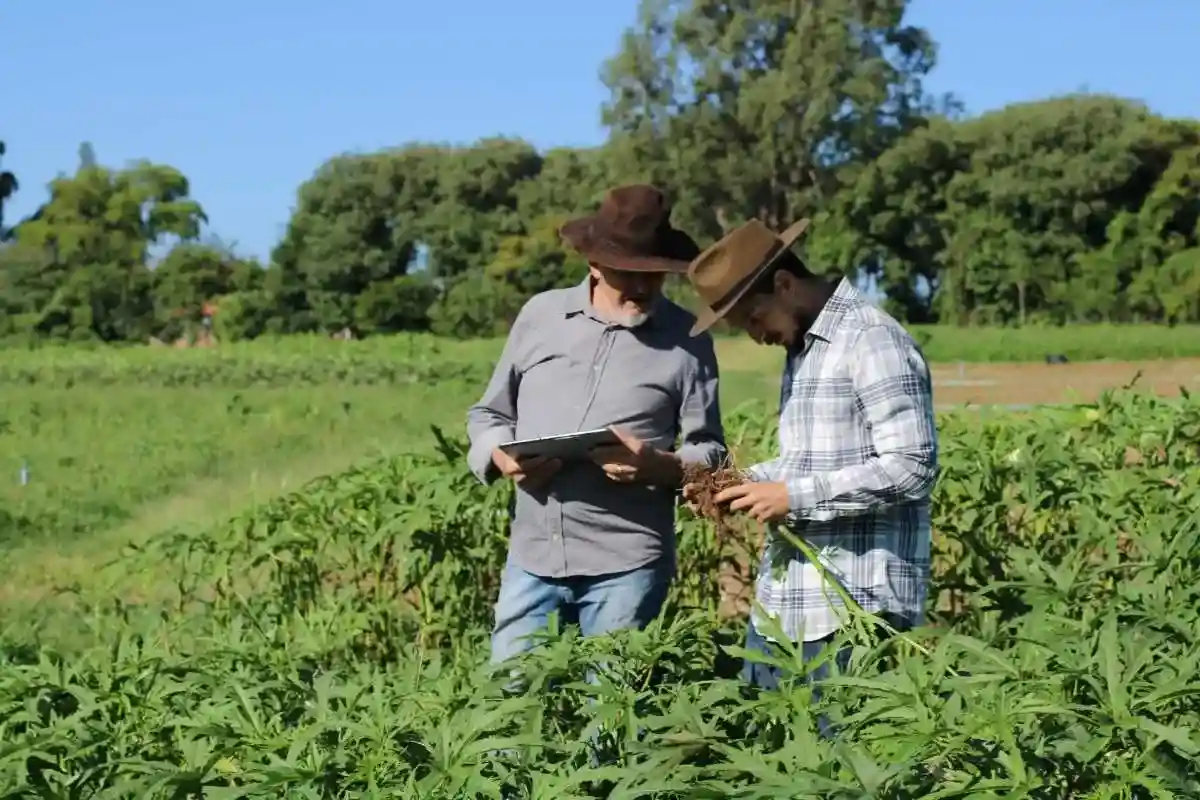
Innovation, adaptation, and collaboration are essential to protecting the world’s food supply. Technology can help farmers grow more efficiently through tools such as drought-resistant crops, improved irrigation systems, and precision farming techniques. Local efforts like urban gardens, community-supported agriculture, and regional food networks can strengthen food security and reduce dependence on global supply chains. Partnerships between governments, farmers, and researchers are also vital for promoting climate-smart policies and sustainable agricultural practices.
Every individual can play a part in creating a more secure and sustainable food future. Reducing food waste, eating more plant-based meals, and supporting small local producers all help lower the environmental impact of our diets. Together, global innovation, community resilience, and personal responsibility can create a food system capable of feeding the world in a changing climate.
How can technology, policy, and community action work together to ensure global food security in a changing climate? What role do local food systems and small-scale farming play in creating resilience? How can individuals make choices that support sustainable and equitable food systems? Reflect on whether the key to long-term food security lies in innovation, cooperation, or personal responsibility, and how each contributes to a sustainable future.
Use the online submission form when sending your articles to help us track all of your submissions. Please try to write about the above topic. Your response should be at least 1,000 words.
To receive credit, your effort is what matters. You should find ways to contribute thoughtful ideas that will help others. Feel free to use personal stories or other information that you want to share, but do not use real names or other identifying information. You may write your response in the space provided or upload your response. Once we review your response, you will receive credit.
Click the button below to submit your article and get your credit.


Membership Email:
Verification Status: