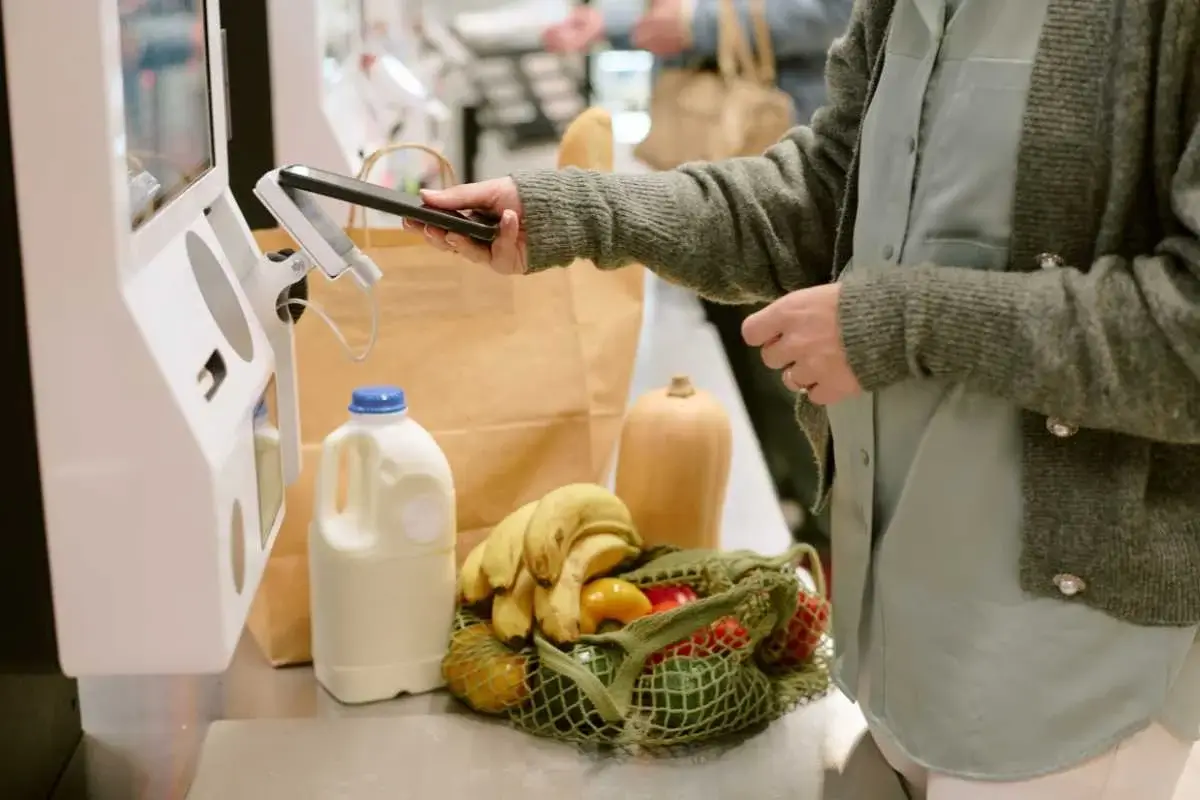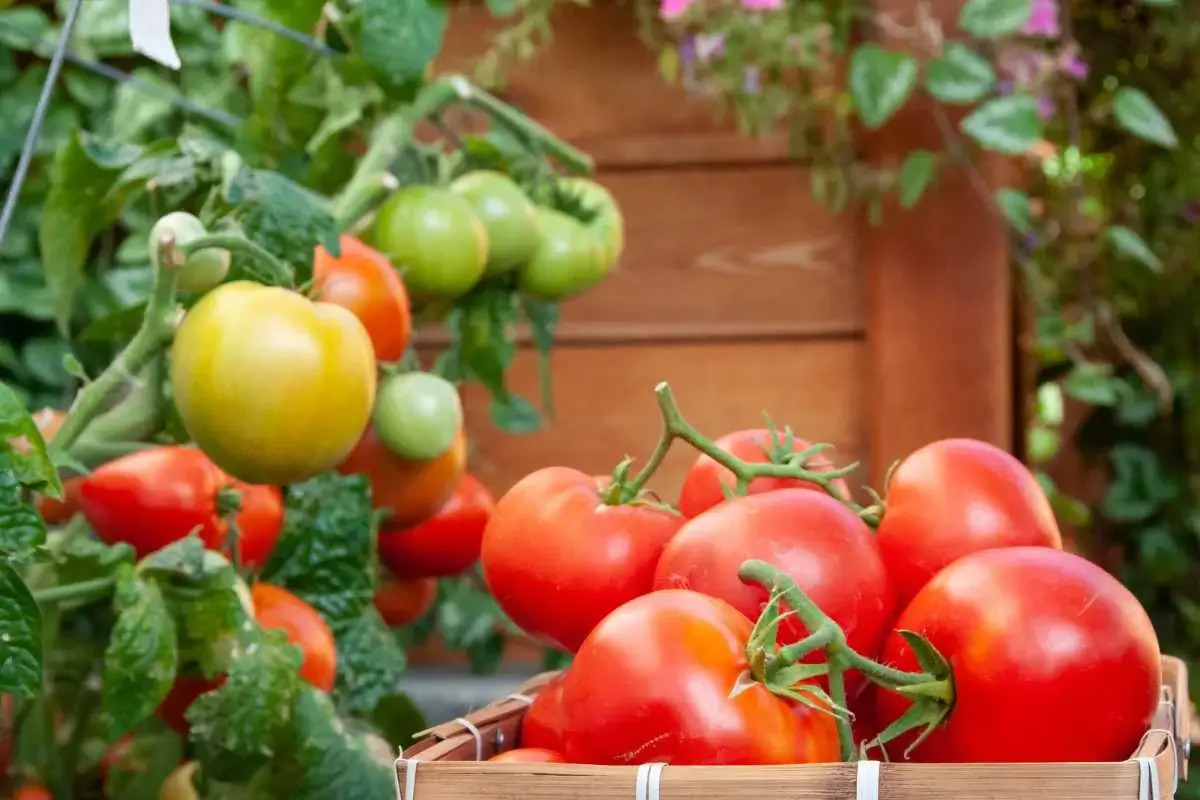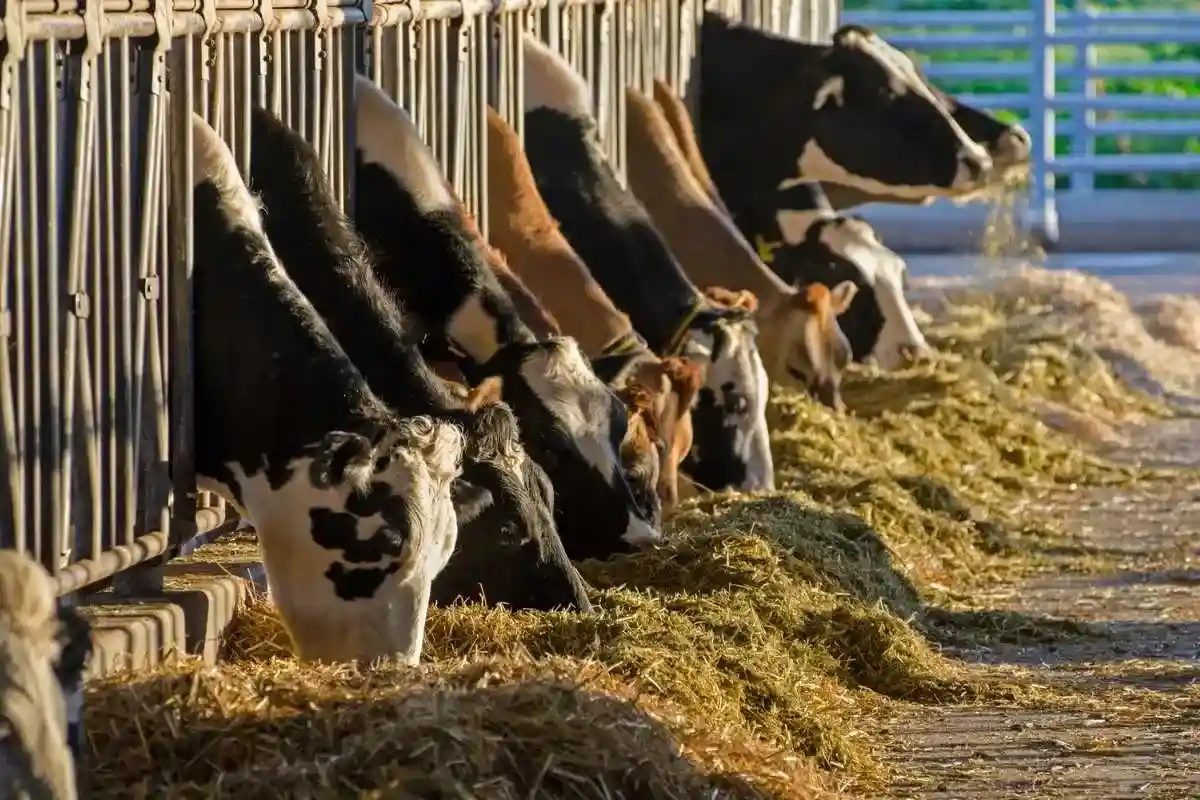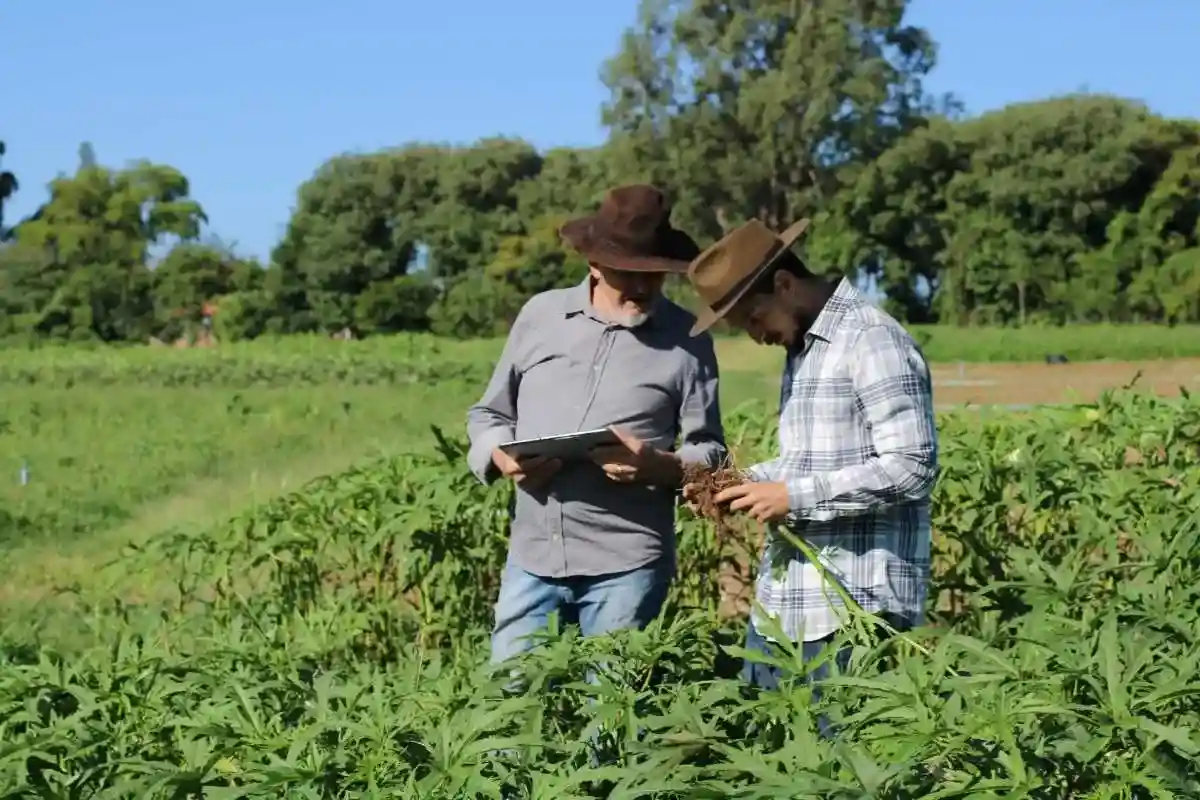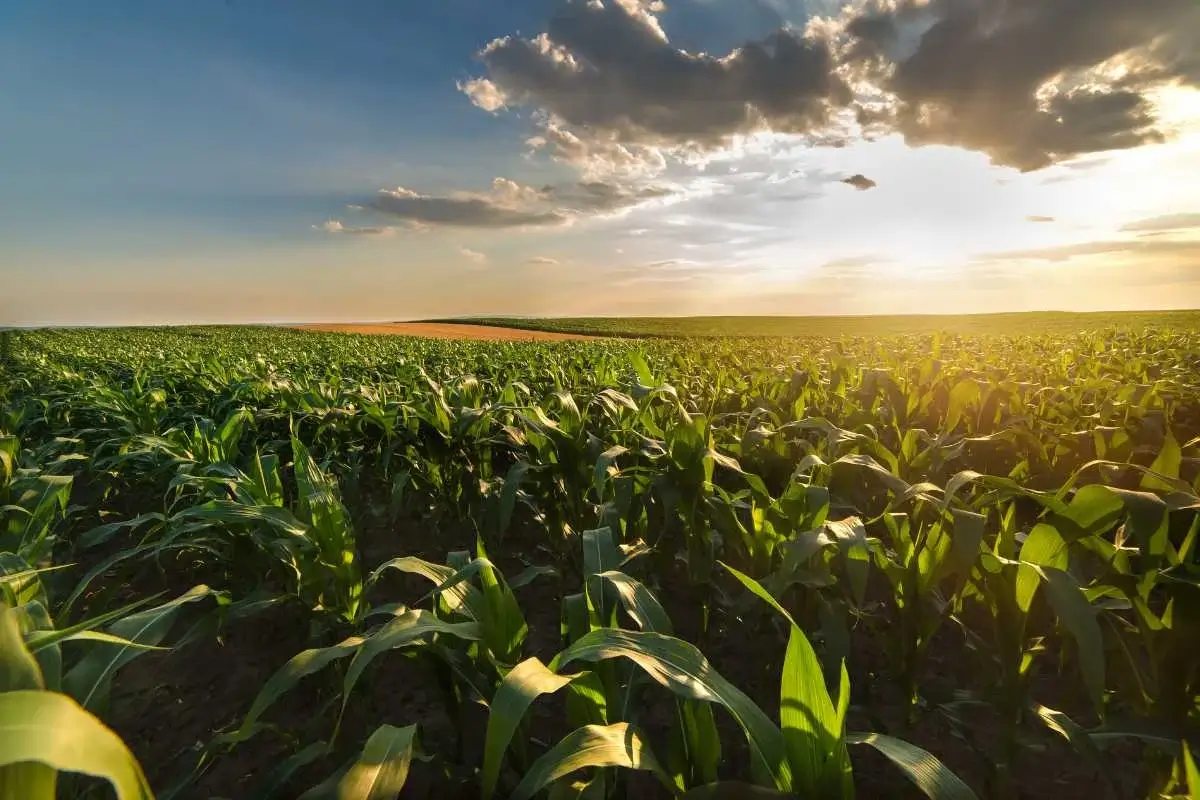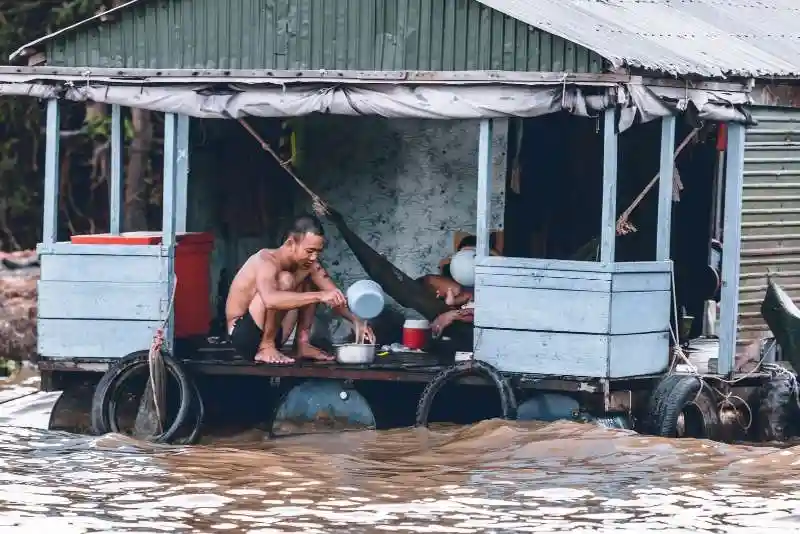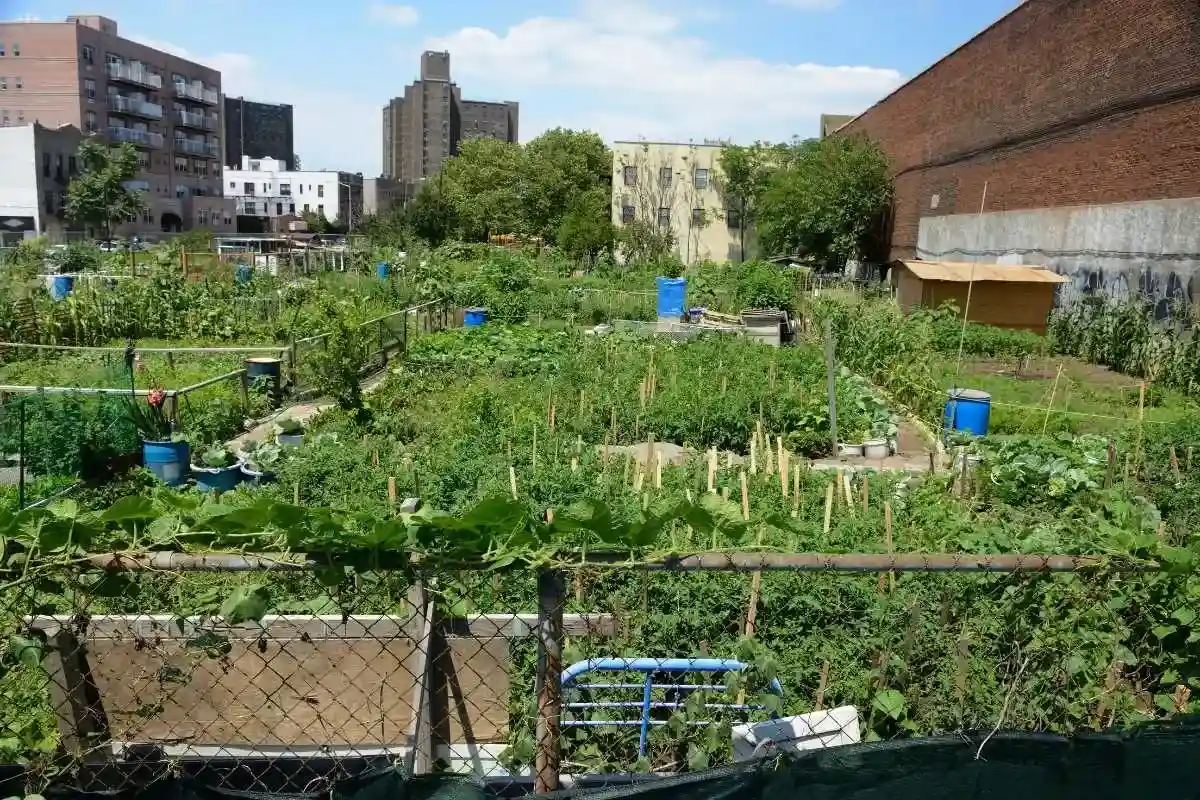
Urban farming is emerging as an essential strategy for addressing the interconnected challenges of food security and environmental sustainability. By growing crops and raising food within city limits, urban agriculture reduces dependence on traditional farming systems that require large amounts of land, water, and long-distance transportation. This localized approach helps lower greenhouse gas emissions, shortens the food supply chain, and provides communities with fresher, more nutritious produce. Urban farming is not only about cultivating food but also about building resilience, encouraging innovation, and strengthening community connections.
Integrating urban agriculture into city planning offers wide-ranging benefits. It transforms unused spaces, such as rooftops, balconies, and vacant lots, into productive green areas that provide both nourishment and environmental value. These farms improve air quality, reduce urban heat, and create habitats for pollinators and wildlife. Beyond environmental gains, urban farming fosters education, job creation, and civic participation. It strengthens a shared sense of purpose among residents and reconnects people to the process of growing their own food.
Communities are at the heart of successful urban farming initiatives. Supporting farmers’ markets, joining community gardens, and advocating for city policies that prioritize green spaces can help expand access to local, sustainable food sources. Collaboration between residents, urban planners, and policymakers is essential for scaling these efforts. Investments in training and technology, such as hydroponics, aquaponics, and vertical farming, can increase efficiency and ensure long-term viability. Together, these actions can transform cities into thriving ecosystems where food production, sustainability, and community well-being grow hand in hand.
How does urban farming help reduce the environmental impact of food production? What challenges and opportunities arise when implementing urban agriculture in densely populated cities? How can individuals and policymakers collaborate to support urban farming initiatives on a larger scale? What steps can communities take to make urban agriculture more inclusive and accessible to all residents?
Use the online submission form when sending your articles to help us track all of your submissions. Please try to write about the above topic. Your response should be at least 1,000 words.
To receive credit, your effort is what matters. You should find ways to contribute thoughtful ideas that will help others. Feel free to use personal stories or other information that you want to share, but do not use real names or other identifying information. You may write your response in the space provided or upload your response. Once we review your response, you will receive credit.
Click the button below to submit your article and get your credit.


Membership Email:
Verification Status: