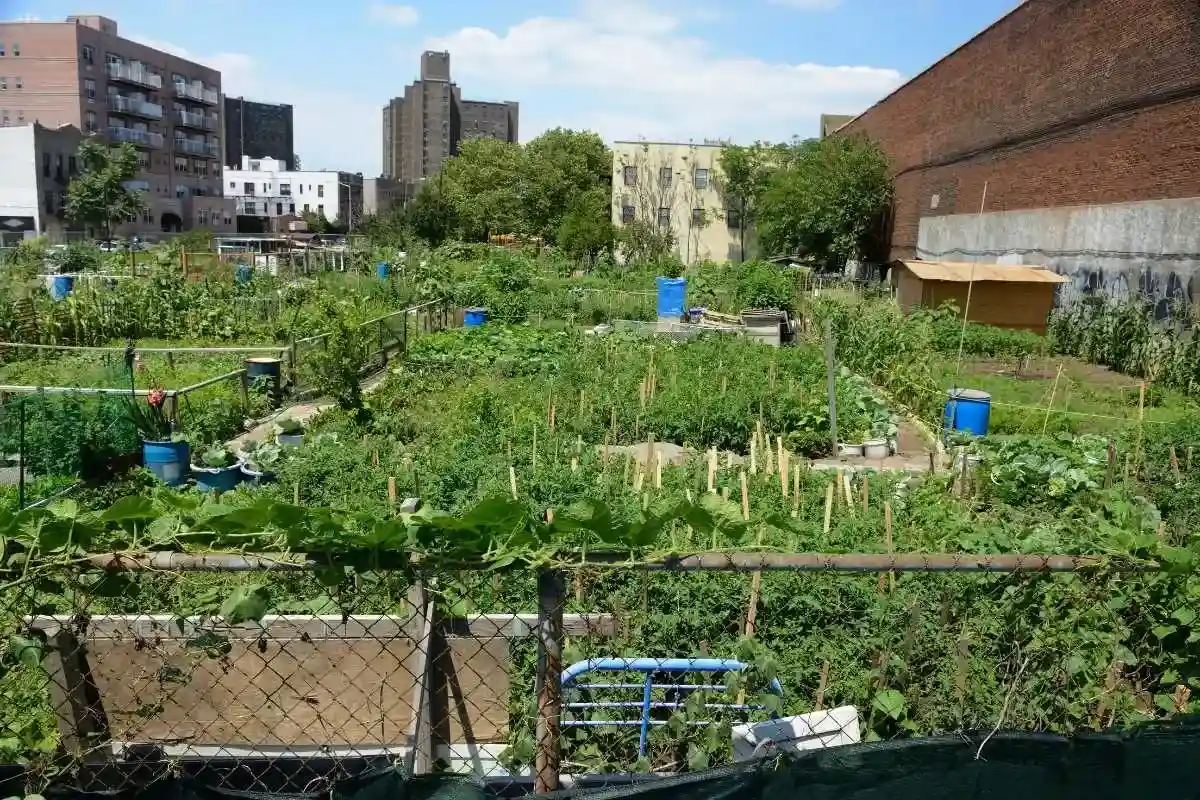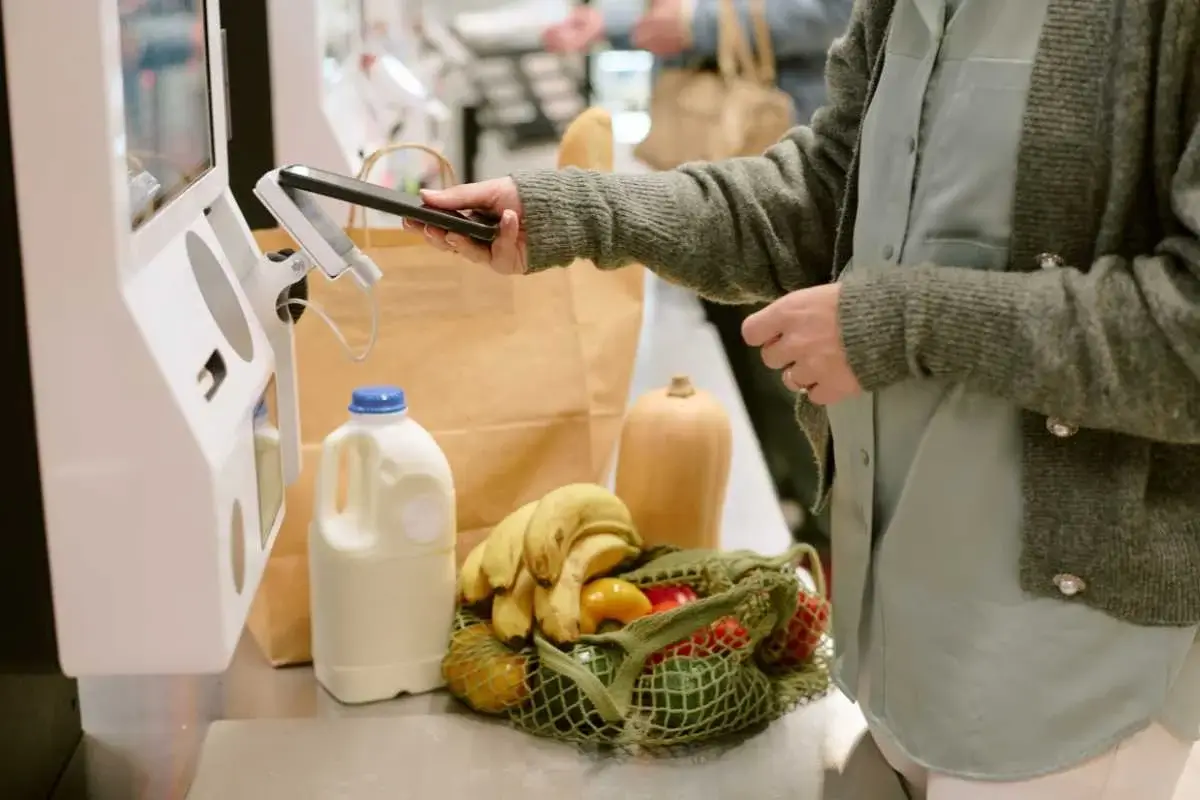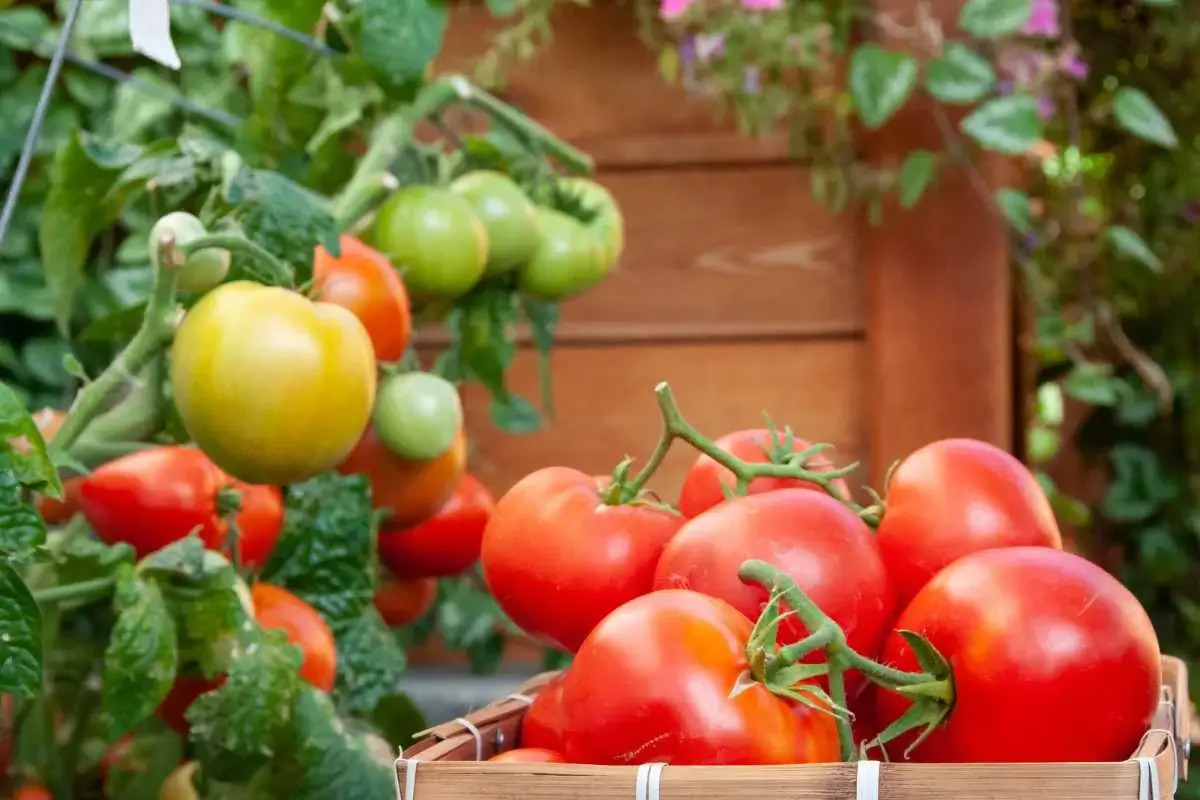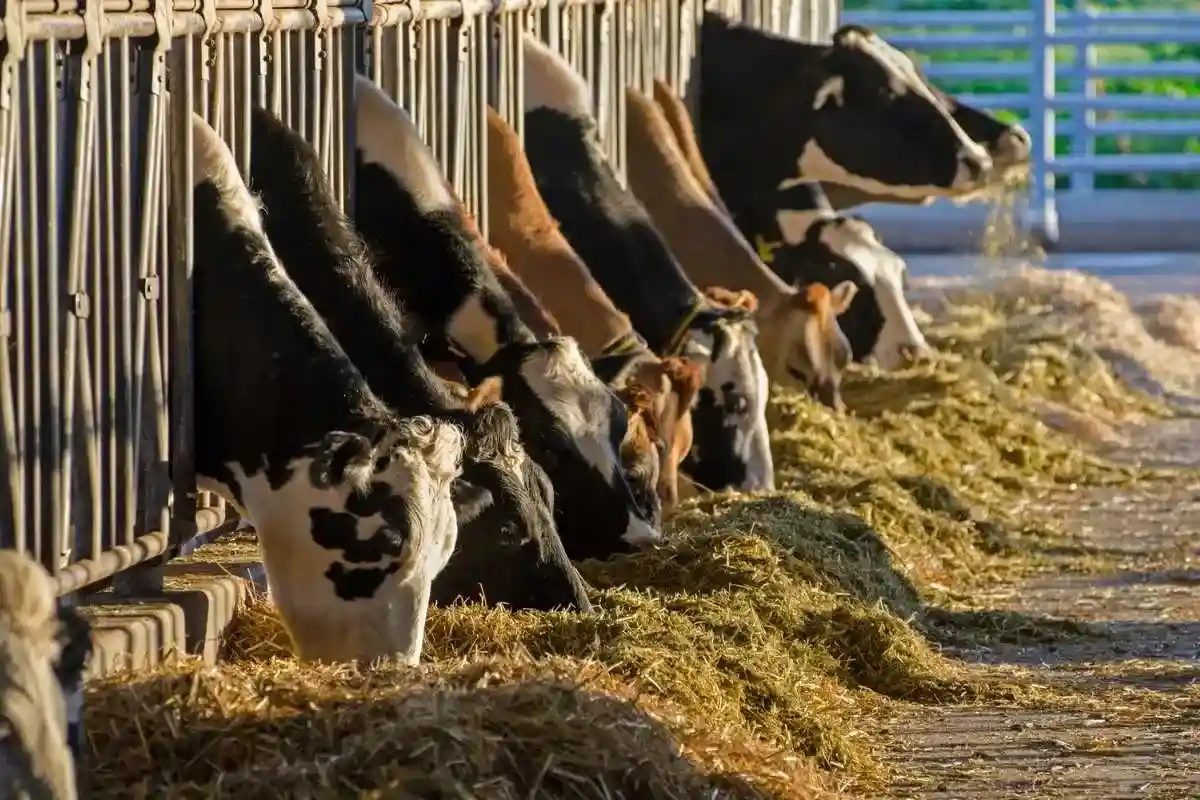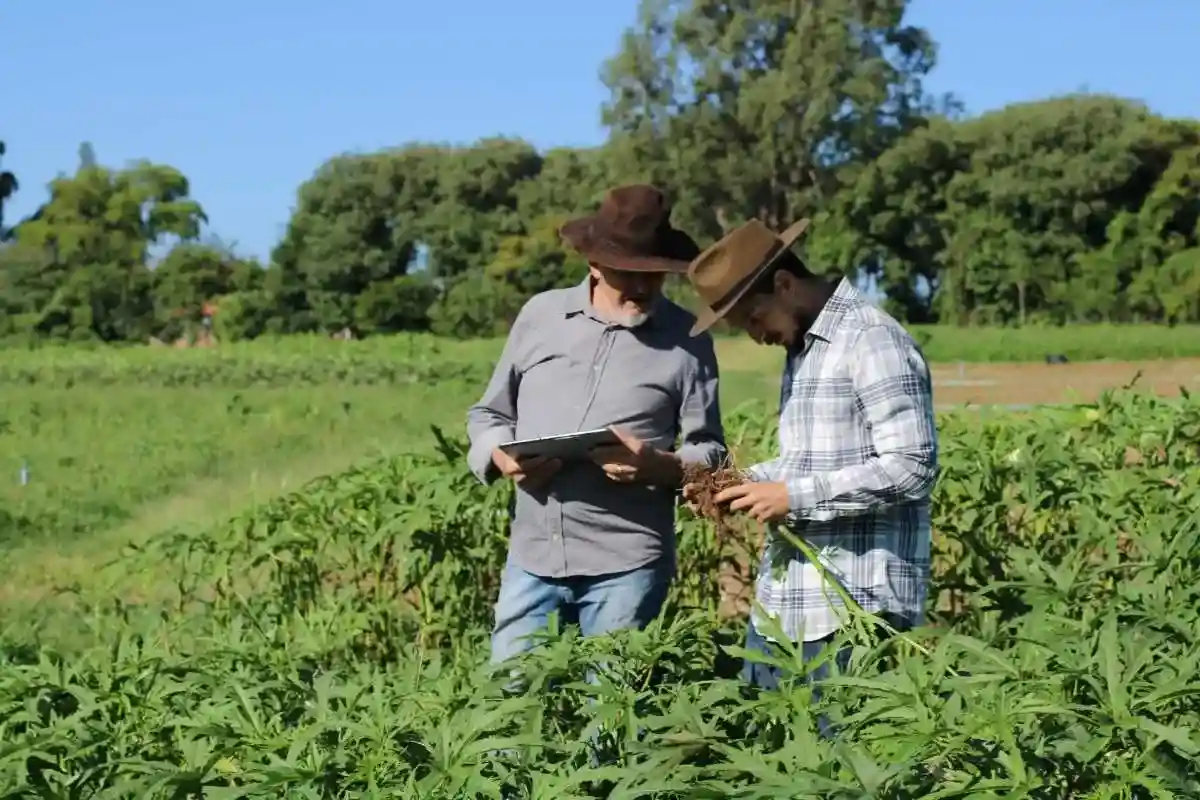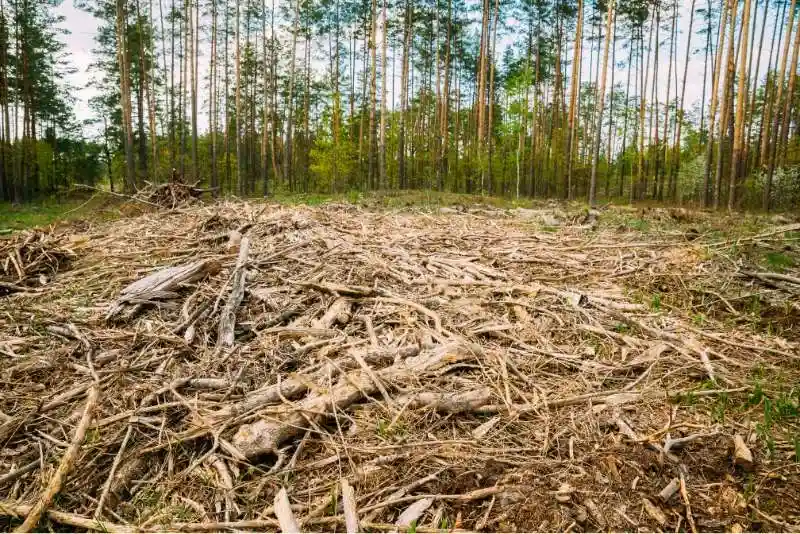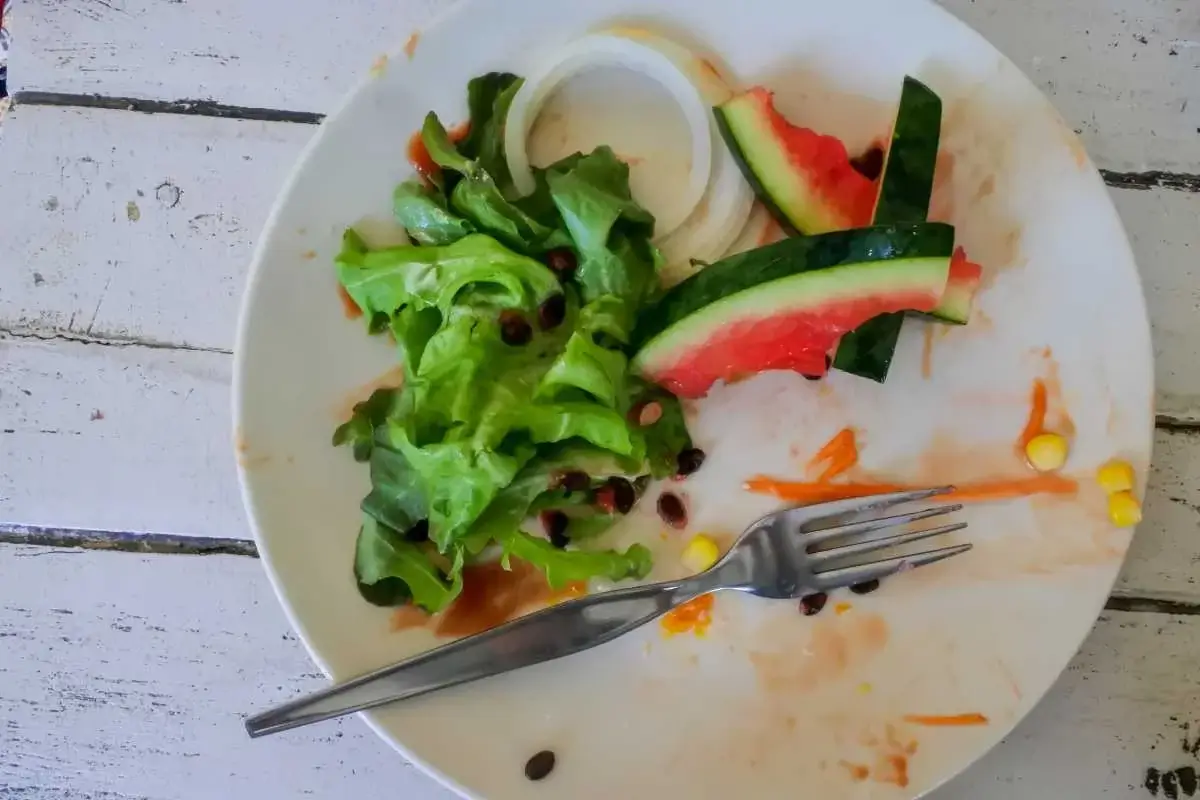
When food is wasted, it creates serious environmental and social consequences. Discarded food in landfills releases methane, a greenhouse gas that contributes to global warming. It also wastes valuable resources such as water, energy, and labor that were used to grow, transport, and package it. Reducing food waste helps protect the environment while creating a more sustainable and fair food system.
Preventing food waste starts with small, intentional actions. Planning meals ahead of time, buying only what is needed, and storing food properly can make a big difference. Restaurants, grocery stores, and food producers can also play a major role by donating unsold food, using better inventory management systems, and partnering with organizations that help distribute excess food to people in need. These actions help communities save money, reduce emissions, and feed more people.
Technology and innovation are making waste reduction easier than ever. Food-sharing apps, composting programs, and food recovery networks connect people and businesses to practical solutions. At the same time, education and public awareness are key to changing habits. When people understand the true impact of food waste, they are more likely to take action and influence others to do the same.
How can individuals, businesses, and communities work together to prevent food waste? What simple steps can households take to reduce waste and save resources? How can restaurants, supermarkets, and food producers find creative ways to manage surplus food? What role do education and public awareness play in encouraging long-term change? How might innovation, such as food donation programs or composting systems, help create a more sustainable and equitable food system?
Use the online submission form when sending your articles to help us track all of your submissions. Please try to write about the above topic. Your response should be at least 1,000 words.
To receive credit, your effort is what matters. You should find ways to contribute thoughtful ideas that will help others. Feel free to use personal stories or other information that you want to share, but do not use real names or other identifying information. You may write your response in the space provided or upload your response. Once we review your response, you will receive credit.
Click the button below to submit your article and get your credit.


Membership Email:
Verification Status: