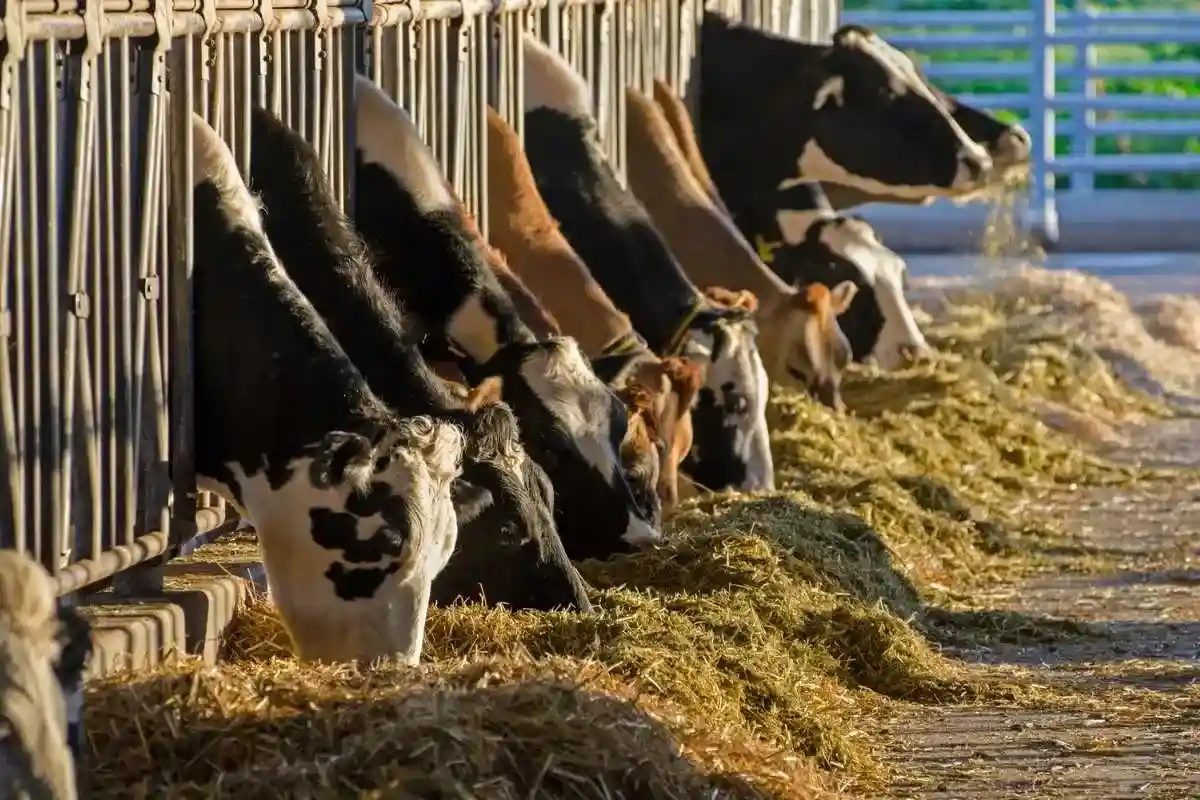
The relationship between food production and climate change is one of the most important challenges the world faces today. Agriculture is a major source of greenhouse gas emissions, with meat production, particularly beef and lamb, producing far more emissions than plant-based foods. This difference exists because raising livestock requires large amounts of land, feed, and water, and animals release methane, a powerful greenhouse gas. In contrast, plant-based diets use fewer resources and create lower emissions, making dietary changes an effective way to reduce our environmental impact.
Another critical part of the food system’s influence on climate change involves how food is transported and packaged. Moving food across long distances consumes large amounts of energy, often from fossil fuels, while excessive packaging, especially plastics, contributes to pollution and creates additional emissions during manufacturing. Supporting local food systems, reducing dependence on long-distance imports, and using sustainable packaging alternatives are essential steps to help minimize these effects.
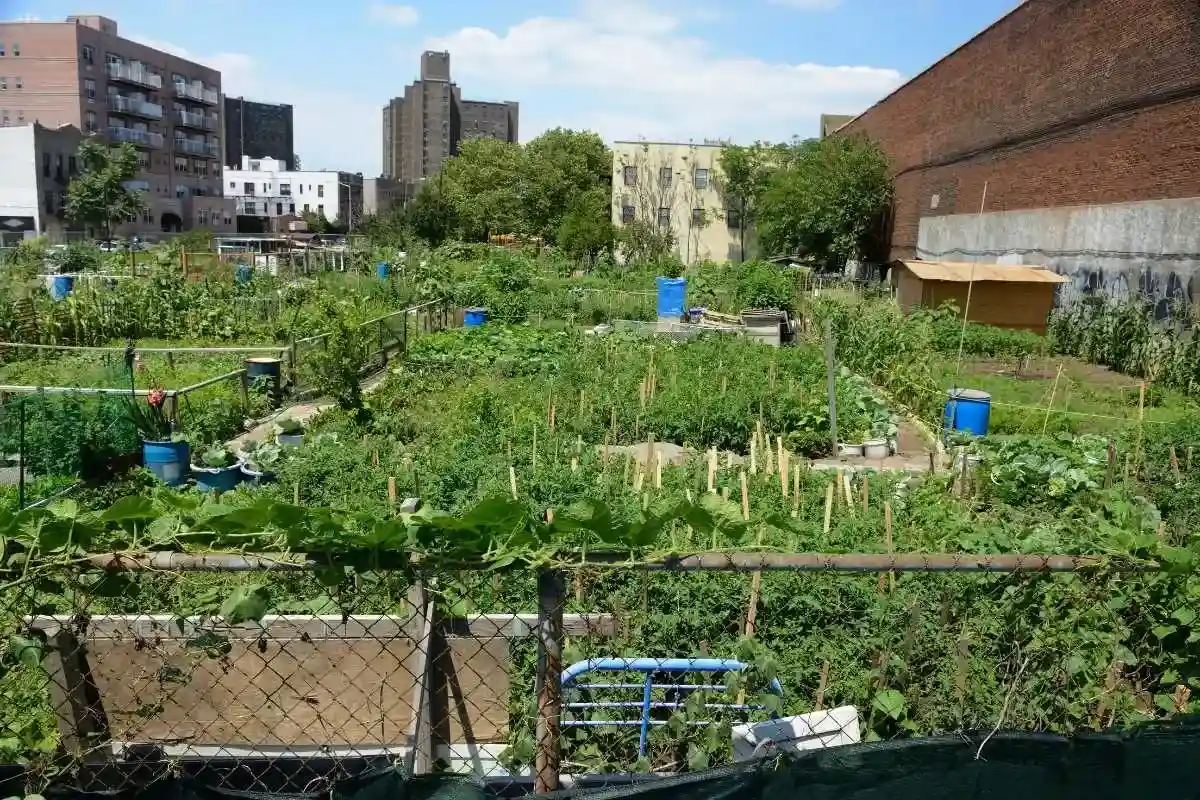
Individuals and communities have a vital role in transforming the food system to support environmental balance and long-term sustainability. Reducing food waste, choosing sustainable seafood, and supporting local farmers all help lower emissions and protect ecosystems. Education and awareness are also powerful tools that can inspire people to make thoughtful choices about what they eat and how their food is produced.
How can people adjust their diets to reduce greenhouse gas emissions from food production? What innovative solutions could make food packaging more sustainable? How can communities strengthen local food systems and reduce dependence on global supply chains? In what ways can education and awareness campaigns encourage more sustainable eating habits and waste reduction?
Use the online submission form when sending your articles to help us track all of your submissions. Please try to write about the above topic. Your response should be at least 1,000 words.
To receive credit, your effort is what matters. You should find ways to contribute thoughtful ideas that will help others. Feel free to use personal stories or other information that you want to share, but do not use real names or other identifying information. You may write your response in the space provided or upload your response. Once we review your response, you will receive credit.
Click the button below to submit your article and get your credit.


Membership Email:
Verification Status: