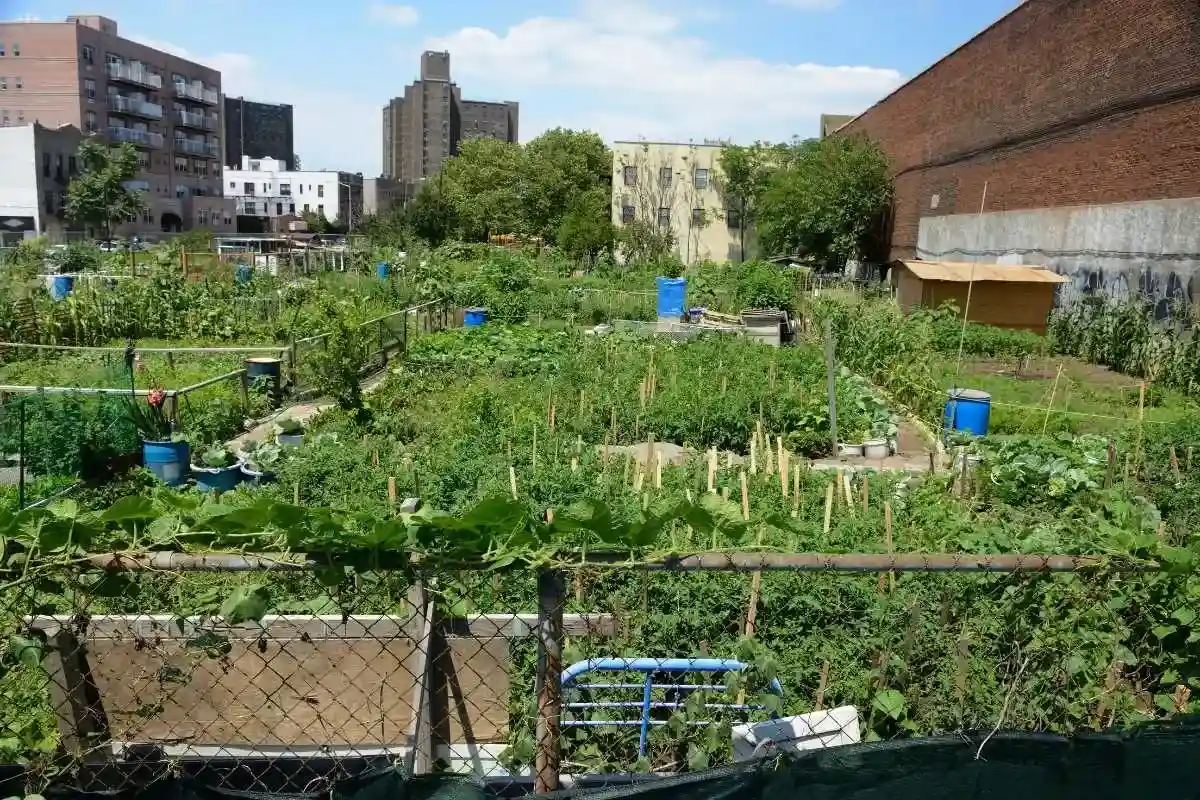
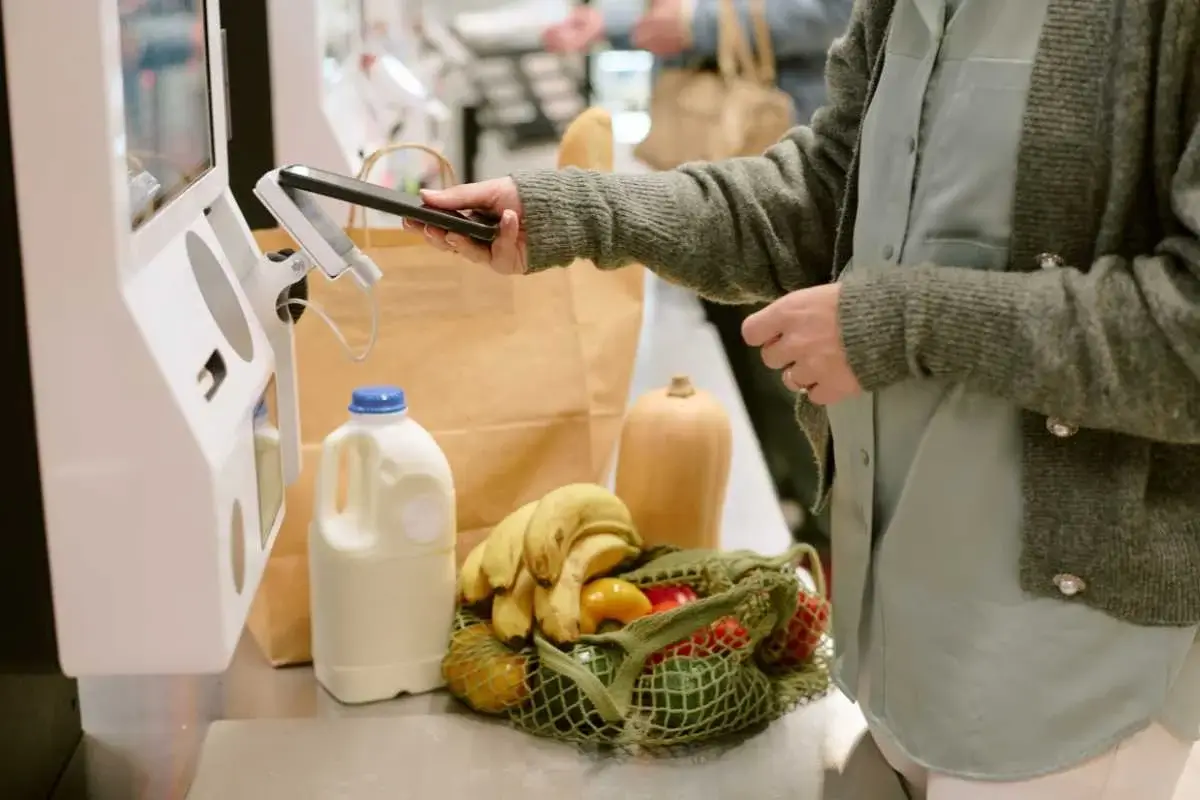
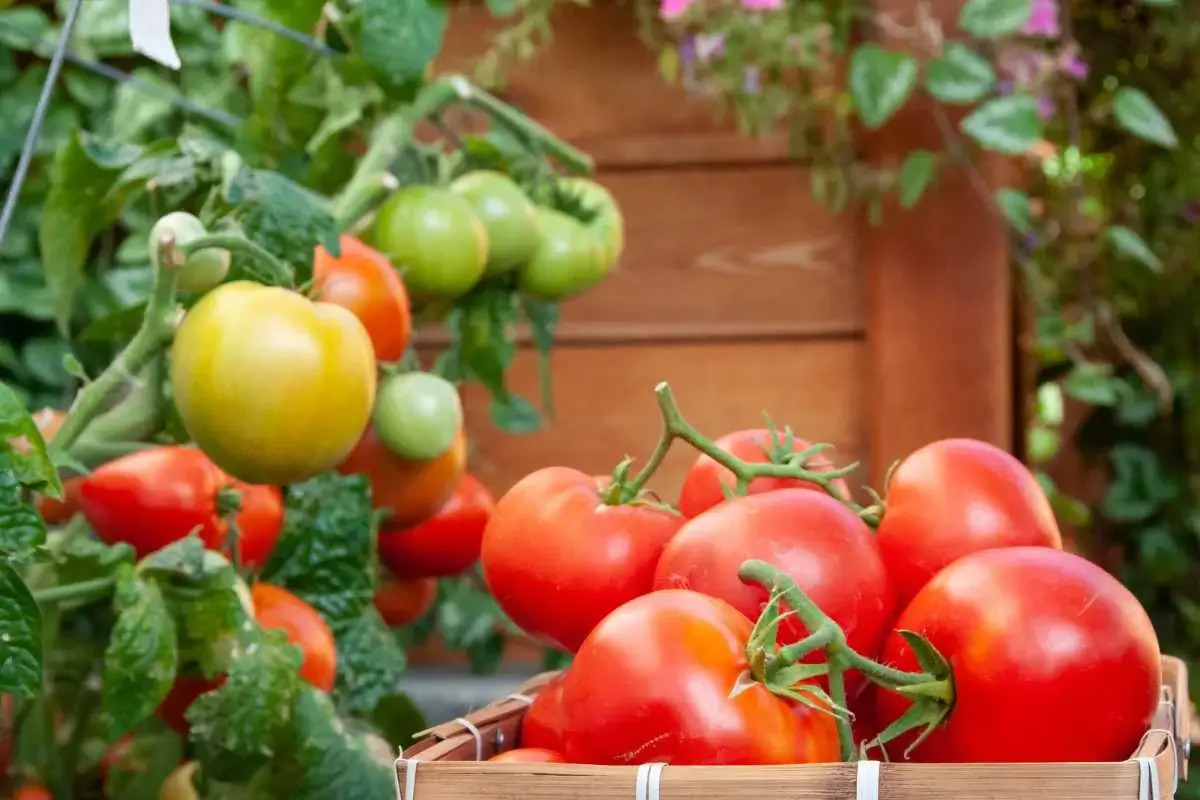
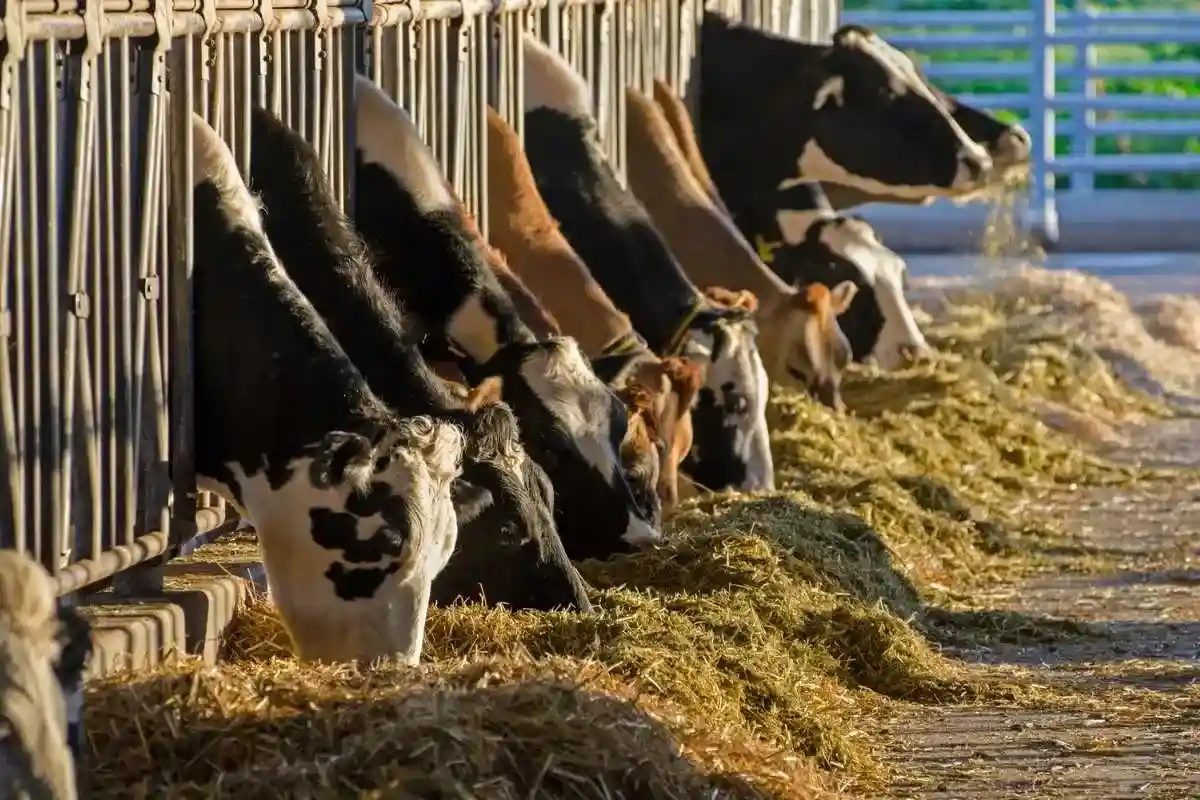
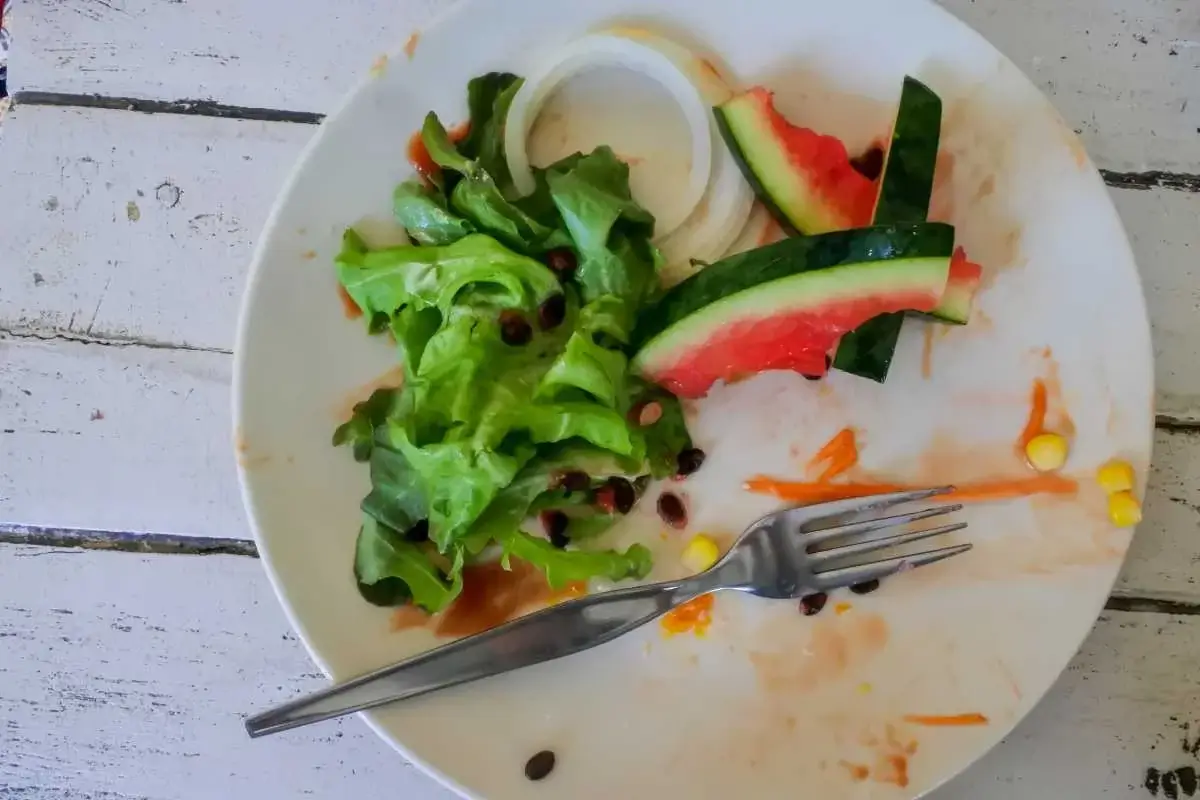
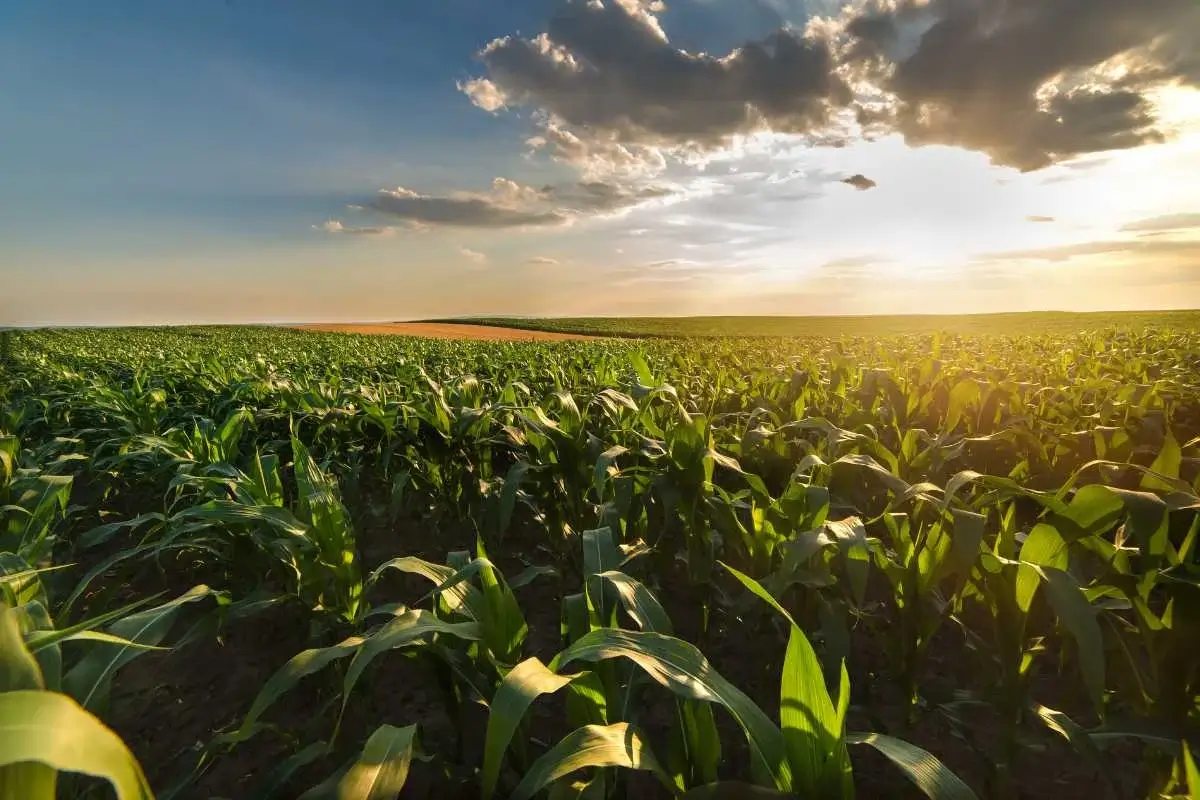
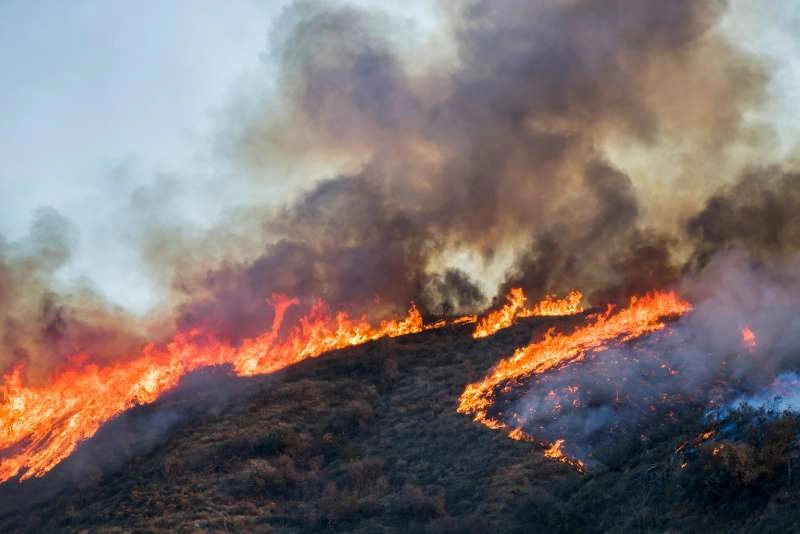
The food we eat has a direct and powerful impact on the planet. Agriculture is one of the largest contributors to climate change through greenhouse gas emissions, deforestation, and heavy water use. Livestock farming, fertilizer production, and land clearing all release carbon dioxide, methane, and nitrous oxide into the atmosphere. Beyond farming, packaging, transportation, and food processing further increase the environmental footprint of what ends up on our plates. Understanding the link between food production and climate change helps us make choices that support both people and the planet.
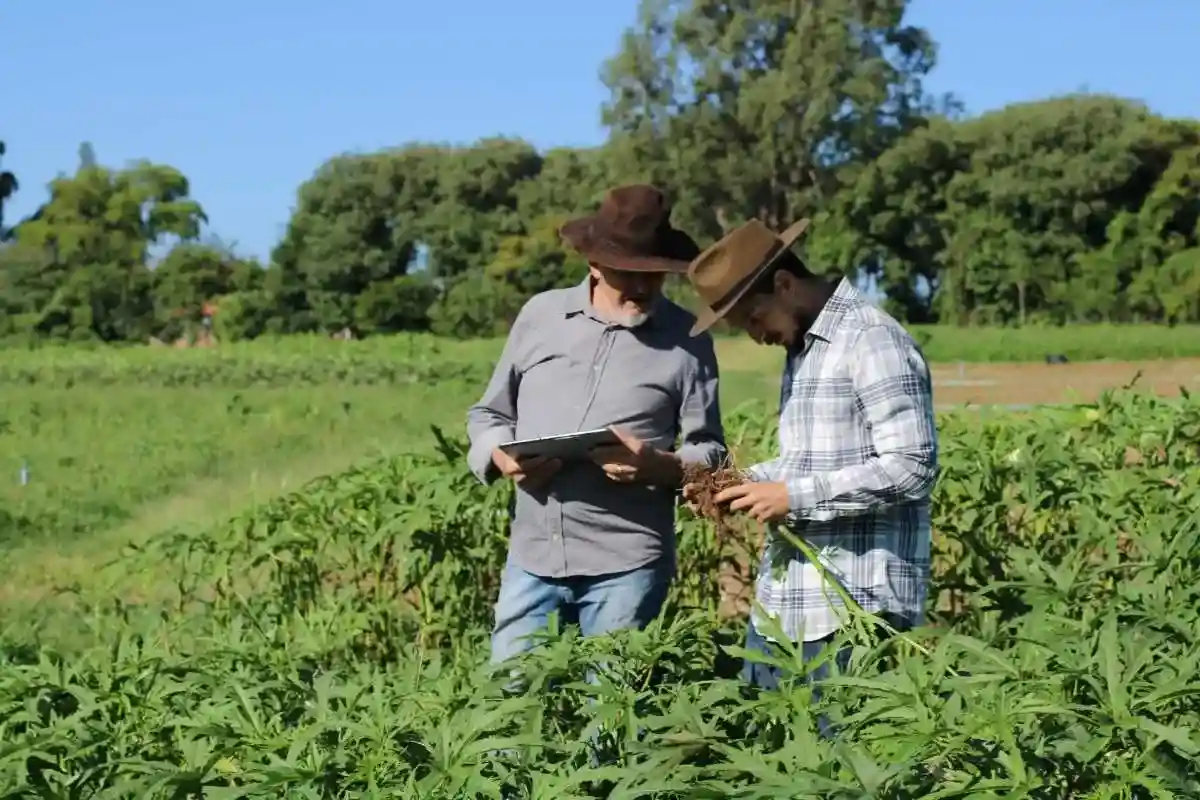
Shifting toward sustainable food systems is one of the most effective ways to reduce emissions and preserve natural resources. Sustainable farming methods, local food networks, and reduced food waste all play essential roles in creating balance between human needs and environmental health. Governments can support these changes through strong policies, innovation, and education, while individuals can make a difference by choosing locally grown, seasonal, and plant-based foods. Small actions, multiplied across communities, can lead to meaningful progress toward global sustainability.
How do our dietary choices and food systems affect the planet’s climate? What steps can individuals, farmers, and governments take to make agriculture more sustainable? How can local food networks, reduced waste, and plant-based diets help lower emissions and protect natural resources? What can we learn from communities or countries that have already made progress in building sustainable food systems? How can these efforts create a future where food nourishes both people and the planet?
Use the online submission form when sending your articles to help us track all of your submissions. Please try to write about the above topic. Your response should be at least 1,000 words.
To receive credit, your effort is what matters. You should find ways to contribute thoughtful ideas that will help others. Feel free to use personal stories or other information that you want to share, but do not use real names or other identifying information. You may write your response in the space provided or upload your response. Once we review your response, you will receive credit.
Click the button below to submit your article and get your credit.


Membership Email:
Verification Status: