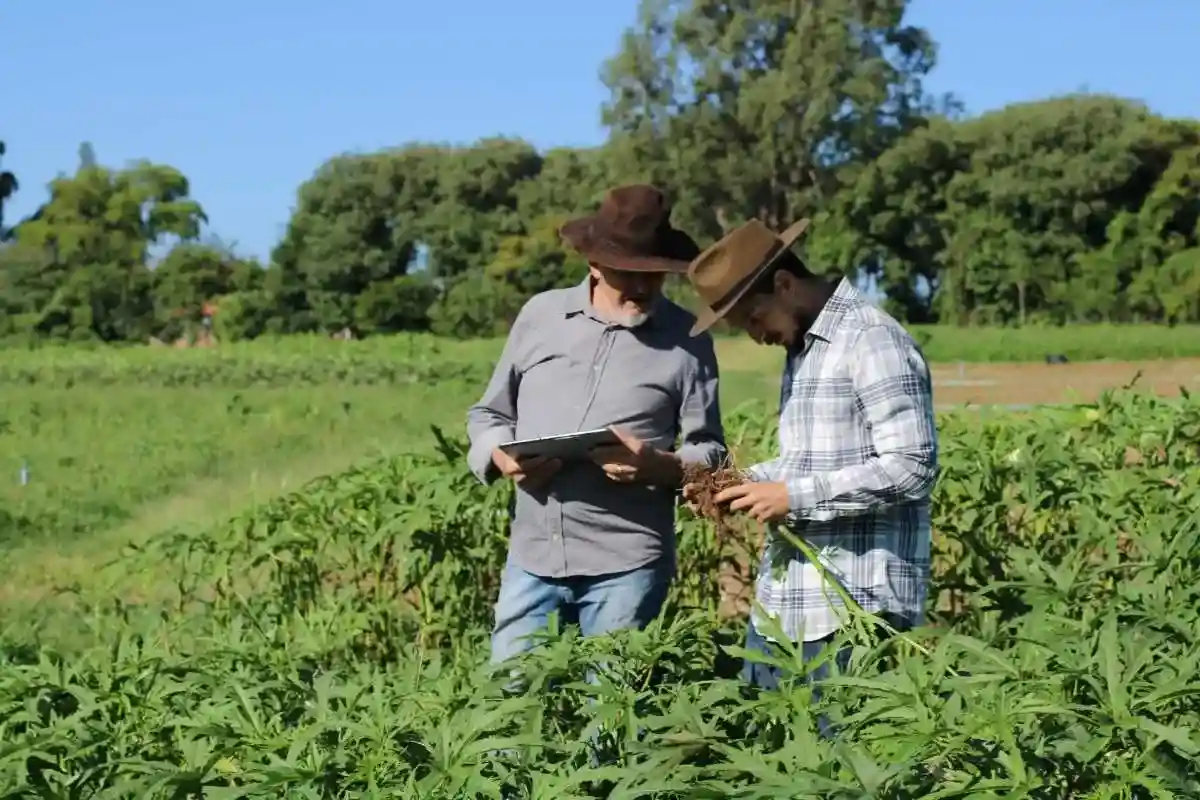
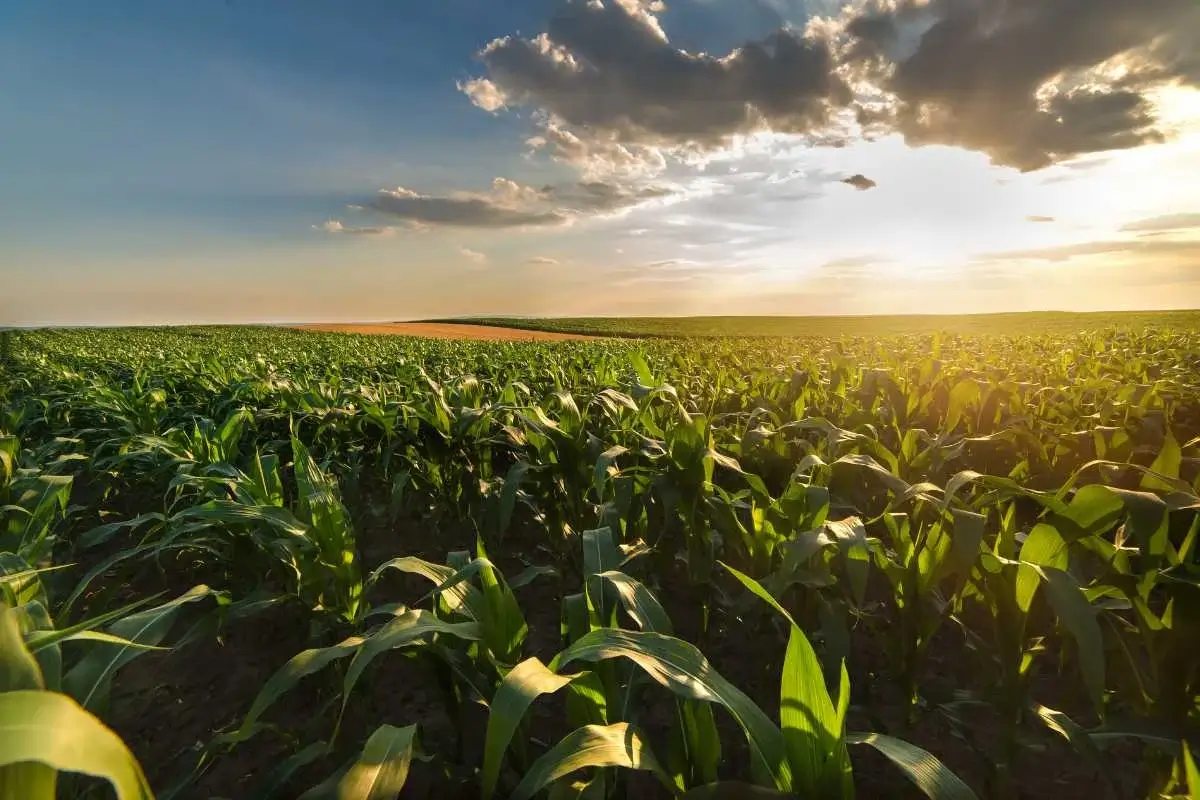
Food and climate are deeply interconnected, shaping the way we grow, consume, and think about the things we eat. Agriculture, a key part of our food system, is both a contributor to and a victim of climate change. From greenhouse gas emissions caused by traditional farming practices to the droughts and extreme weather events that threaten crop yields, the relationship between food and climate reveals a pressing need for sustainable solutions. Learning about this connection offers insights into how we can make food systems healthier, more resilient, and environmentally friendly.
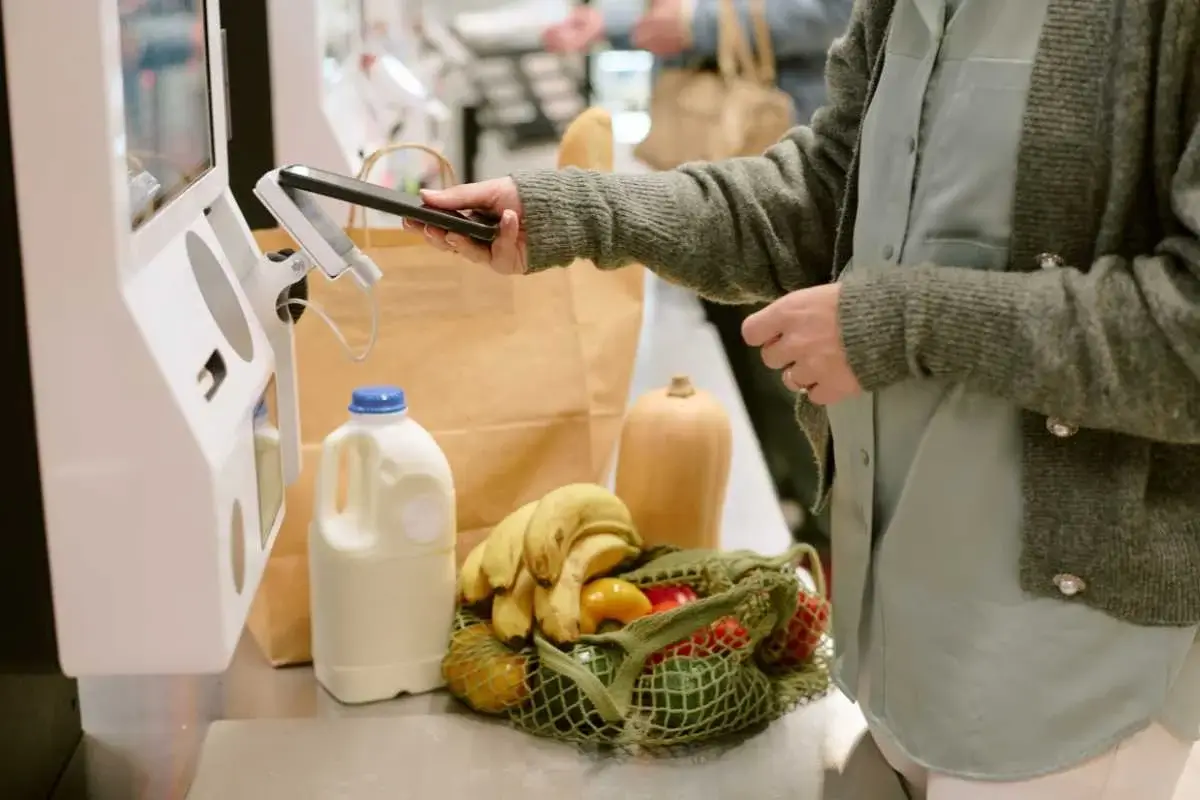
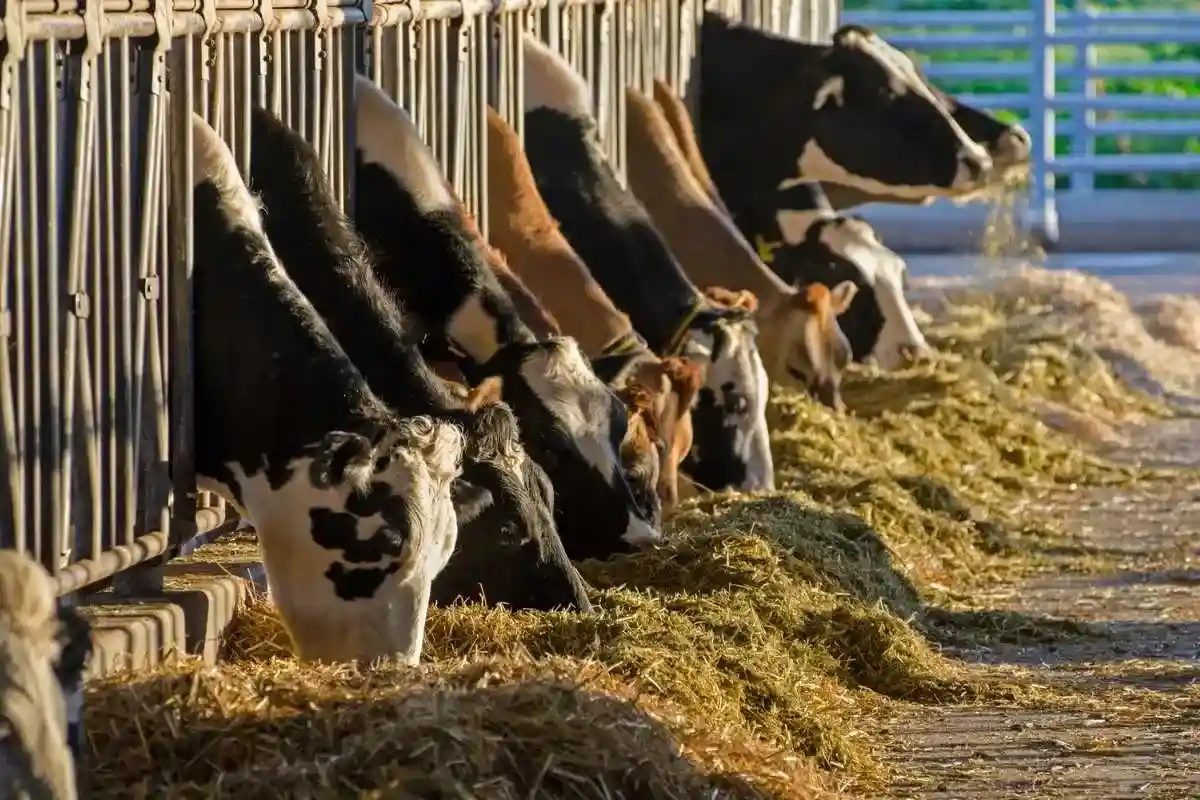
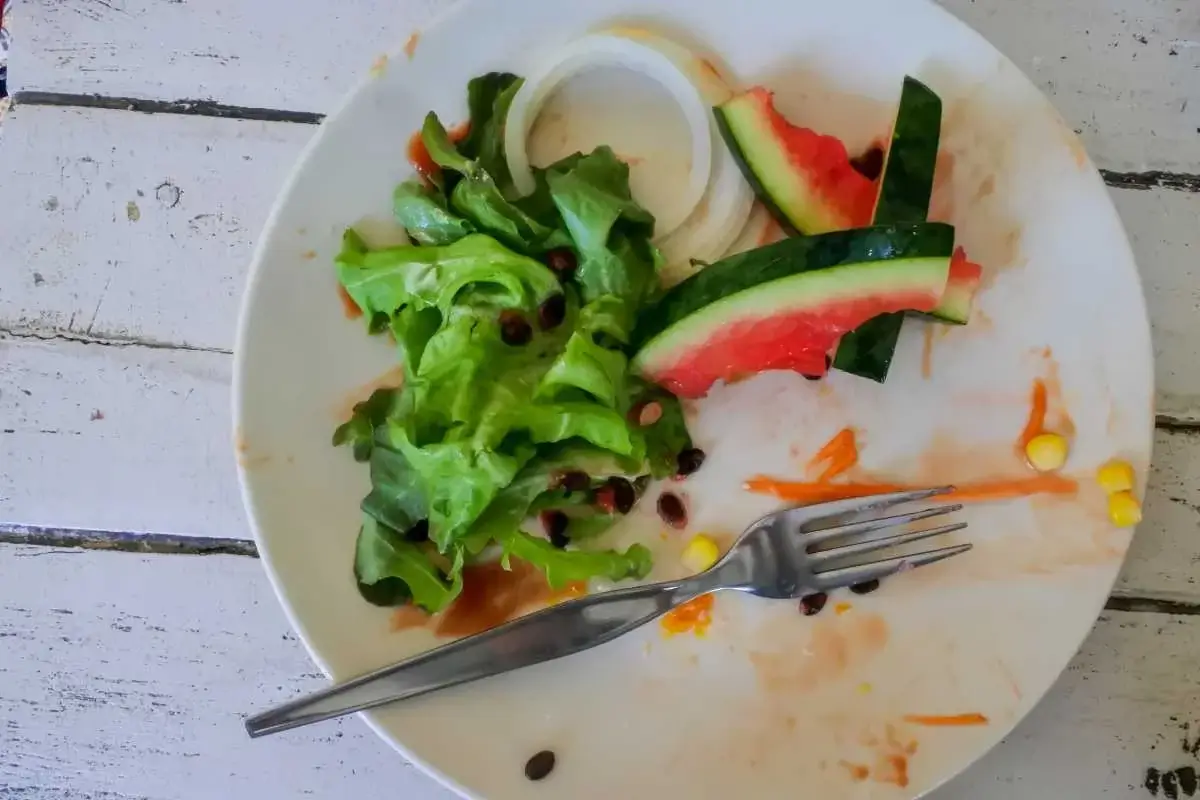
The challenges are significant but not insurmountable. Livestock farming produces methane, a powerful greenhouse gas, while deforestation for agriculture contributes to carbon emissions and habitat destruction. On the other hand, innovative solutions like regenerative farming, plant-based diets, and reducing food waste show that change is within reach. The choices we make at every step—from production to consumption—have the power to shape a more sustainable world, ensuring food security while minimizing environmental harm.
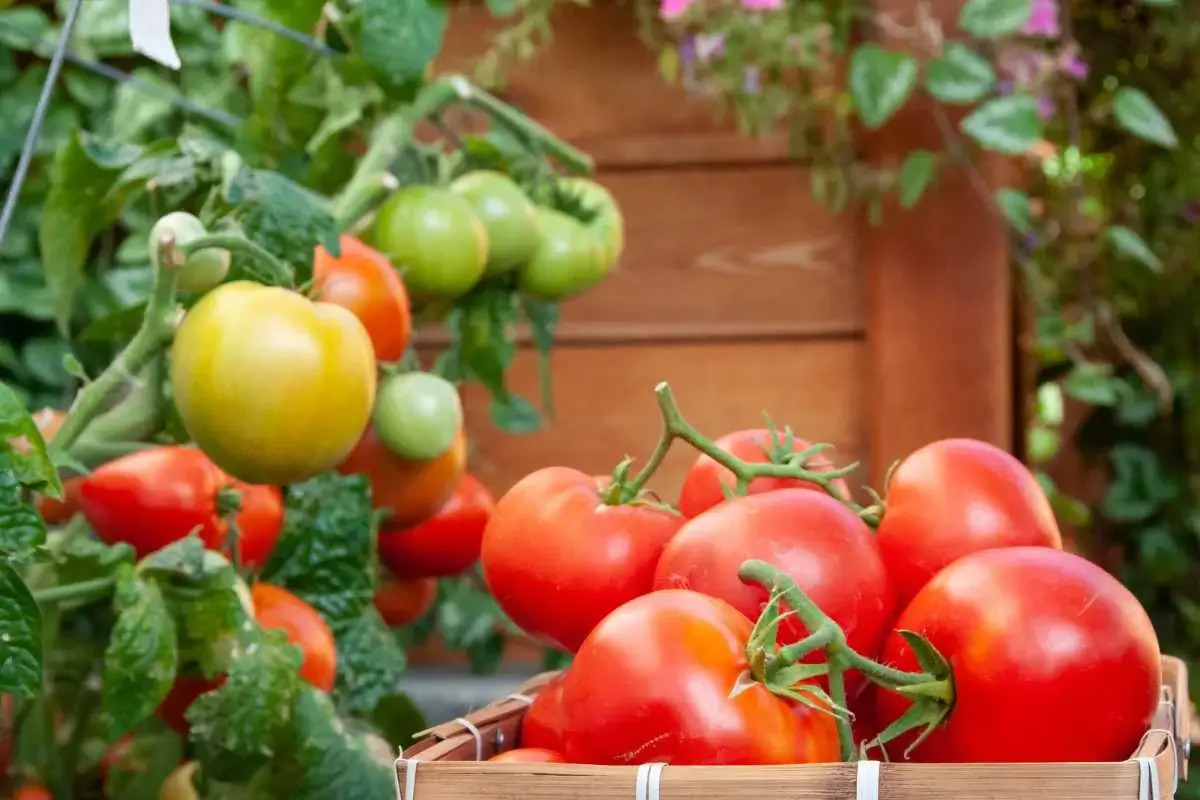
You can take these ideas further by engaging in creative, impactful ways. Enroll in a course to explore how climate-friendly practices and policies are transforming the food sector. Write an article on inspiring projects like urban farming or zero-waste restaurants. Use social media to share tips on how everyone can eat more sustainably. Or grab your camera and document how farmers, markets, and communities are adapting to protect the planet while producing food. These activities strengthen your understanding while inspiring others to join the cause.
Addressing the connection between food and climate is about rethinking old habits and building healthier, more equitable systems. By learning and acting, you can help create a future where nutritious food is produced efficiently, waste is minimized, and ecosystems are preserved. Every small step counts, ensuring that food works hand-in-hand with the environment instead of against it.
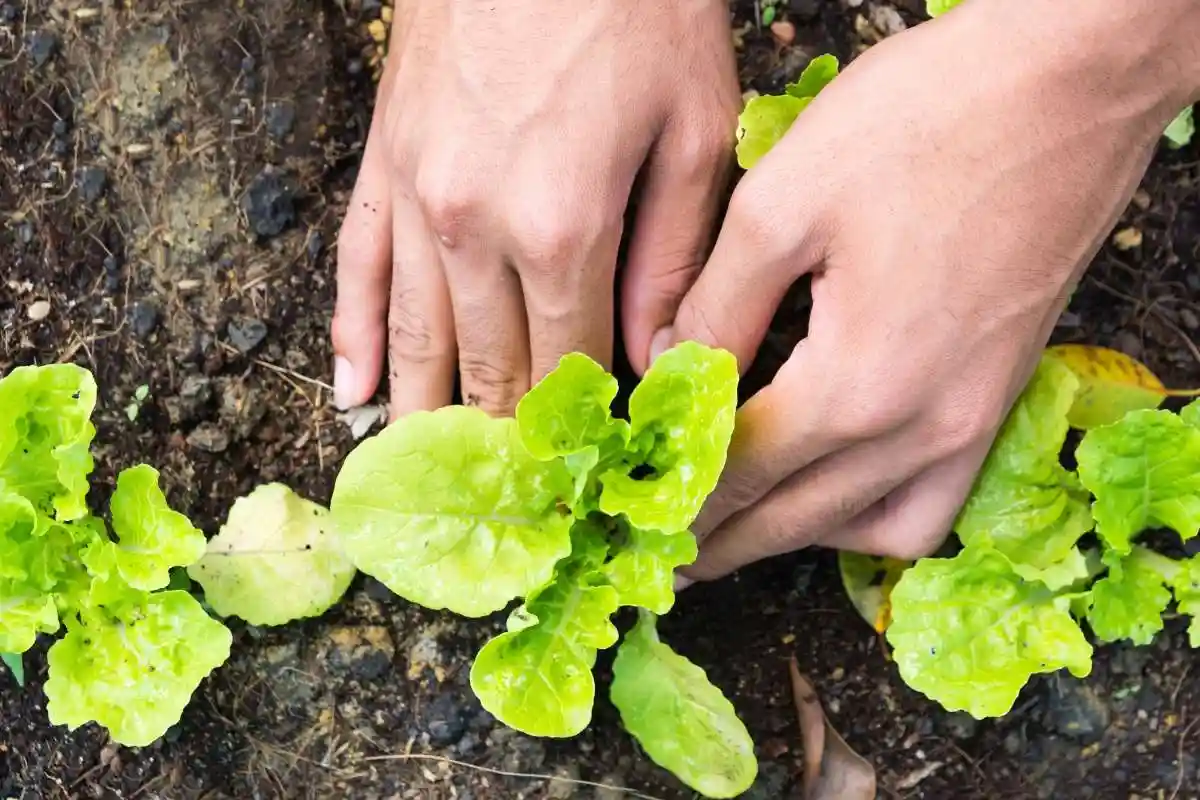
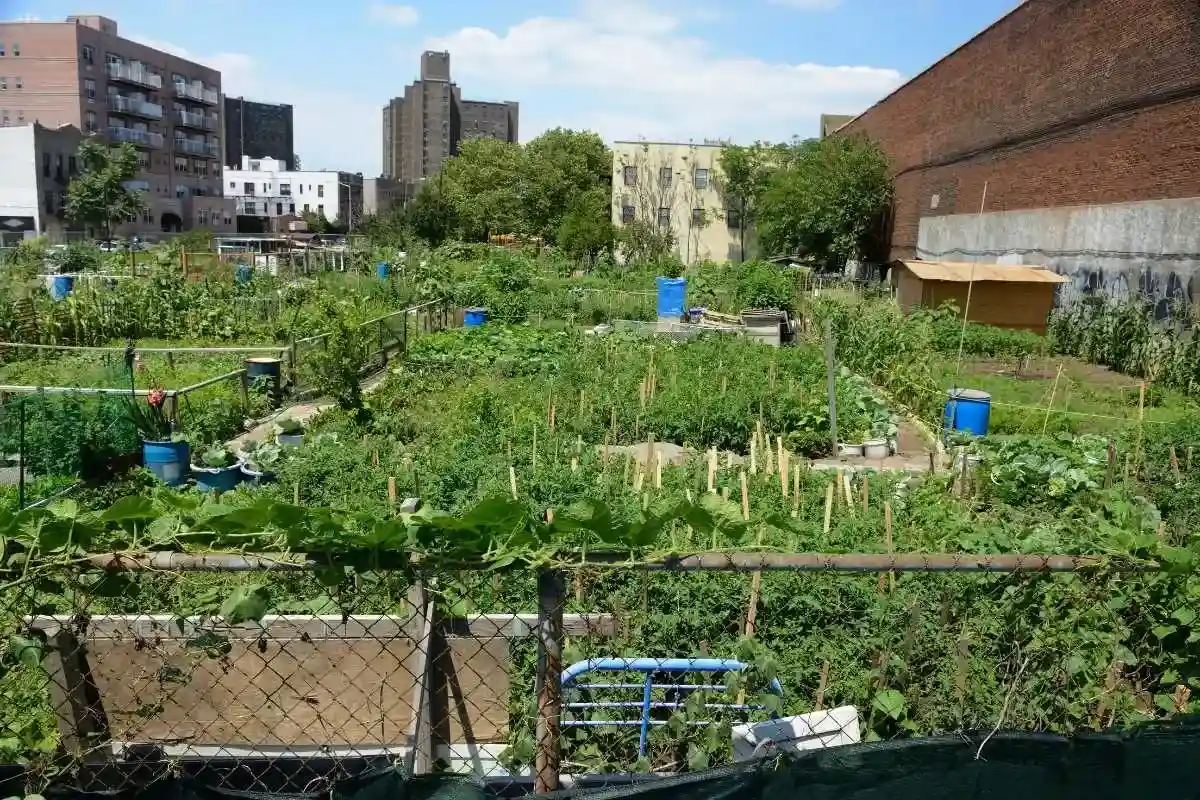
This course highlights the value of local agriculture and community gardening in addressing food access inequalities, building connections, and promoting sustainability. Discover techniques for starting urban farming and its impact on communities.
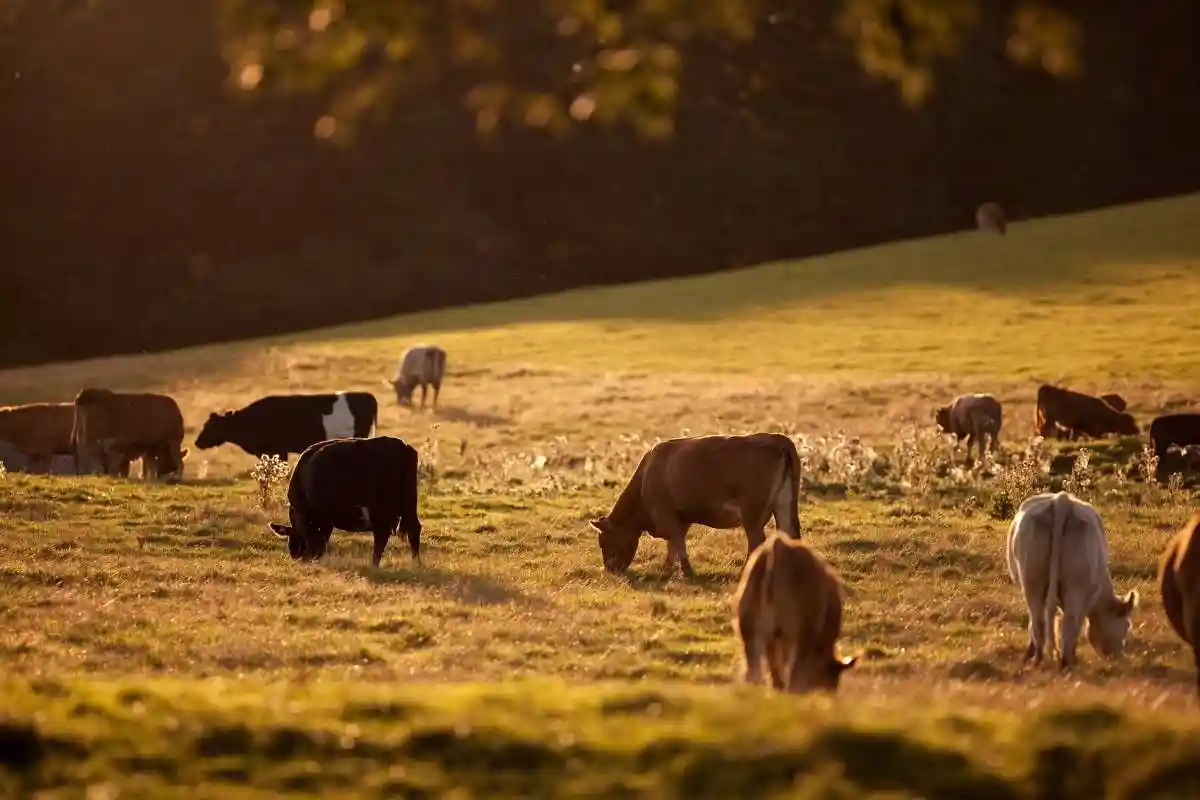
Discover how local butchers are standing up to industrial meat production, championing sustainability, quality, and ethical practices. Learn how their fight impacts our food systems and the future of meat.
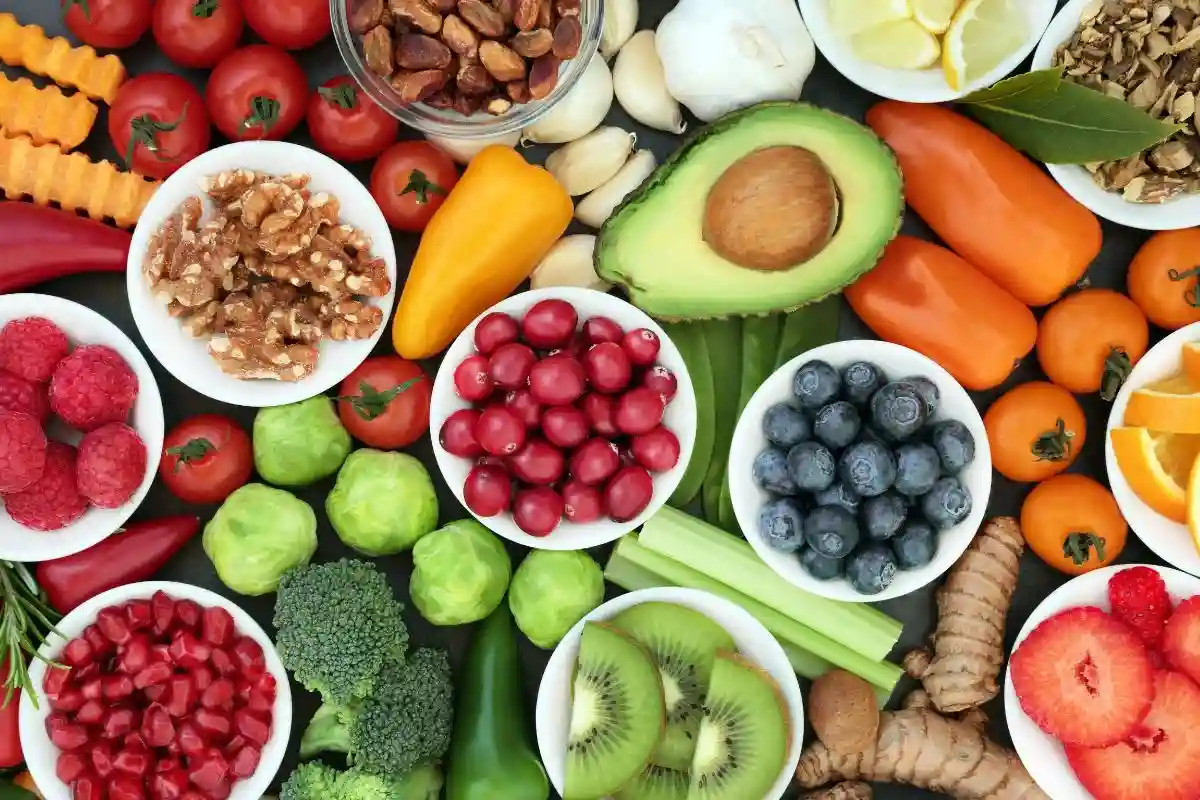
Discover how your food choices impact the planet, exploring global dietary habits, food security challenges, and sustainable production methods to create a more resilient and eco-friendly food system.

Preparing a plant-based meal reduces your carbon footprint and supports sustainability. Choose seasonal ingredients, try simple swaps, and enjoy a delicious, eco-friendly dish that’s good for you.

Collecting plastic bags for recycling reduces waste and prevents pollution. Gather, clean, and drop off bags at designated recycling locations or place them in your recycling bin.
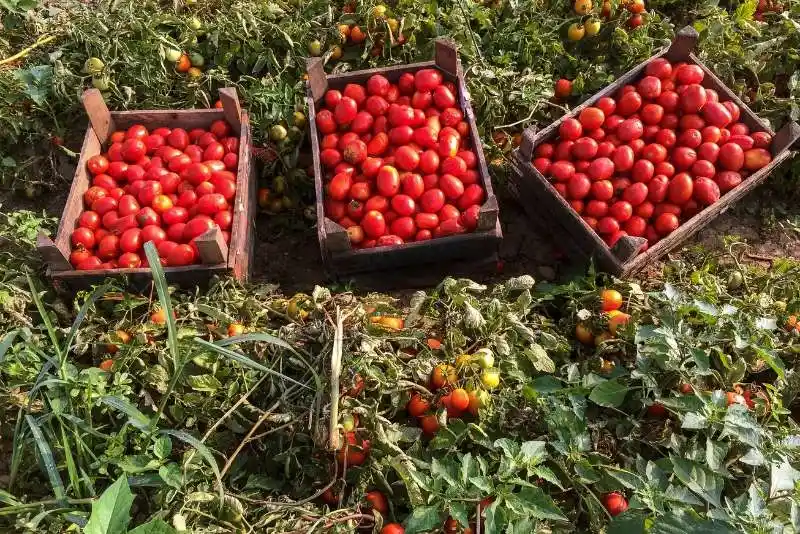
Capture sustainable farming practices, gardens, drought affected fields, and food waste initiatives.
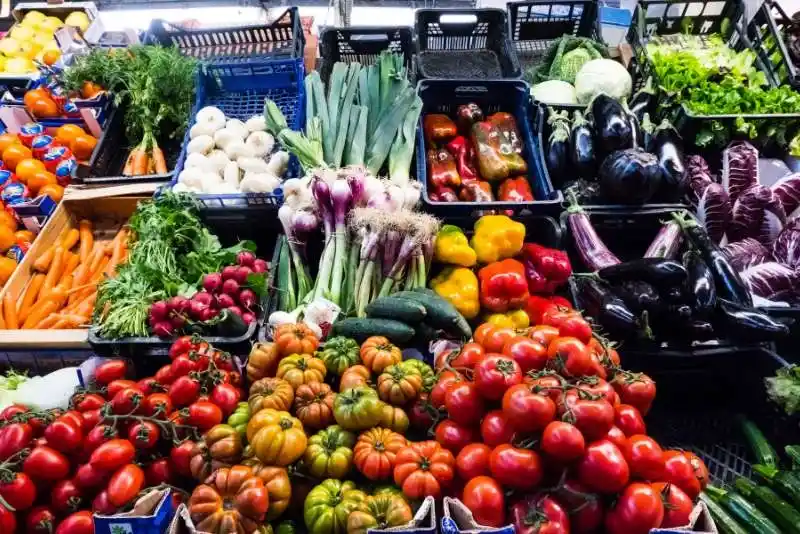
Explore links between food and climate change, promoting sustainable practices and solutions.


Membership Email:
Verification Status: