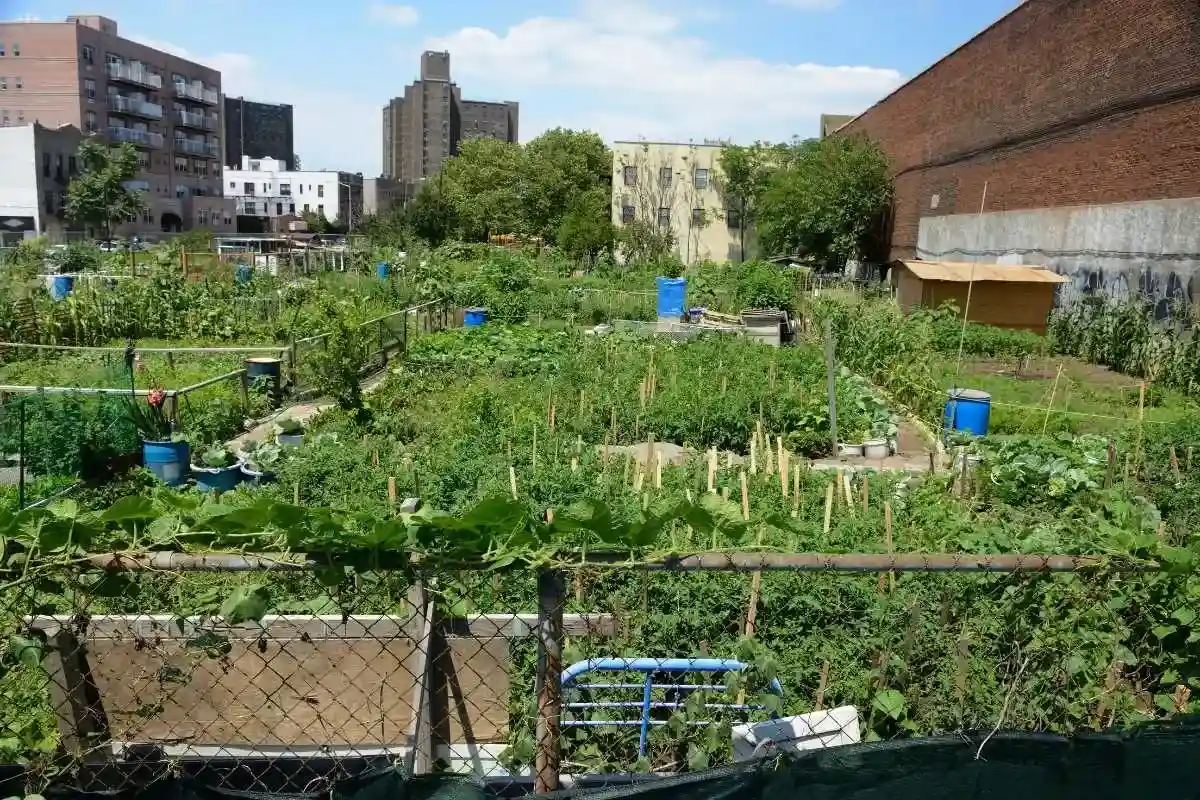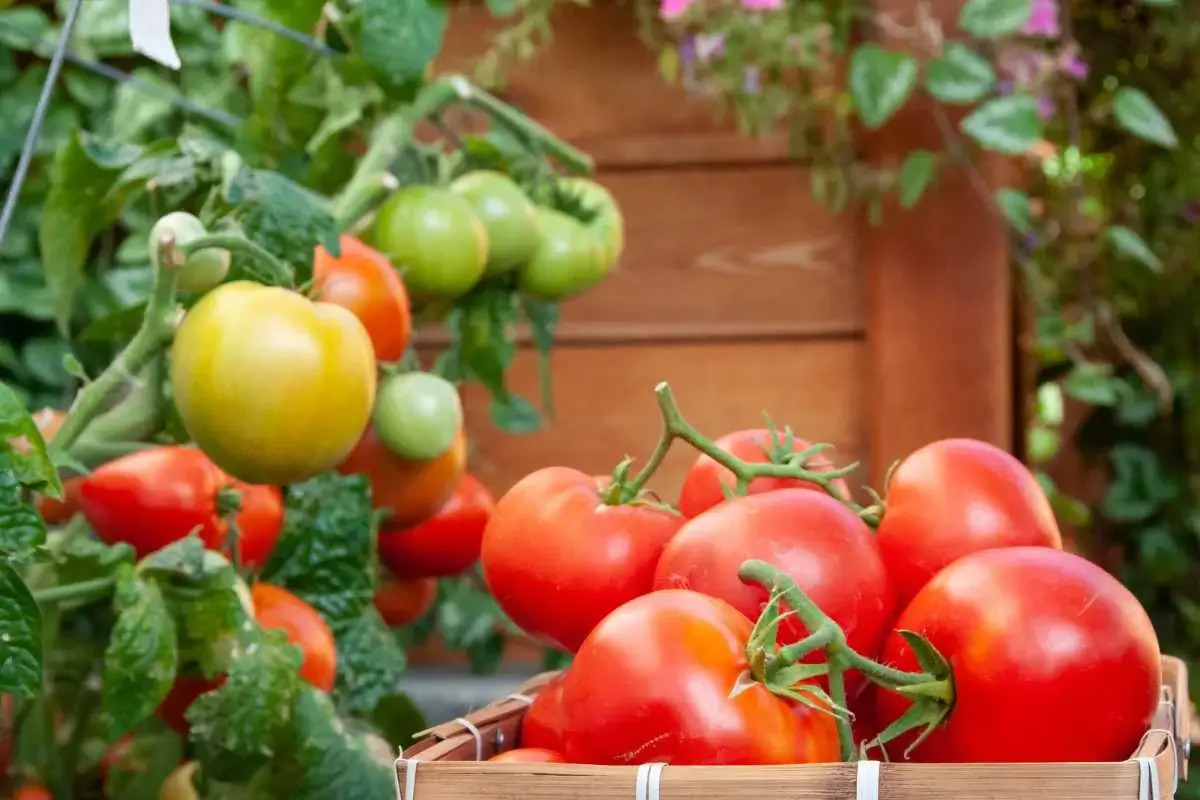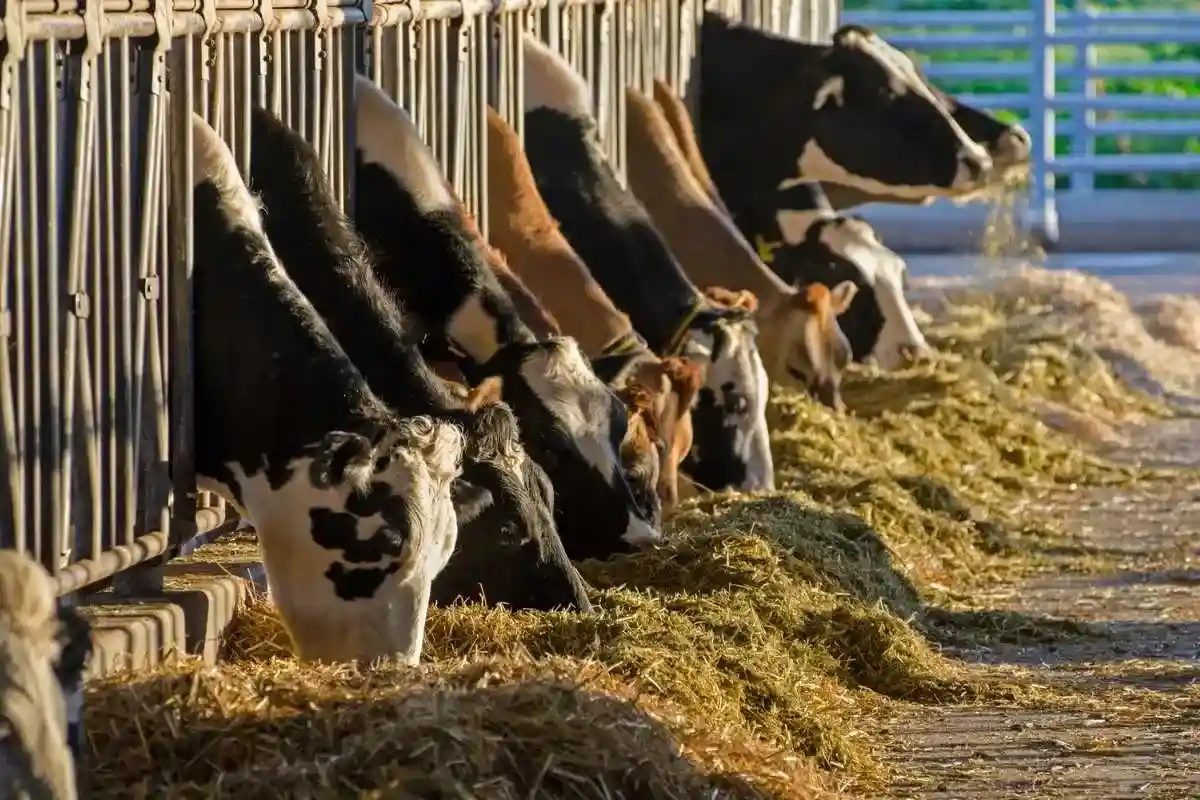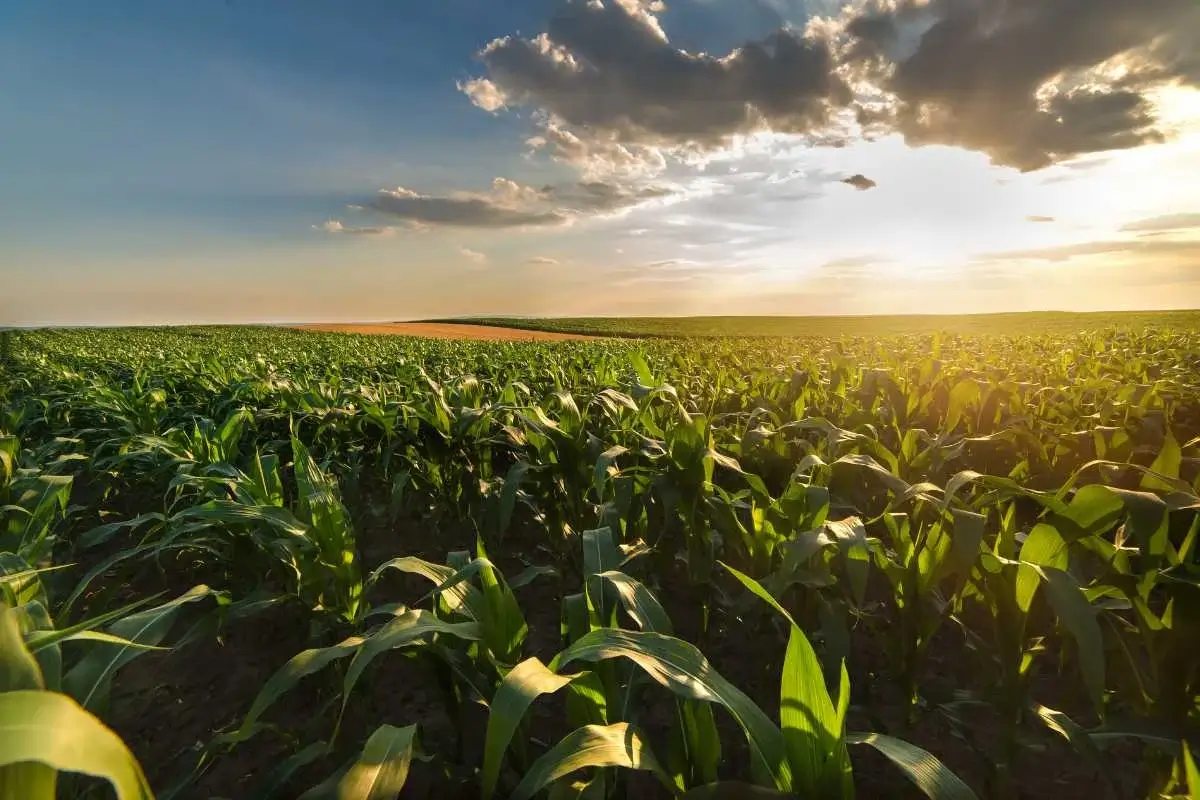
Sustainable agriculture is an essential part of building a resilient future for both people and the planet. It focuses on producing enough food to meet global demand while protecting the environment, conserving natural resources, and maintaining the health of ecosystems that make food production possible. This approach goes beyond short-term yields, aiming instead to create farming systems that can thrive for generations. By promoting practices that work with nature rather than against it, sustainable agriculture offers a way to reduce environmental harm while strengthening food security.
Key strategies in sustainable agriculture include improving soil health, conserving water, protecting biodiversity, and reducing the use of harmful chemicals. Techniques such as crop rotation, organic farming, cover cropping, and integrated pest management help maintain fertile soils and reduce dependence on synthetic fertilizers and pesticides. Agroforestry and permaculture combine trees and crops to create diverse, self-sustaining systems that enhance carbon storage and protect against erosion. These methods not only benefit the environment but also make farms more resilient to droughts, floods, and other climate-related challenges.
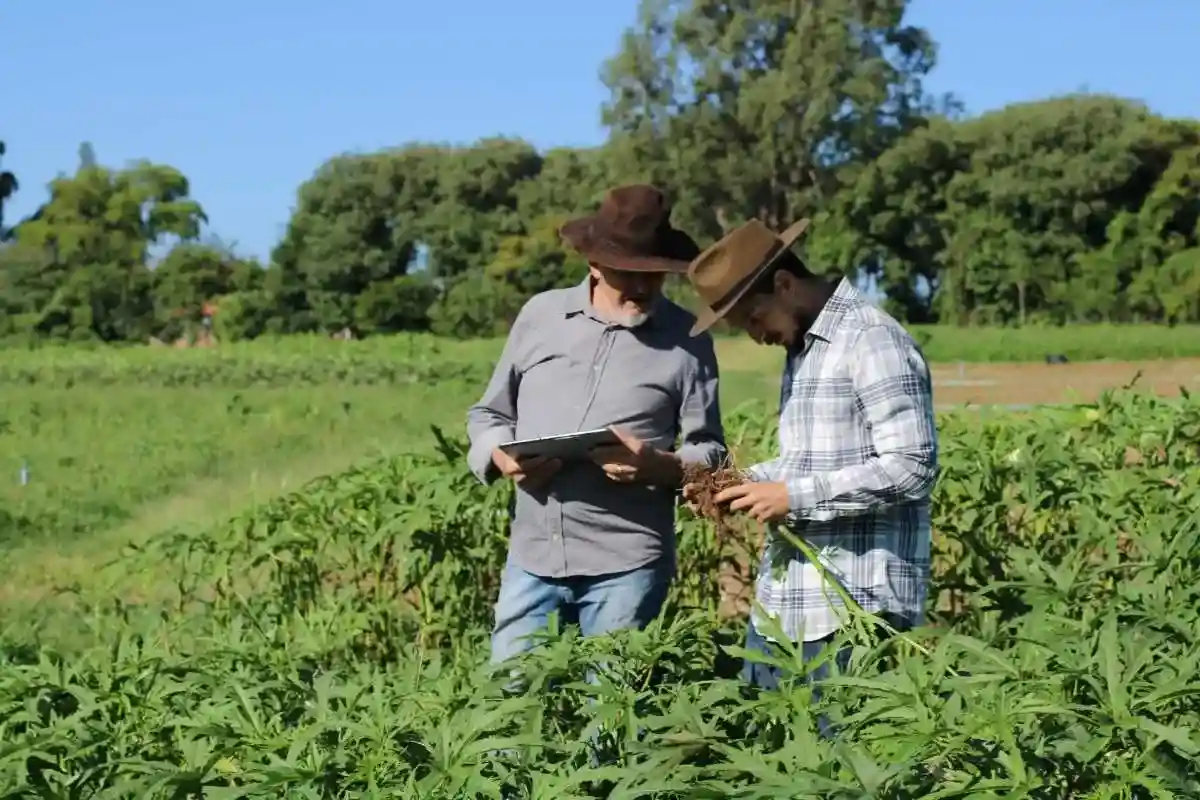
Innovation and technology are also reshaping how food can be grown sustainably. Precision farming uses data and sensors to apply resources like water and fertilizer more efficiently, while vertical farming and hydroponics allow food to be produced in smaller spaces using fewer natural inputs. Drones, satellite imagery, and AI-driven tools are helping farmers monitor crops in real time, reducing waste and increasing yields. However, for these technologies to have a global impact, they must be affordable and accessible, especially for small-scale farmers in developing regions.
Education, policy, and financial support play a major role in advancing sustainable farming. Governments and organizations can provide training, subsidies, and incentives to help farmers adopt new practices. Local and international policies can promote fair trade, protect ecosystems, and encourage investment in sustainable food systems. Collaboration between scientists, policymakers, and farmers can ensure that innovations are grounded in practical knowledge and benefit communities most affected by climate and economic pressures.
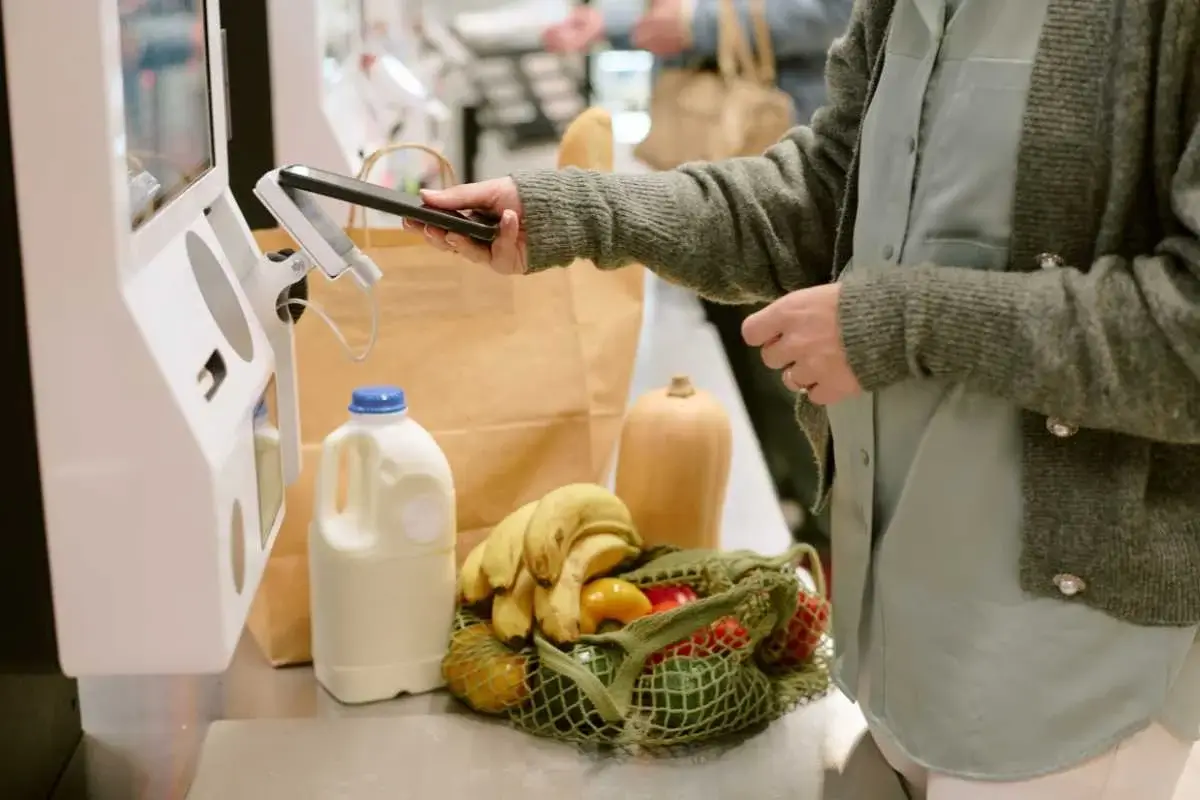
Consumers are another key part of the solution. Every purchasing decision can influence how food is produced. By choosing locally grown, organic, or sustainably sourced products, people can support farmers who prioritize environmental care. Reducing food waste, eating more plant-based meals, and understanding where food comes from all contribute to a more sustainable system.
How can sustainable agriculture balance the need to feed a growing population with the responsibility to protect the environment? What farming practices and technologies can help build resilience against climate change while maintaining productivity? How can governments, organizations, and communities work together to make sustainable agriculture accessible to farmers everywhere? What can individuals do to support this transition through their daily choices? Consider how a collective effort can transform agriculture into a system that nourishes both people and the planet.
Use the online submission form when sending your articles to help us track all of your submissions. Please try to write about the above topic. Your response should be at least 1,000 words.
To receive credit, your effort is what matters. You should find ways to contribute thoughtful ideas that will help others. Feel free to use personal stories or other information that you want to share, but do not use real names or other identifying information. You may write your response in the space provided or upload your response. Once we review your response, you will receive credit.
Click the button below to submit your article and get your credit.


Membership Email:
Verification Status: