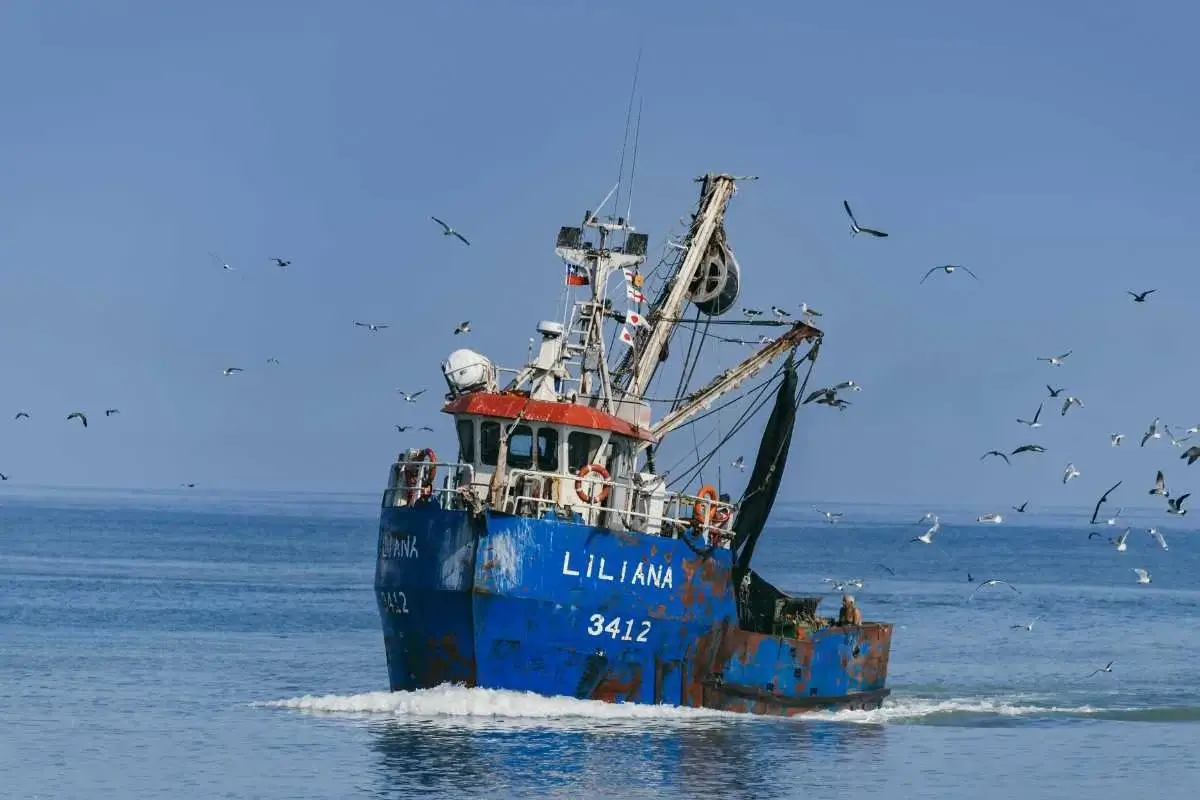
The ocean plays a critical role in feeding the world and supporting millions of livelihoods, particularly in coastal regions where fishing is a way of life. However, rising sea temperatures, pollution, ocean acidification, and overfishing are putting enormous pressure on marine ecosystems. These changes threaten fish populations, damage coral reefs, and disrupt the delicate balance that keeps ocean food chains functioning. As a result, communities that depend on the sea for food and income face growing uncertainty, while global food security becomes increasingly fragile.
Protecting ocean ecosystems is essential for sustaining both biodiversity and human well-being. Sustainable fishing practices, such as setting responsible catch limits and reducing bycatch, can help maintain fish populations. Aquaculture and habitat restoration can also support food production while giving marine life the space and resources needed to recover. International cooperation, strong conservation policies, and advances in marine science are vital to managing these shared resources responsibly. By balancing the needs of the environment and local economies, it is possible to create a system that supports people without harming the planet.
Individuals and communities can also make a meaningful difference. Choosing sustainably sourced seafood, reducing plastic use, and advocating for clean oceans all contribute to healthier marine environments. Education and awareness are key to inspiring action at every level, from consumers to policymakers. Protecting ocean ecosystems requires a combination of innovation, global collaboration, and personal responsibility to ensure that the sea remains a vital and sustainable source of food for generations to come.
How are climate change and human activity affecting the oceans and the global food systems that depend on them? What strategies can help protect marine ecosystems while supporting the livelihoods of fishing communities? How can sustainable fishing, aquaculture, and habitat restoration ensure long-term ocean health? What role do individuals, governments, and international organizations play in protecting the oceans as a source of food and life?
Use the online submission form when sending your articles to help us track all of your submissions. Please try to write about the above topic. Your response should be at least 1,000 words.
To receive credit, your effort is what matters. You should find ways to contribute thoughtful ideas that will help others. Feel free to use personal stories or other information that you want to share, but do not use real names or other identifying information. You may write your response in the space provided or upload your response. Once we review your response, you will receive credit.
Click the button below to submit your article and get your credit.


Membership Email:
Verification Status: