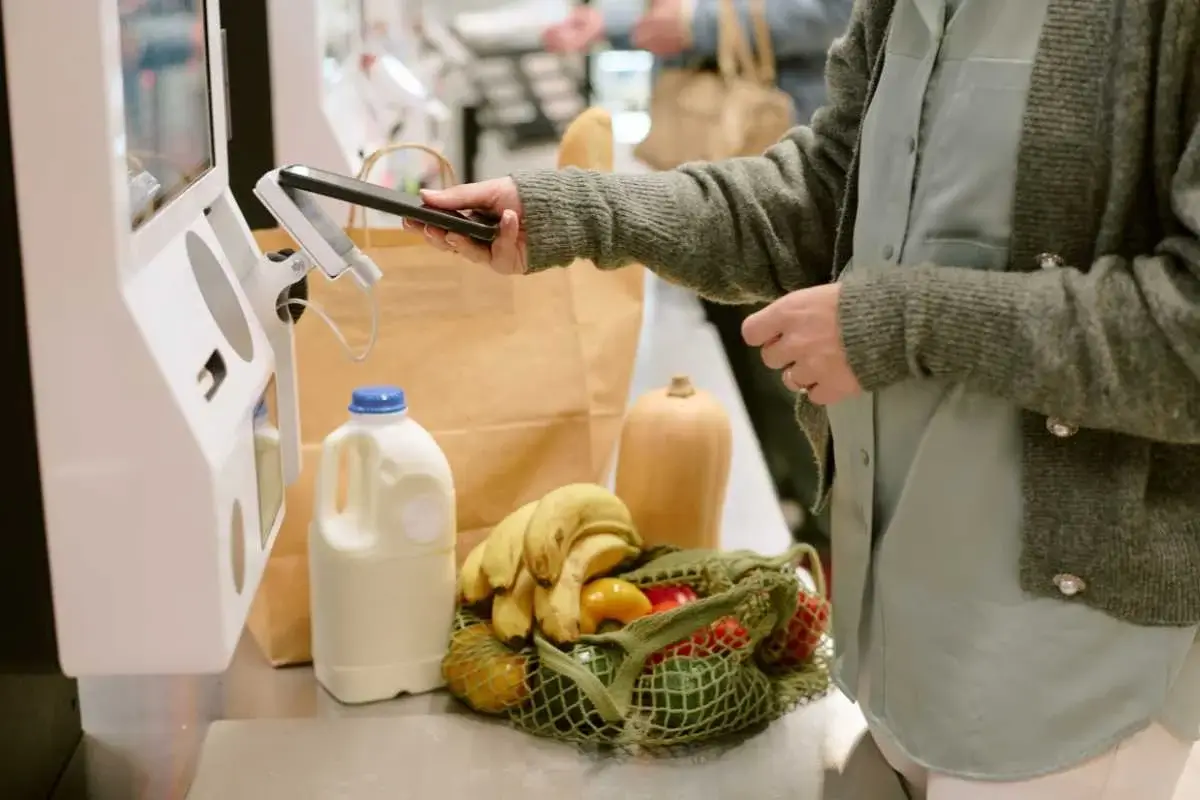
Reducing food waste and making sustainable food choices are important ways to slow climate change and protect the environment. Food production contributes heavily to greenhouse gas emissions, yet a large portion of what is produced is never eaten. By minimizing waste and choosing foods with a lower environmental impact, people can significantly reduce their carbon footprint. Simple actions such as eating locally grown produce, incorporating more plant-based meals, and avoiding unnecessary packaging can collectively make a meaningful difference for both people and the planet.
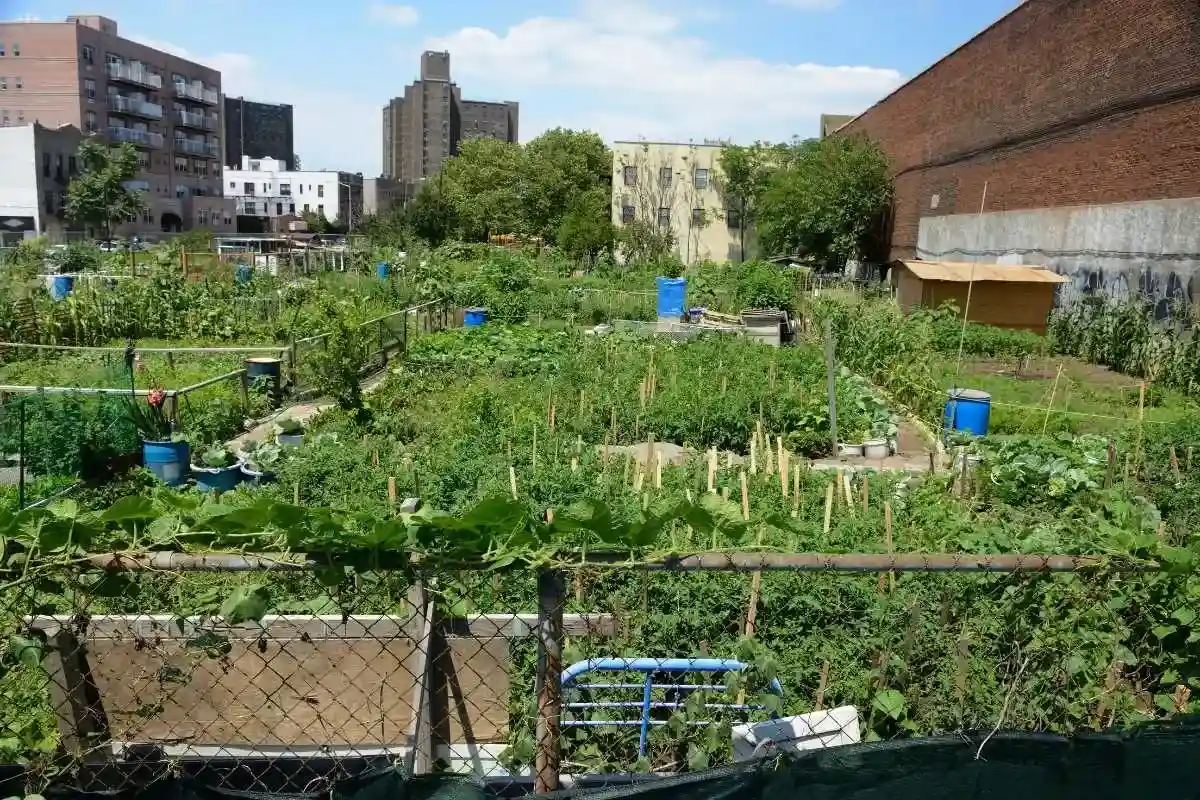
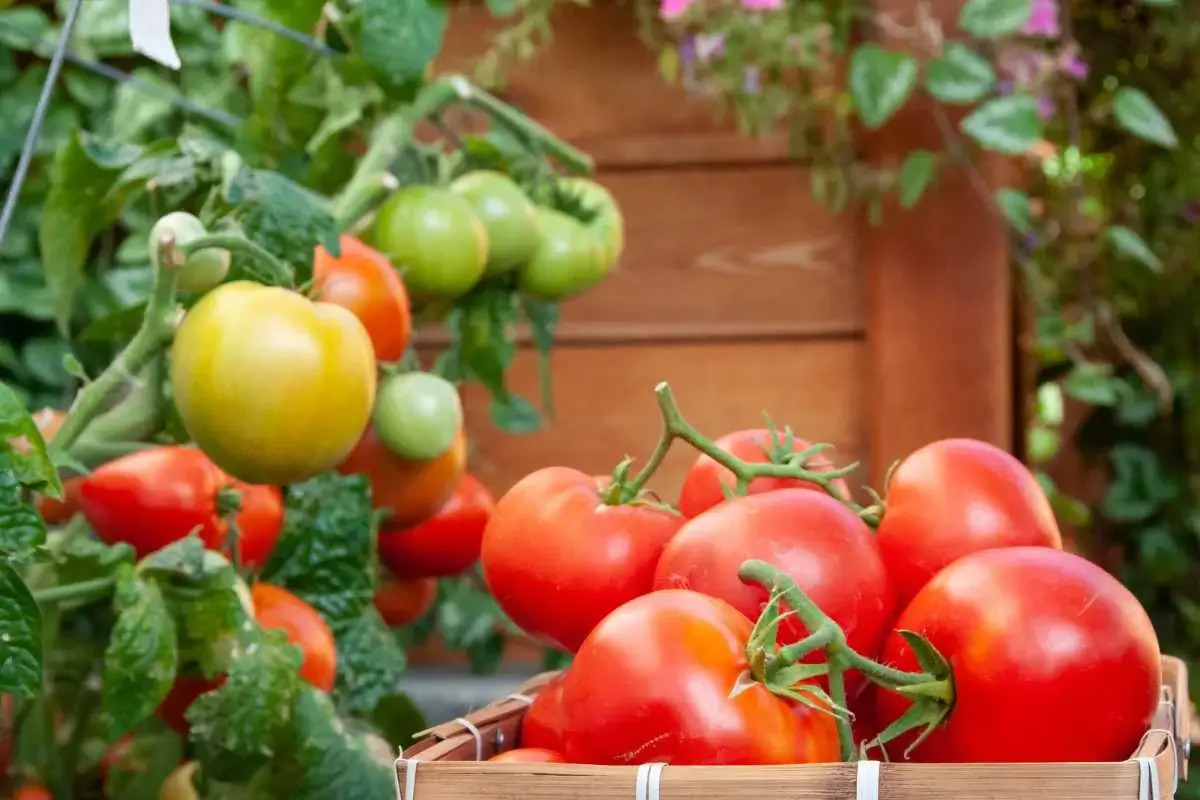
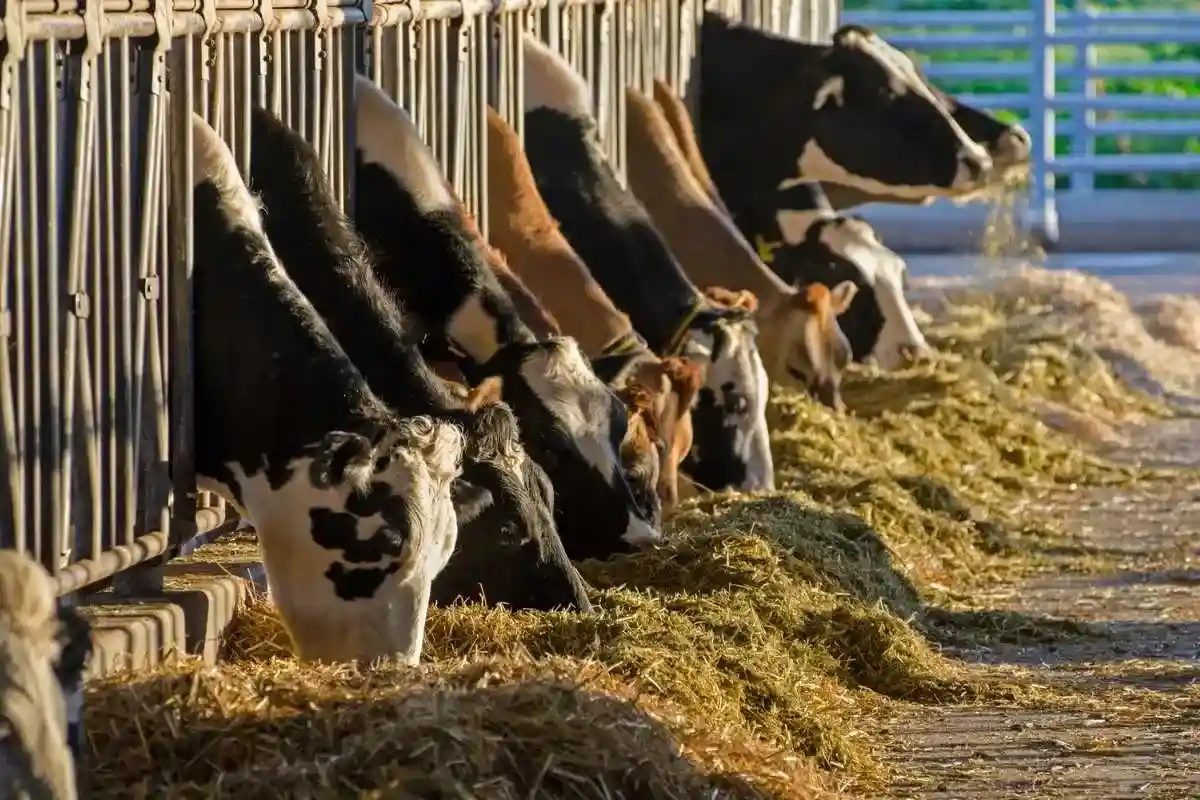
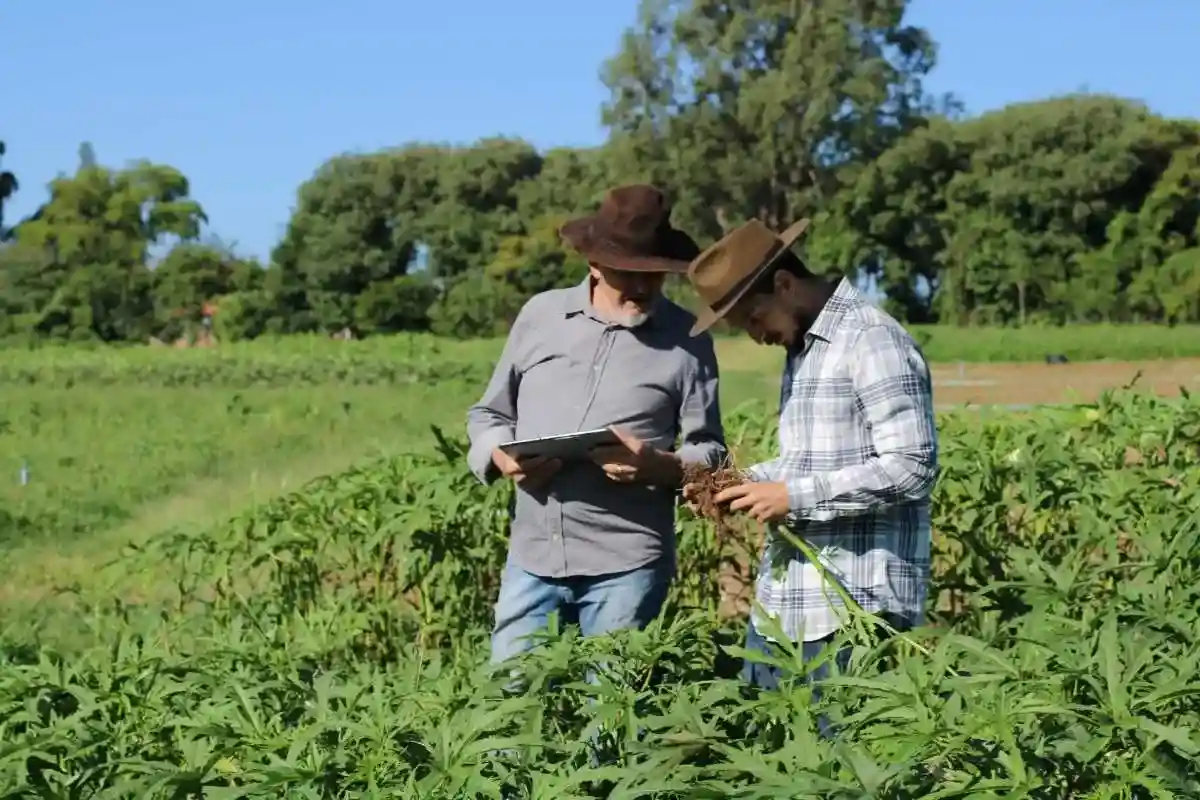
Selecting foods that use fewer resources and produce fewer emissions supports a more sustainable future. Plant-based foods such as fruits, vegetables, grains, and legumes require less water and land and release fewer greenhouse gases than meat and dairy products. Buying seasonal and locally sourced foods helps cut transportation emissions while supporting local farmers. Organic farming practices, which avoid synthetic fertilizers and pesticides, also protect soil health, pollinators, and biodiversity.
Education and awareness play a vital role in helping people understand how their food choices affect the planet. Community programs, workshops, and online campaigns can show how diet and waste habits connect to climate change. Practical steps such as meal planning, composting, and donating extra food reduce waste while strengthening community bonds. When individuals, organizations, and governments work together to promote sustainable food systems, they build a culture that values resources, protects ecosystems, and creates long-term environmental resilience.
How can people make everyday food choices that help reduce greenhouse gas emissions? What are the most effective ways to cut food waste at home and in communities? How can local farming, education, and awareness campaigns encourage more sustainable eating habits? What role do governments and businesses play in creating food systems that are better for people and the planet?
Use the online submission form when sending your articles to help us track all of your submissions. Please try to write about the above topic. Your response should be at least 1,000 words.
To receive credit, your effort is what matters. You should find ways to contribute thoughtful ideas that will help others. Feel free to use personal stories or other information that you want to share, but do not use real names or other identifying information. You may write your response in the space provided or upload your response. Once we review your response, you will receive credit.
Click the button below to submit your article and get your credit.


Membership Email:
Verification Status: