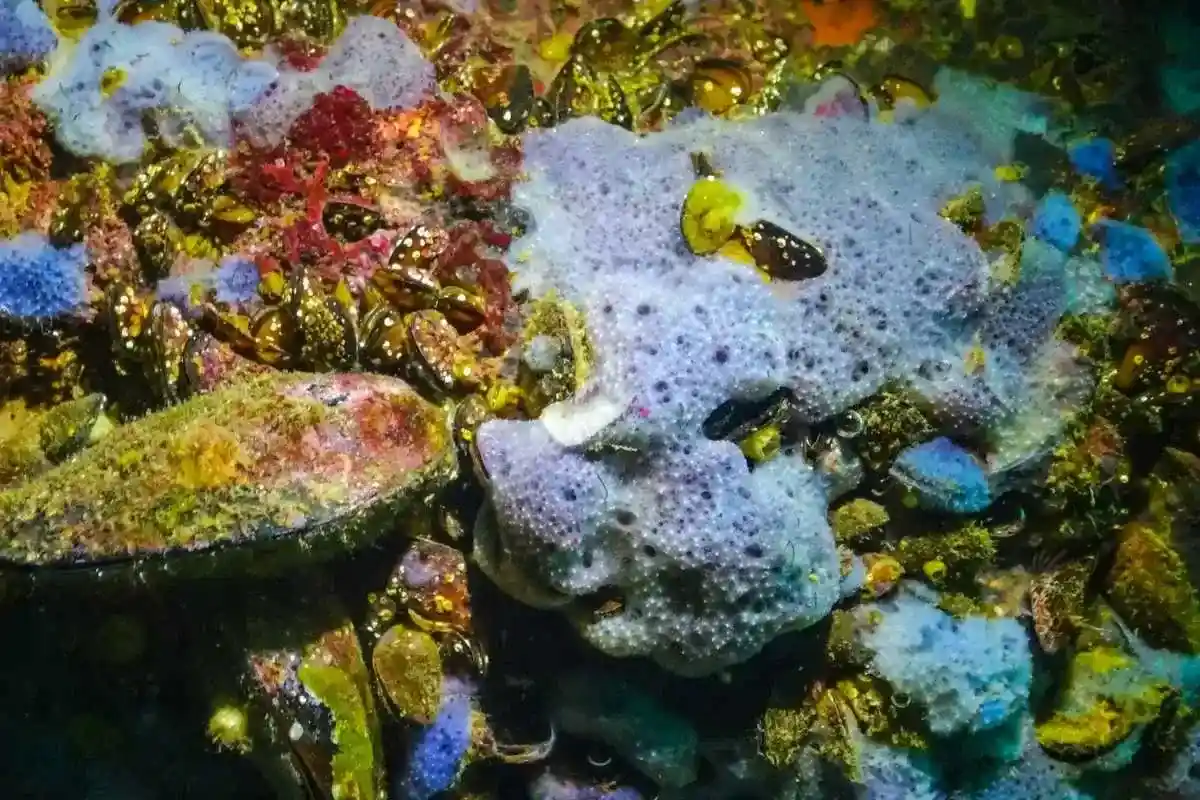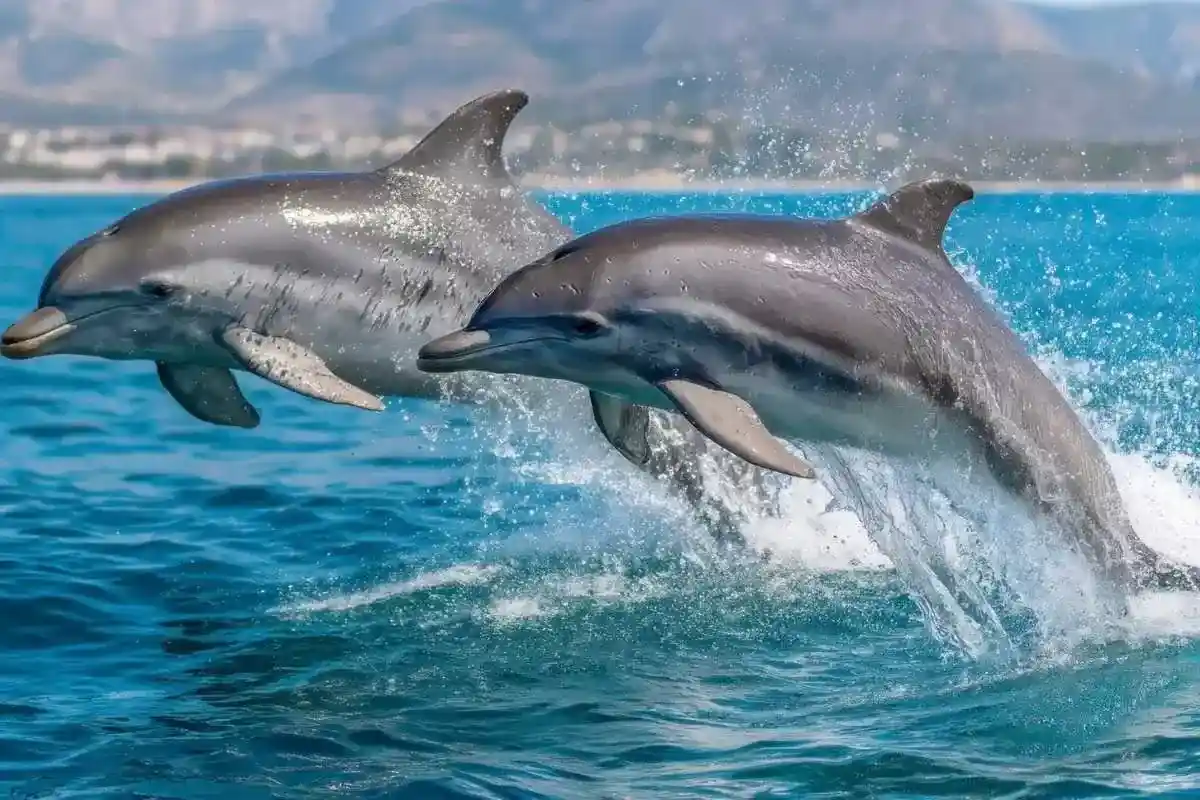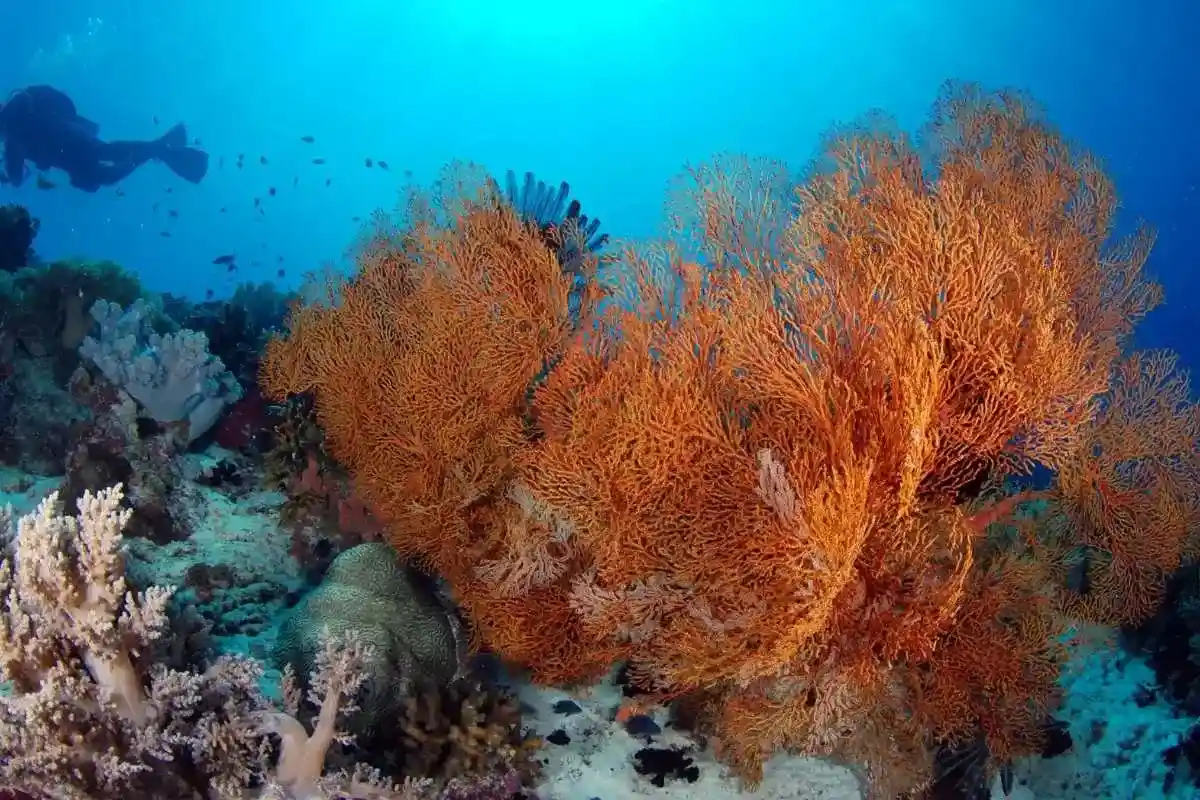
Coral reefs are some of the most extraordinary and vital ecosystems on the planet. Often called the rainforests of the sea, they are home to an incredible diversity of life, from tiny plankton to large fish and marine mammals. These complex structures, built over centuries by coral organisms, provide essential food, shelter, and breeding grounds for countless species. Coral reefs also support human life in profound ways. They act as natural barriers protecting coastlines from erosion and storms, sustain millions of livelihoods through fishing and tourism, and hold potential for new medical discoveries.
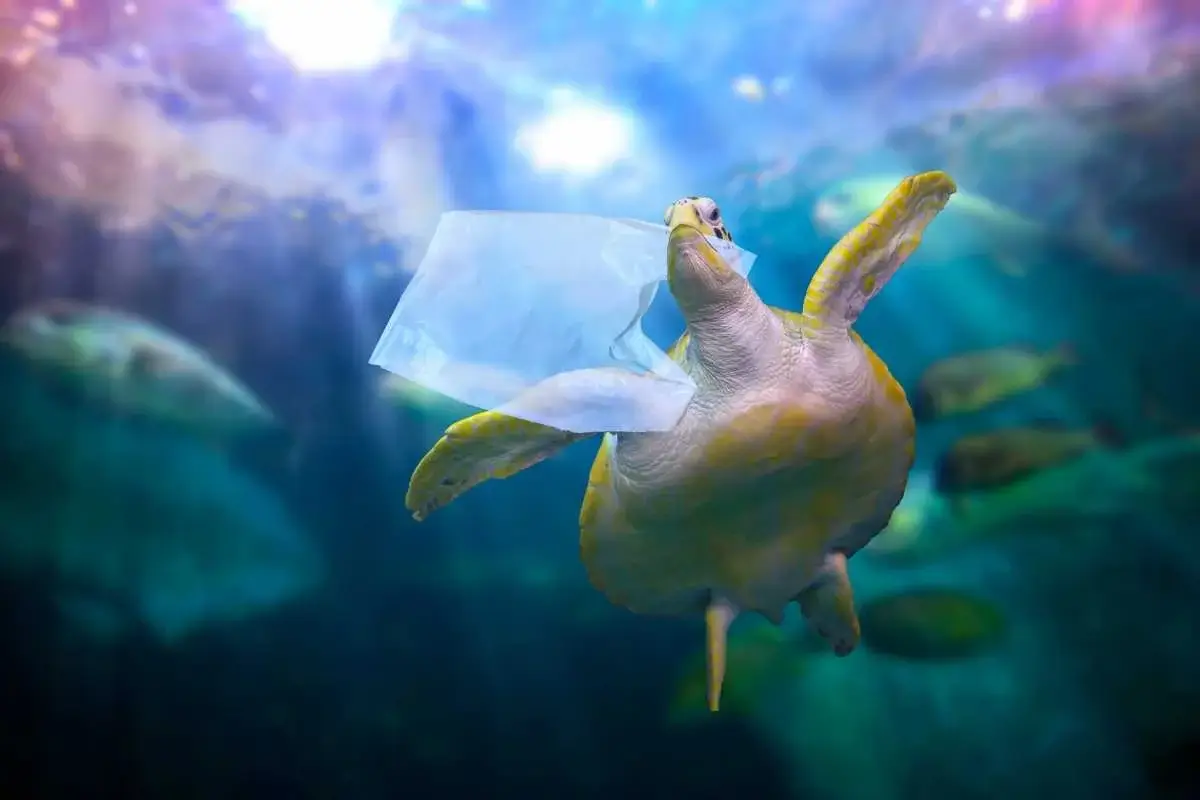
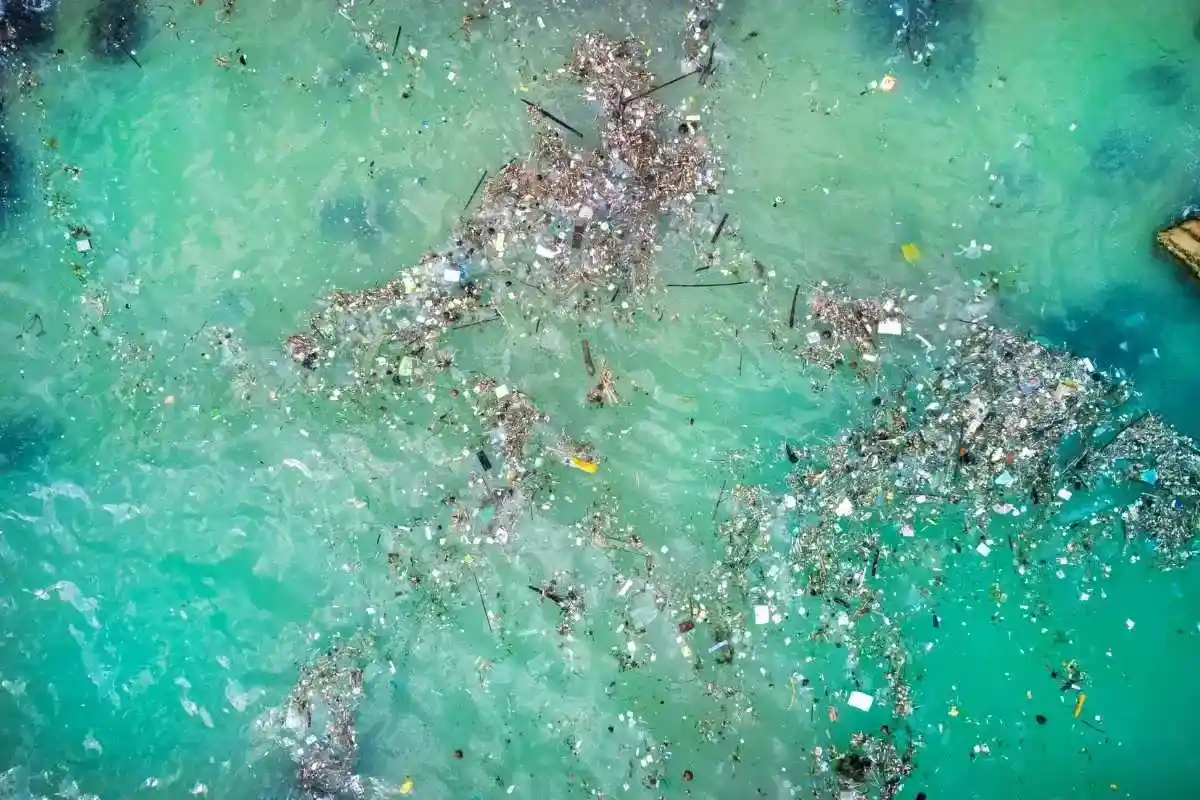
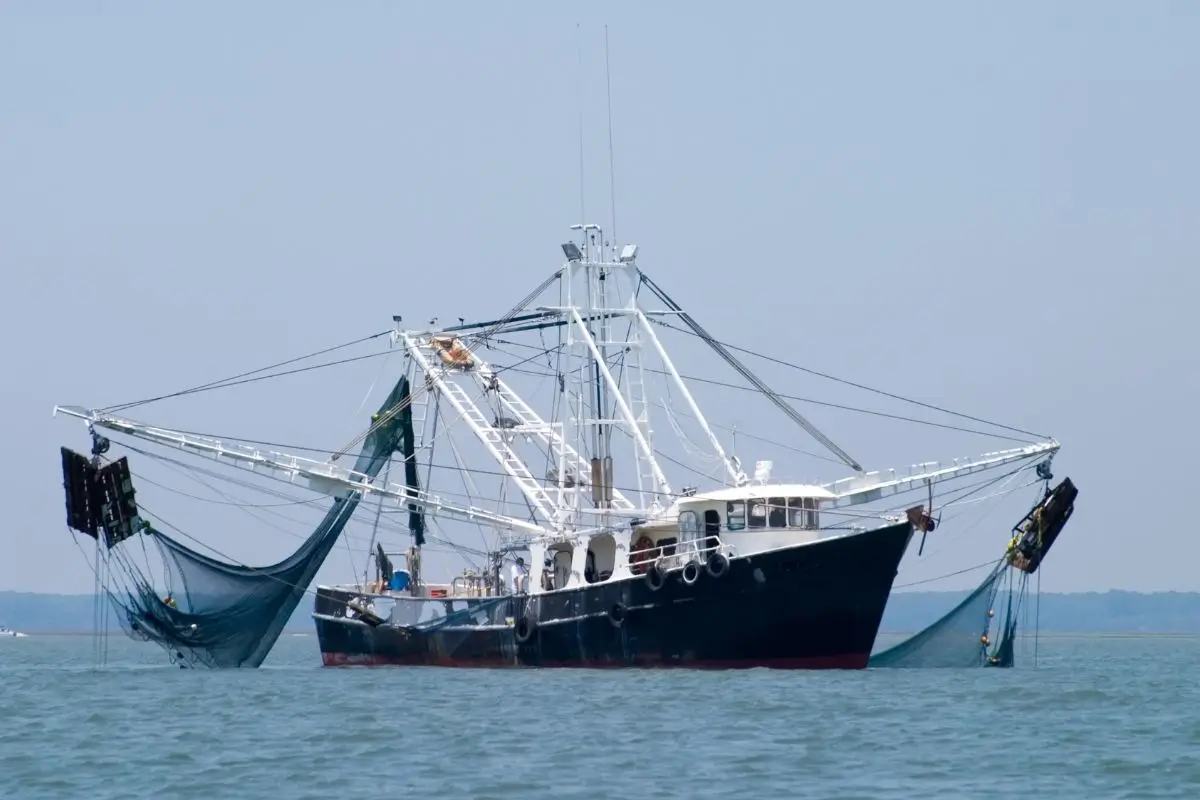
Despite their importance, coral reefs are among the most threatened ecosystems on Earth. Rising ocean temperatures caused by climate change lead to coral bleaching, a process where corals lose their symbiotic algae and turn white. Without these algae, corals struggle to survive. Ocean acidification, pollution, and overfishing further weaken reef systems, disrupting the balance of marine life and diminishing biodiversity. In many regions, unsustainable tourism and destructive fishing methods such as dynamite or cyanide fishing have accelerated reef degradation.
Conserving coral reefs requires both global and local action. Reducing greenhouse gas emissions is essential to slow ocean warming and acidification. On a local level, protection can be achieved through marine protected areas, sustainable fishing practices, and community-led conservation programs. Promoting responsible tourism is also important, encouraging visitors to respect reef environments, avoid touching or damaging corals, and support eco-friendly tour operators. Restoration efforts, including coral gardening and reef rehabilitation projects, are showing promise in helping damaged reefs recover and thrive once again.
Education and awareness play a critical role in coral reef conservation. When people understand how fragile and valuable these ecosystems are, they are more likely to make choices that protect them. Schools, media, and community programs can inspire stewardship by connecting people with the importance of healthy oceans. Governments and organizations must also work together to enforce environmental regulations, fund research, and prioritize coral protection in national climate strategies.
What are the biggest threats facing coral reefs, and how do they affect marine biodiversity? How can individuals, communities, and governments work together to restore and protect coral reefs for future generations? What role can sustainable tourism and marine protected areas play in ensuring reef health? Finally, how can education, policy, and innovation inspire global action to preserve these vital underwater ecosystems?
Use the online submission form when sending your articles to help us track all of your submissions. Please try to write about the above topic. Your response should be at least 1,000 words.
To receive credit, your effort is what matters. You should find ways to contribute thoughtful ideas that will help others. Feel free to use personal stories or other information that you want to share, but do not use real names or other identifying information. You may write your response in the space provided or upload your response. Once we review your response, you will receive credit.
Click the button below to submit your article and get your credit.


Membership Email:
Verification Status: