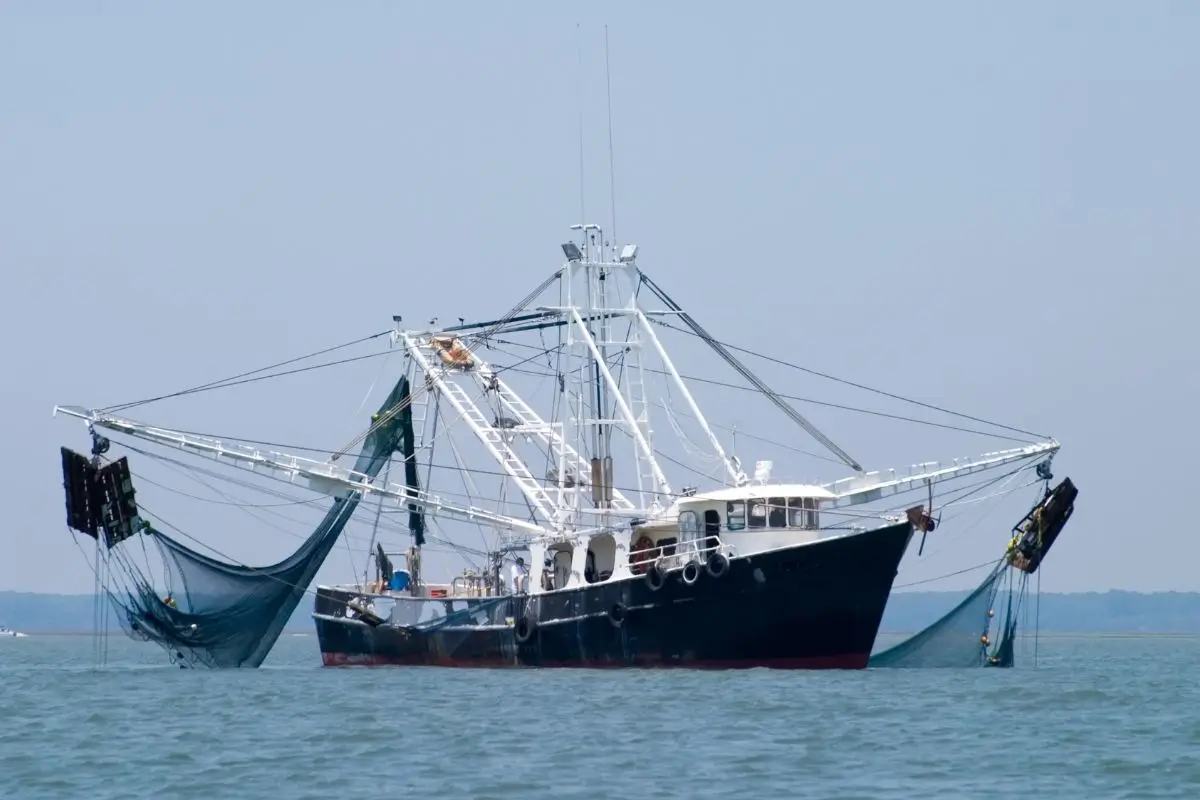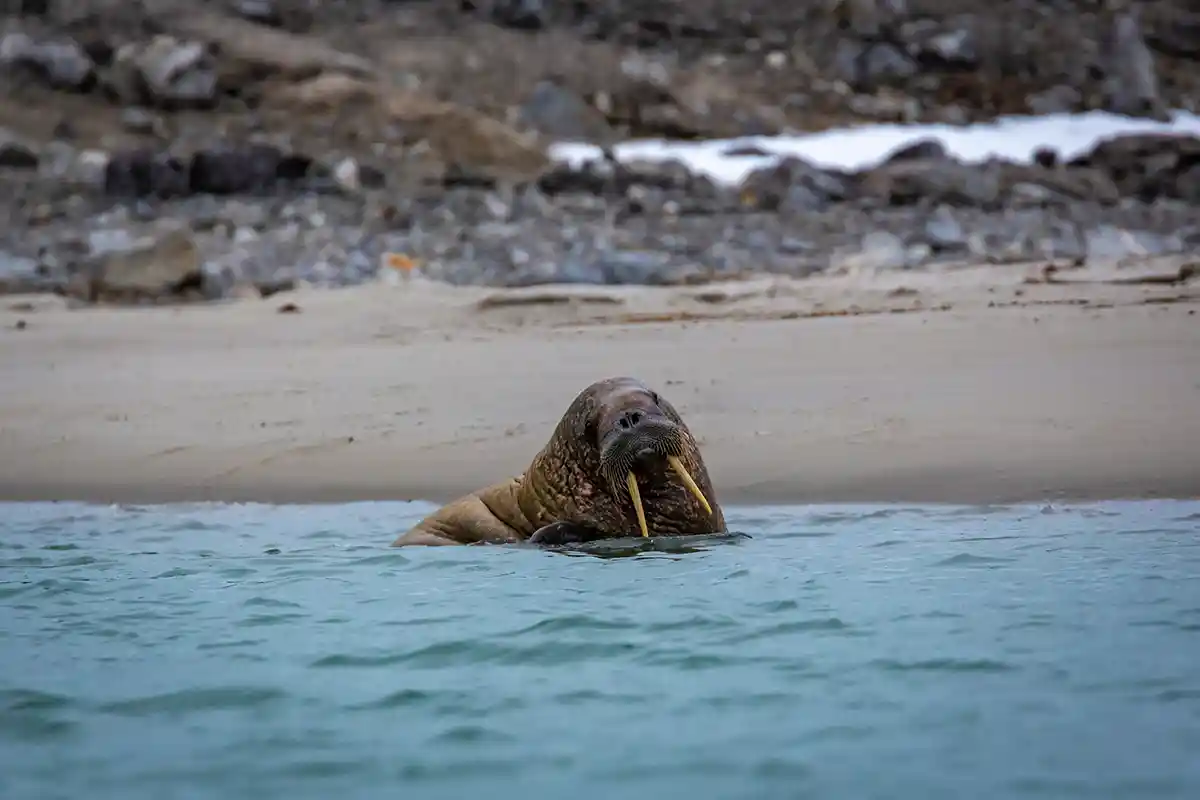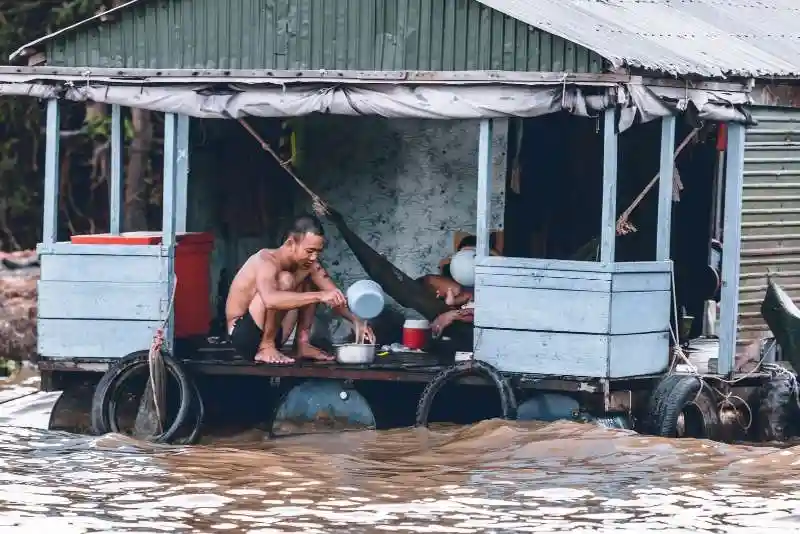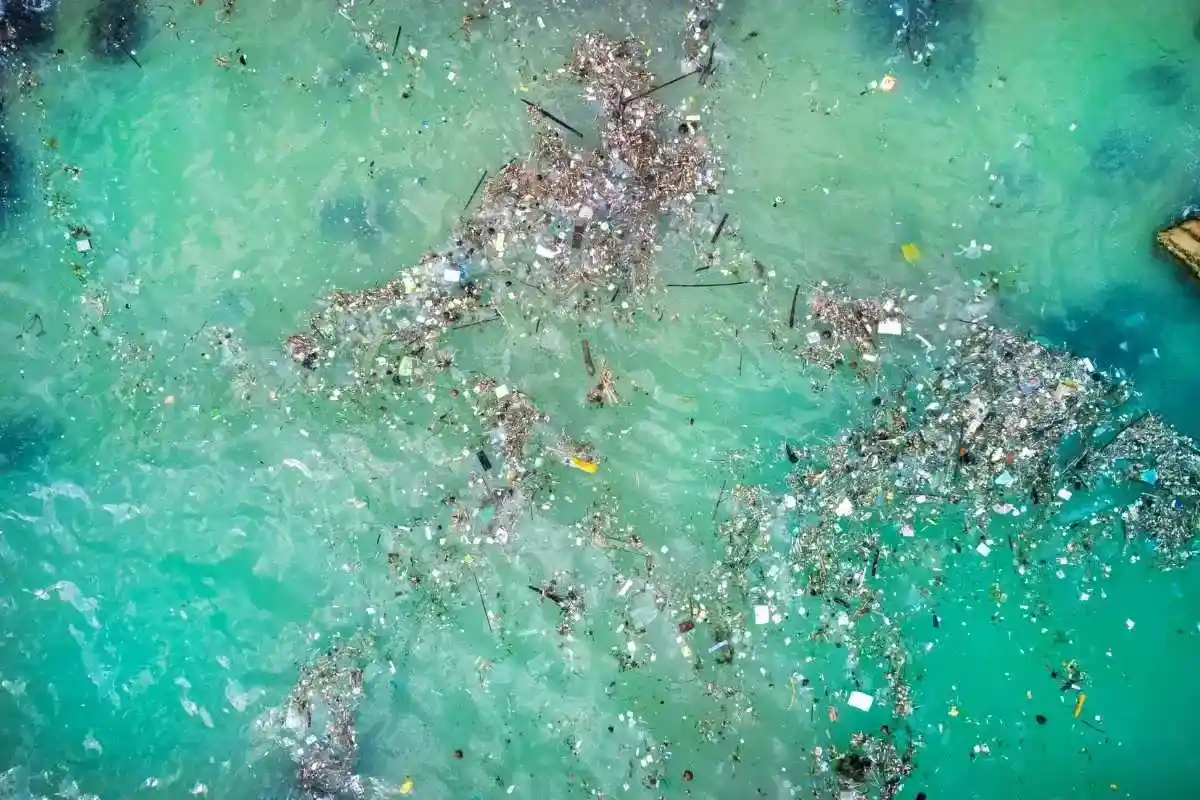
Plastic pollution is one of the most urgent environmental challenges facing our planet’s oceans. Every year, millions of tons of plastic waste enter the sea, where it persists for centuries, harming marine ecosystems and wildlife. From floating bottles and discarded fishing nets to microplastics invisible to the eye, plastic waste can be found in nearly every part of the ocean. Marine animals often mistake plastic for food or become entangled in debris, leading to injury, starvation, or death. This growing crisis affects not only ocean biodiversity but also human health and livelihoods connected to the sea.
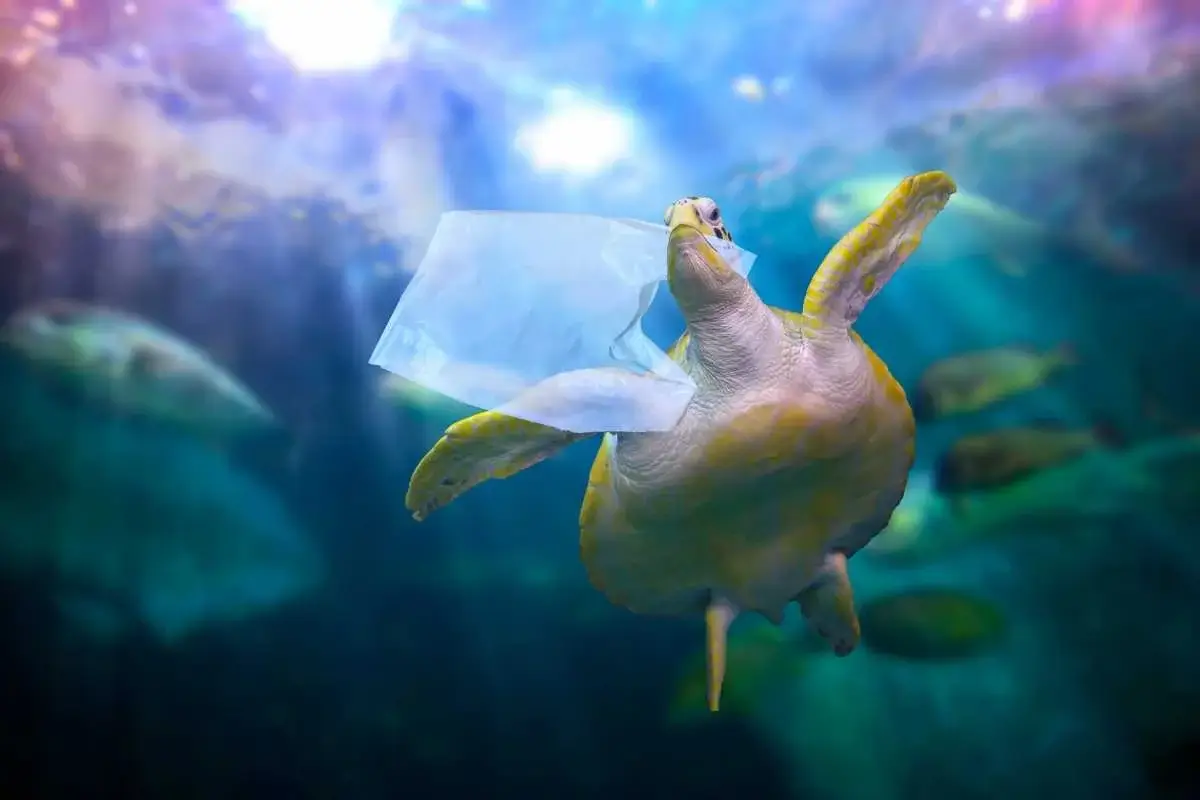
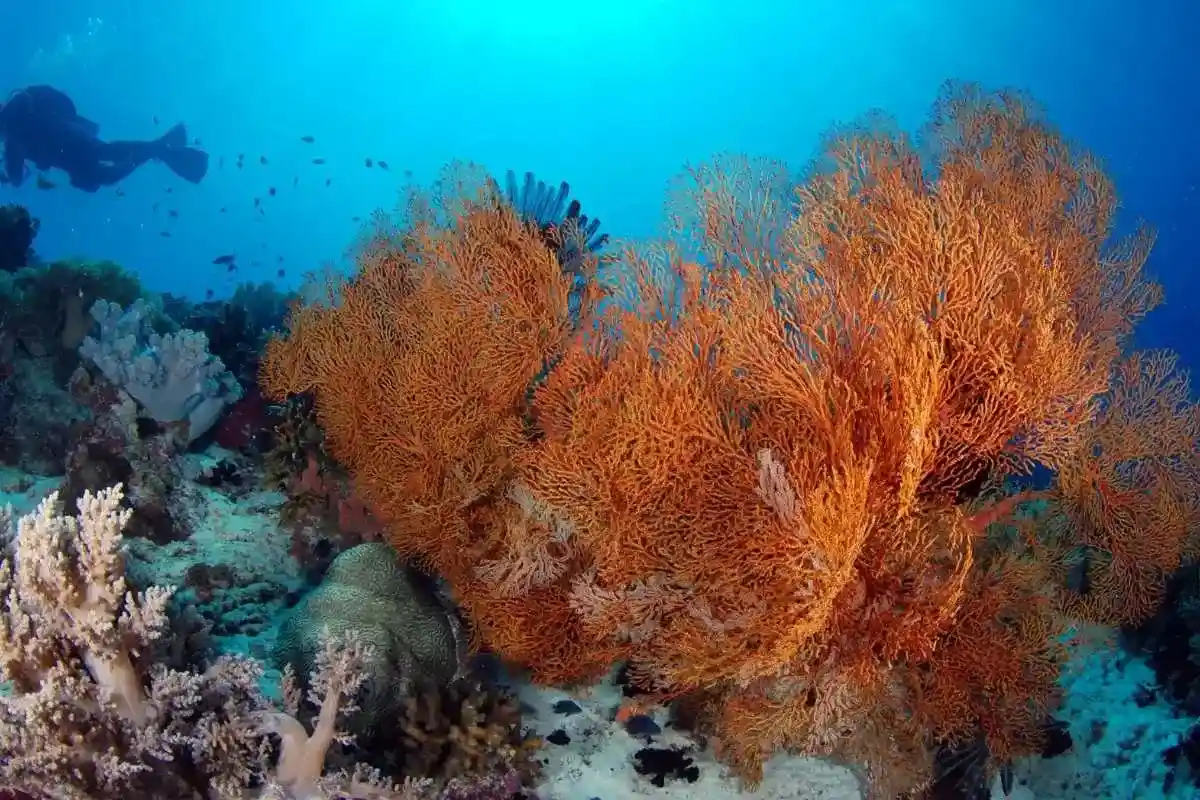
Plastic pollution disrupts the delicate balance of marine ecosystems. Sea turtles may ingest plastic bags, mistaking them for jellyfish, while seabirds and fish consume tiny plastic fragments that eventually enter the global food chain. Coral reefs, which provide essential habitats for marine species, can also be smothered by plastic waste. These impacts highlight how deeply intertwined plastic pollution is with the survival of marine life and the overall health of ocean ecosystems.
Addressing plastic pollution requires a collective effort across all levels of society. Governments can enact policies to limit single-use plastics, encourage recycling, and support the development of biodegradable alternatives. Businesses can take responsibility by redesigning packaging, reducing plastic use, and promoting circular economy models that keep materials in use longer. Communities can organize coastal cleanups, establish better waste management systems, and raise awareness about the consequences of plastic pollution.
Individuals play a critical role in driving change through their daily choices. Reducing single-use plastics, reusing items when possible, and properly sorting recyclables can significantly decrease the amount of plastic that ends up in the ocean. Supporting companies and policies that prioritize sustainability also helps push systemic change. The path to cleaner oceans begins with collective awareness and sustained action to reduce plastic waste at its source.
What can be done to reduce plastic use and prevent waste from reaching the ocean? How can individuals, governments, and industries work together to create effective solutions? What role do innovation and education play in changing our habits and reducing dependency on single-use plastics? Finally, how can communities protect marine life and promote a future where oceans are free from plastic pollution?
Use the online submission form when sending your articles to help us track all of your submissions. Please try to write about the above topic. Your response should be at least 1,000 words.
To receive credit, your effort is what matters. You should find ways to contribute thoughtful ideas that will help others. Feel free to use personal stories or other information that you want to share, but do not use real names or other identifying information. You may write your response in the space provided or upload your response. Once we review your response, you will receive credit.
Click the button below to submit your article and get your credit.


Membership Email:
Verification Status: