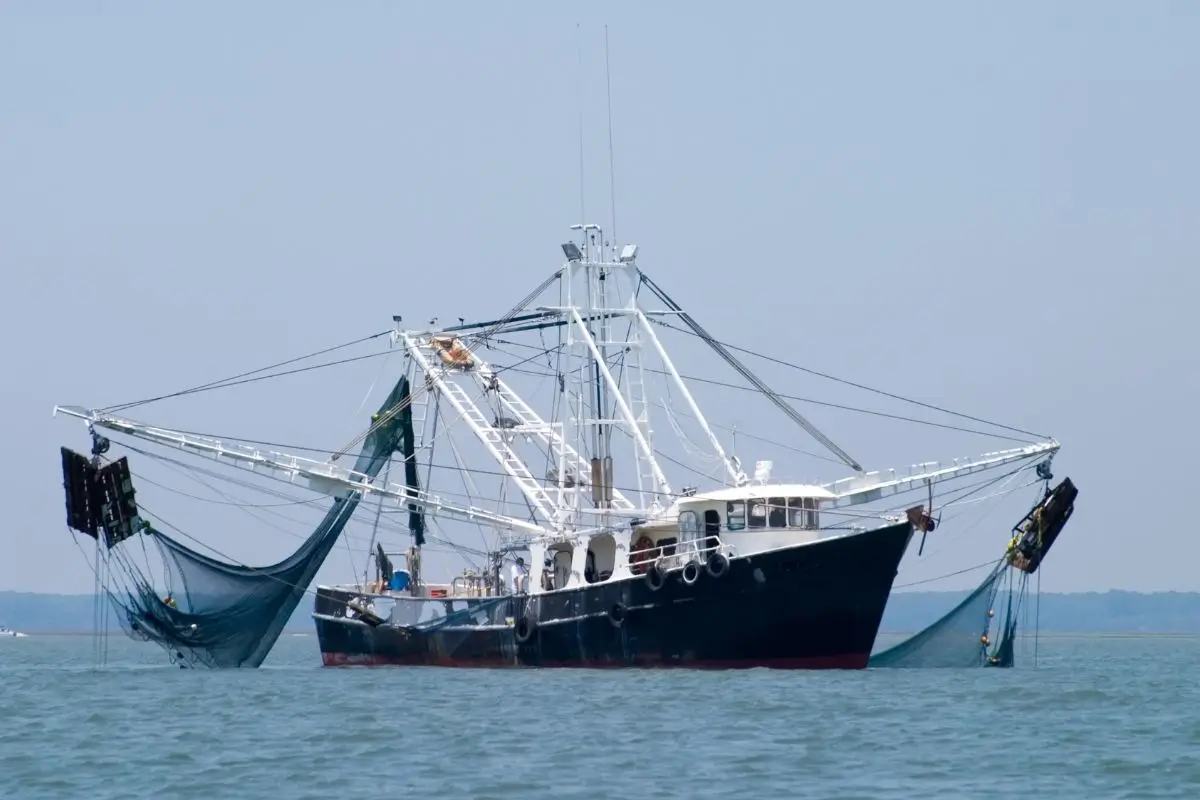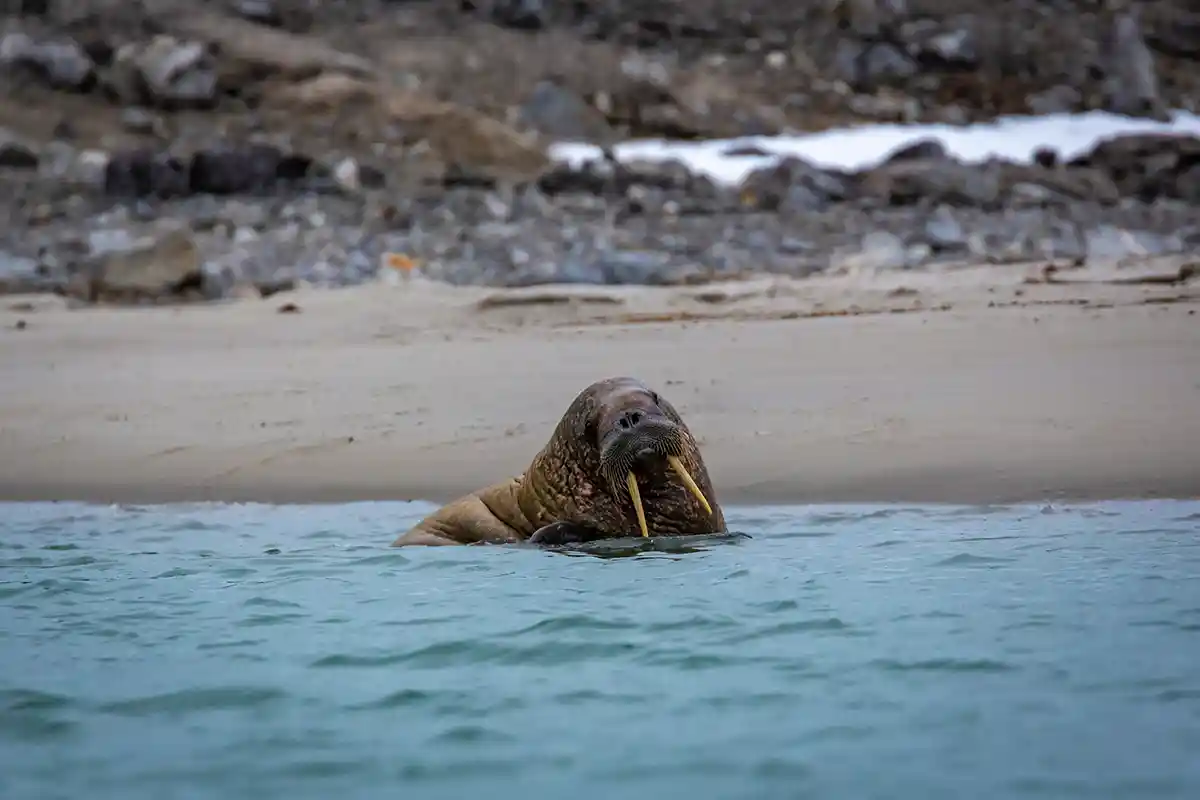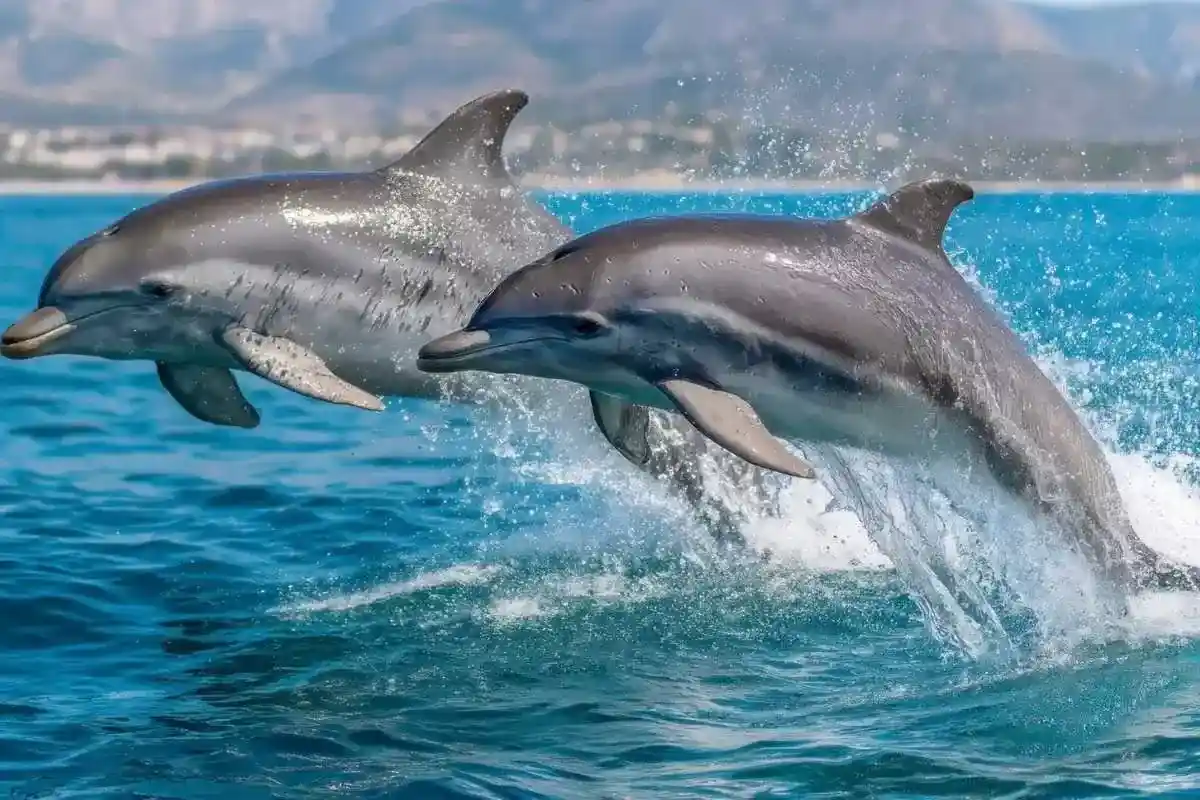
The ocean is a world of sound where whales, dolphins, fish, and even some invertebrates rely on acoustic signals to survive. Marine animals use sound to communicate, find food, locate mates, and navigate through their environment. However, the increasing presence of human-made noise from commercial shipping, naval sonar, seismic surveys, and offshore construction has made the ocean a much louder place. This constant underwater noise disrupts the natural soundscape and makes it harder for marine species to hear and be heard.
Noise pollution can have serious consequences for marine animals. Loud or persistent sounds can cause stress, disorientation, and behavioral changes. Whales and dolphins may abandon feeding or breeding grounds, while fish can struggle to detect predators or communicate with their schools. In extreme cases, powerful sonar or explosions can cause physical injury or hearing loss. These disruptions threaten individual species and affect entire ecosystems as communication breakdowns and migration changes alter predator-prey relationships and food webs.
Reducing noise pollution requires global cooperation and the adoption of sustainable technologies. Shipping companies can use quieter propeller designs, improved hull shapes, and speed reductions to minimize underwater noise. Governments and organizations can promote marine spatial planning by designating quieter zones or seasonal restrictions to protect vulnerable species during breeding and migration. Developing alternative sonar systems and enforcing stricter noise regulations can also help create a healthier acoustic environment for marine life.
Public awareness plays an important role as well. Consumers can support shipping companies, cruise lines, and seafood suppliers that prioritize environmental responsibility. Scientists and policymakers can work together to establish noise standards and monitor compliance through international agreements. Protecting the soundscape of the ocean is just as important as addressing visible forms of pollution. It ensures that marine animals can live, communicate, and thrive in their natural environment.
What are the main sources of noise pollution in the ocean, and how do they affect marine animals’ ability to communicate and survive? What technologies or policies can be implemented to reduce underwater noise from ships and industrial activities? How can marine spatial planning and international collaboration help protect key habitats from excessive noise? Finally, what actions can individuals and organizations take to raise awareness and support ocean quieting efforts?
Use the online submission form when sending your articles to help us track all of your submissions. Please try to write about the above topic. Your response should be at least 1,000 words.
To receive credit, your effort is what matters. You should find ways to contribute thoughtful ideas that will help others. Feel free to use personal stories or other information that you want to share, but do not use real names or other identifying information. You may write your response in the space provided or upload your response. Once we review your response, you will receive credit.
Click the button below to submit your article and get your credit.


Membership Email:
Verification Status: