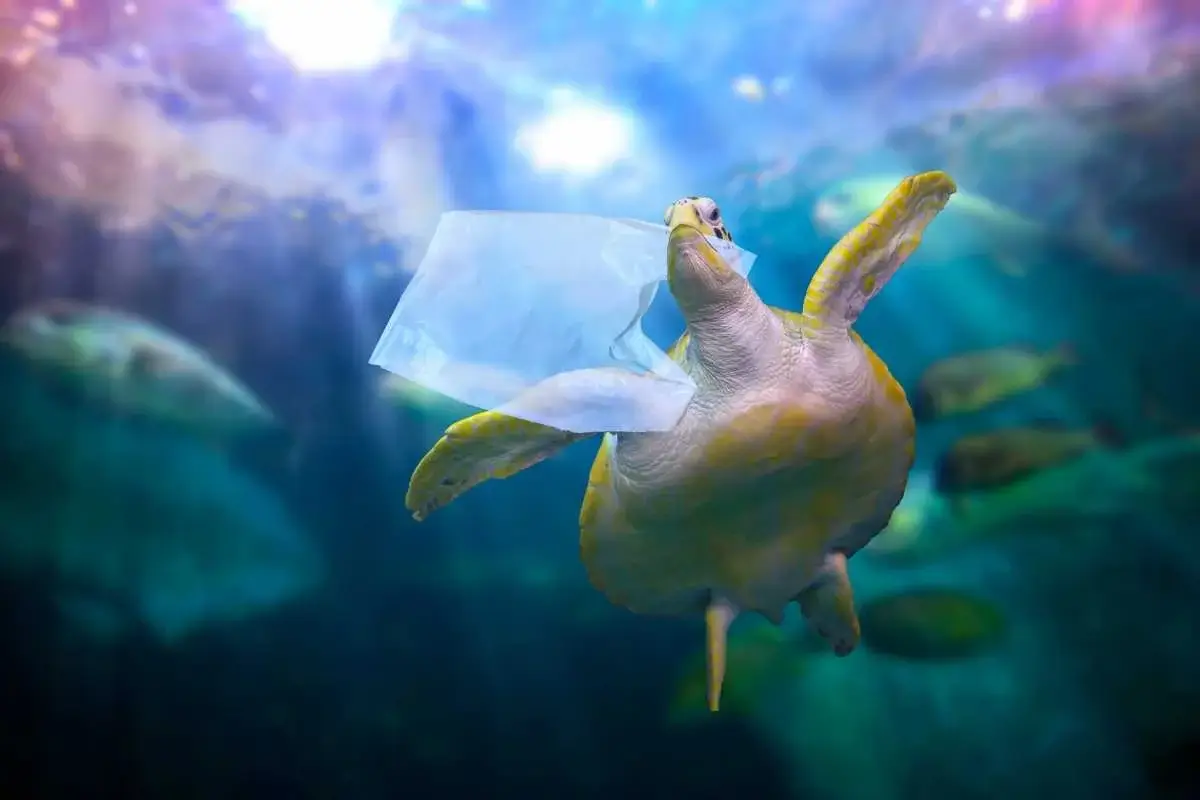
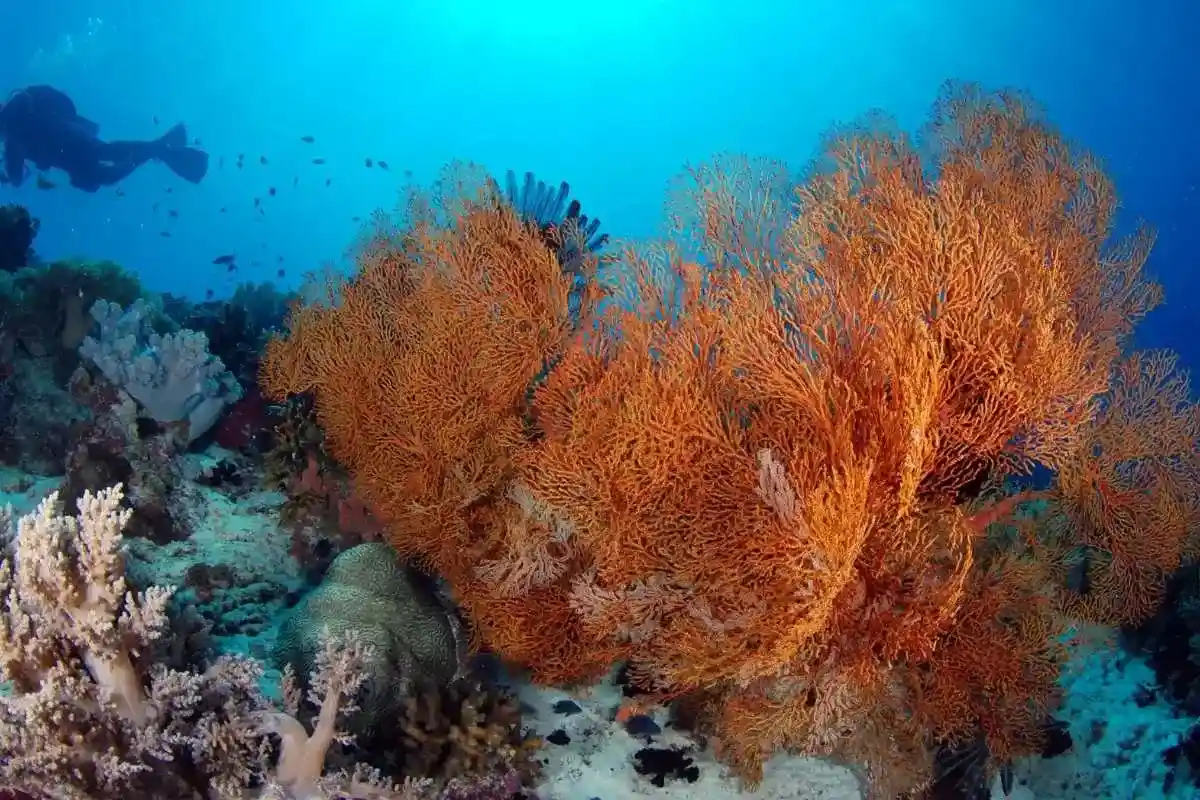
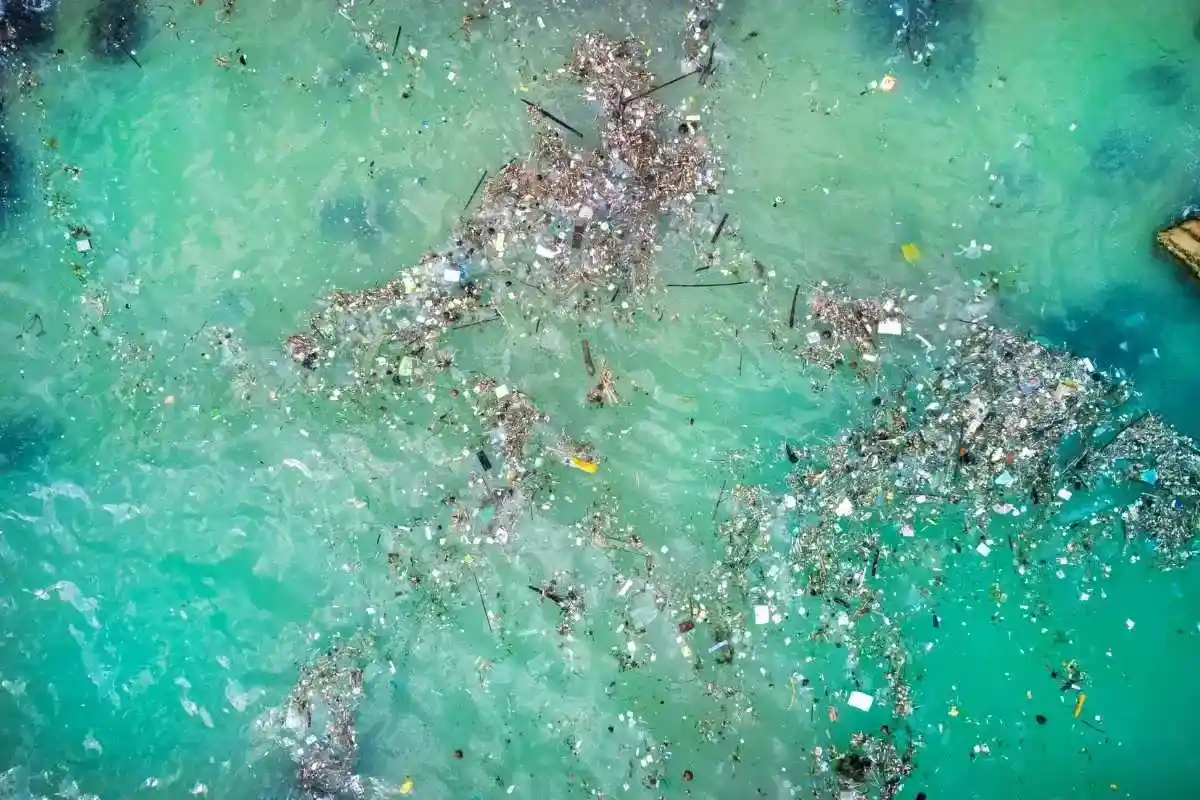
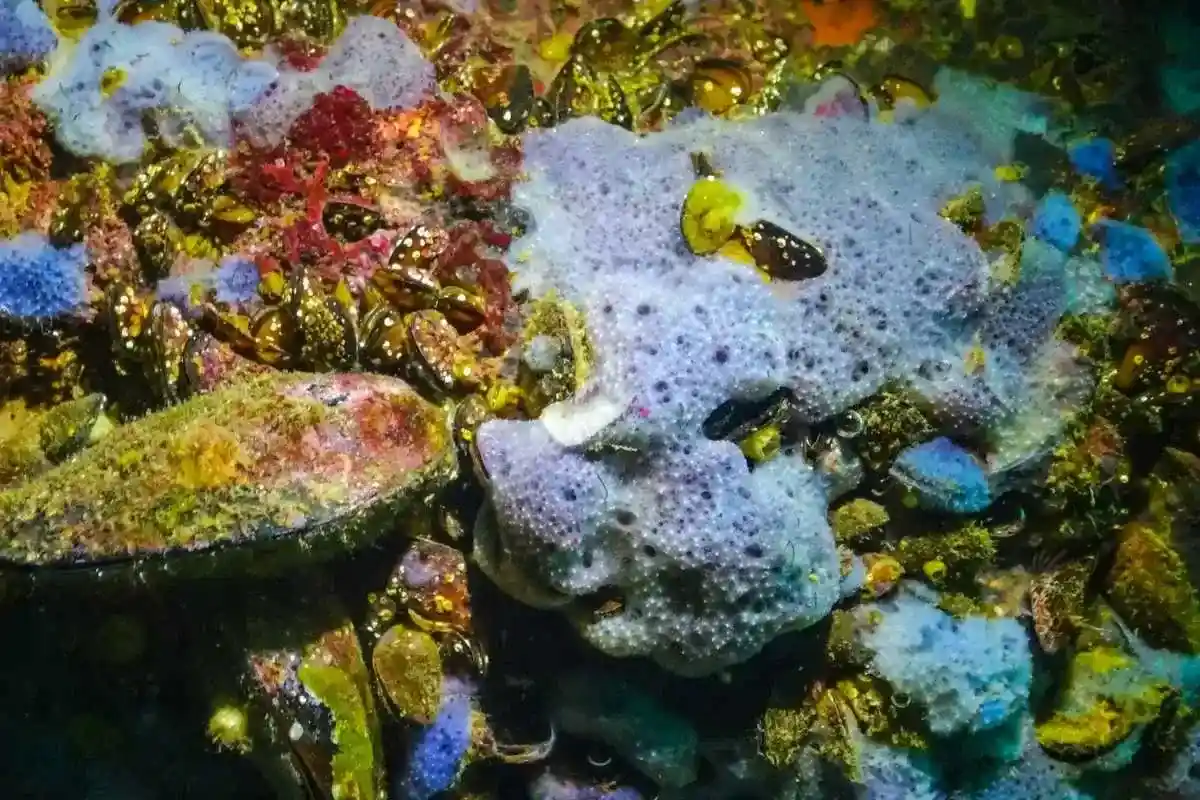
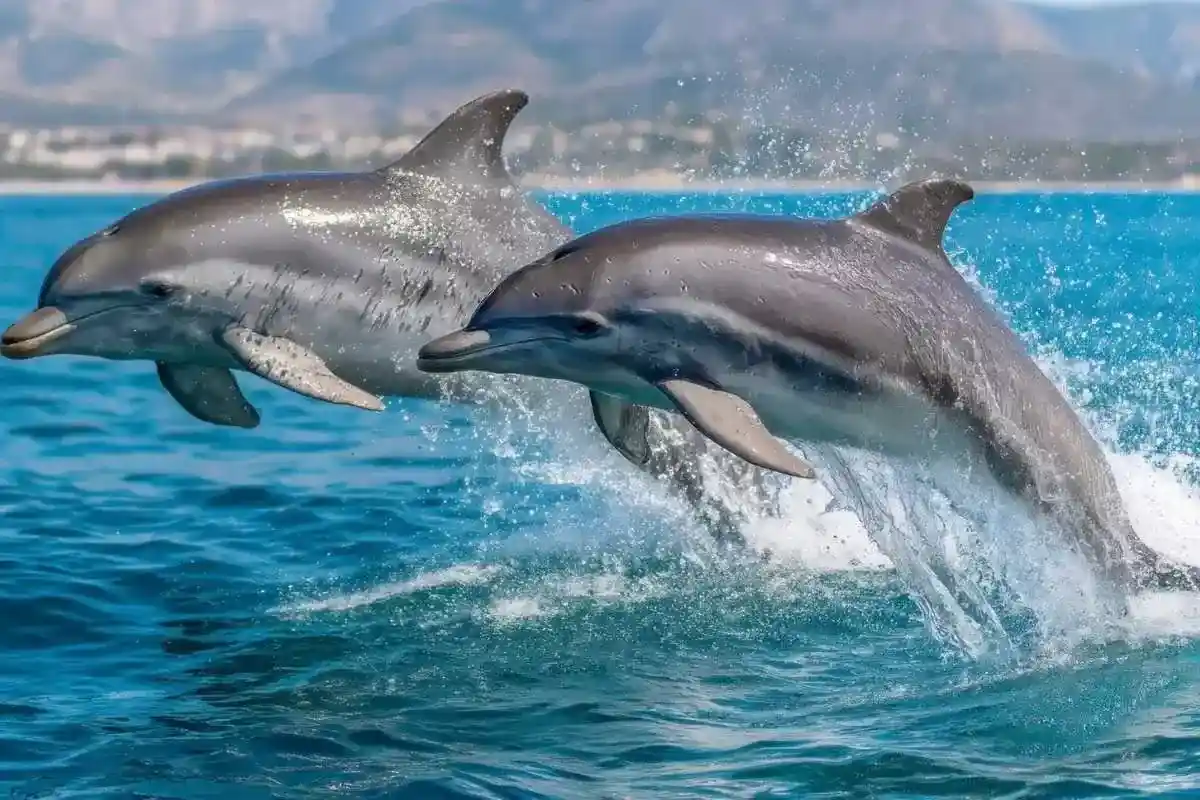
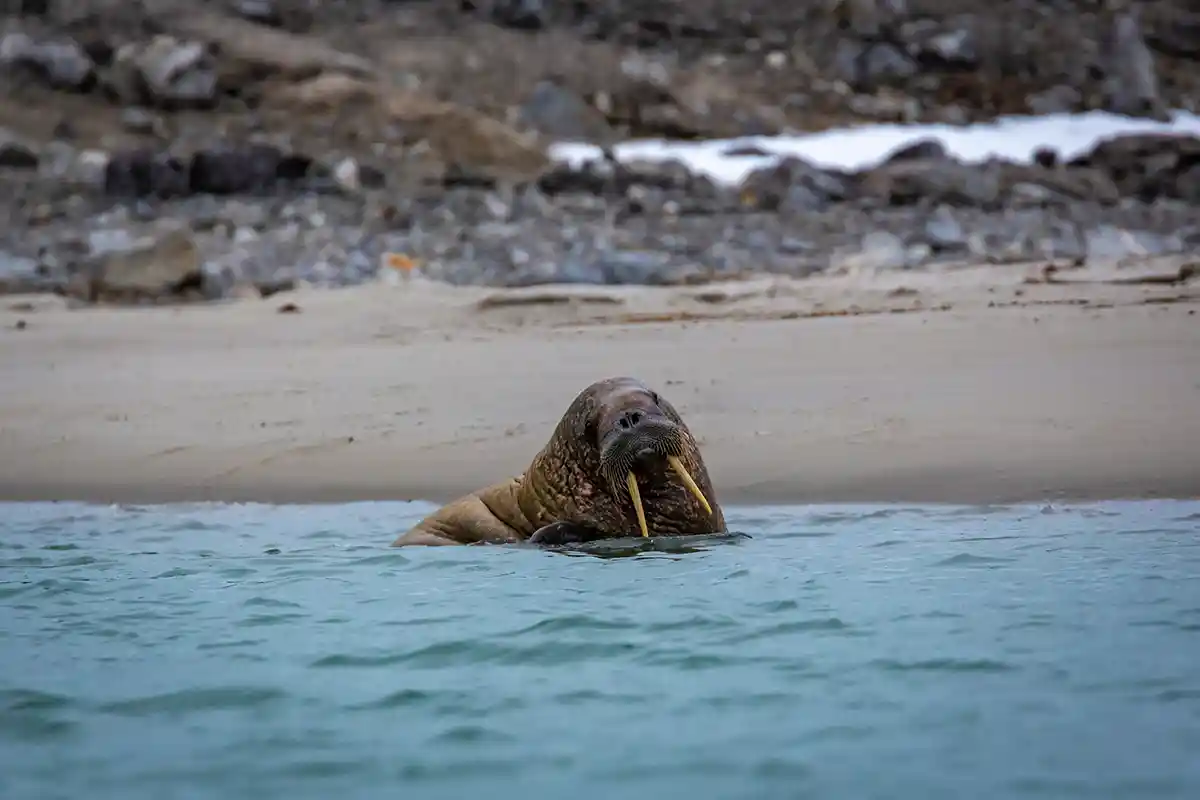
The ocean covers more than 70 percent of the planet, yet much of it remains unexplored. Ocean exploration is vital for advancing scientific understanding, protecting marine ecosystems, and uncovering resources that could benefit humanity. By studying the deep sea, scientists gain insight into Earth’s history, climate systems, and biodiversity. Each expedition brings new discoveries, from unknown species to groundbreaking data about how ocean currents regulate the global climate.
Exploring the ocean also helps us develop technologies that improve life on land. Submersibles, remotely operated vehicles (ROVs), and advanced mapping tools allow researchers to study environments once thought unreachable. The information gathered through ocean exploration contributes to fields like medicine, renewable energy, and environmental conservation. It also deepens our appreciation for the ocean’s role in sustaining life, from producing oxygen to supporting the global food supply.
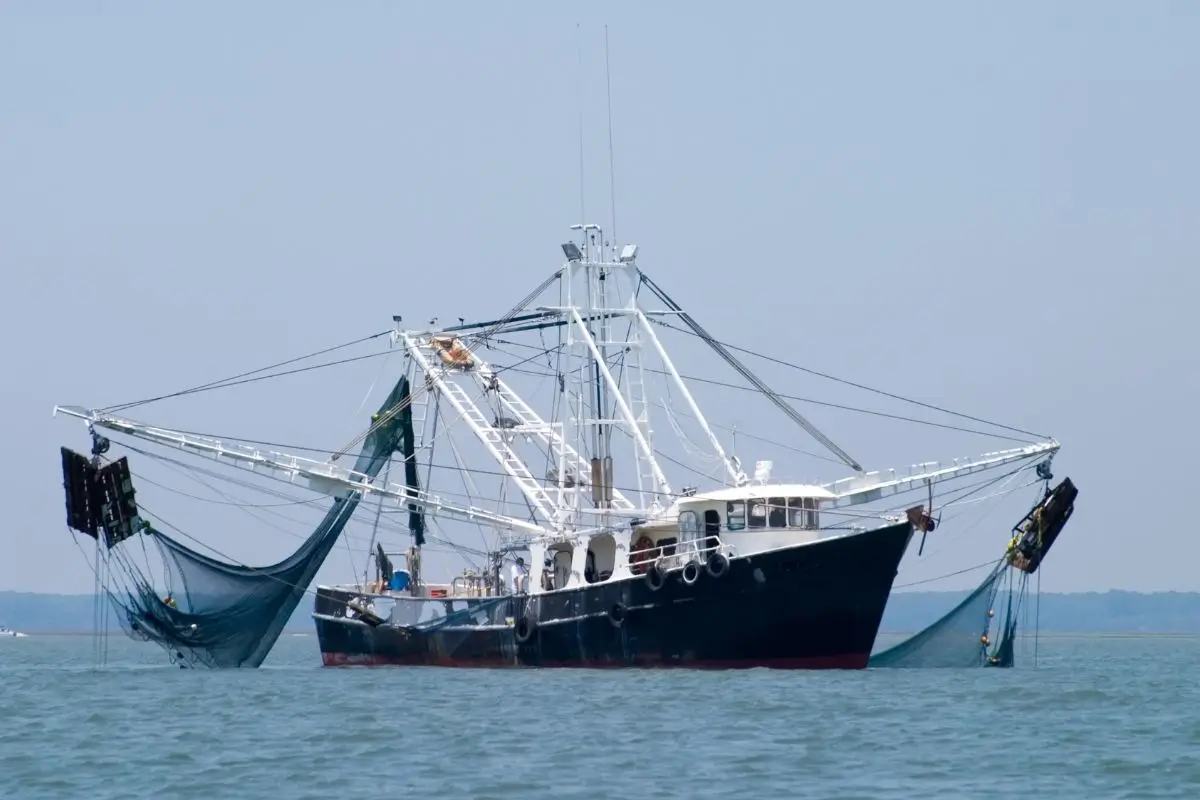
However, ocean exploration faces challenges such as high costs, limited accessibility, and environmental concerns. Balancing discovery with preservation is essential to ensure that exploration efforts do not harm fragile marine ecosystems. International collaboration and public awareness can help secure funding, share knowledge, and promote responsible exploration practices.
What are the most significant areas of ocean exploration today, and what technologies are being used to study the deep sea? How can exploration efforts enhance our understanding of climate change, biodiversity, and marine resource management? What global partnerships and innovations could make ocean exploration more sustainable and inclusive? Finally, how can greater public engagement help inspire support for protecting and studying the world’s oceans?
Use the online submission form when sending your articles to help us track all of your submissions. Please try to write about the above topic. Your response should be at least 1,000 words.
To receive credit, your effort is what matters. You should find ways to contribute thoughtful ideas that will help others. Feel free to use personal stories or other information that you want to share, but do not use real names or other identifying information. You may write your response in the space provided or upload your response. Once we review your response, you will receive credit.
Click the button below to submit your article and get your credit.


Membership Email:
Verification Status: