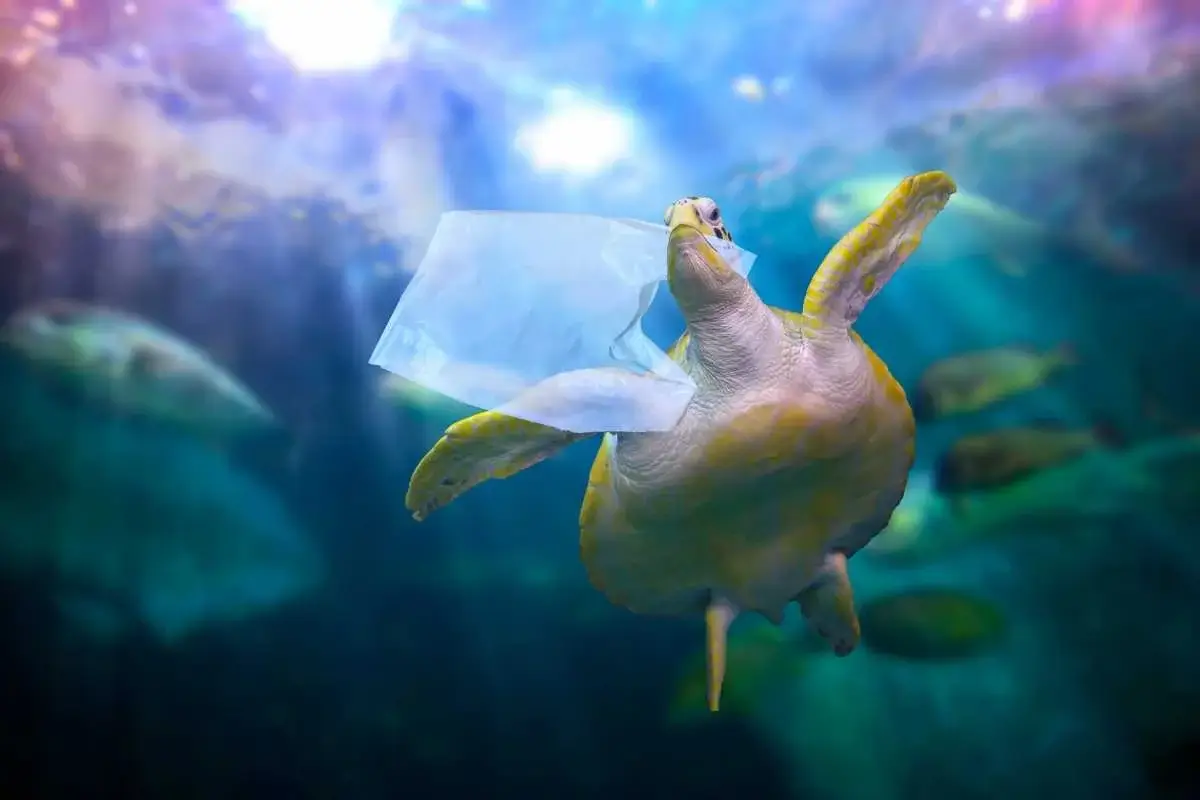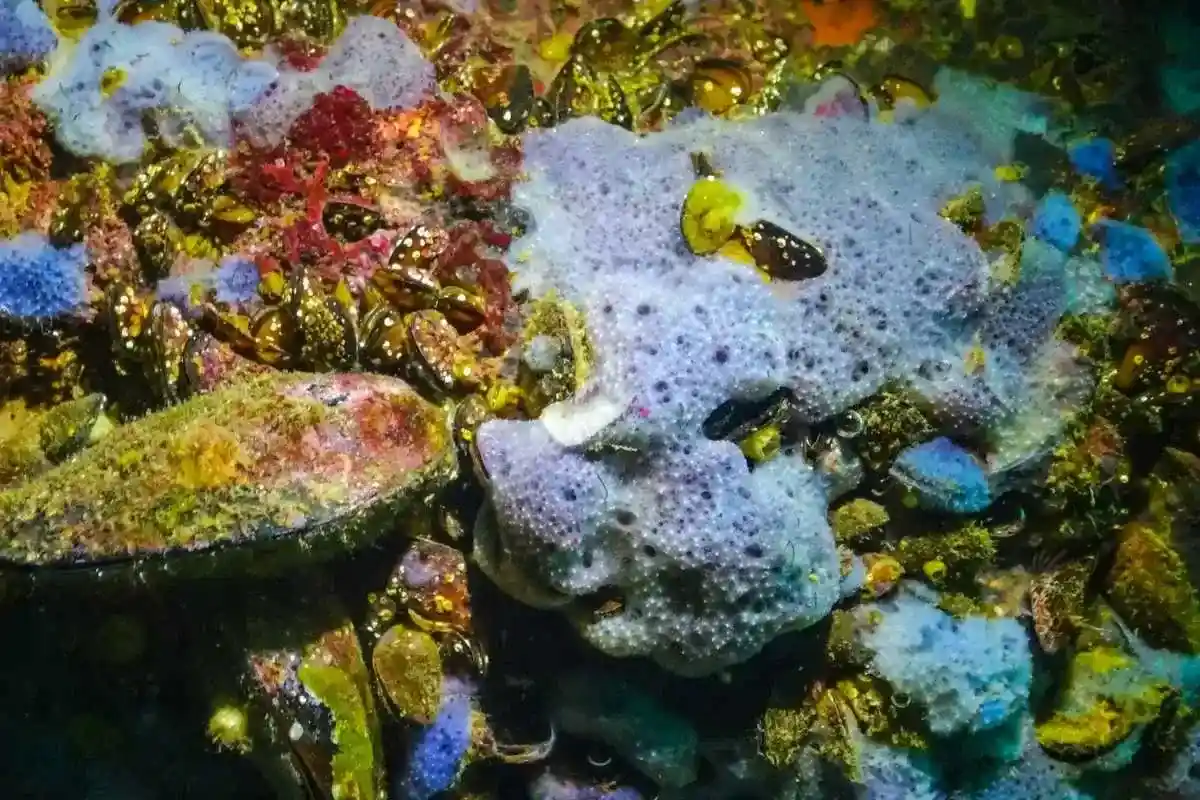
Ocean acidification is one of the most serious yet least visible effects of climate change. It occurs when the ocean absorbs large amounts of carbon dioxide from the atmosphere, causing chemical reactions that lower the water’s pH and make it more acidic. This shift in ocean chemistry poses major risks to marine organisms that rely on calcium carbonate to build shells and skeletons, such as corals, mollusks, and certain types of plankton. As these species struggle to survive, the effects ripple through entire ecosystems, threatening biodiversity and the stability of food webs.
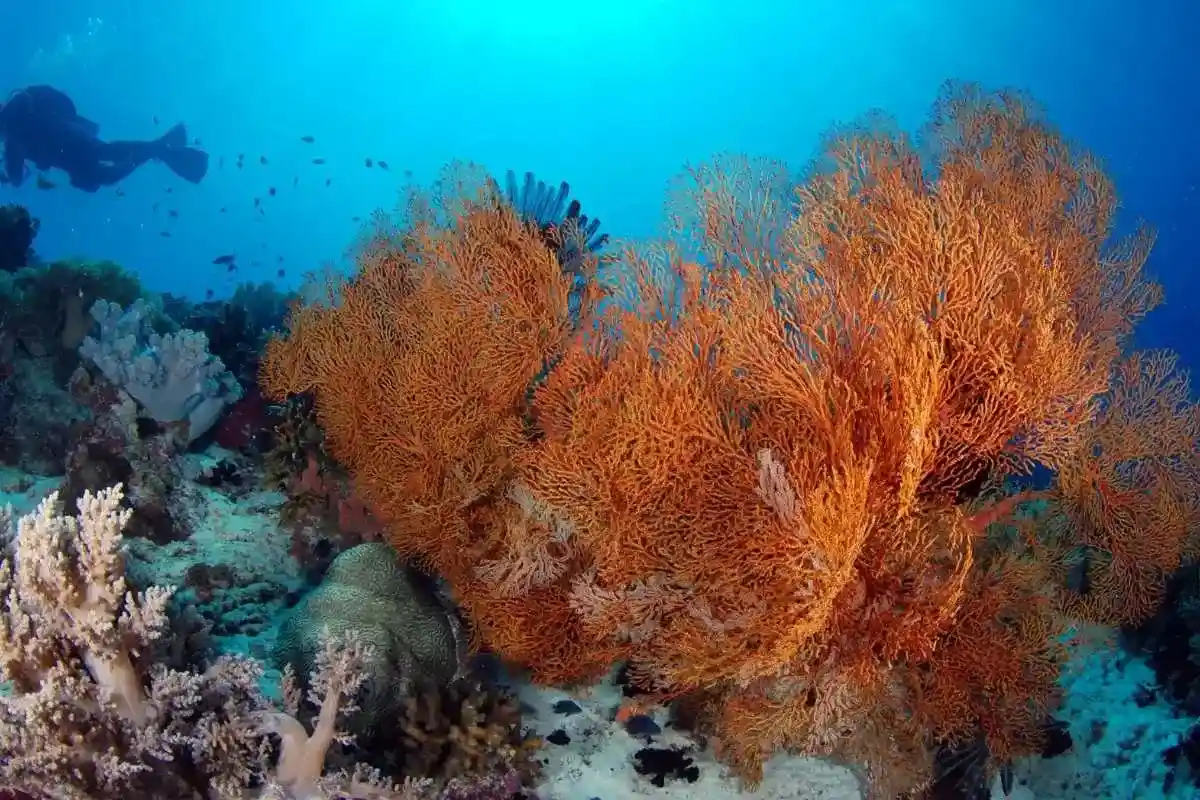
The impacts of ocean acidification extend beyond marine life. Coastal communities that depend on fishing, tourism, and aquaculture face economic challenges as shellfish populations decline and coral reefs degrade. Coral reefs, often called the “rainforests of the sea,” provide critical habitats for countless species, protect shorelines from storms, and support livelihoods for millions of people. Their decline could lead to severe ecological and economic losses around the world.
Addressing ocean acidification requires a global commitment to reducing carbon emissions and tackling climate change at its source. Transitioning to renewable energy, increasing energy efficiency, and developing carbon capture technologies are all crucial steps. Protecting marine ecosystems also involves restoring habitats like seagrass meadows and mangroves, which naturally absorb carbon and help buffer acidity. Governments, industries, and communities must work together to implement sustainable policies and conservation initiatives that protect both ocean health and human well-being.
Public awareness and education are equally important. By understanding the causes and consequences of ocean acidification, individuals can make informed choices that contribute to broader solutions. Supporting sustainable seafood practices, reducing carbon footprints, and advocating for climate action can help slow the progression of this crisis. Protecting the ocean is essential for the health of the planet, as it regulates climate, provides food, and sustains life for future generations.
What causes ocean acidification, and how does it affect marine organisms and ecosystems? What are the most effective ways to reduce carbon emissions and limit its impacts on ocean life? How can renewable energy, carbon capture, and conservation efforts work together to restore balance to marine environments? Finally, what actions can individuals and communities take to protect the ocean and promote long-term sustainability?
Use the online submission form when sending your articles to help us track all of your submissions. Please try to write about the above topic. Your response should be at least 1,000 words.
To receive credit, your effort is what matters. You should find ways to contribute thoughtful ideas that will help others. Feel free to use personal stories or other information that you want to share, but do not use real names or other identifying information. You may write your response in the space provided or upload your response. Once we review your response, you will receive credit.
Click the button below to submit your article and get your credit.


Membership Email:
Verification Status: