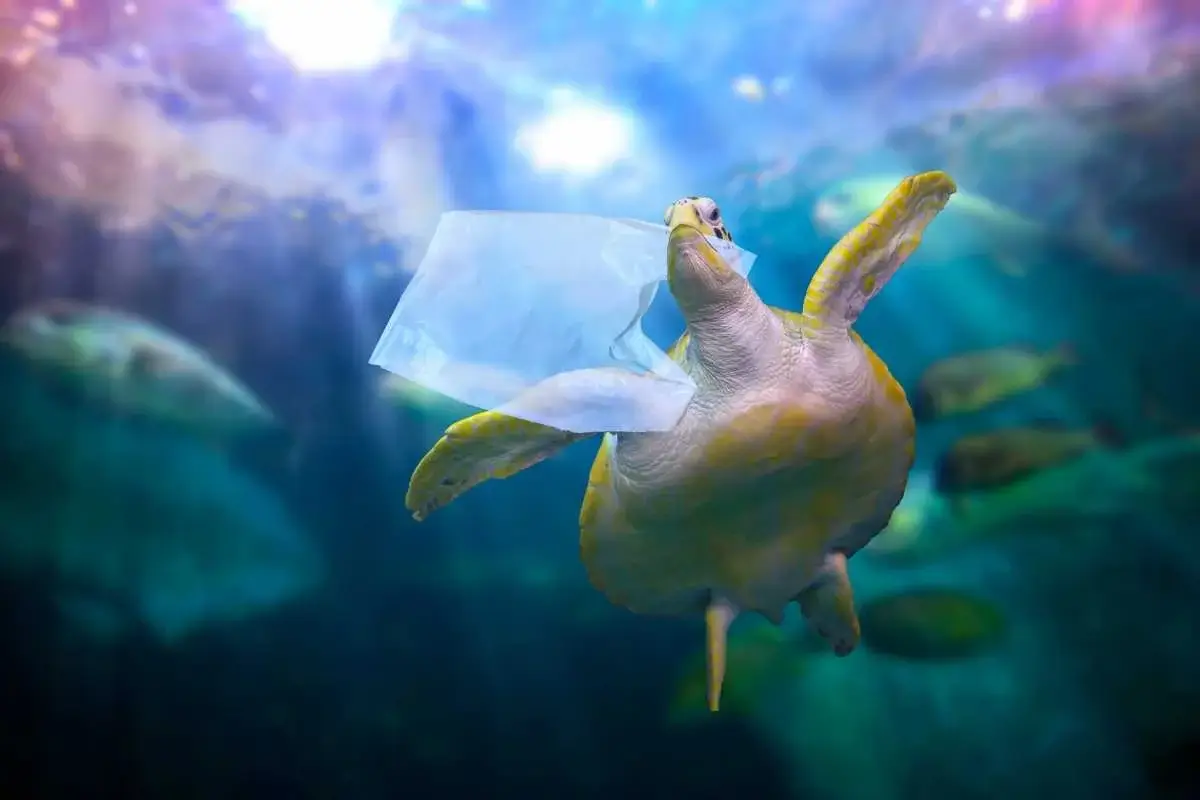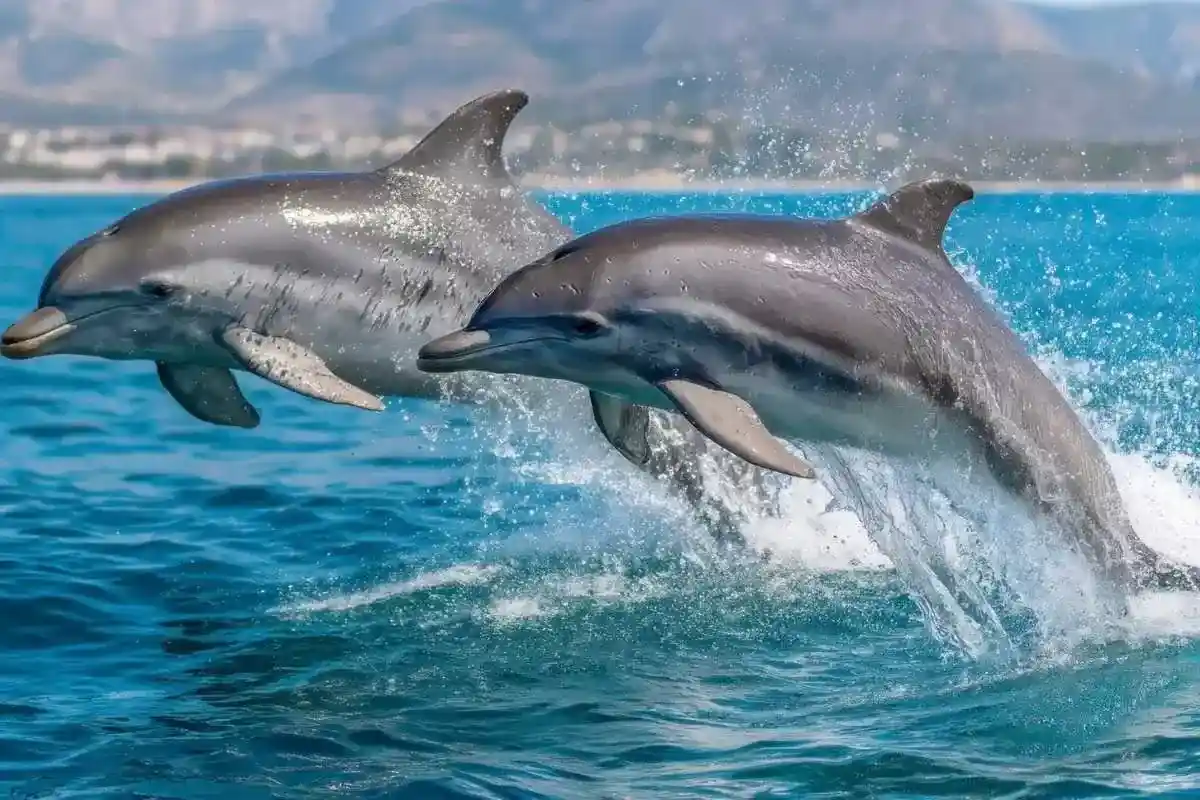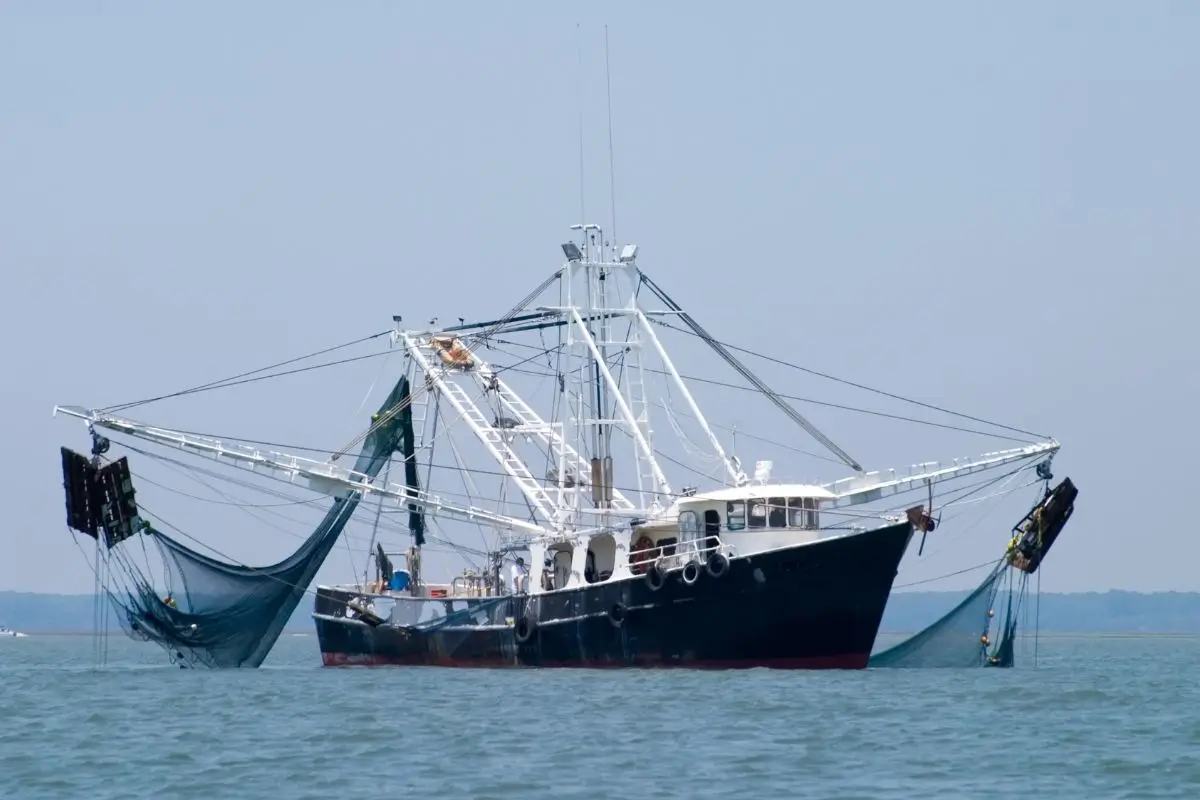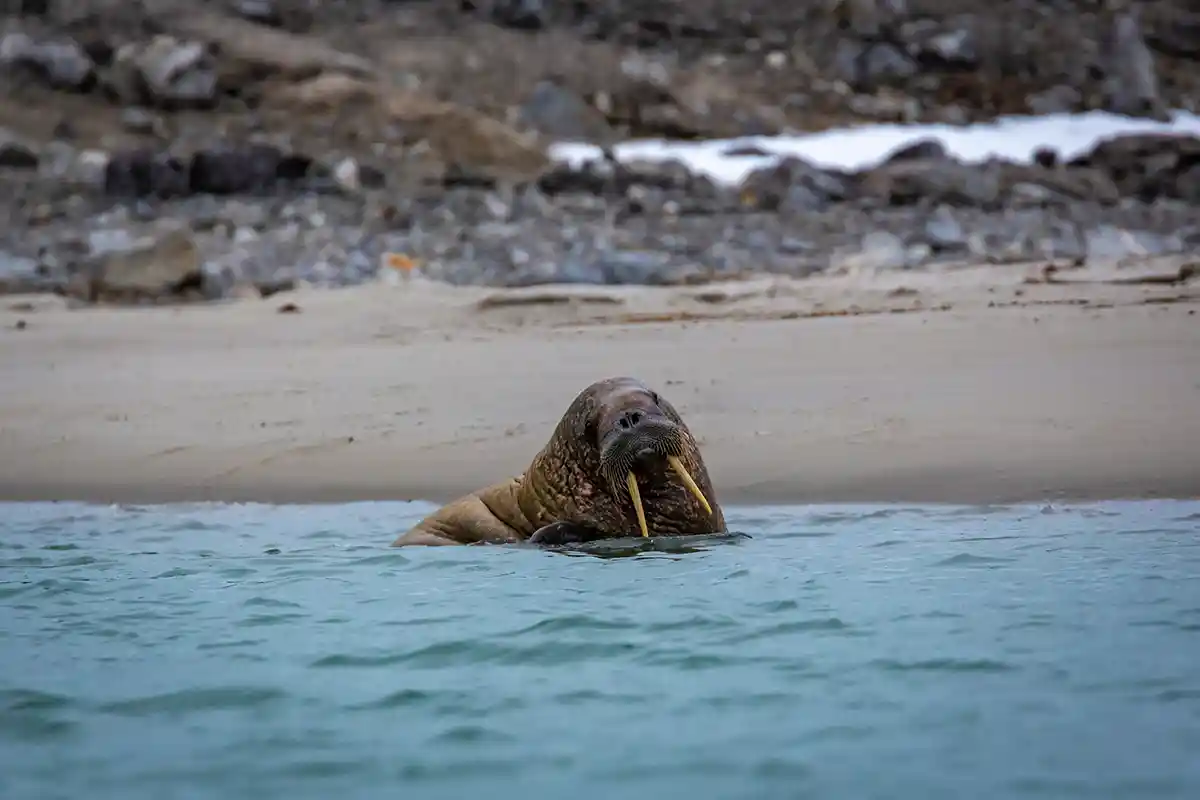
Oceans are home to an incredible diversity of life, yet many marine species are at risk of extinction. Whales, dolphins, sea turtles, seabirds, and countless others face growing threats from habitat destruction, overfishing, pollution, and climate change. These pressures disrupt delicate ecosystems, making it harder for species to survive and reproduce. Protecting endangered marine life goes beyond saving individual species. It helps maintain the balance of ocean ecosystems, which are vital to the health of the planet and the survival of all life on Earth.
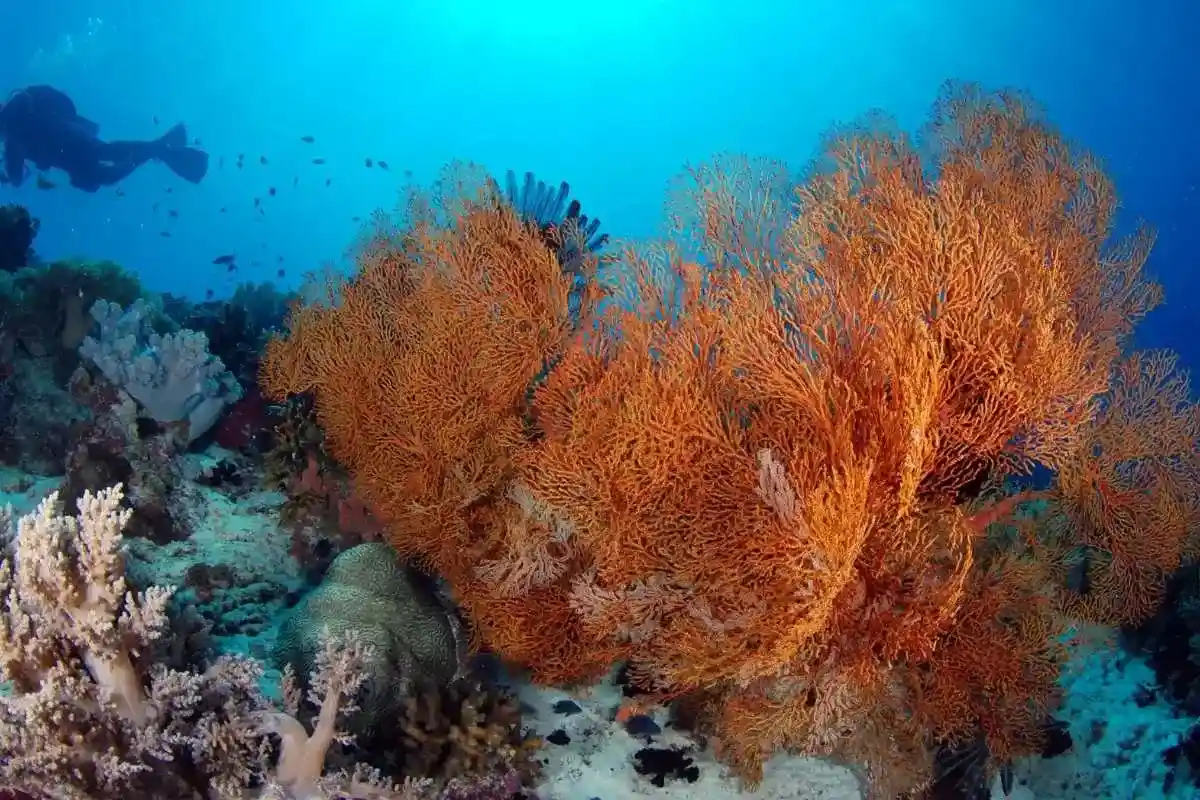
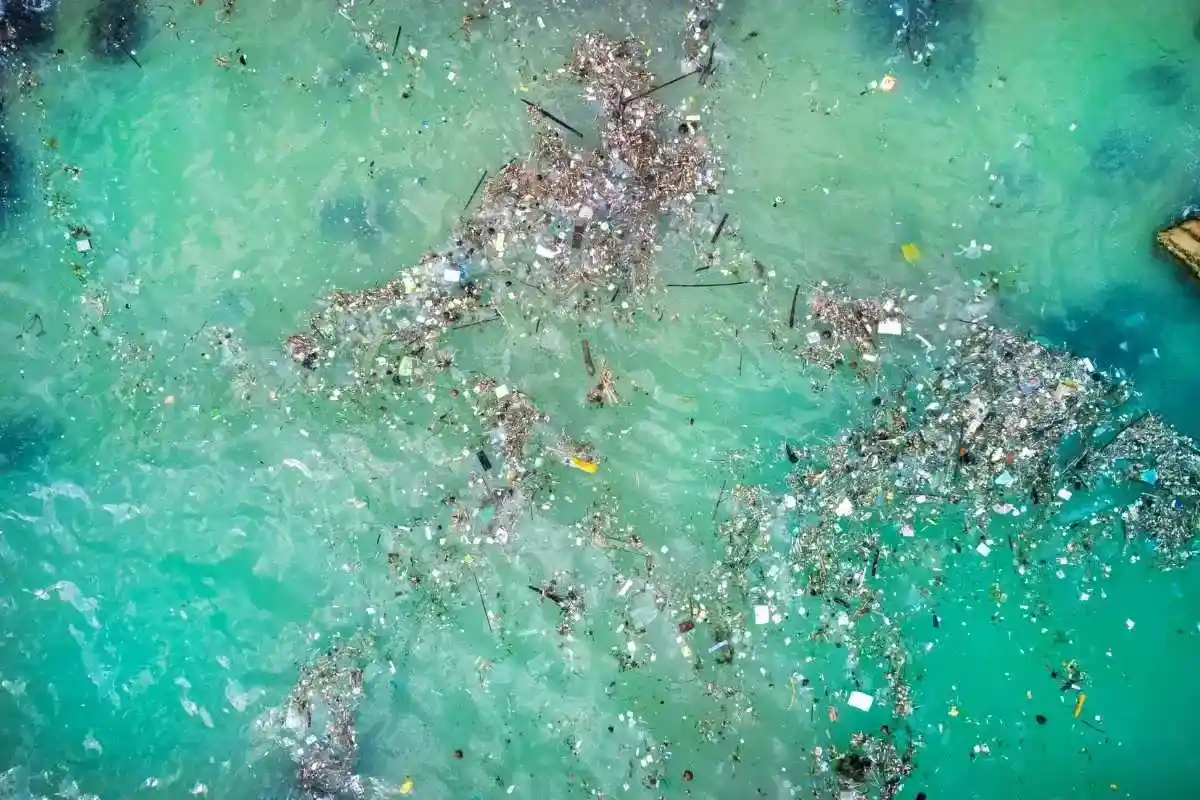
Conservation efforts are key to reversing these trends. Establishing marine protected areas helps safeguard critical habitats such as coral reefs, mangroves, and breeding grounds. Stronger fishing regulations and international agreements can reduce bycatch and illegal harvesting. Reducing plastic pollution, limiting coastal development, and restoring degraded habitats also play a major role in helping marine species recover. Global cooperation is essential, as marine wildlife moves freely across borders and depends on shared international waters.
Individuals can also contribute by making sustainable seafood choices, reducing plastic use, supporting conservation organizations, and spreading awareness about ocean protection. Every action, no matter how small, contributes to the collective effort to restore ocean health and protect marine life for generations to come.
What are the main threats facing endangered marine species, and how can they be reduced or eliminated? How can governments, organizations, and individuals work together to conserve marine ecosystems and restore species populations? What role do marine protected areas and sustainable fishing practices play in preserving biodiversity? How can public awareness and community involvement help ensure a thriving and healthy ocean future?
Use the online submission form when sending your articles to help us track all of your submissions. Please try to write about the above topic. Your response should be at least 1,000 words.
To receive credit, your effort is what matters. You should find ways to contribute thoughtful ideas that will help others. Feel free to use personal stories or other information that you want to share, but do not use real names or other identifying information. You may write your response in the space provided or upload your response. Once we review your response, you will receive credit.
Click the button below to submit your article and get your credit.


Membership Email:
Verification Status: