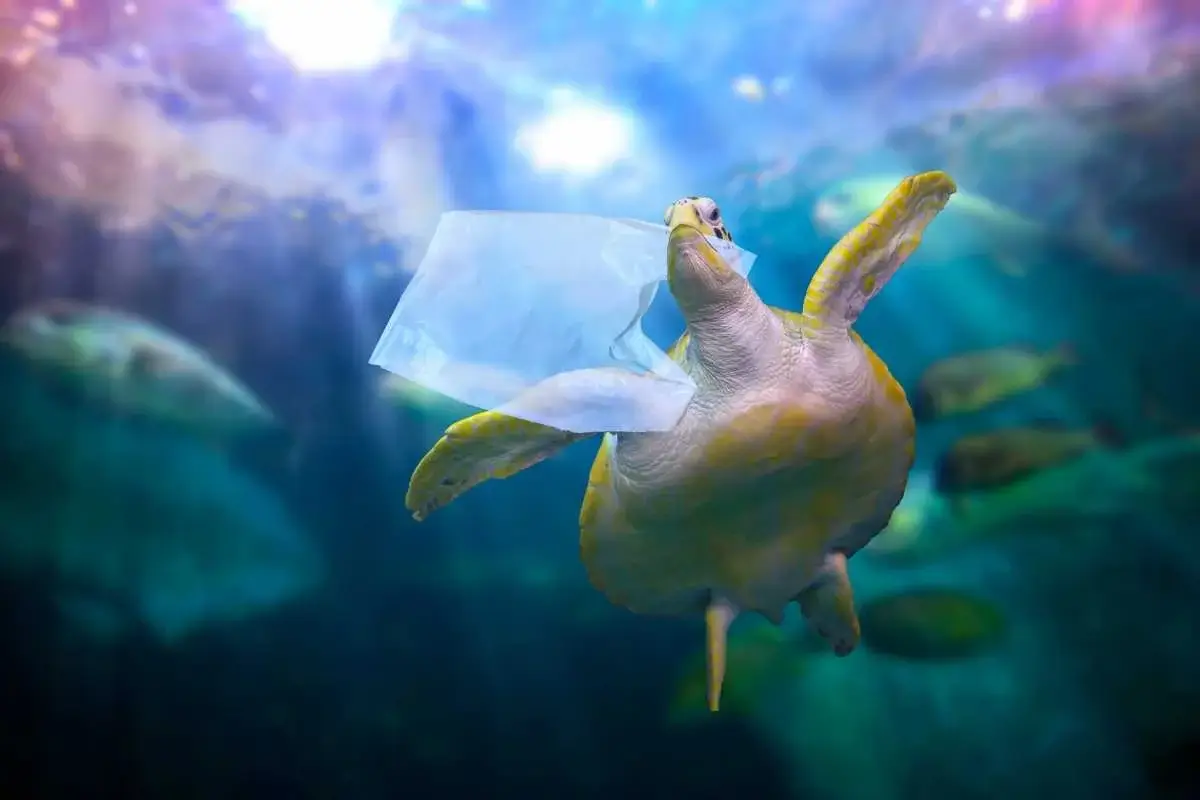
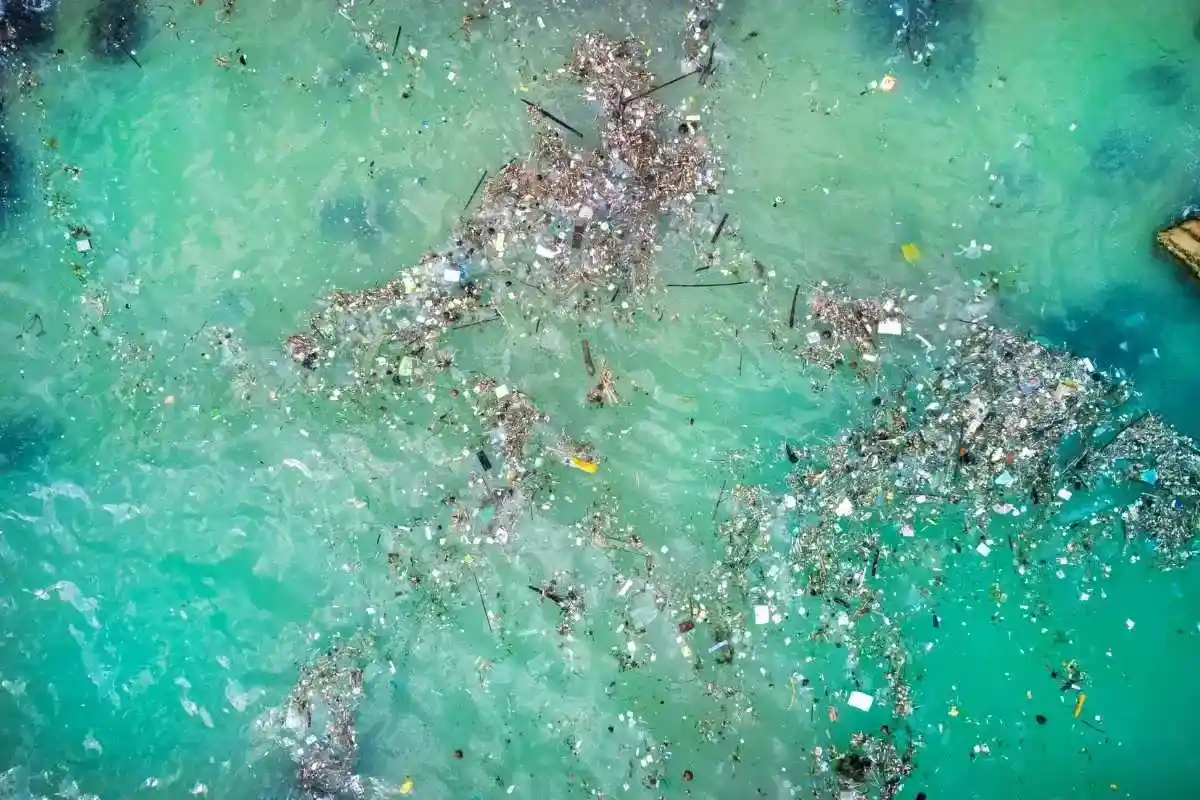
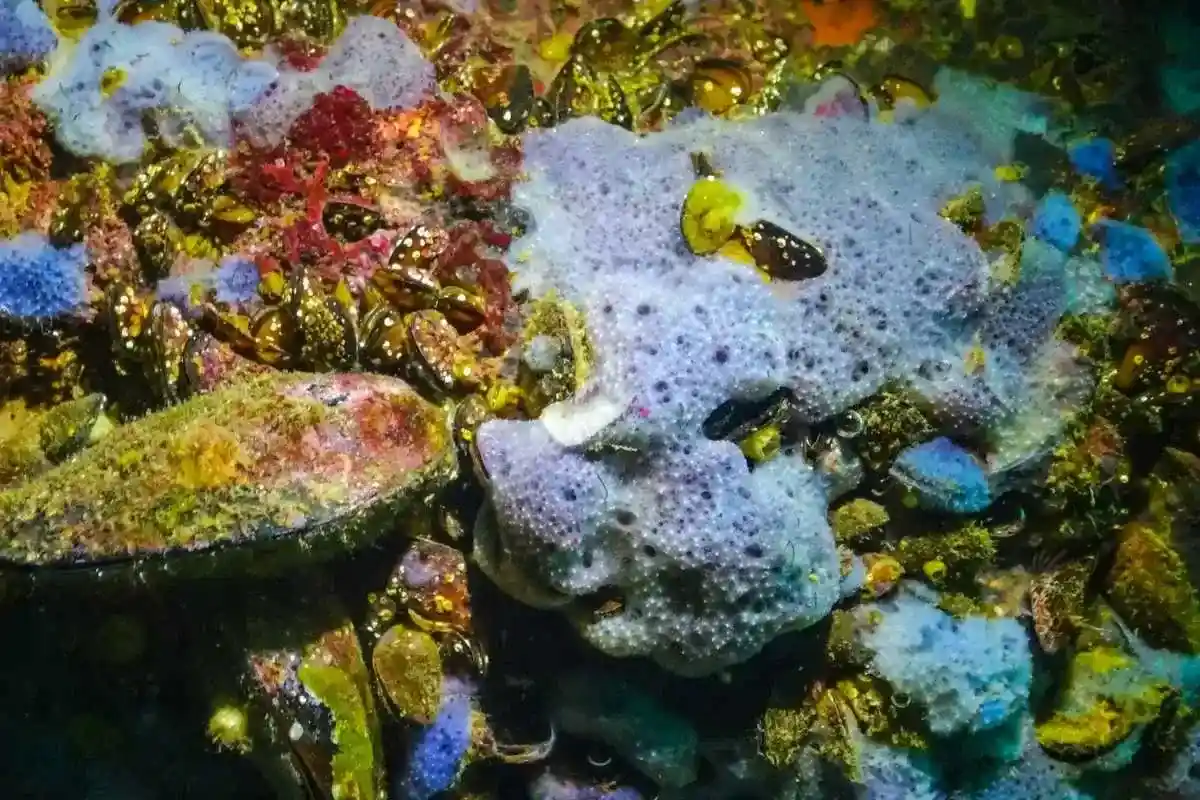
Marine Protected Areas, or MPAs, are vital tools for conserving the health and diversity of our oceans. These designated regions help safeguard ecosystems by limiting human activities that can damage marine habitats and species. MPAs vary widely in size, purpose, and level of protection. Some restrict all extractive activities like fishing or mining, while others allow sustainable use under specific guidelines. Regardless of their structure, all MPAs share the goal of maintaining the delicate balance of marine ecosystems and ensuring their long-term resilience.
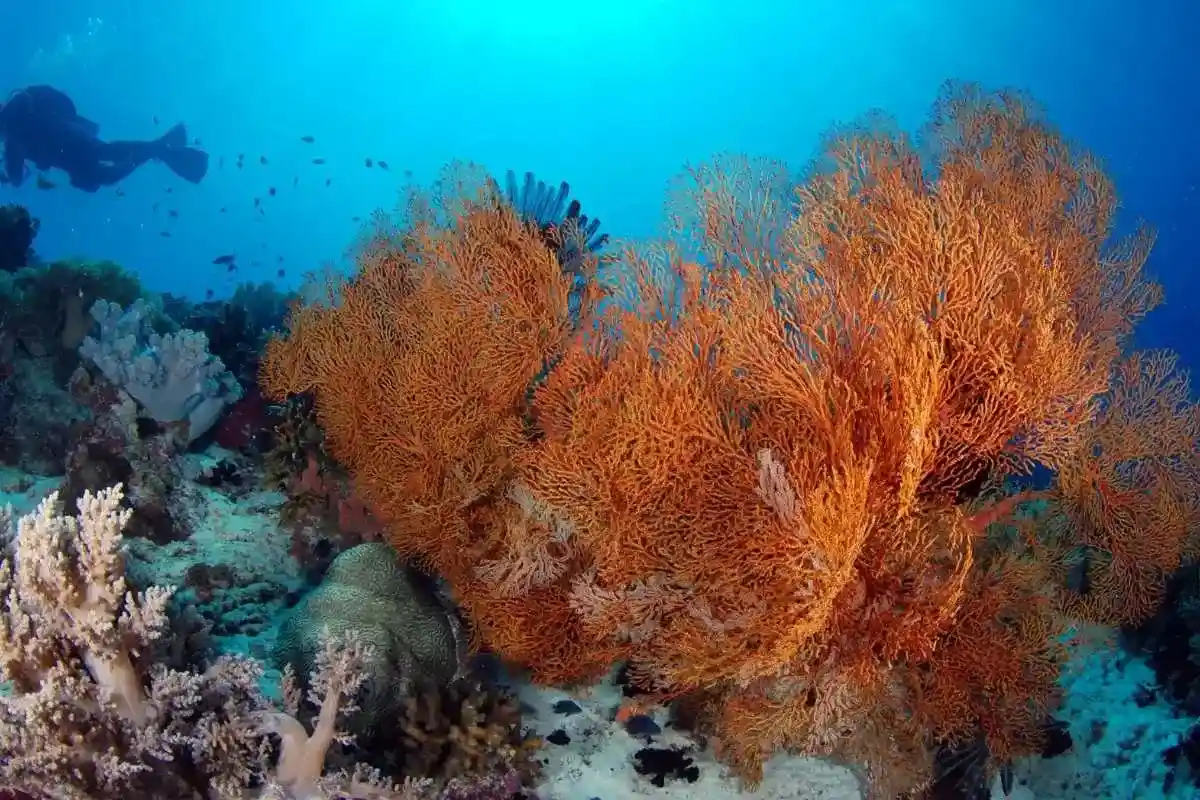
Healthy oceans are essential to life on Earth, providing food, regulating the climate, and supporting livelihoods around the world. By protecting coral reefs, mangroves, seagrass beds, and open ocean ecosystems, MPAs create safe havens for marine life to reproduce and recover. Over time, these areas can help replenish fish stocks, stabilize coastal environments, and strengthen local economies that depend on sustainable fishing and tourism. The success of MPAs, however, depends on effective management, community participation, and strong enforcement.
Local and indigenous communities play a key role in ensuring that MPAs are successful. Their traditional knowledge, combined with scientific research, can help shape management strategies that are both culturally respectful and ecologically sound. Continuous monitoring and adaptive management are also essential, allowing managers to adjust policies based on changing environmental conditions and scientific findings.
What are the main types of Marine Protected Areas, and how do they contribute to conserving ocean biodiversity? How can governments and local communities work together to manage MPAs effectively while supporting sustainable livelihoods? What challenges do MPAs face, such as enforcement, funding, or balancing conservation with human needs? Consider how global cooperation, scientific research, and community involvement can ensure that MPAs remain strong tools for protecting the ocean’s future.
Use the online submission form when sending your articles to help us track all of your submissions. Please try to write about the above topic. Your response should be at least 1,000 words.
To receive credit, your effort is what matters. You should find ways to contribute thoughtful ideas that will help others. Feel free to use personal stories or other information that you want to share, but do not use real names or other identifying information. You may write your response in the space provided or upload your response. Once we review your response, you will receive credit.
Click the button below to submit your article and get your credit.


Membership Email:
Verification Status: