Mangrove forests are among the most valuable and productive ecosystems on Earth, yet they are also some of the most threatened. Found in tropical and subtropical coastal regions, mangroves thrive where few other plants can survive. Their intricate root systems stabilize shorelines, reduce erosion, and buffer coastal areas from storm surges and flooding. Beyond their physical protection, mangroves support an incredible diversity of life. They serve as nurseries for fish, crabs, and shrimp, provide nesting grounds for birds, and create habitats for countless other species that depend on their shelter and nutrients.
Mangroves also play a powerful role in combating climate change. They are remarkably efficient at capturing and storing carbon dioxide, often sequestering several times more carbon per hectare than terrestrial forests. This ability makes them one of nature’s most effective carbon sinks. Additionally, mangroves filter pollutants and sediments from the water, improving coastal water quality and helping coral reefs and seagrass beds thrive. For millions of people worldwide, mangroves provide resources such as wood, honey, and medicinal plants, supporting local economies and food security.
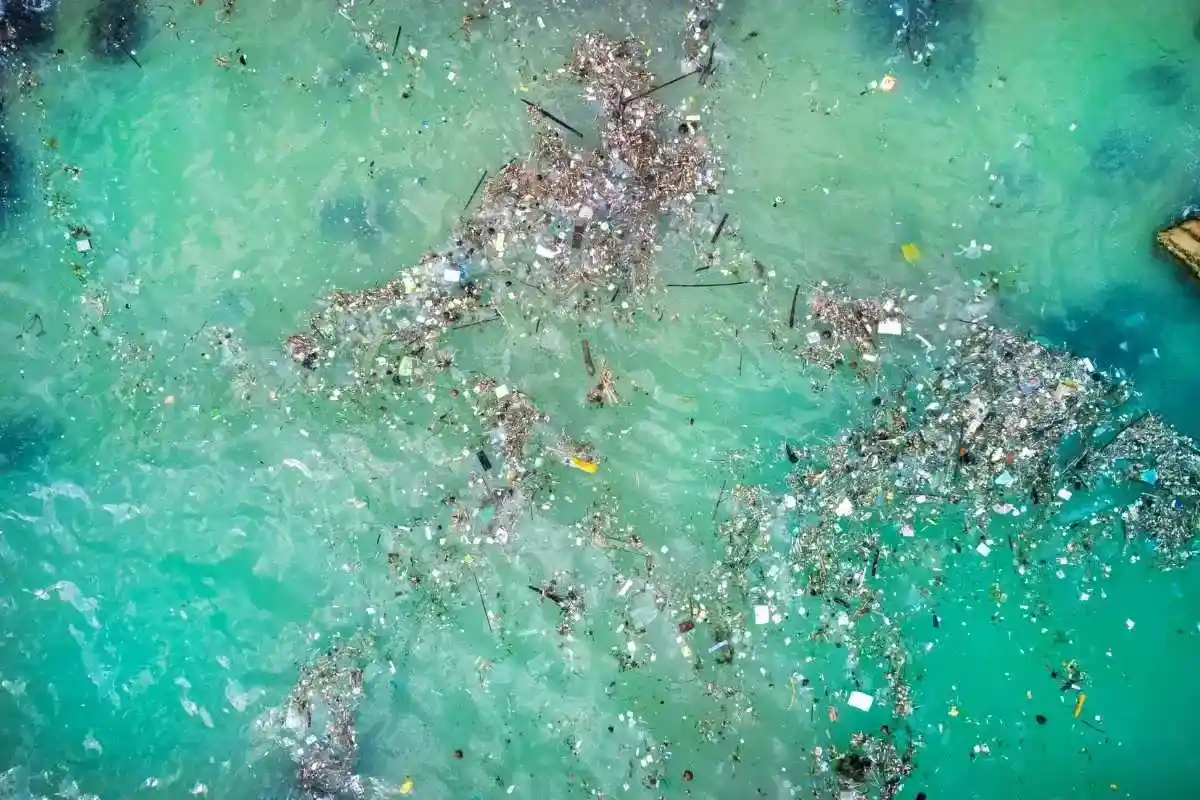
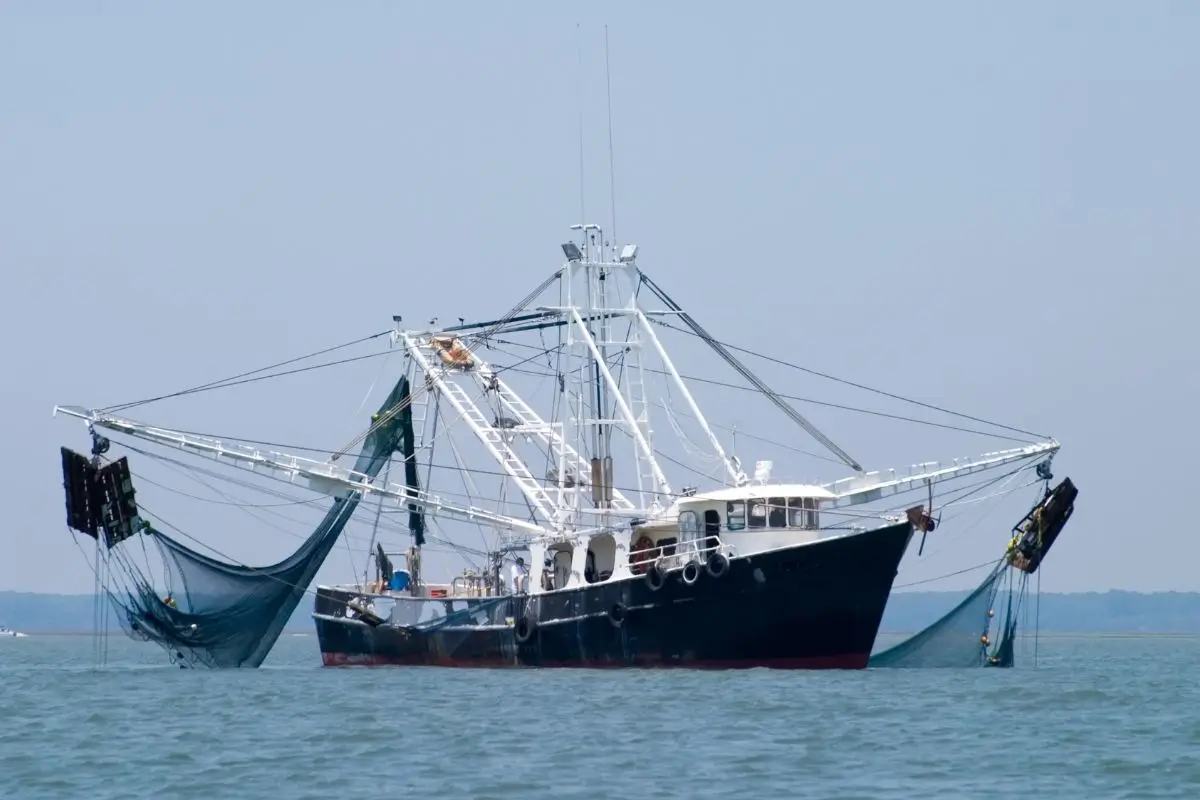
Despite their importance, mangrove forests are disappearing at an alarming rate due to human activities. Coastal development, aquaculture (especially shrimp farming), logging, and pollution have destroyed vast areas of mangroves in recent decades. Climate change, rising sea levels, and extreme weather events add further pressure, threatening the delicate balance of these ecosystems. When mangroves are cleared or degraded, the consequences ripple far beyond local areas because biodiversity declines, coastal protection weakens, and stored carbon is released back into the atmosphere, accelerating global warming.
Protecting and restoring mangrove forests requires a combination of science, policy, and community engagement. Governments can establish protected areas, enforce anti-logging regulations, and promote sustainable land-use planning that values mangroves as natural infrastructure. Restoration projects, such as replanting mangrove seedlings and rehabilitating degraded wetlands, have shown great success when guided by local knowledge and ecological expertise. Community-based conservation is particularly effective because it empowers local residents to manage resources responsibly while benefiting from the ecosystem’s long-term health.
Education and awareness are also vital for mangrove conservation. Schools, NGOs, and community programs can teach people about the ecological and economic importance of mangroves, inspiring stewardship at both the local and global levels. Eco-tourism, when managed sustainably, can provide income for communities while fostering appreciation for these habitats.
What are the main threats facing mangrove forests, and how do they affect both ecosystems and human communities? What actions can be taken to restore and protect these coastal environments? How can governments, scientists, and local communities collaborate to ensure mangrove conservation remains a global priority? Finally, what role does public education play in preserving these essential ecosystems for future generations?
Use the online submission form when sending your articles to help us track all of your submissions. Please try to write about the above topic. Your response should be at least 1,000 words.
To receive credit, your effort is what matters. You should find ways to contribute thoughtful ideas that will help others. Feel free to use personal stories or other information that you want to share, but do not use real names or other identifying information. You may write your response in the space provided or upload your response. Once we review your response, you will receive credit.
Click the button below to submit your article and get your credit.


Membership Email:
Verification Status: