Artificial intelligence (AI) is transforming how the world understands and addresses climate change. Its ability to analyze vast amounts of data offers new opportunities to predict environmental trends, manage resources efficiently, and design smarter solutions for sustainability. From tracking deforestation to forecasting extreme weather, AI provides scientists and policymakers with tools that can turn information into meaningful climate action. By improving our understanding of complex environmental systems, AI helps us create strategies that are both proactive and adaptive to a changing planet.
AI’s greatest strength lies in its capacity to uncover patterns invisible to the human eye. Advanced algorithms can process data from satellites, weather sensors, and social systems to predict droughts, floods, or wildfire risks before they occur. These insights are not only vital for early warning systems but also for shaping global policies and investments in climate resilience. For example, AI-driven models can inform energy grid management, optimize transportation systems to reduce emissions, and guide agricultural planning in regions affected by unpredictable weather.
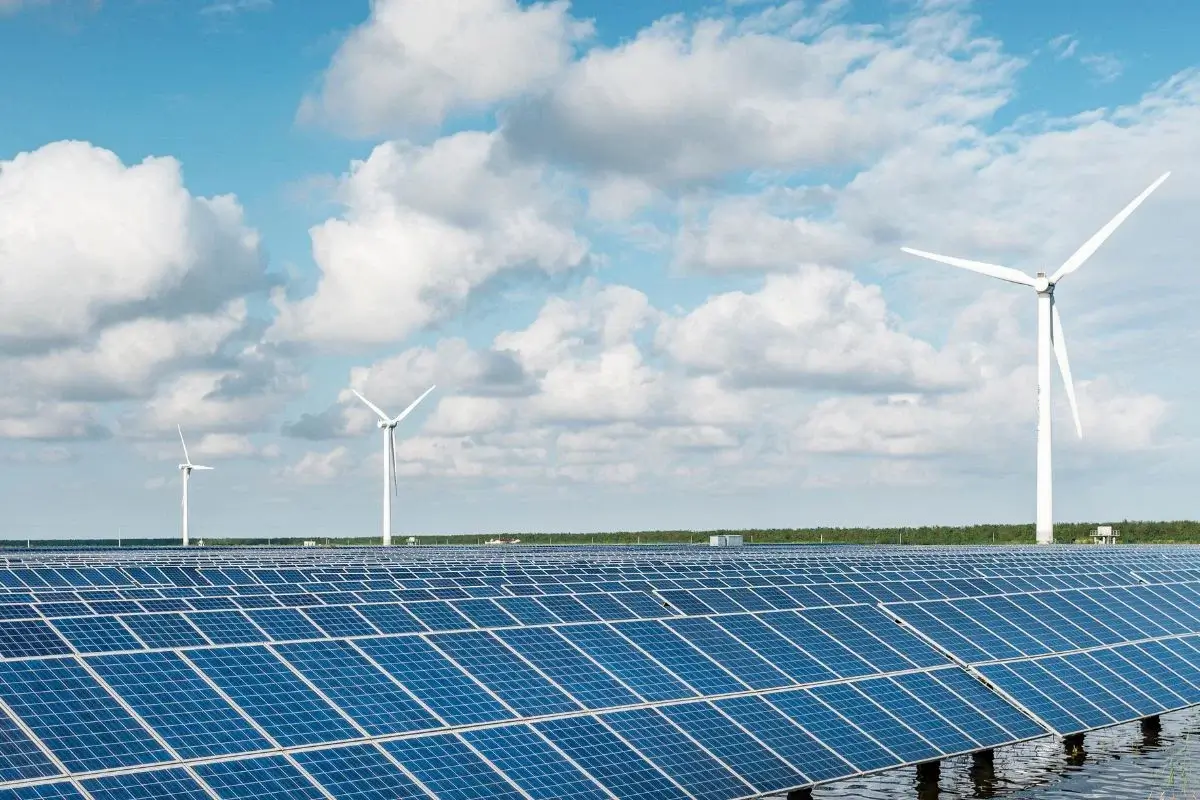
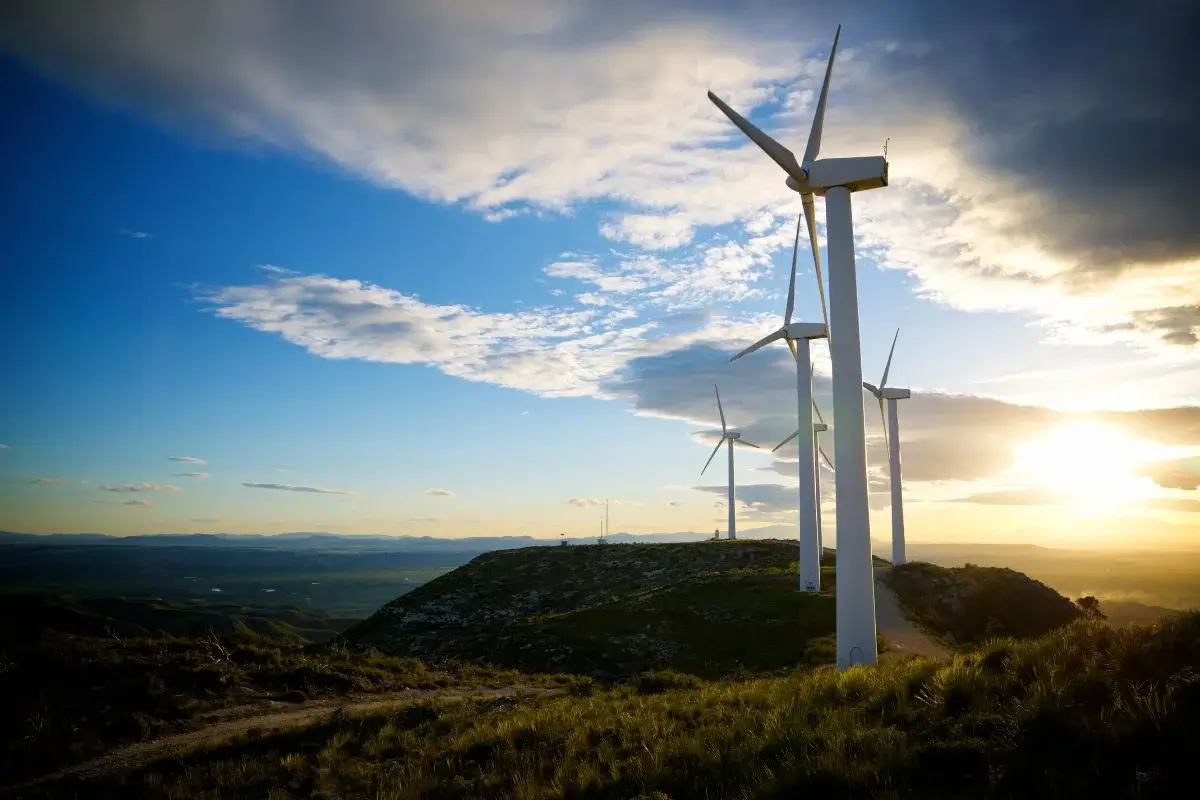
Beyond prediction and planning, AI also supports community-level adaptation. It can assist in designing local solutions, such as mapping areas most vulnerable to sea-level rise or identifying regions where renewable energy infrastructure would be most effective. These applications make climate data more accessible and actionable, empowering governments, organizations, and individuals to make decisions rooted in evidence and sustainability.
However, the growing use of AI in climate science comes with ethical and technical challenges. Issues such as data privacy, algorithmic bias, and unequal access to technology can deepen existing inequalities if not carefully managed. There is also the risk of over-reliance on AI without ensuring transparency or human oversight. To fully harness AI’s potential, it is essential to develop ethical frameworks and inclusive practices that prioritize fairness, accountability, and collaboration.
How can AI tools help communities adapt to a changing climate? What ethical or technical challenges arise in using AI for this purpose? How is AI improving the accuracy of predictions and informing global climate policies? How can innovation in AI be guided to ensure that technology benefits all people and supports a truly sustainable and equitable future?
Use the online submission form when sending your articles to help us track all of your submissions. Please try to write about the above topic. Your response should be at least 1,000 words.
To receive credit, your effort is what matters. You should find ways to contribute thoughtful ideas that will help others. Feel free to use personal stories or other information that you want to share, but do not use real names or other identifying information. You may write your response in the space provided or upload your response. Once we review your response, you will receive credit.
Click the button below to submit your article and get your credit.


Membership Email:
Verification Status: