Technology continues to drive innovation in the global effort to combat climate change and create a more sustainable world. From renewable energy and green transportation to smart agriculture and carbon capture, these advancements are helping to reduce emissions and build resilience for future generations. Each new development brings us closer to a greener, cleaner, and more efficient planet.
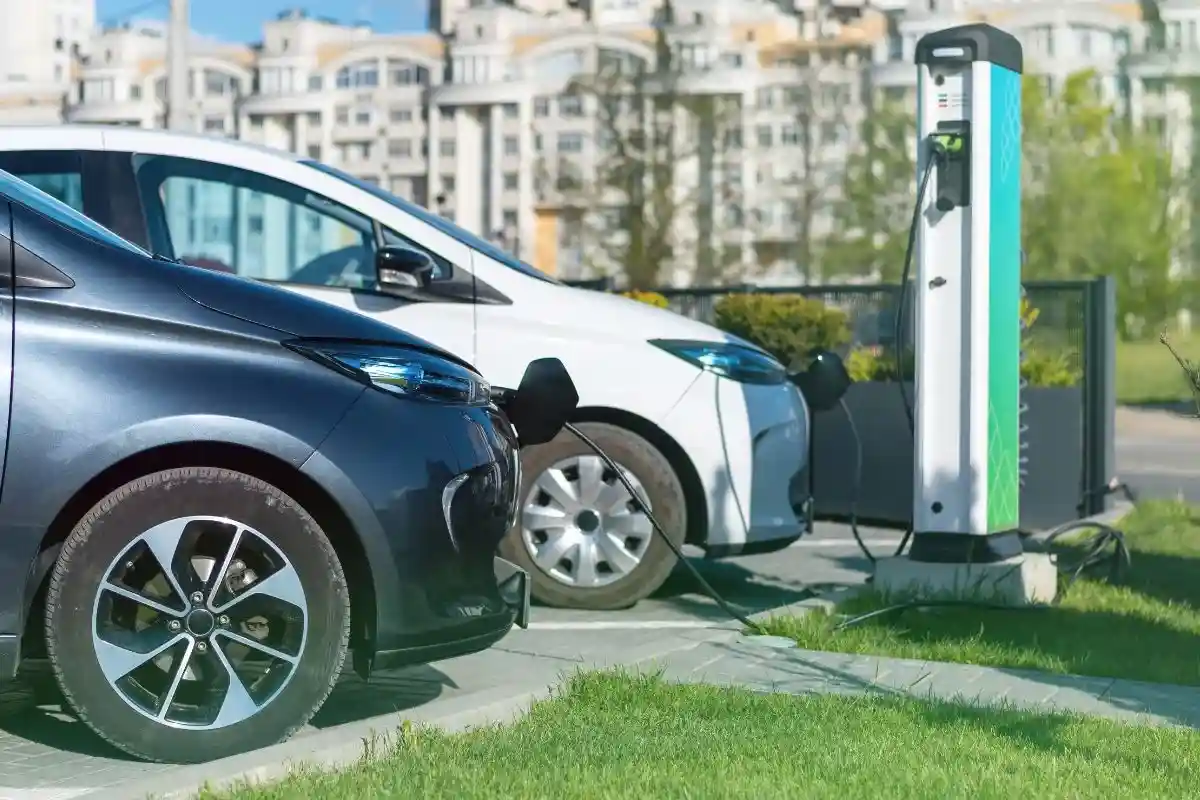
Renewable energy technologies such as solar, wind, and hydro power are becoming more reliable and affordable, allowing more communities to access clean energy. Carbon capture and storage methods are being developed to trap greenhouse gases before they enter the atmosphere, while electric vehicles are transforming transportation by cutting reliance on fossil fuels. Smart grids, sustainable farming practices, and waste-to-energy systems are also key contributors to a low-carbon future.
However, the success of these technologies depends on widespread adoption, innovation, and collaboration. Governments must support clean technology through policies and incentives, while industries can invest in research and development to improve efficiency. Individuals also play a role by supporting sustainable products and clean energy initiatives in their own communities.
Technology alone cannot solve climate change, but it provides powerful tools to help mitigate its effects and shape a sustainable path forward. With the right investments and global cooperation, these innovations can transform how we produce, consume, and live.
Which climate technologies do you think have the greatest potential to create lasting change? How can innovation be expanded beyond wealthy regions so that all communities can benefit? What role can education and collaboration play in helping society adapt to and embrace these advancements?
Use the online submission form when sending your articles to help us track all of your submissions. Please try to write about the above topic. Your response should be at least 1,000 words.
To receive credit, your effort is what matters. You should find ways to contribute thoughtful ideas that will help others. Feel free to use personal stories or other information that you want to share, but do not use real names or other identifying information. You may write your response in the space provided or upload your response. Once we review your response, you will receive credit.
Click the button below to submit your article and get your credit.


Membership Email:
Verification Status: