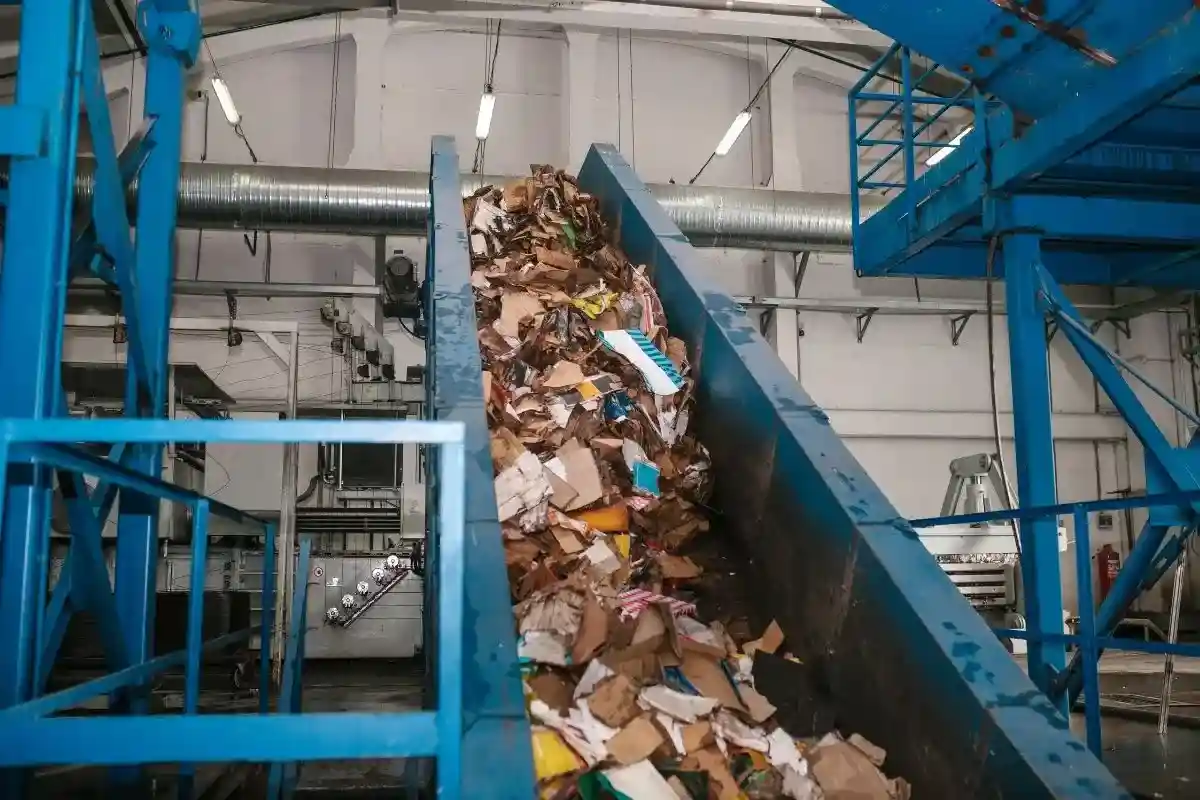
Technology is transforming how we think about recycling by turning waste into valuable materials that can be reused. Advanced tools and machines now allow us to sort, clean, and repurpose items more efficiently than ever before. Instead of ending up in landfills, materials like plastic, glass, and metal can be recovered and given new life in products such as clothing, furniture, or building materials. These innovations not only help reduce pollution but also conserve natural resources and energy.
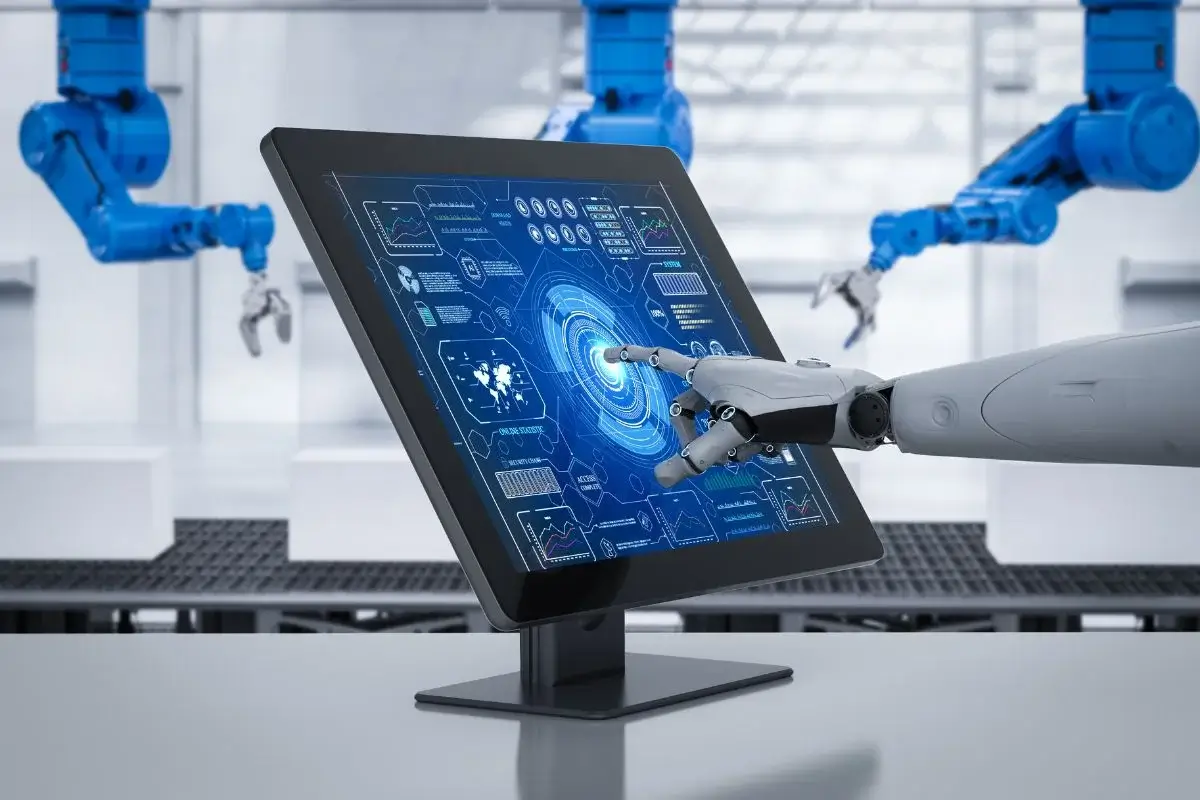
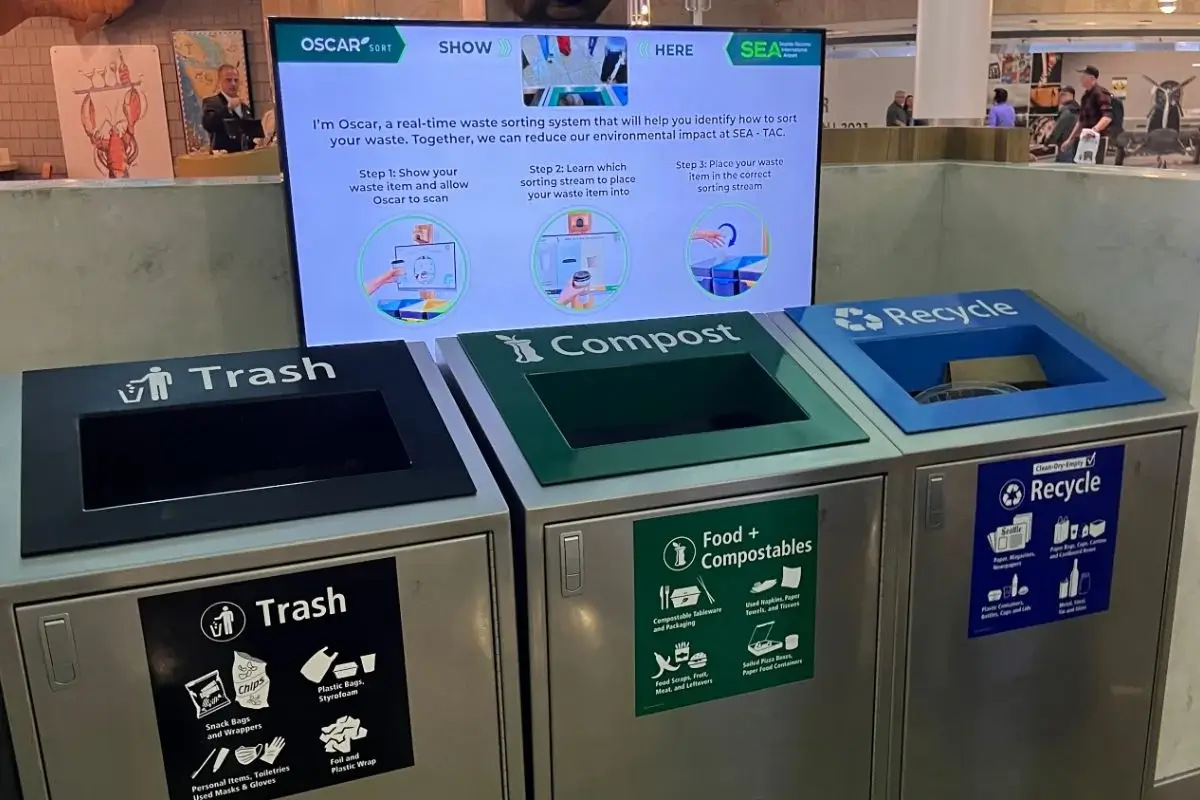
One of the most impressive developments in recycling is automated sorting. Modern systems use sensors, cameras, and artificial intelligence to identify and separate materials at high speeds. This makes recycling more efficient and less costly while improving the quality of the recovered materials. Other innovations include upcycling, where waste is transformed into higher-quality products, and chemical recycling, which breaks down plastics into their basic components so they can be reused again and again.
By combining technology with strong community participation, recycling systems can become more effective and widespread. Governments, businesses, and individuals all play a role in adopting these innovations and supporting a circular economy where waste is seen as a resource rather than a burden.
What are some of the most exciting advancements in recycling technology? How can these tools reduce landfill waste and improve recycling rates? What steps can individuals, businesses, and governments take to support and expand these innovations? How can technology make recycling more efficient, accessible, and sustainable for communities around the world?
Use the online submission form when sending your articles to help us track all of your submissions. Please try to write about the above topic. Your response should be at least 1,000 words.
To receive credit, your effort is what matters. You should find ways to contribute thoughtful ideas that will help others. Feel free to use personal stories or other information that you want to share, but do not use real names or other identifying information. You may write your response in the space provided or upload your response. Once we review your response, you will receive credit.
Click the button below to submit your article and get your credit.


Membership Email:
Verification Status: