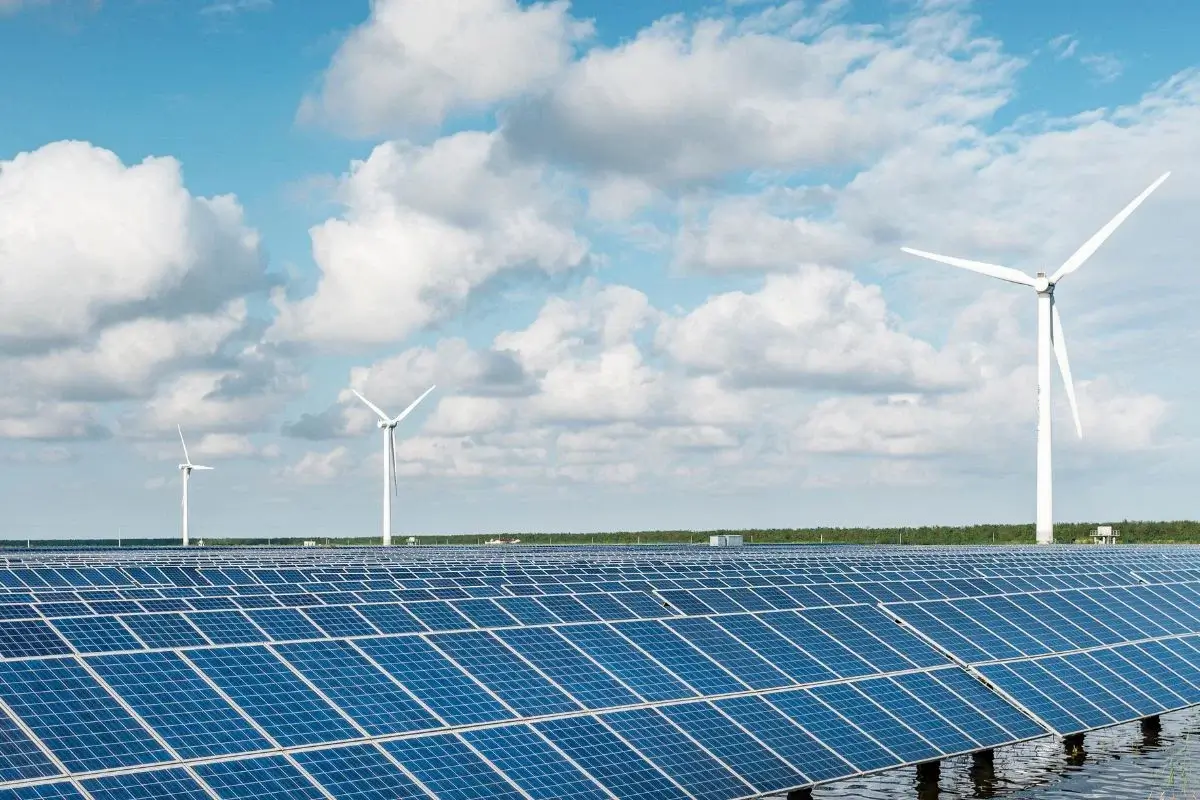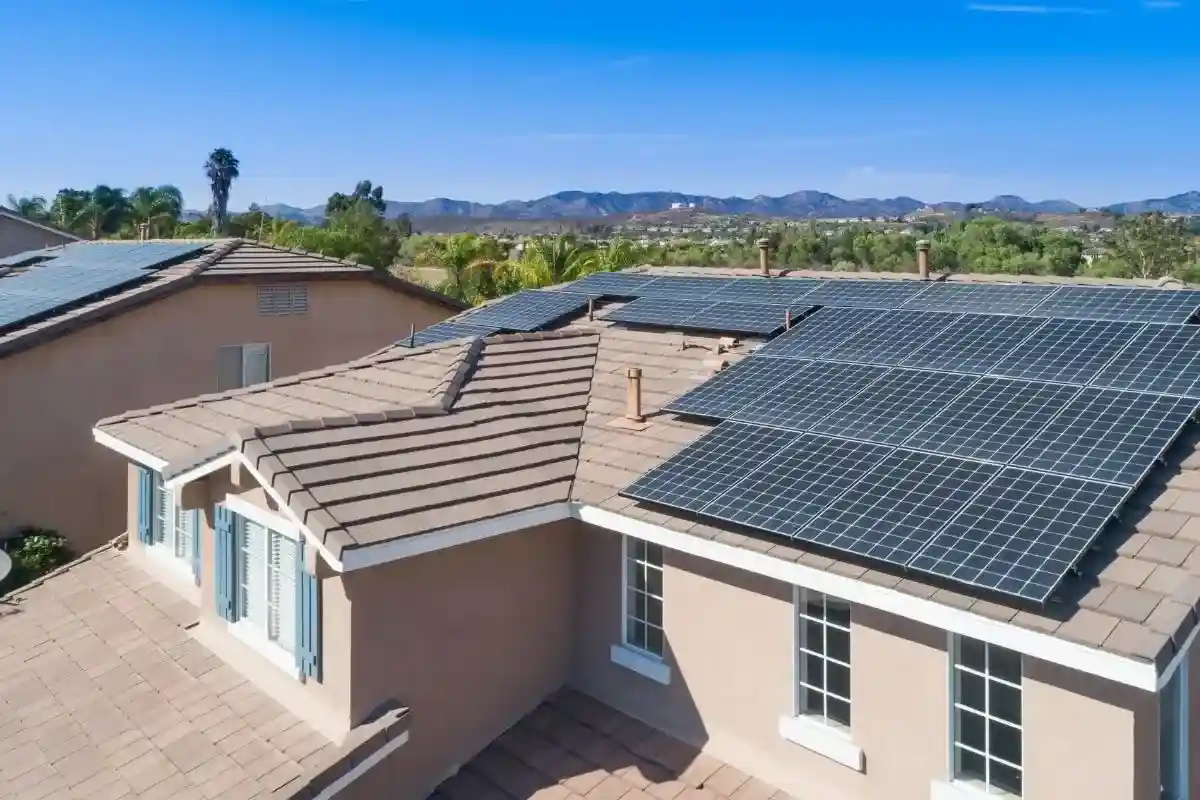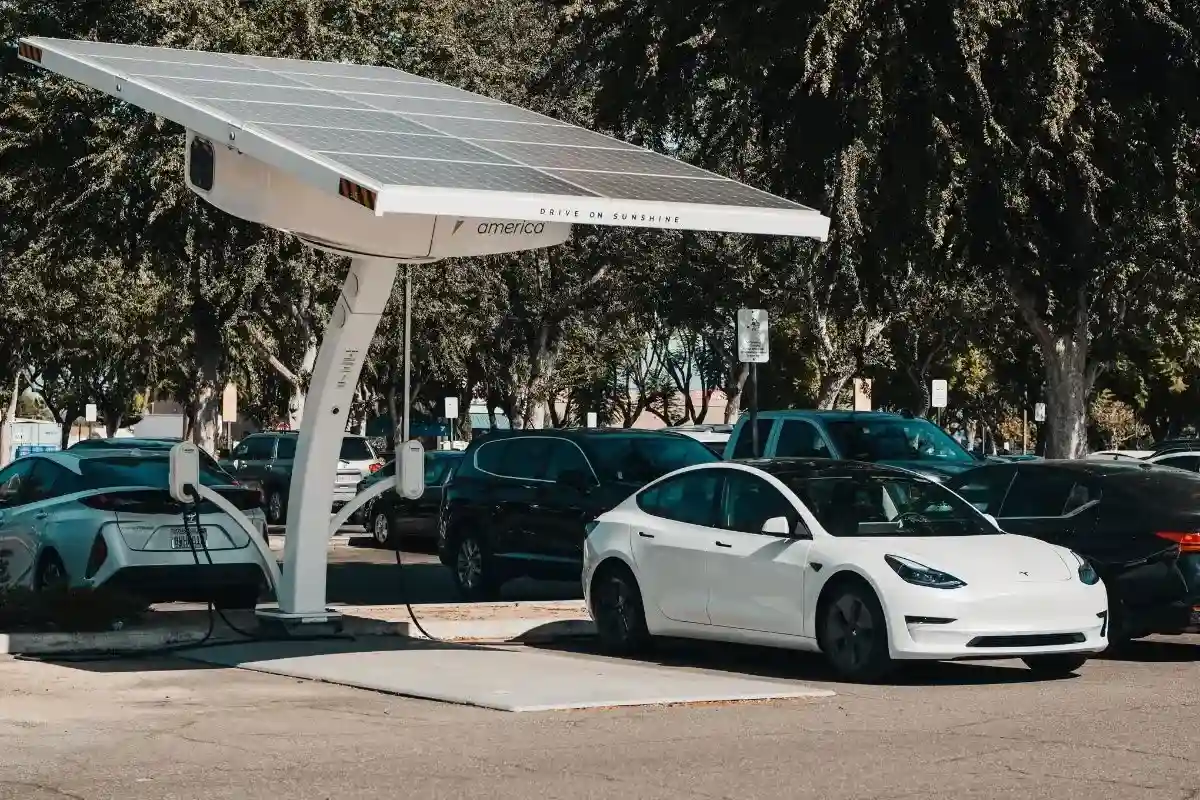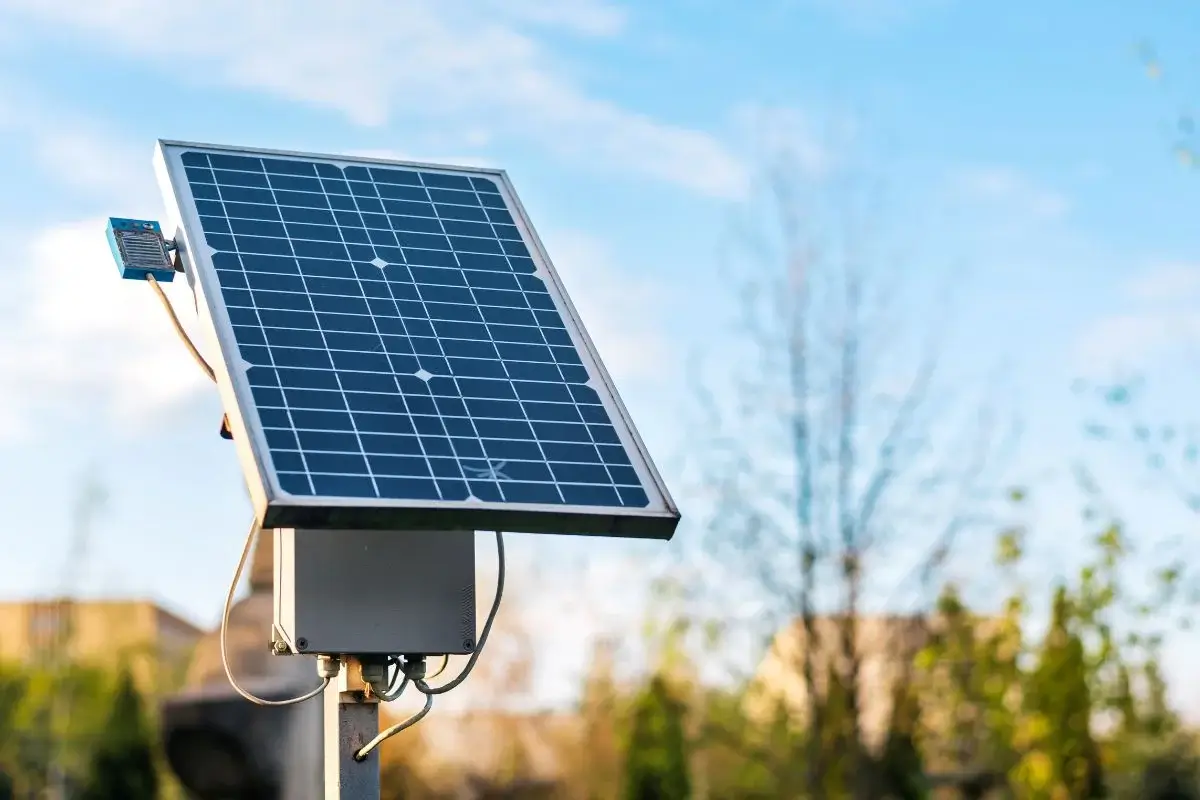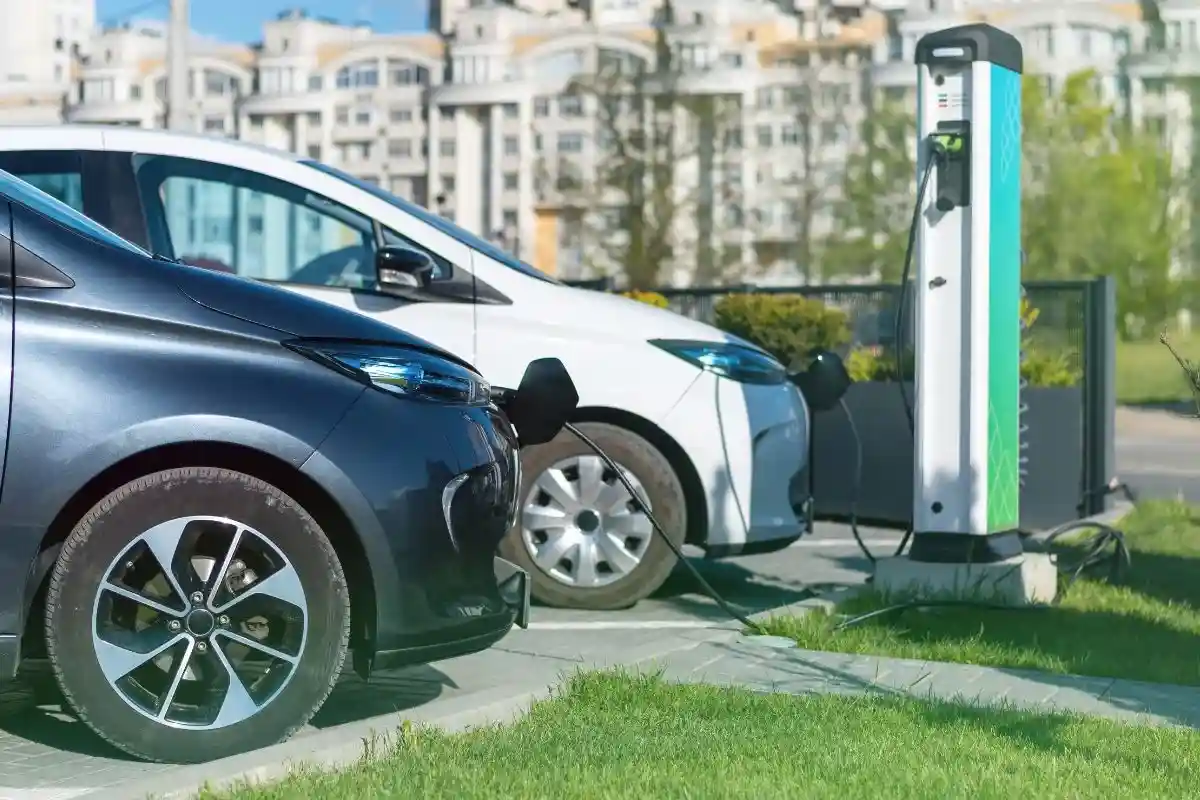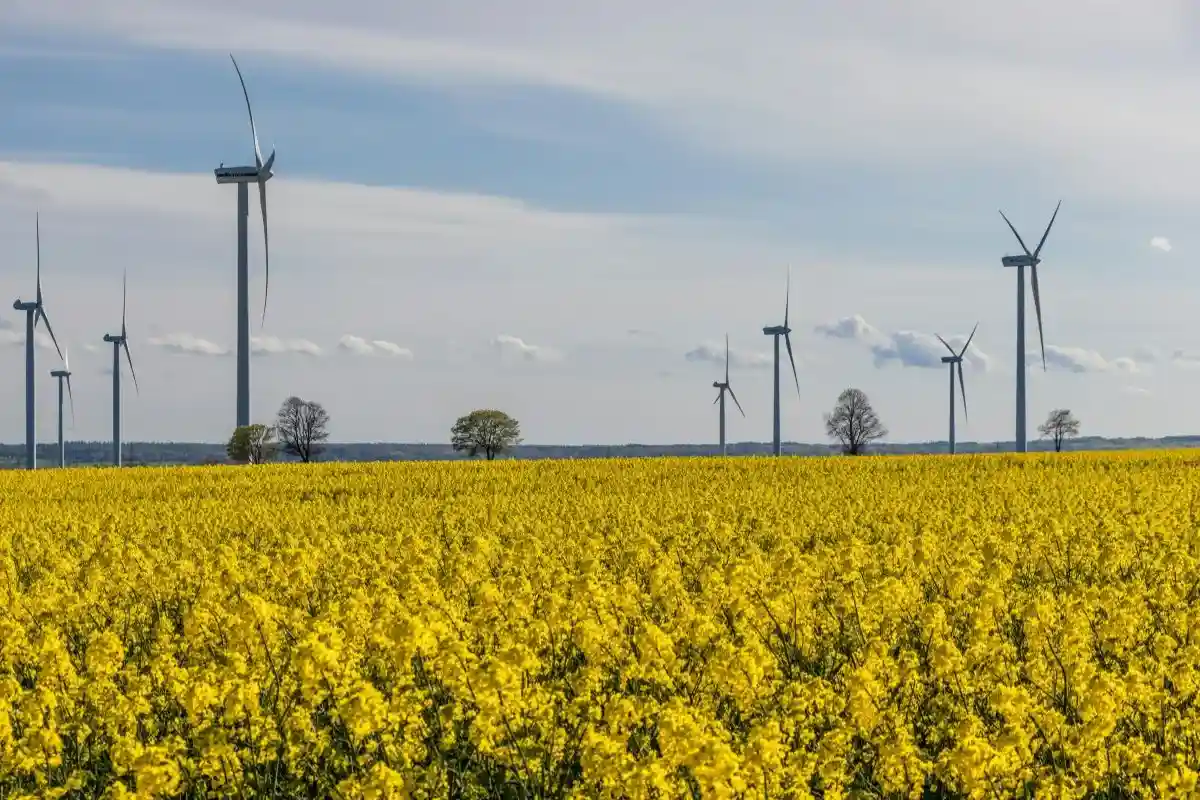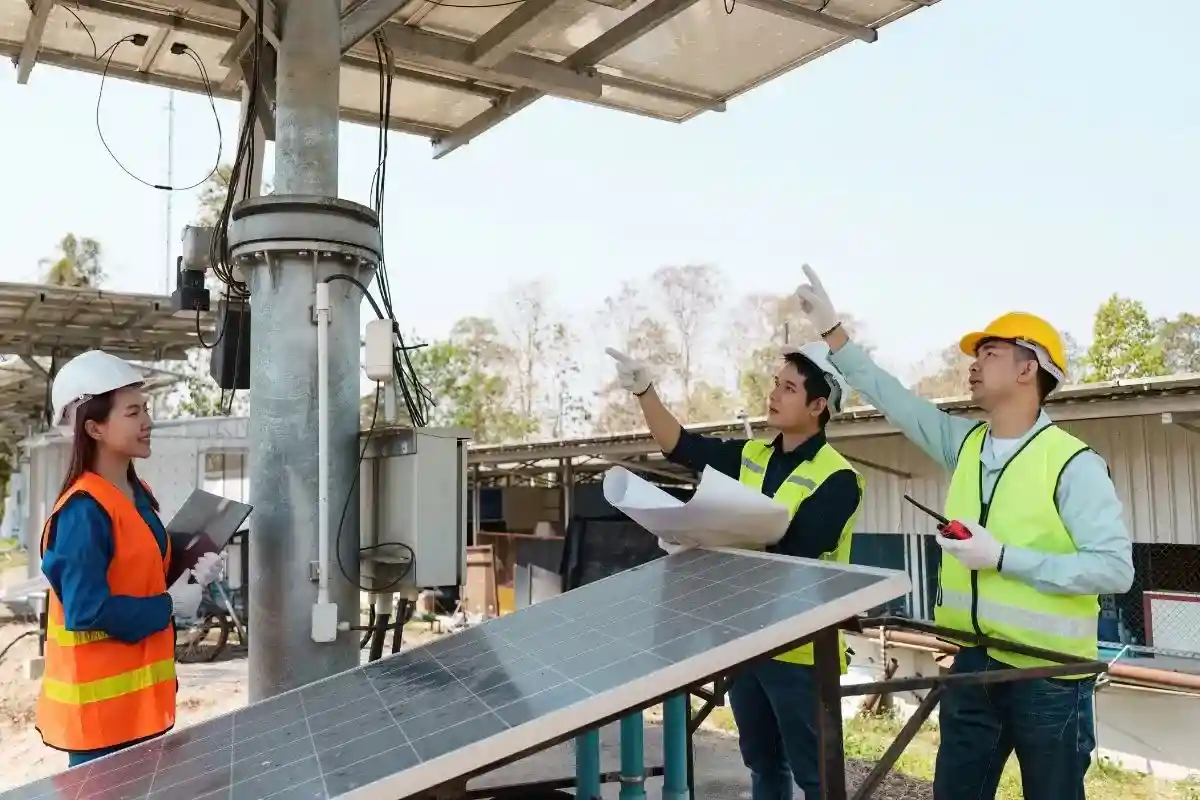
Green construction technologies are transforming the way we design and build, focusing on reducing environmental harm while improving efficiency and comfort. This approach integrates sustainability into every stage of construction, from material sourcing to energy use. Instead of relying on traditional, resource-intensive methods, green construction embraces innovation to create buildings that are not only functional but also environmentally responsible. It’s about designing spaces that work in harmony with nature by using renewable materials, improving insulation, and generating clean energy on-site.
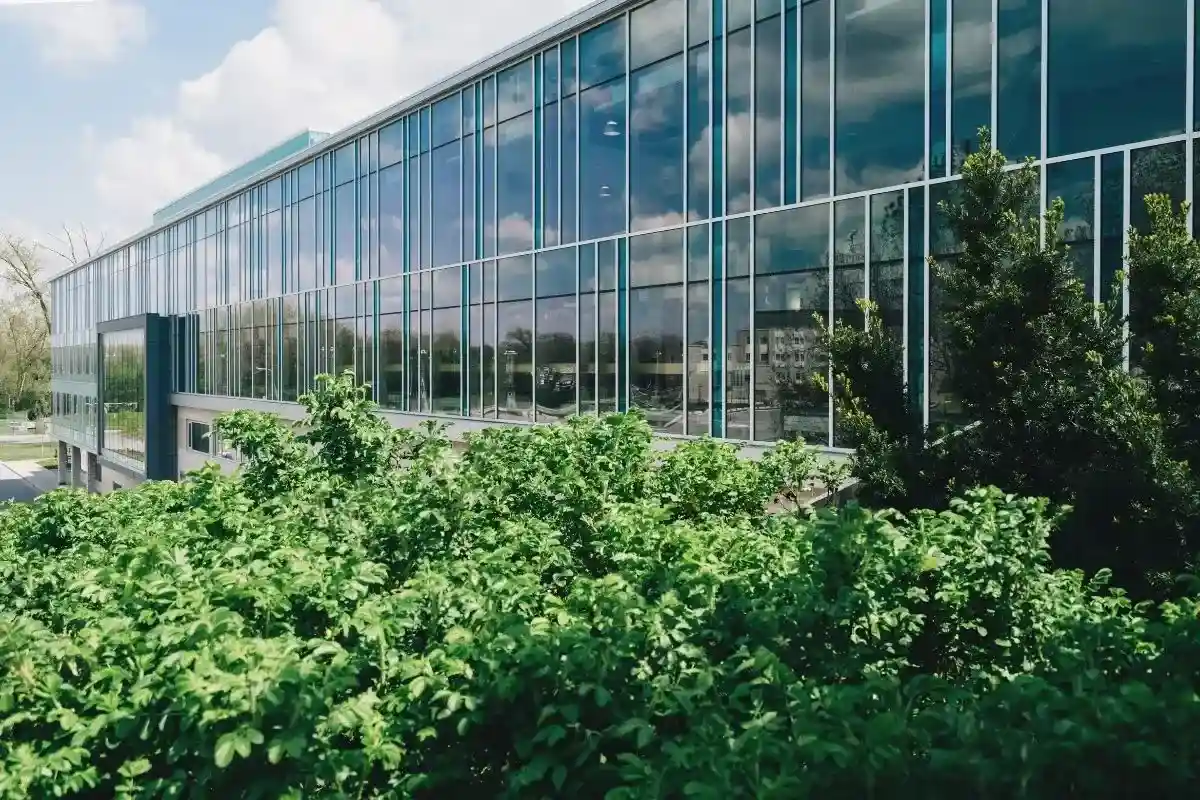
One of the most promising advancements in this field is the development of carbon-neutral and low-carbon materials. For instance, carbon-neutral concrete captures as much carbon dioxide as it releases, significantly lowering emissions associated with one of the world’s most used building materials. Similarly, 3D-printed homes allow builders to construct durable, affordable housing with minimal waste and reduced labor time. Green roofs, smart glass windows, and energy-efficient heating systems are also helping buildings conserve resources and lower long-term costs.
However, despite the benefits, the shift toward green construction comes with challenges. High upfront costs, limited access to sustainable materials, and the need for specialized knowledge can slow adoption. Governments and organizations play a vital role in overcoming these barriers by offering incentives, subsidies, and training programs that make sustainable construction more accessible. Collaboration between policymakers, architects, engineers, and developers is essential to make eco-friendly building the new standard rather than the exception.
How are emerging technologies like carbon-neutral concrete and 3D-printed homes reshaping the construction industry? What are the main environmental and economic benefits of adopting green construction methods, and what challenges must be addressed? How can governments, businesses, and communities work together to promote sustainable building practices and create a future where all development supports the health of people and the planet?
Use the online submission form when sending your articles to help us track all of your submissions. Please try to write about the above topic. Your response should be at least 1,000 words.
To receive credit, your effort is what matters. You should find ways to contribute thoughtful ideas that will help others. Feel free to use personal stories or other information that you want to share, but do not use real names or other identifying information. You may write your response in the space provided or upload your response. Once we review your response, you will receive credit.
Click the button below to submit your article and get your credit.


Membership Email:
Verification Status: