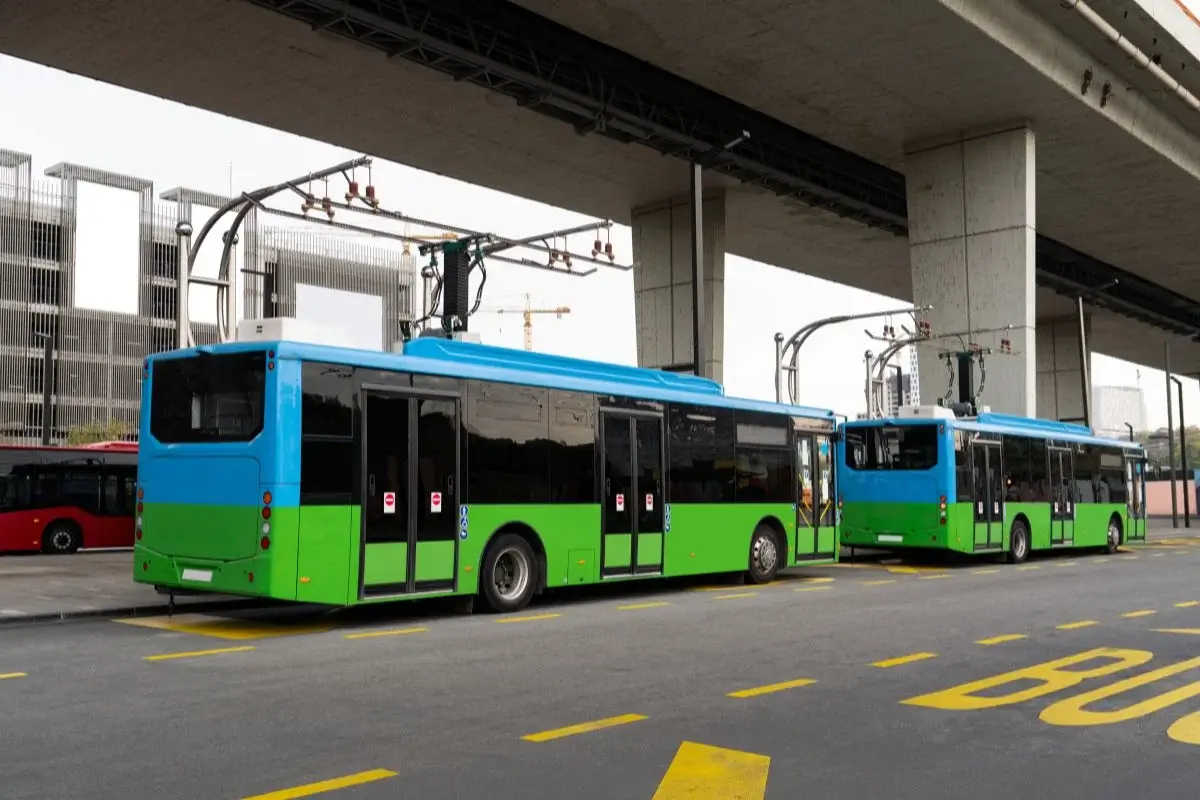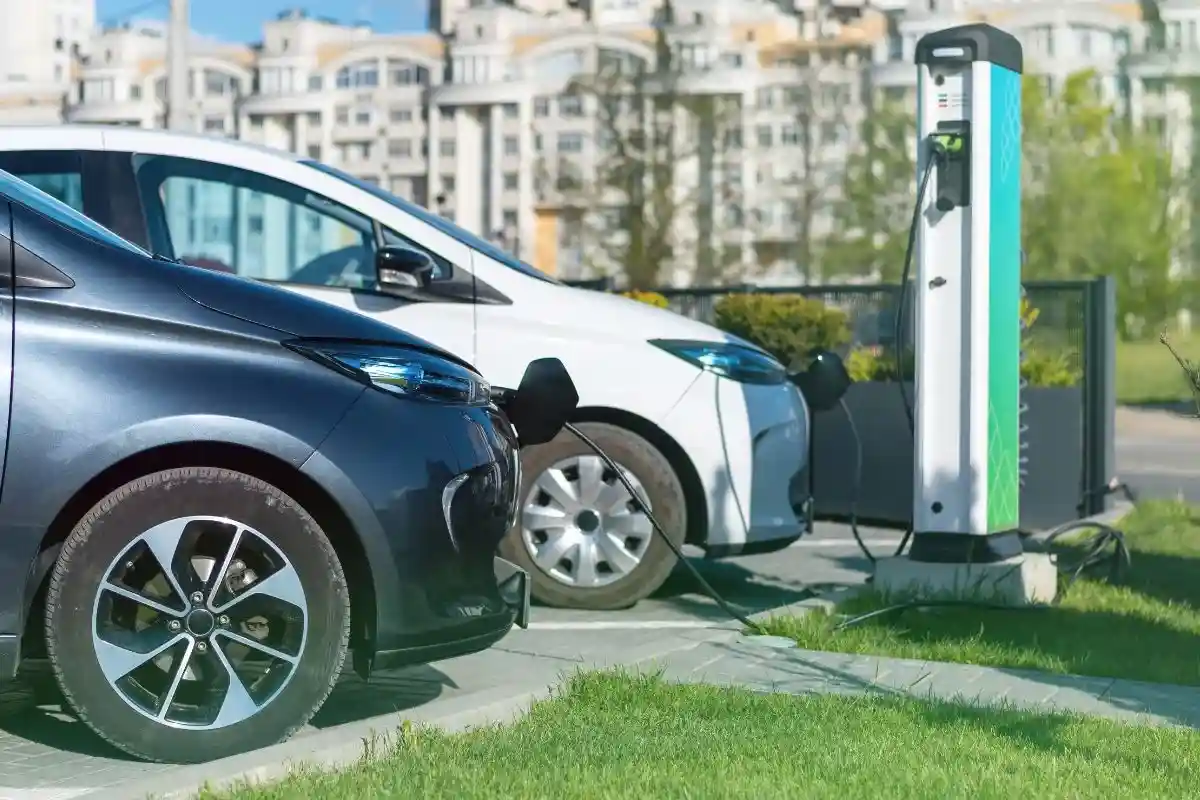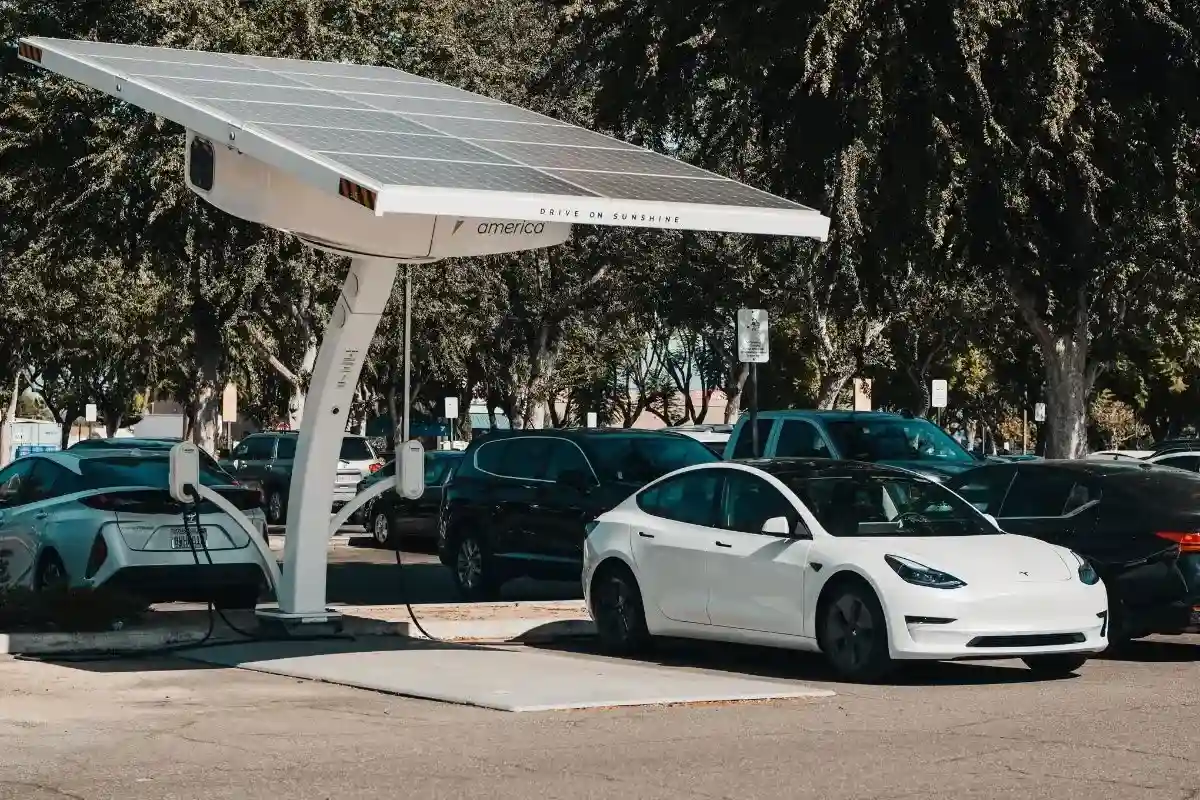
Electric vehicles are transforming the future of transportation by offering a cleaner and more sustainable way to travel. Instead of relying on gasoline, these vehicles run on electricity, which greatly reduces air pollution and greenhouse gas emissions. They are also quieter, require less maintenance, and can be more affordable to operate since electricity often costs less than fuel. Major car manufacturers are expanding their electric models, and many governments are offering tax credits or rebates to make owning an electric car more accessible.
However, there are still challenges to overcome before electric vehicles become the global standard. Charging stations are not yet available everywhere, making long trips more difficult in some regions. Many people also worry about how far an electric car can travel before it needs to recharge. The production and recycling of batteries raise environmental and ethical questions, although improvements in technology and materials are helping to make them cleaner and more efficient. Expanding infrastructure and increasing public awareness will be key to making electric transportation available to everyone.
As technology advances, electric vehicles have the potential to change the way we live and move. Cities could become quieter and less polluted, and reliance on fossil fuels could decline significantly. With the right investments, education, and innovation, electric vehicles can lead us toward a more sustainable and connected world.
What are the biggest benefits of driving an electric vehicle, and what challenges still need to be solved? How could governments and companies encourage more people to switch to electric cars? What improvements in charging networks, pricing, or technology would make EVs more appealing? How do you picture the future of transportation once electric vehicles become common on roads around the world?
Use the online submission form when sending your articles to help us track all of your submissions. Please try to write about the above topic. Your response should be at least 1,000 words.
To receive credit, your effort is what matters. You should find ways to contribute thoughtful ideas that will help others. Feel free to use personal stories or other information that you want to share, but do not use real names or other identifying information. You may write your response in the space provided or upload your response. Once we review your response, you will receive credit.
Click the button below to submit your article and get your credit.


Membership Email:
Verification Status: