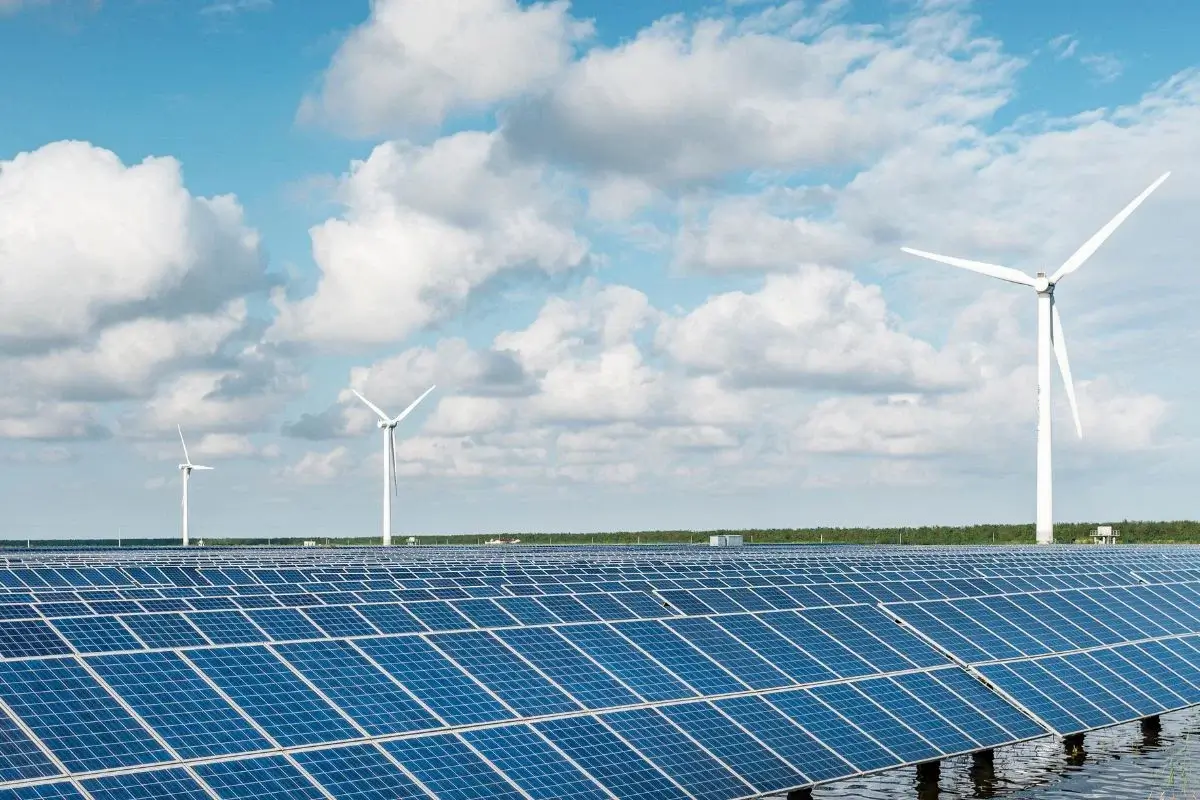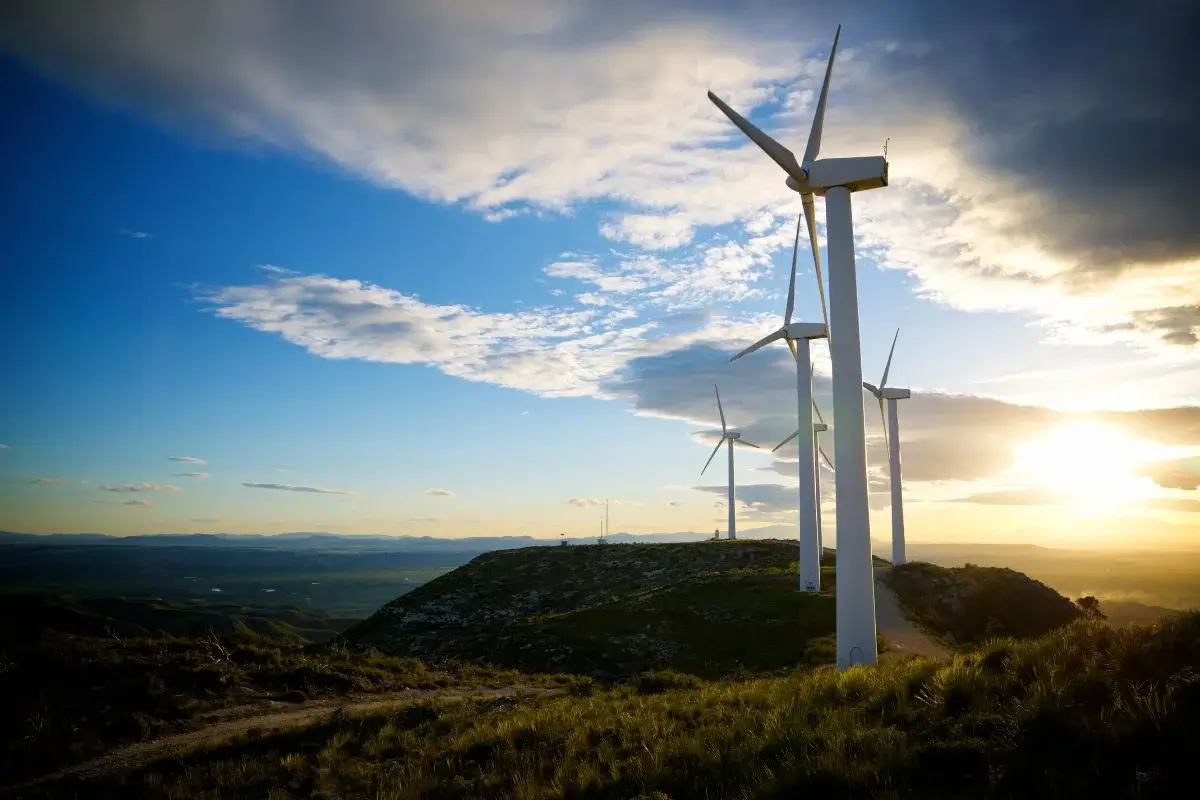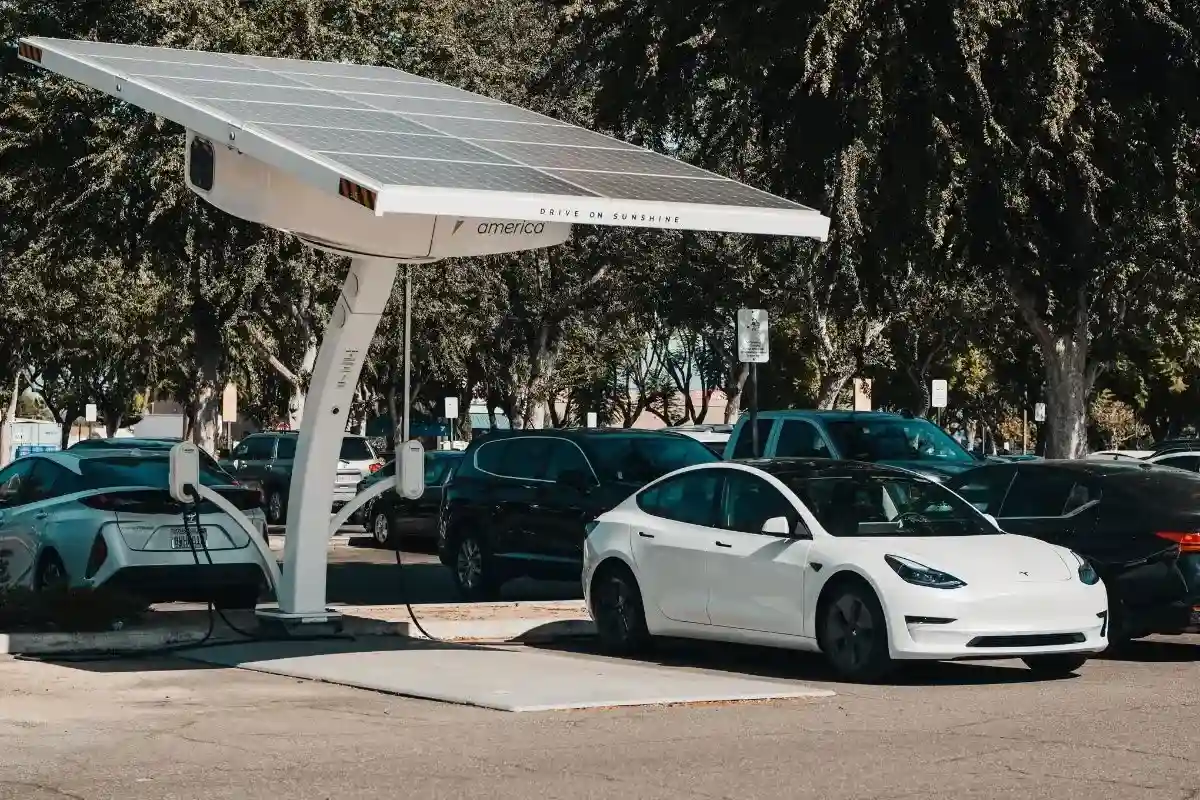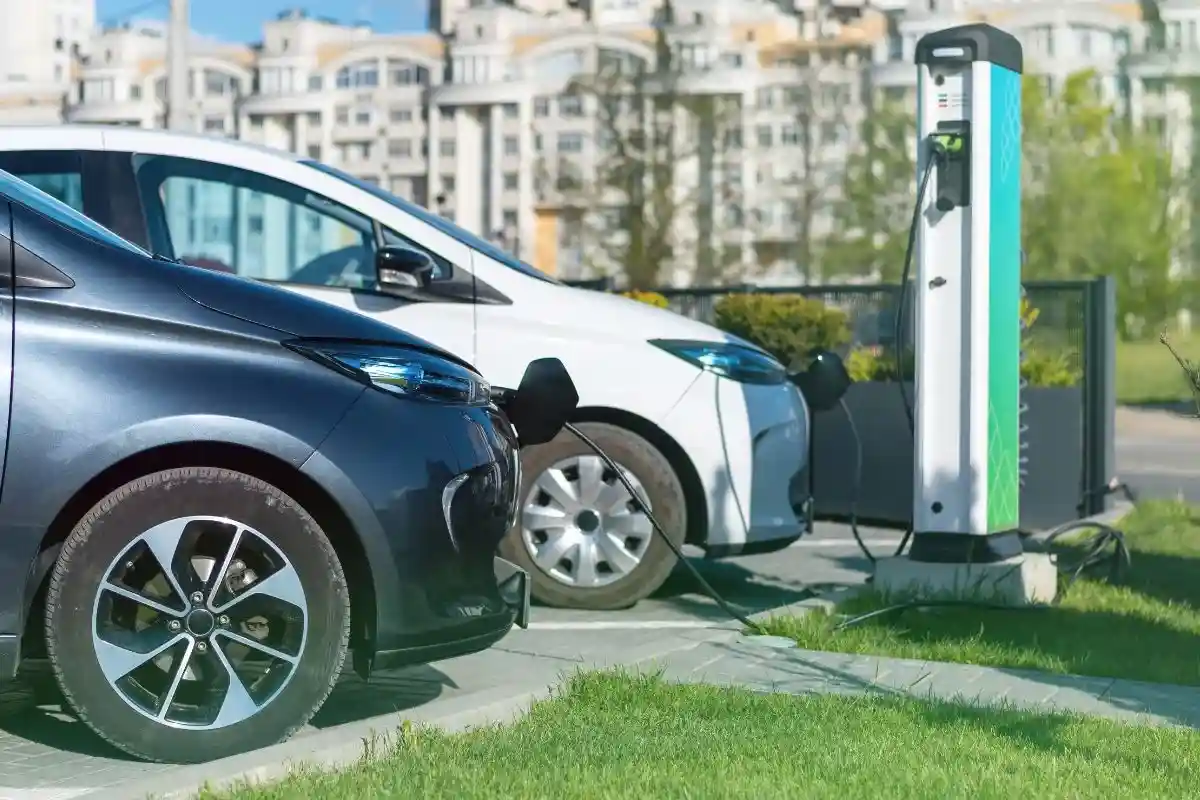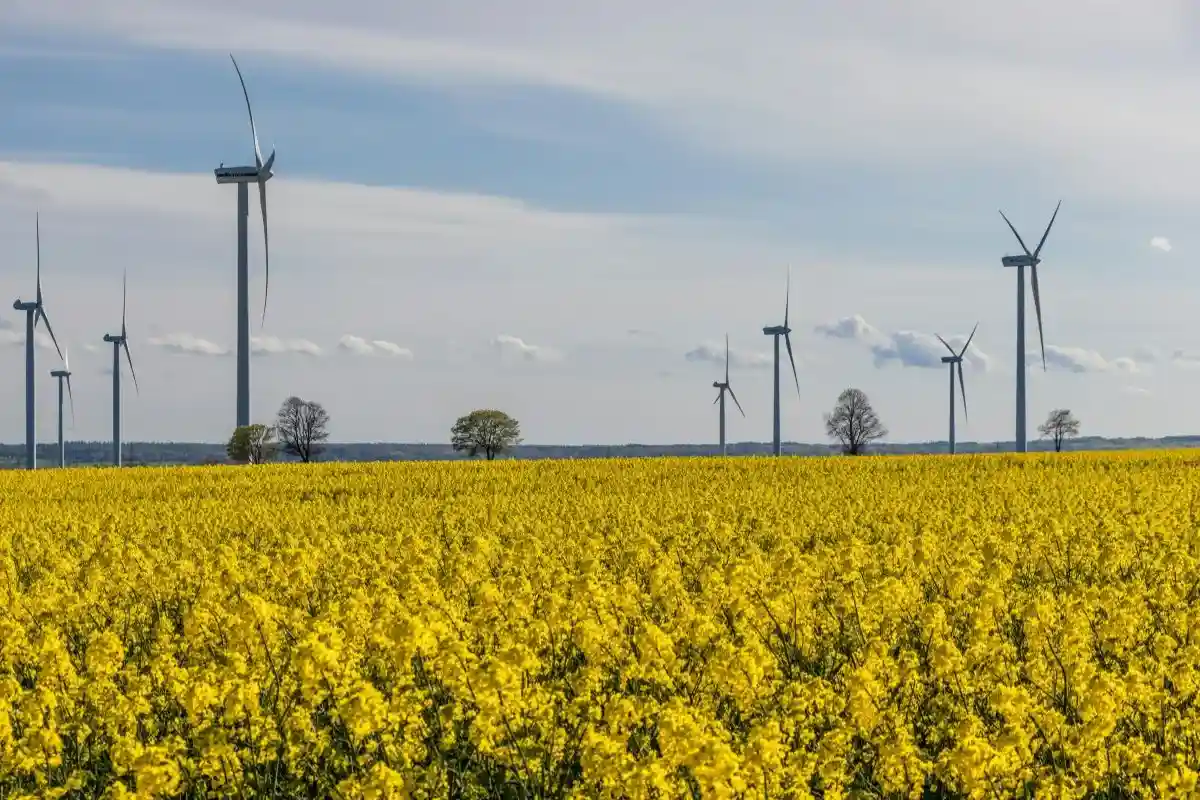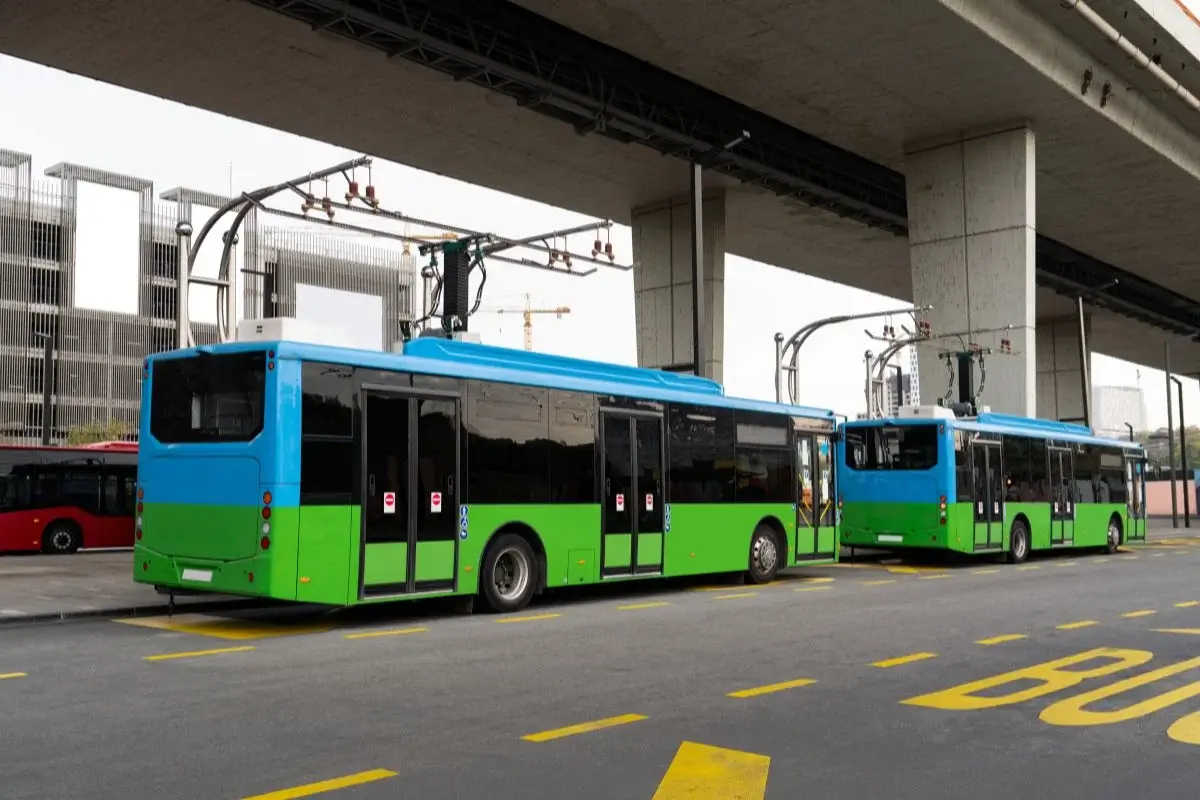
Electric transportation is transforming how we move while offering a pathway toward a cleaner and greener future. As one of the largest contributors to global carbon emissions, the transportation sector plays a critical role in addressing climate change. Electric vehicles, electric buses, trains, and other low-emission transportation systems are helping reduce air pollution, decrease dependence on fossil fuels, and improve public health. Transitioning to these cleaner options can significantly lower greenhouse gas emissions while creating new opportunities for innovation, jobs, and sustainable urban development.
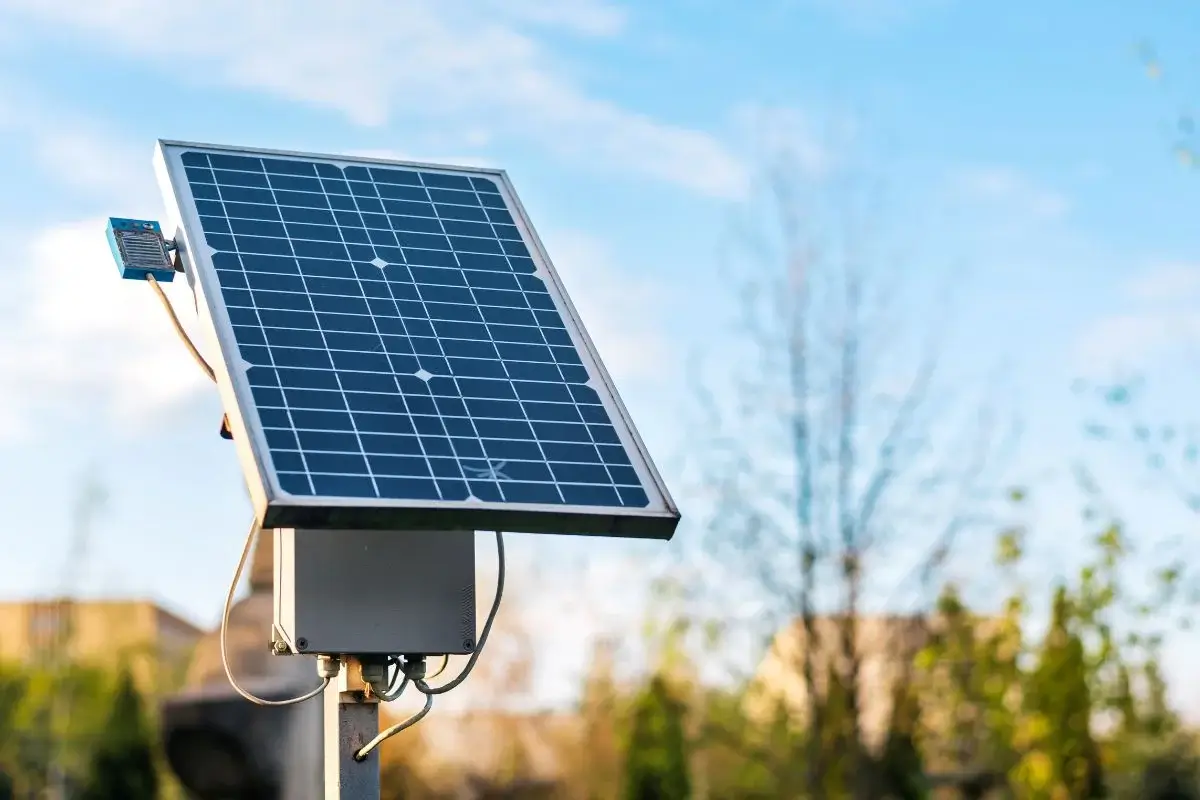
Communities around the world are adopting a wide range of electric transportation solutions. From cities expanding electric bus fleets to countries building networks of charging stations, these initiatives are paving the way for more sustainable mobility. Shared electric bikes and scooters also make short-distance travel more convenient and eco-friendly. However, widespread adoption of electric transportation requires addressing challenges such as high vehicle costs, limited charging infrastructure, and the need for renewable energy sources to power these systems.
Public policy plays a key role in accelerating this transition. Governments can encourage the shift through tax incentives, rebates, and investments in clean energy infrastructure. Partnerships between public and private sectors can further expand electric mobility options, while education campaigns help raise awareness about the benefits of electric transportation. On an individual level, people can contribute by choosing electric vehicles, using public transit, carpooling, or walking and biking when possible.
How can electric transportation solutions reduce the environmental impact of travel? What challenges stand in the way of widespread adoption, and how can they be overcome? What policies, incentives, or technological advancements could help make electric transportation more accessible? How can individuals, communities, and governments work together to create a cleaner and more sustainable future through electric mobility?
Use the online submission form when sending your articles to help us track all of your submissions. Please try to write about the above topic. Your response should be at least 1,000 words.
To receive credit, your effort is what matters. You should find ways to contribute thoughtful ideas that will help others. Feel free to use personal stories or other information that you want to share, but do not use real names or other identifying information. You may write your response in the space provided or upload your response. Once we review your response, you will receive credit.
Click the button below to submit your article and get your credit.


Membership Email:
Verification Status: