Blockchain technology is emerging as a powerful tool for advancing climate change mitigation. While originally developed to support cryptocurrencies, blockchain’s potential goes far beyond finance. Its ability to create transparent, secure, and tamper-proof records makes it an ideal system for improving accountability in environmental initiatives. By providing a clear and verifiable way to track carbon credits, monitor emissions, and trace supply chains, blockchain can help ensure that sustainability claims are genuine and effective.
One of the most promising applications of blockchain is in carbon trading. Traditional carbon markets often face problems with transparency, double-counting, and fraud. Blockchain can solve these challenges by creating decentralized records that show exactly where, when, and how carbon offsets are generated and traded. This level of traceability can build trust among participants and encourage companies to reduce their emissions. Similarly, blockchain-based tracking systems can verify the origins of raw materials, allowing consumers to know whether their purchases support ethical and sustainable production.
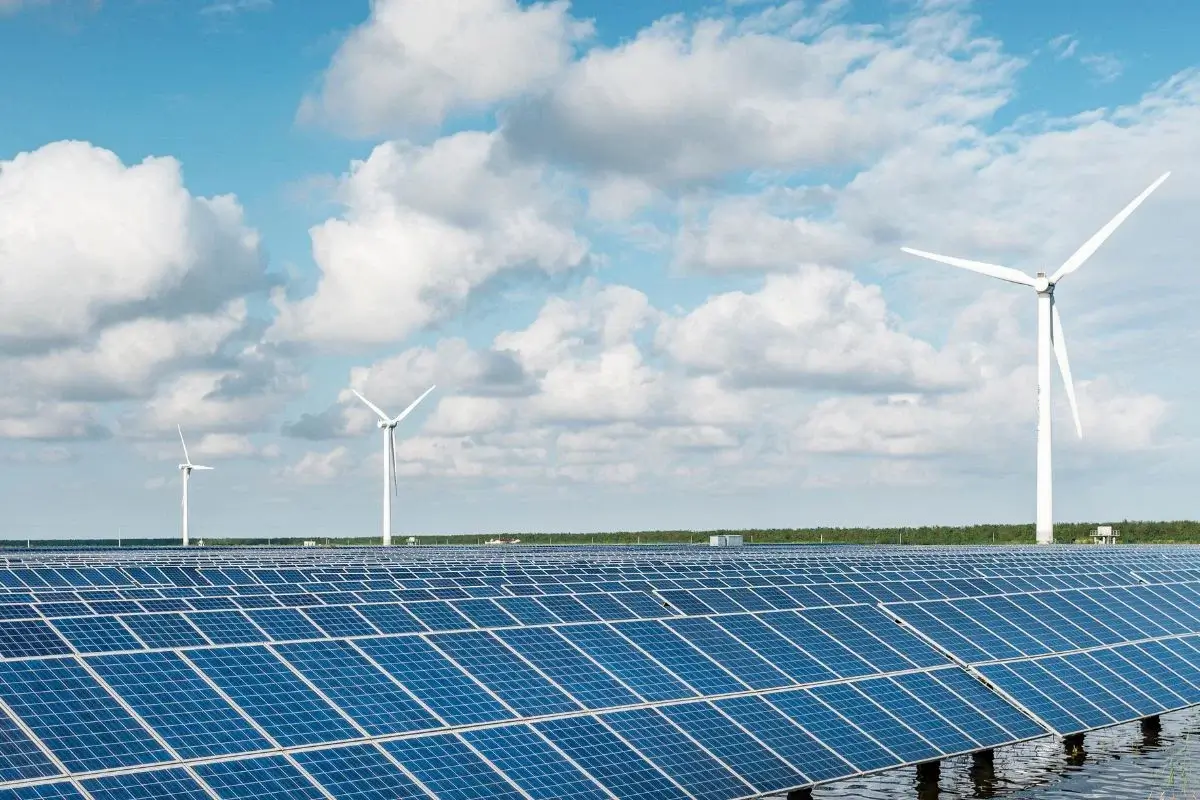
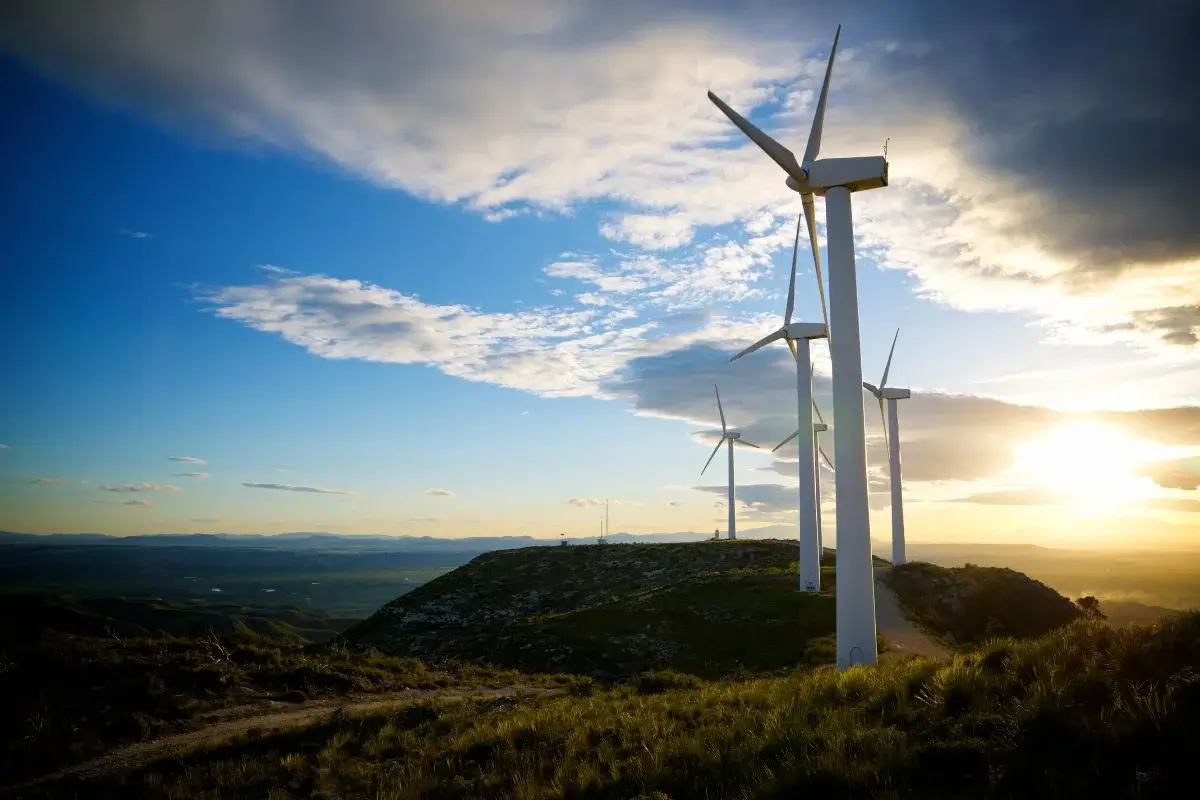
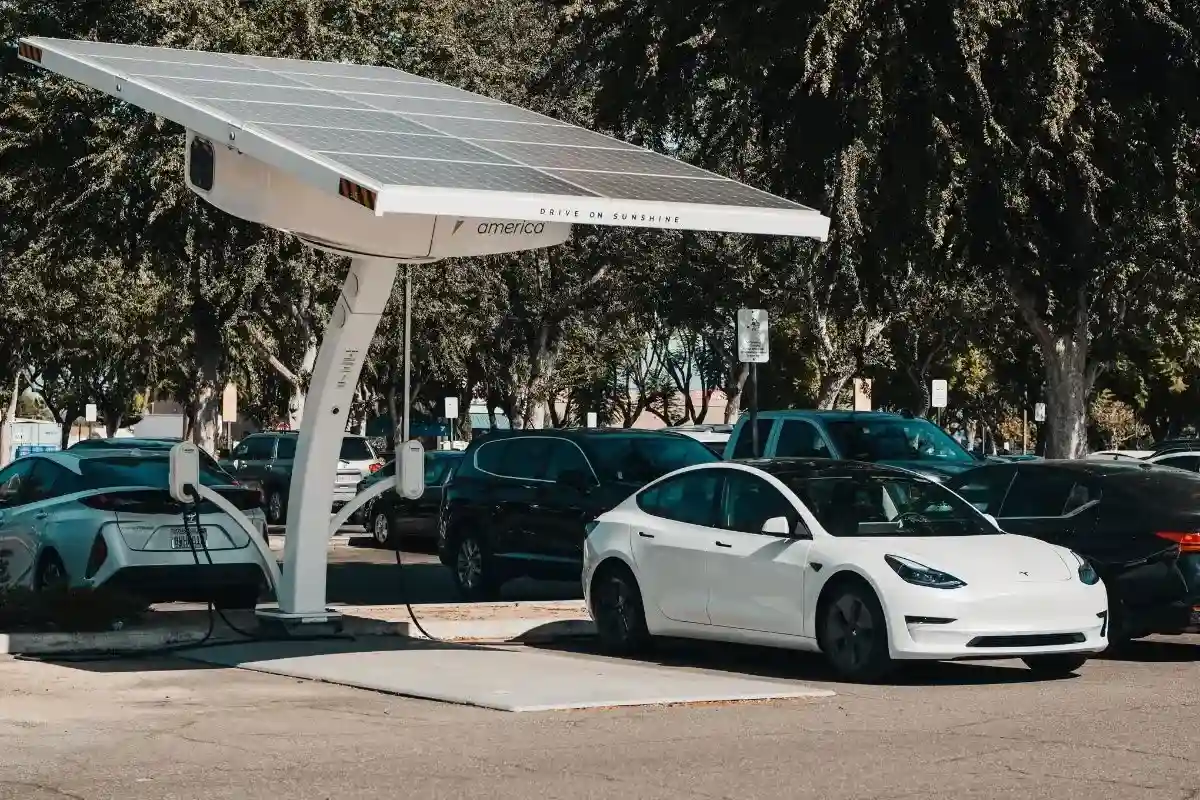
Beyond transparency, blockchain can also empower communities and organizations to take part in climate solutions. It can help manage renewable energy grids by recording how much clean energy is produced, shared, and consumed. In developing regions, blockchain platforms can facilitate funding for local conservation and clean energy projects, ensuring that financial aid reaches its intended recipients. Despite its potential, challenges such as high energy consumption in blockchain networks and limited accessibility in some areas must be addressed to make this technology truly sustainable.
How can blockchain technology improve the accuracy and transparency of carbon trading systems? What new ways can blockchain be used to monitor sustainability efforts and track supply chains responsibly? What are the potential benefits and drawbacks of relying on blockchain to drive climate action? Finally, how might this technology empower individuals, companies, and governments to collaborate more effectively in creating verifiable and lasting environmental solutions?
Use the online submission form when sending your articles to help us track all of your submissions. Please try to write about the above topic. Your response should be at least 1,000 words.
To receive credit, your effort is what matters. You should find ways to contribute thoughtful ideas that will help others. Feel free to use personal stories or other information that you want to share, but do not use real names or other identifying information. You may write your response in the space provided or upload your response. Once we review your response, you will receive credit.
Click the button below to submit your article and get your credit.


Membership Email:
Verification Status: