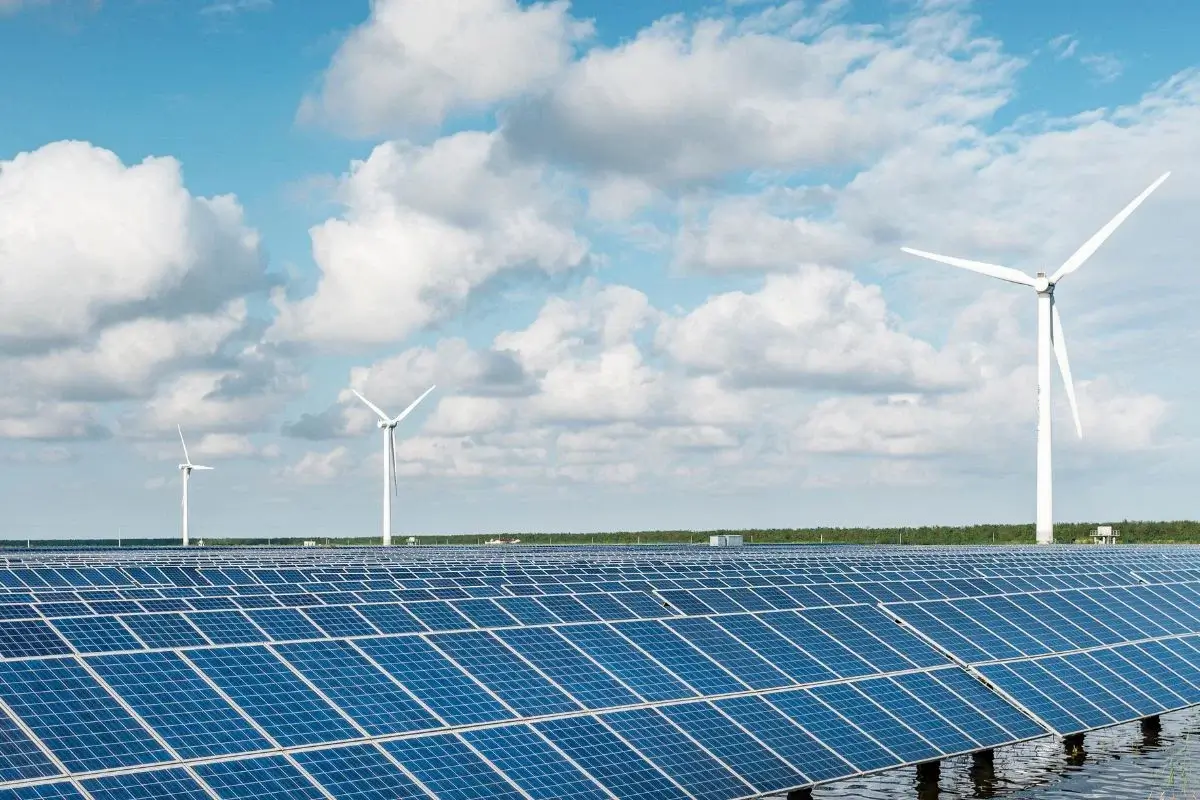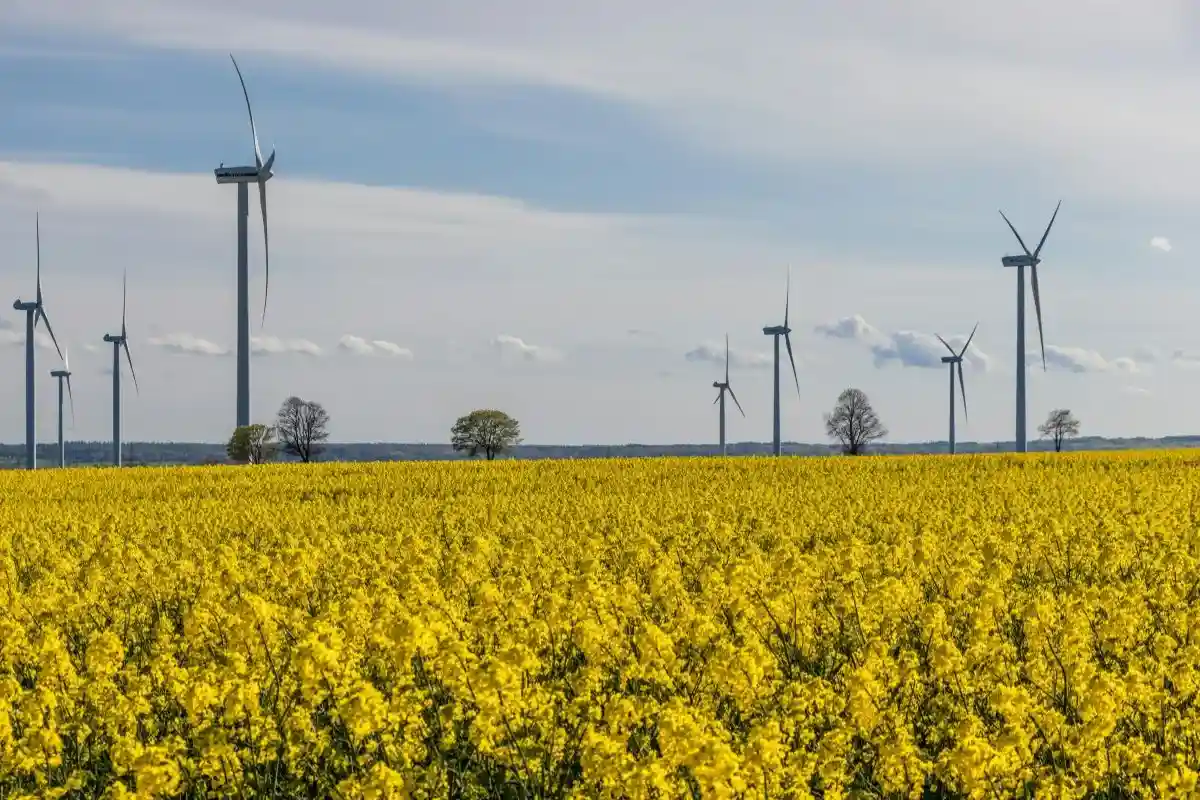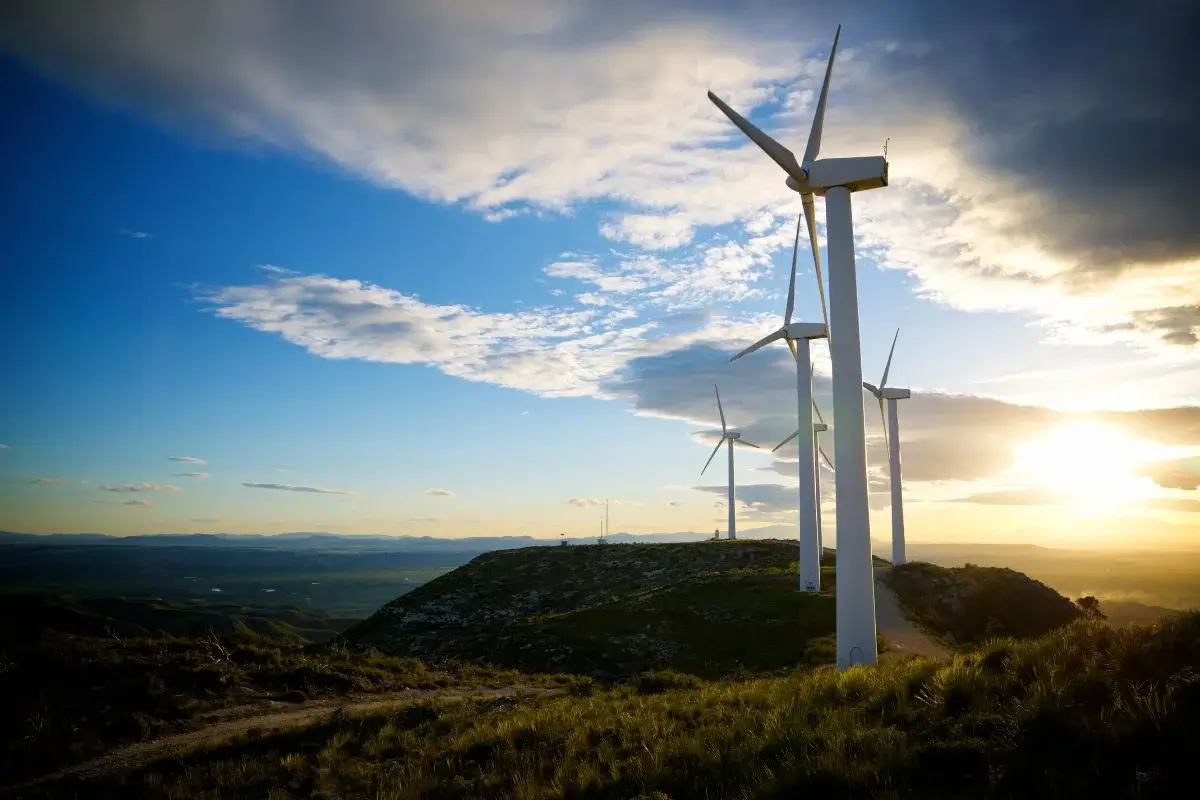
Wind energy has emerged as one of the most promising and scalable solutions for achieving a clean energy future. Advances in turbine design, materials, and engineering have transformed how we harness the power of the wind. Today’s turbines are taller, more aerodynamic, and capable of capturing energy even in low-wind conditions, making them efficient in a wider range of environments. Offshore wind farms are also expanding rapidly, taking advantage of stronger and more consistent ocean winds to generate large amounts of renewable power. These innovations are helping countries meet growing energy demands while reducing greenhouse gas emissions and dependence on fossil fuels.
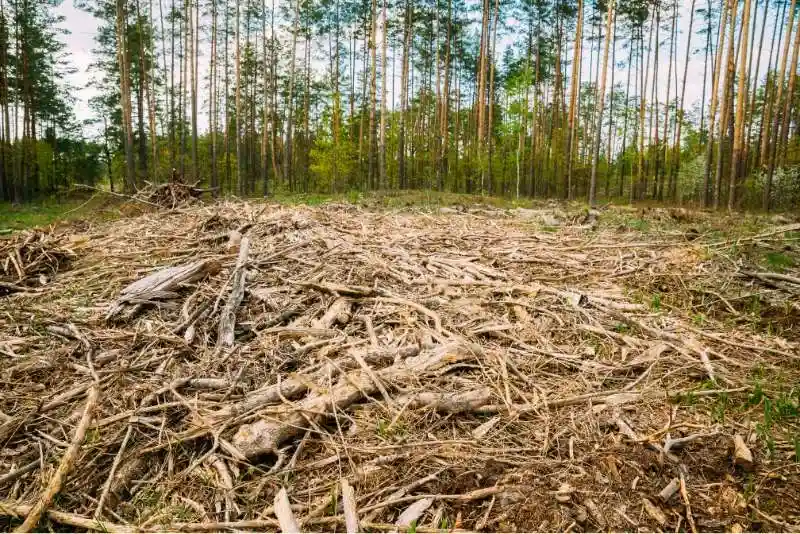
Beyond clean power generation, wind energy plays an important role in promoting energy equity. In many rural or underserved regions, wind farms can provide a decentralized and sustainable source of electricity, supporting local economies and improving quality of life. Community-based wind projects, where local residents share in the ownership and benefits of wind installations, are also gaining popularity. However, these developments must be balanced with thoughtful environmental management. Wind turbines can alter landscapes, affect migratory bird populations, and require careful planning to minimize their ecological footprint.
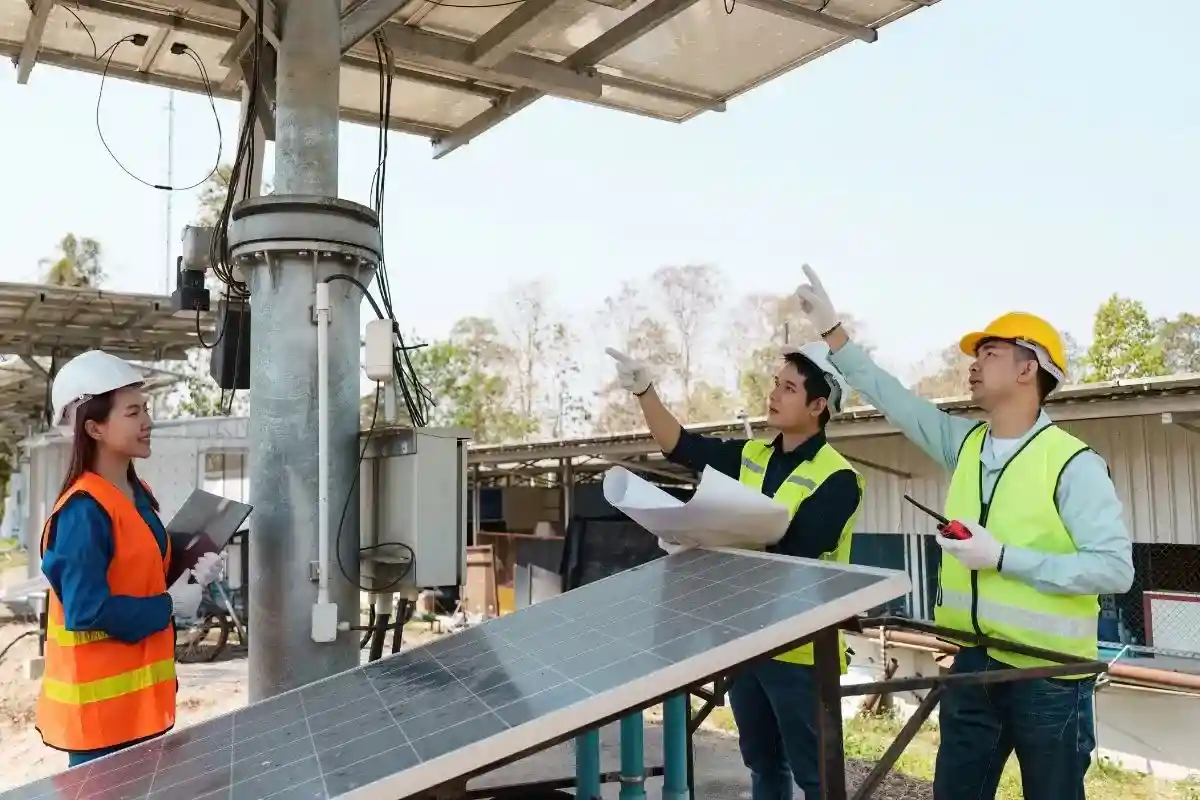
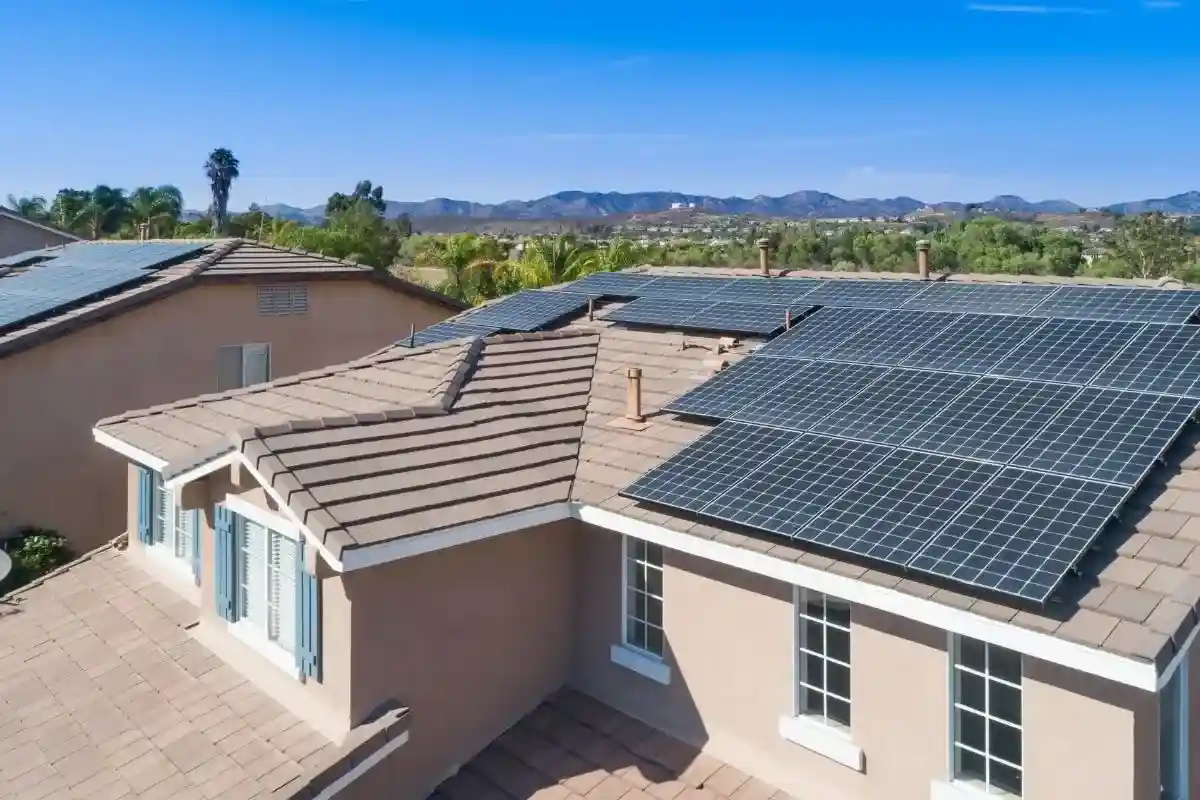
Integrating wind energy with other renewable sources offers even greater potential. When paired with solar power and supported by energy storage technologies, wind energy can help create stable and reliable power systems that operate efficiently regardless of weather conditions. Collaboration between engineers, policymakers, and environmental experts is essential to ensure that wind energy continues to grow responsibly and equitably.
How can innovation in wind energy technology make renewable power more accessible and sustainable? What strategies can minimize the environmental impact of wind farms while expanding their reach? How can wind energy be combined with solar and storage systems to create more reliable clean energy networks? Consider how continued investment, public policy, and community engagement can help shape the future of wind energy around the world.
Use the online submission form when sending your articles to help us track all of your submissions. Please try to write about the above topic. Your response should be at least 1,000 words.
To receive credit, your effort is what matters. You should find ways to contribute thoughtful ideas that will help others. Feel free to use personal stories or other information that you want to share, but do not use real names or other identifying information. You may write your response in the space provided or upload your response. Once we review your response, you will receive credit.
Click the button below to submit your article and get your credit.


Membership Email:
Verification Status: