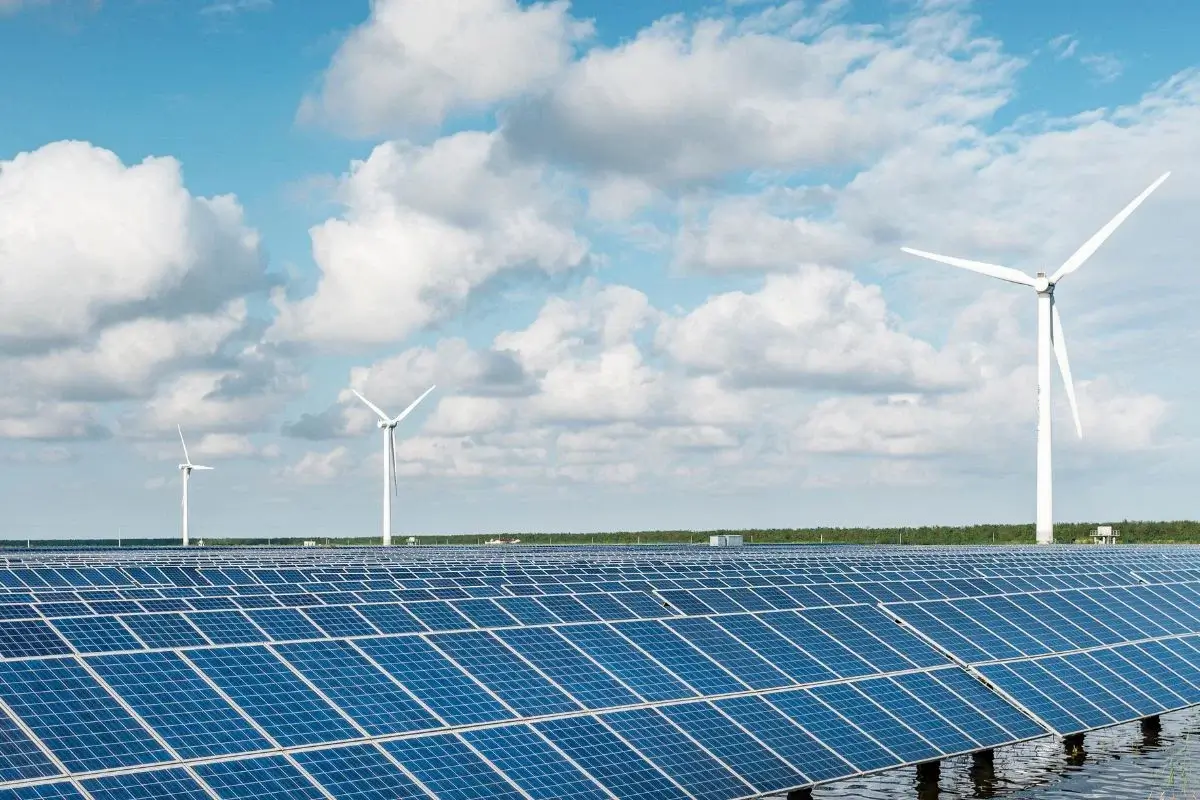
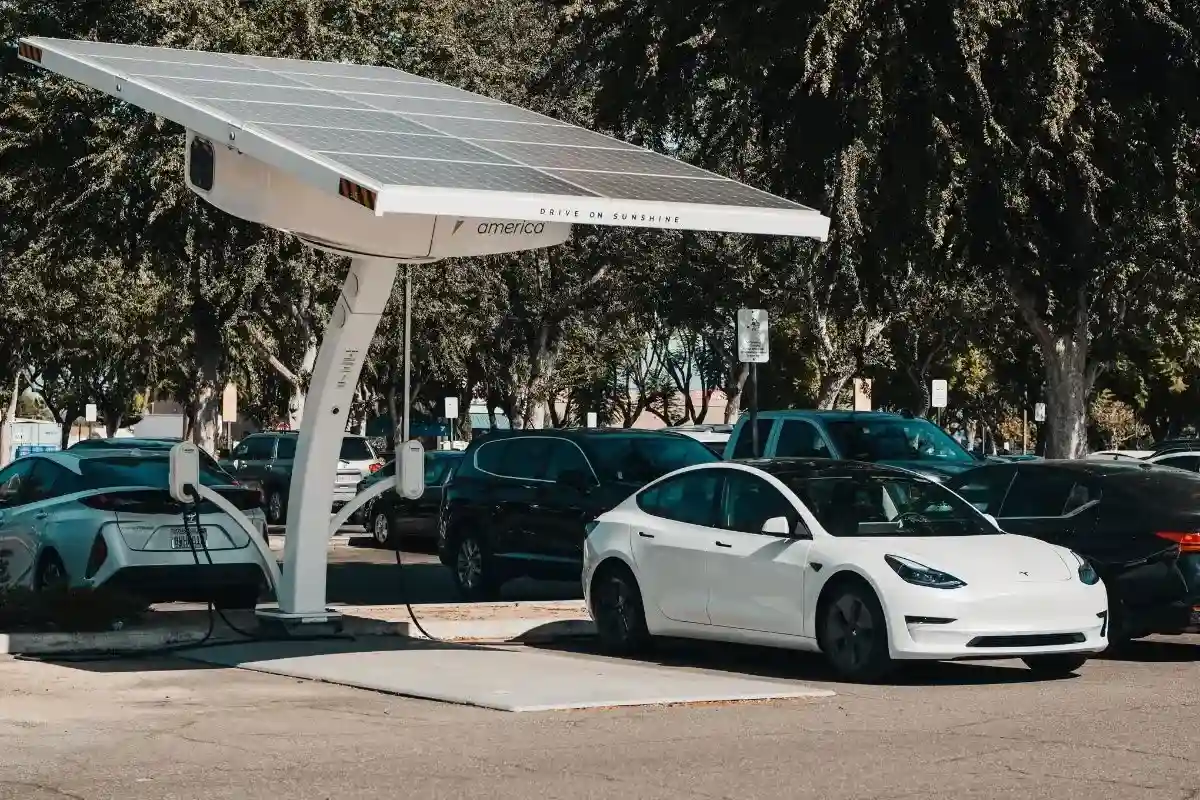
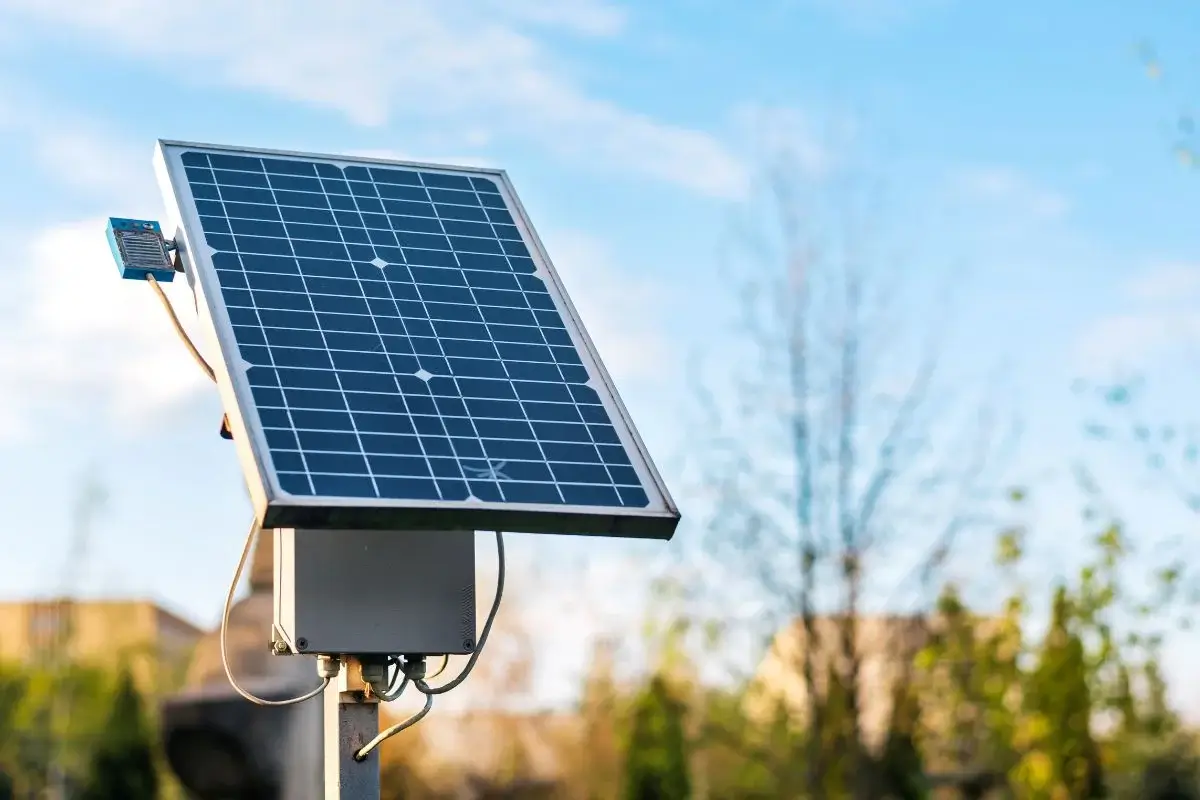
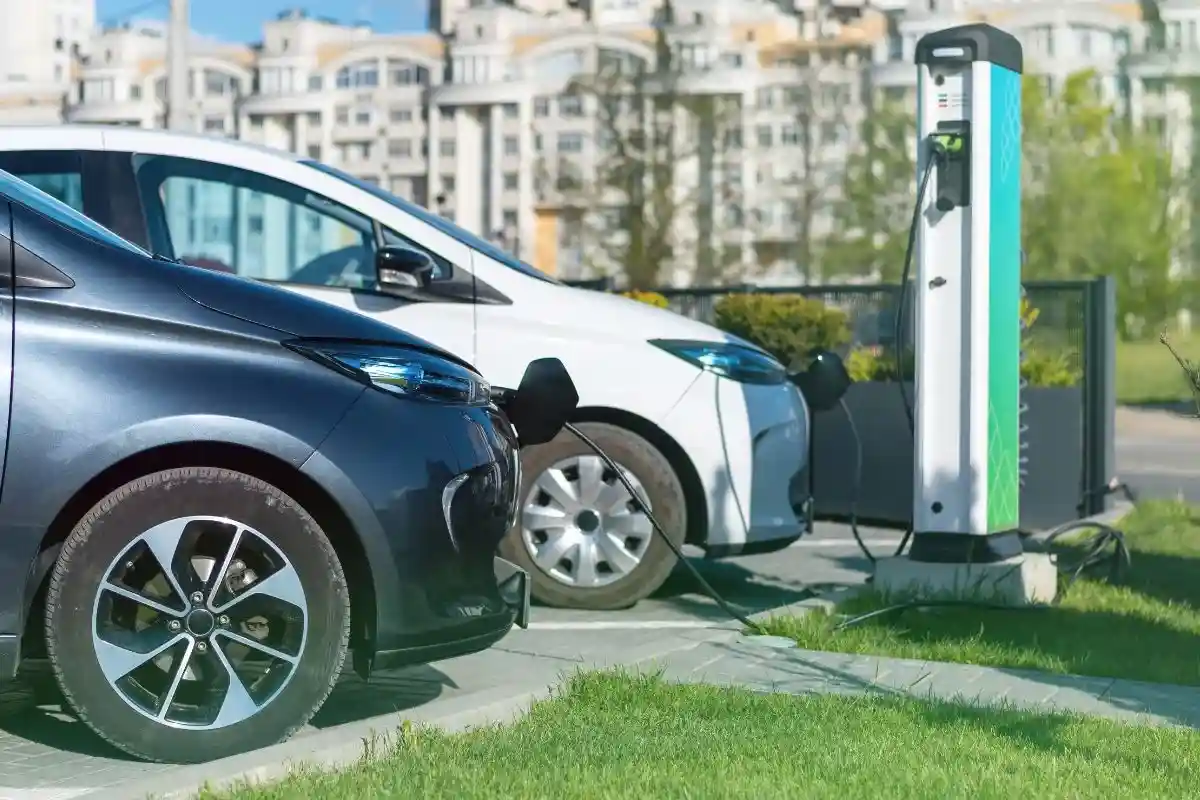
Batteries are central to the green energy revolution, powering electric vehicles, storing renewable energy, and enabling a cleaner, more sustainable future. As the world shifts away from fossil fuels, advancements in battery technology are becoming vital to making renewable energy sources like solar and wind more reliable and efficient. Innovations such as solid-state batteries, faster charging systems, and extended lifespans are transforming how we produce, store, and use energy. These improvements are lowering costs, reducing waste, and making clean power more accessible to homes, businesses, and entire communities.
Beyond performance, scientists and engineers are exploring ways to make batteries more environmentally responsible. This includes developing recyclable materials, reducing dependence on rare earth elements, and finding safer methods for production and disposal. Governments and industries are also investing in research, creating incentives to accelerate innovation and expand the use of sustainable energy storage. As battery technology continues to evolve, it holds the potential to reshape transportation, power systems, and the global economy, paving the way for a truly renewable future.
How can batteries be made more sustainable throughout their life cycle, from production to disposal? What role do rare earth materials play in battery development, and how can dependence on them be reduced? Consider how battery innovations can help scale renewable energy storage and make clean energy more dependable. What policies or incentives could support continued research and encourage widespread adoption? Reflect on recent breakthroughs in battery technology and how they are driving progress in the green energy economy. How do electric vehicles, renewable energy systems, and new recycling technologies work together to create a cleaner and more efficient world?
Use the online submission form when sending your articles to help us track all of your submissions. Please try to write about the above topic. Your response should be at least 1,000 words.
To receive credit, your effort is what matters. You should find ways to contribute thoughtful ideas that will help others. Feel free to use personal stories or other information that you want to share, but do not use real names or other identifying information. You may write your response in the space provided or upload your response. Once we review your response, you will receive credit.
Click the button below to submit your article and get your credit.


Membership Email:
Verification Status: