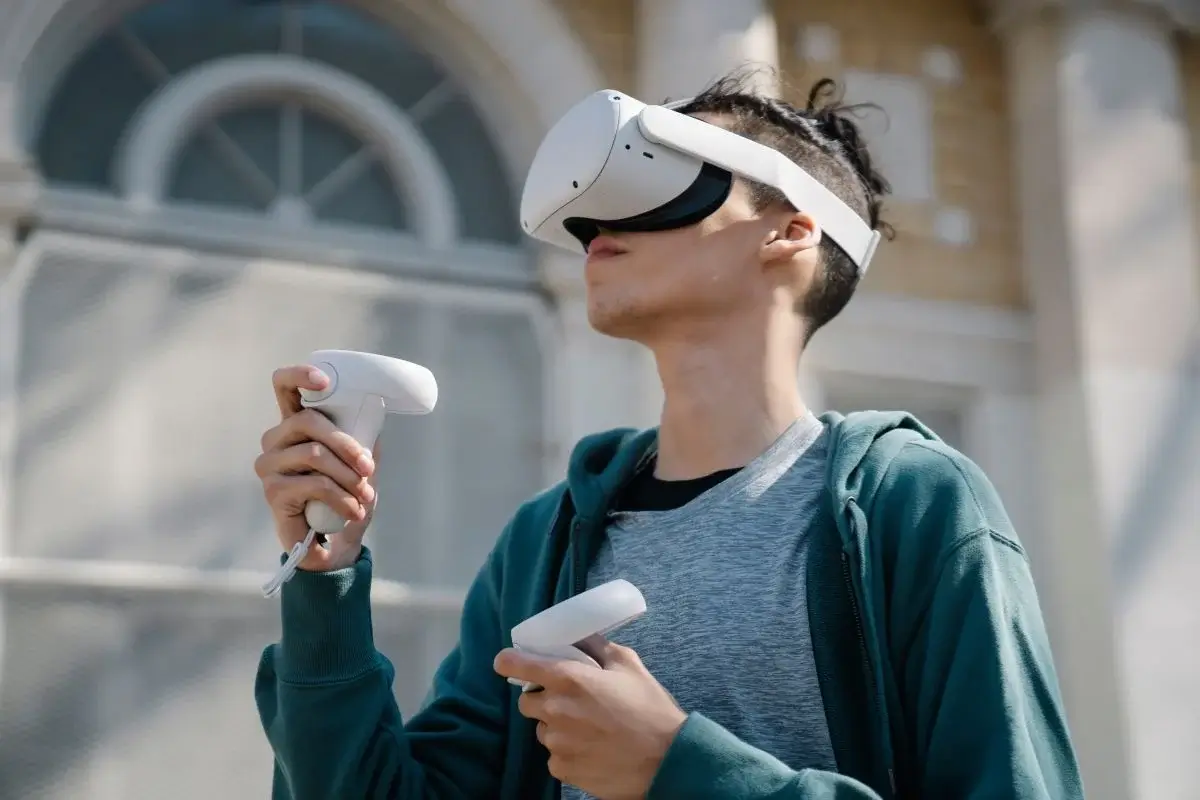
Imagine putting on a headset and being instantly transported into a world where you can see, hear, and even feel the effects of climate change all around you. Augmented Reality (AR) and Virtual Reality (VR) technologies make this possible, allowing people to experience environmental issues in a deeply personal and interactive way. Whether exploring melting glaciers, witnessing rising sea levels, or walking through a deforested rainforest, these tools bring global challenges into vivid focus, making climate change feel immediate and real.
AR and VR have the power to transform how people understand complex environmental issues. Unlike traditional media or classroom learning, these immersive experiences can foster empathy and awareness by allowing users to witness the consequences of inaction firsthand. For example, virtual field trips can transport students to endangered ecosystems, while augmented overlays can reveal invisible pollutants in the air or rising temperatures in urban areas. By turning data into experiences, these technologies help bridge the gap between knowledge and emotional connection.
The potential of AR and VR extends beyond education becuase it plays a role in research, planning, and activism. Scientists and city planners can use virtual models to simulate climate scenarios and test solutions before implementing them in the real world. Nonprofits and advocacy organizations can design interactive experiences that engage the public, encouraging them to make sustainable choices or support environmental initiatives. In this way, immersive technology becomes not just a learning tool, but a catalyst for collaboration and change.
However, no technology is without its challenges. AR and VR require access to devices, reliable internet, and technical literacy. These resources not always available in all communities. There is also the risk of focusing too heavily on virtual experiences rather than real-world action. To truly make an impact, these technologies must complement traditional education and policy efforts, ensuring that awareness leads to tangible outcomes for the planet.
How can AR and VR be used to help people understand and respond to climate change? What makes these technologies more effective than traditional approaches to education and awareness? What challenges or limitations might arise when using AR and VR for environmental purposes, and how could they be overcome? Most importantly, how might immersive experiences inspire people and communities to take meaningful action in protecting our environment?
Use the online submission form when sending your articles to help us track all of your submissions. Please try to write about the above topic. Your response should be at least 1,000 words.
To receive credit, your effort is what matters. You should find ways to contribute thoughtful ideas that will help others. Feel free to use personal stories or other information that you want to share, but do not use real names or other identifying information. You may write your response in the space provided or upload your response. Once we review your response, you will receive credit.
Click the button below to submit your article and get your credit.


Membership Email:
Verification Status: